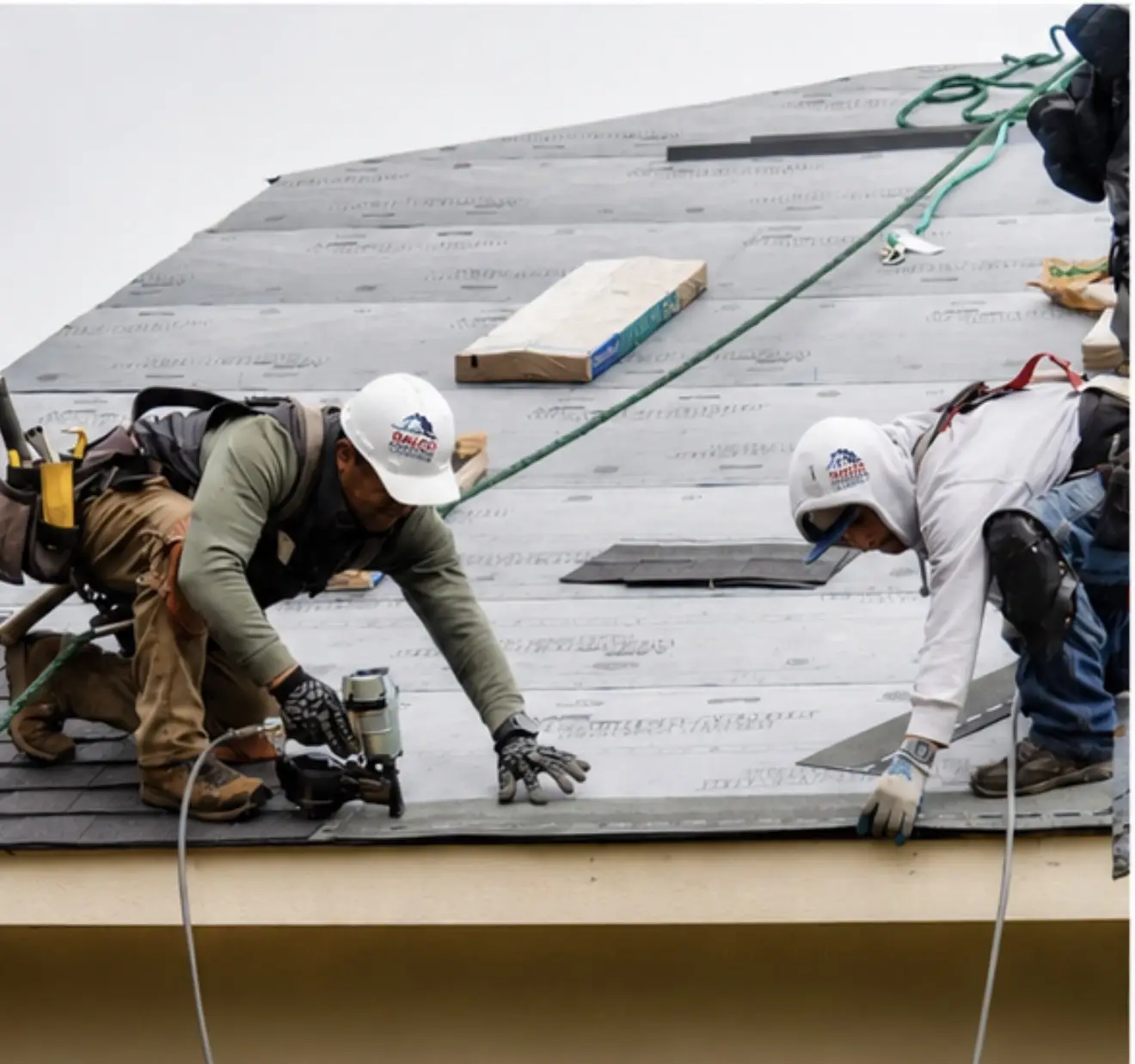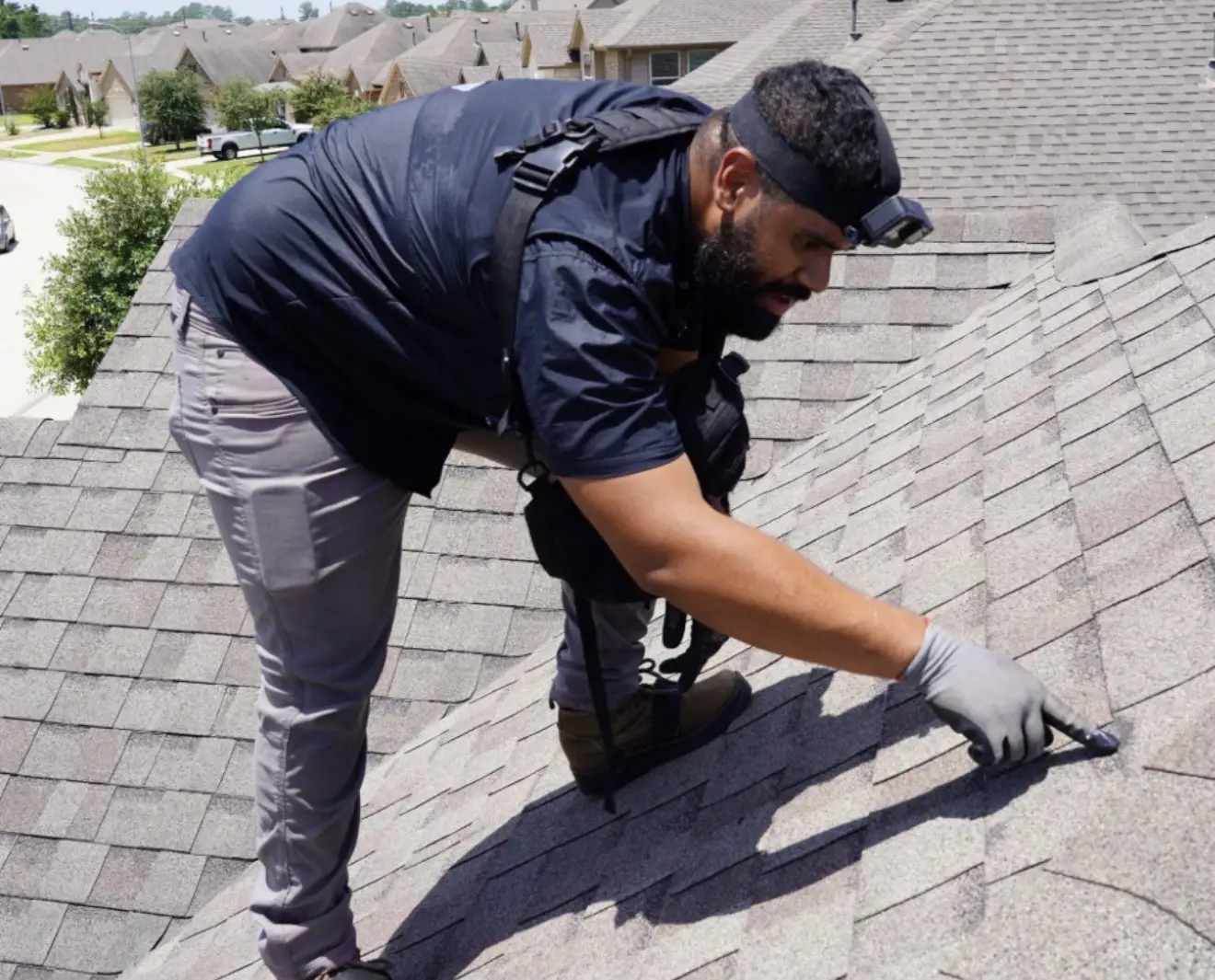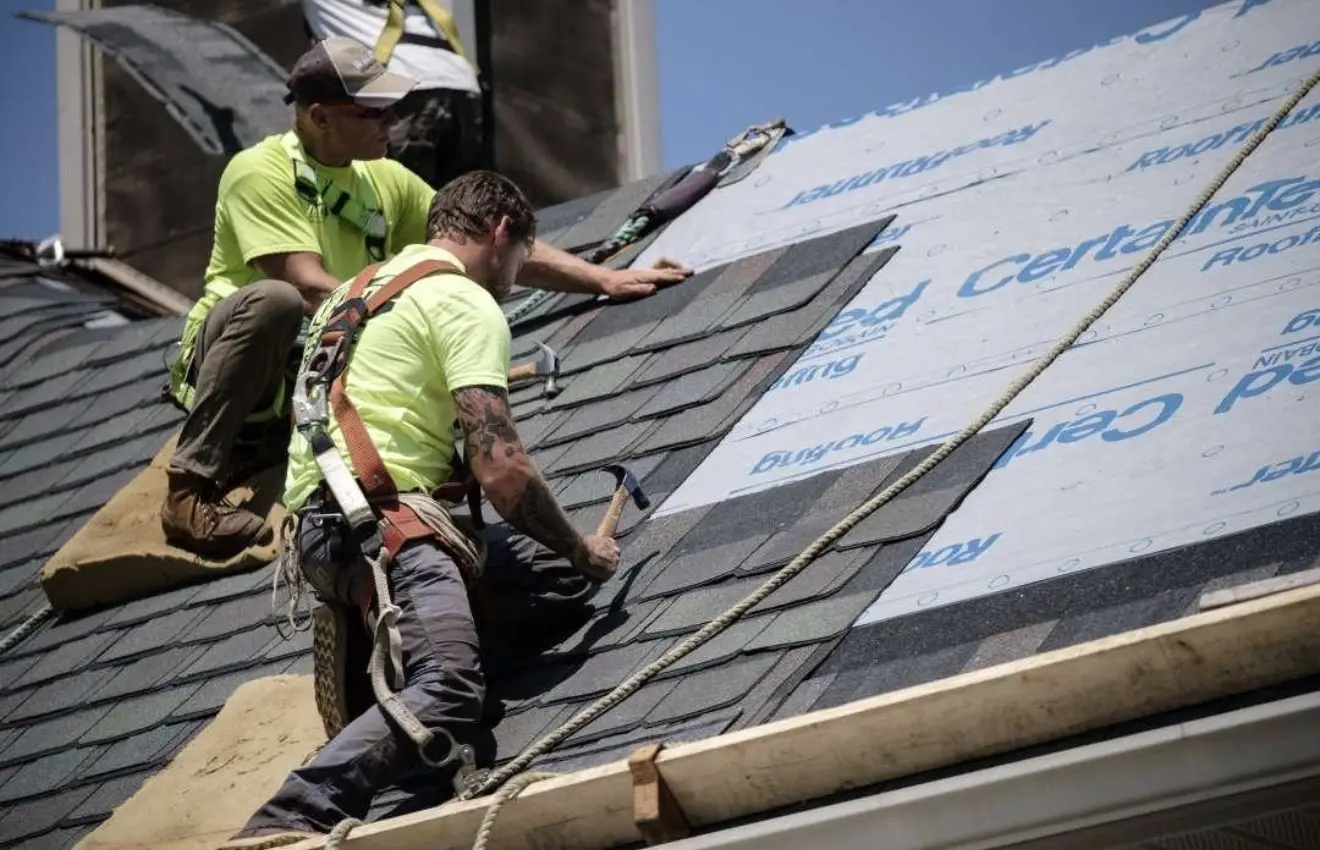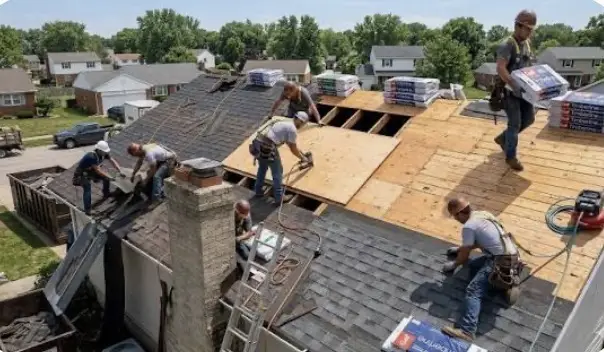

Summary – This blog explains how Arlington and Dallas homeowners can identify storm-related roof damage, recognize signs of leaks, understand repair options, arrange professional inspections, and take appropriate steps to protect their homes after severe weather.
A storm can pass in minutes, but the damage it leaves behind may affect your home for weeks. Loose shingles, damaged flashing, and broken roof edges can create openings for rainwater. Even a small problem can lead to costly repairs if it goes unnoticed.
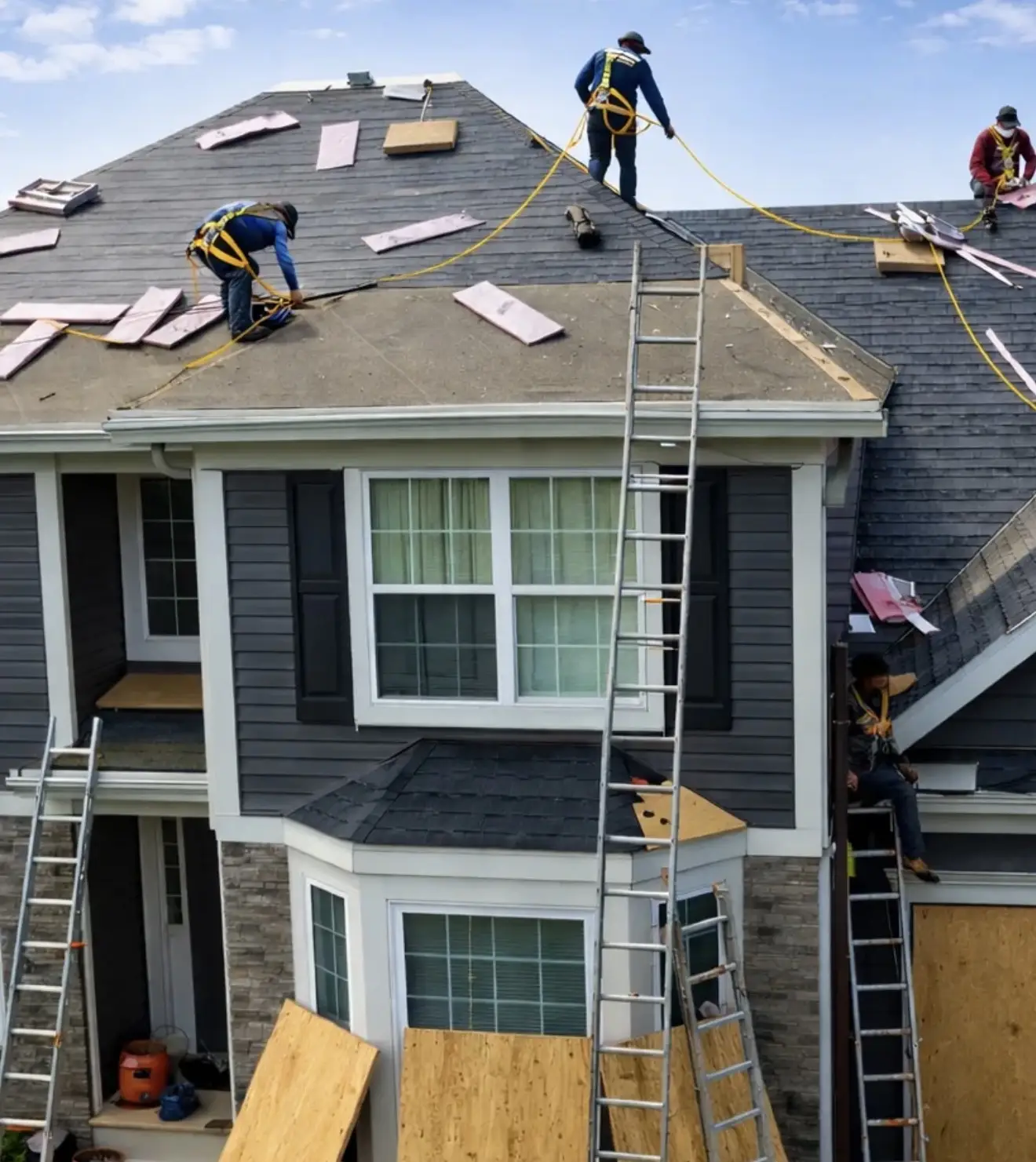
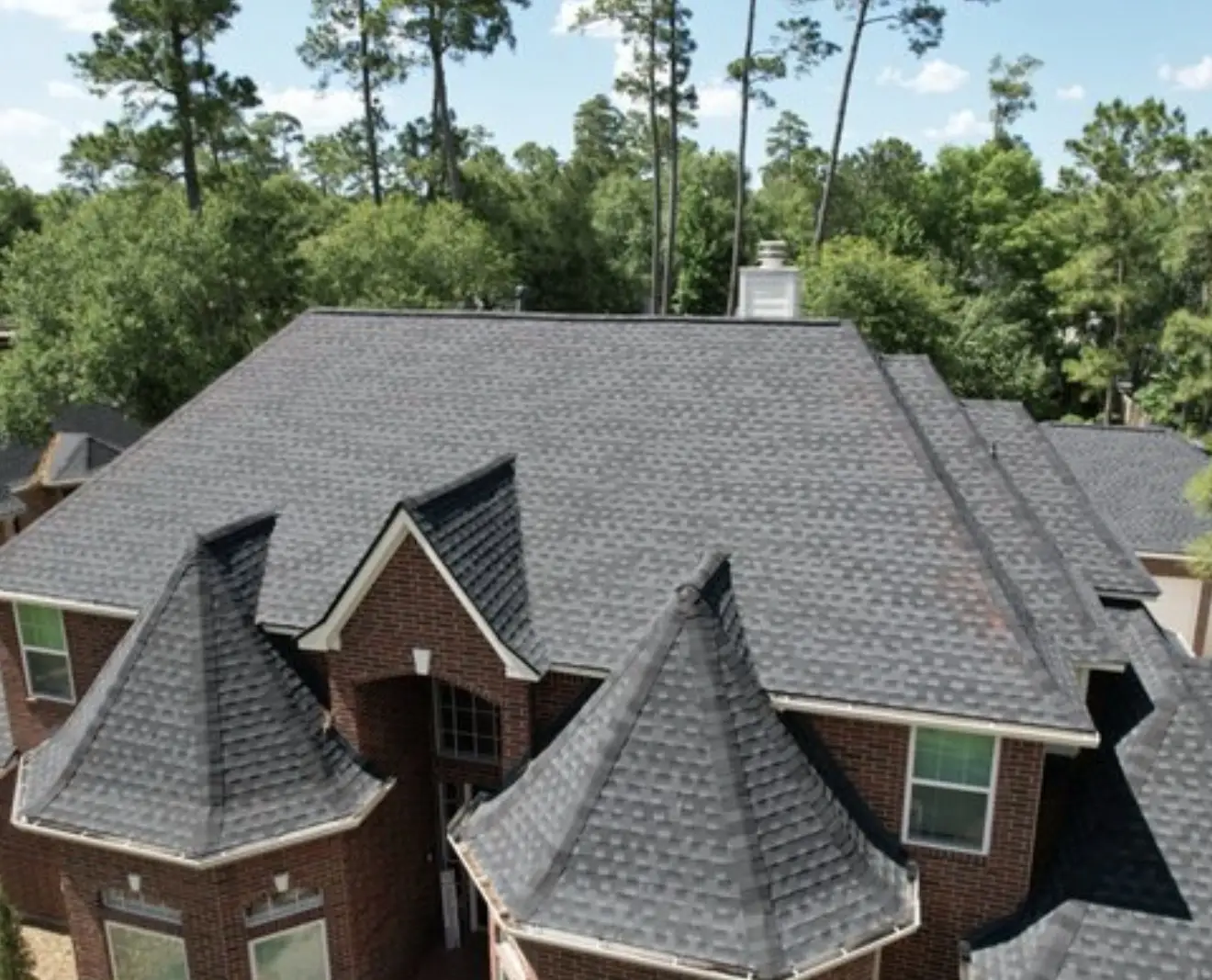
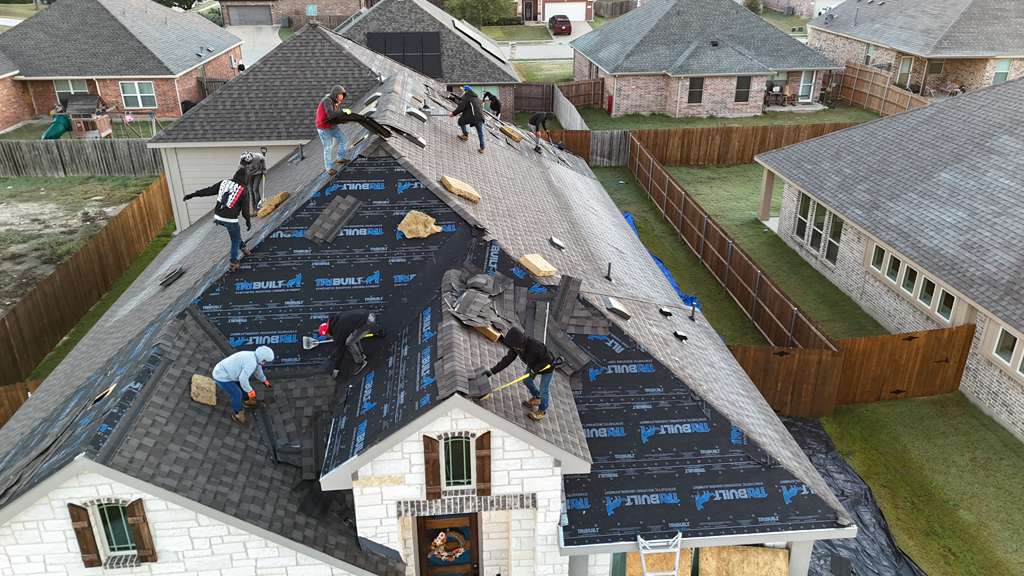
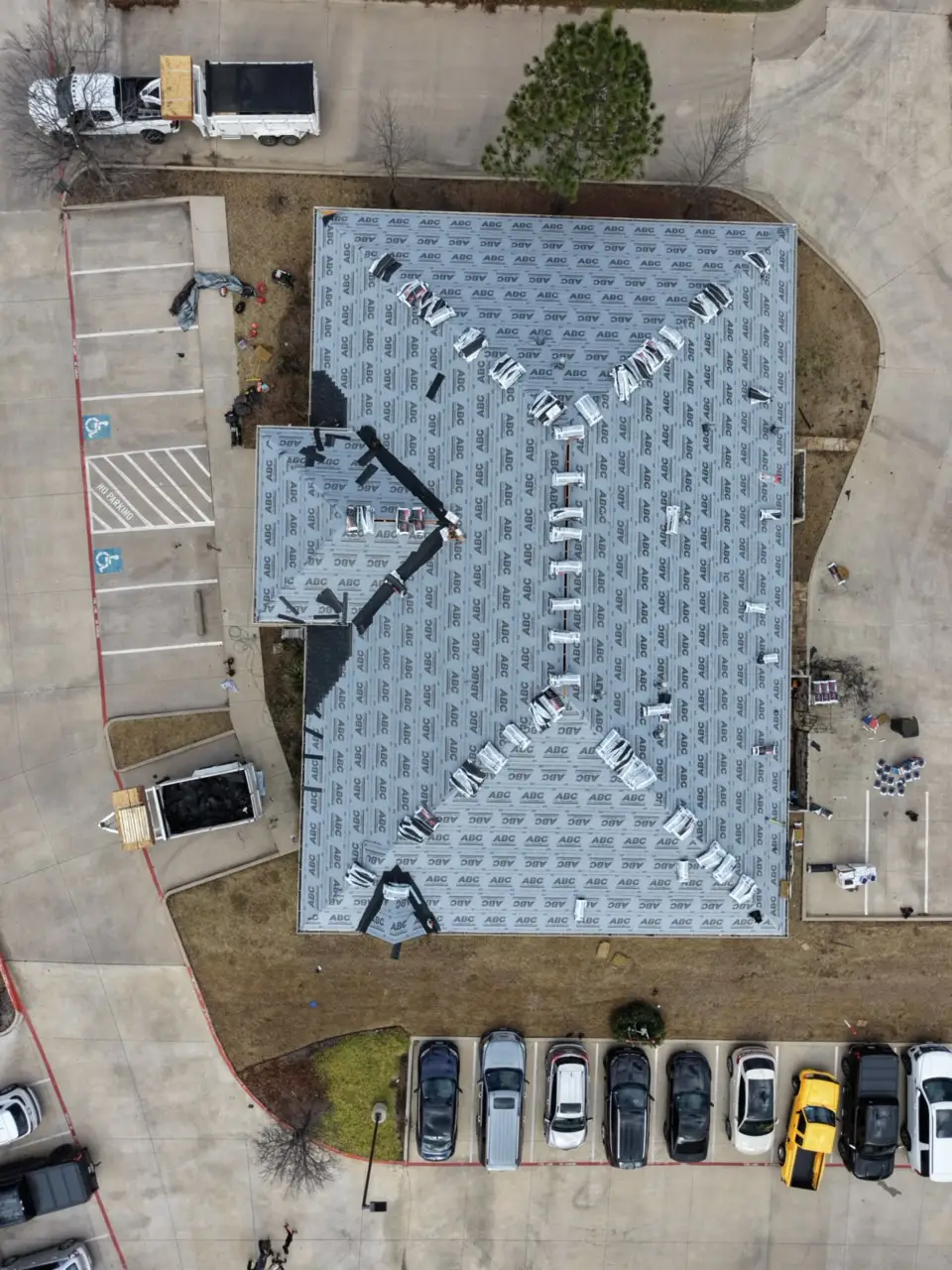
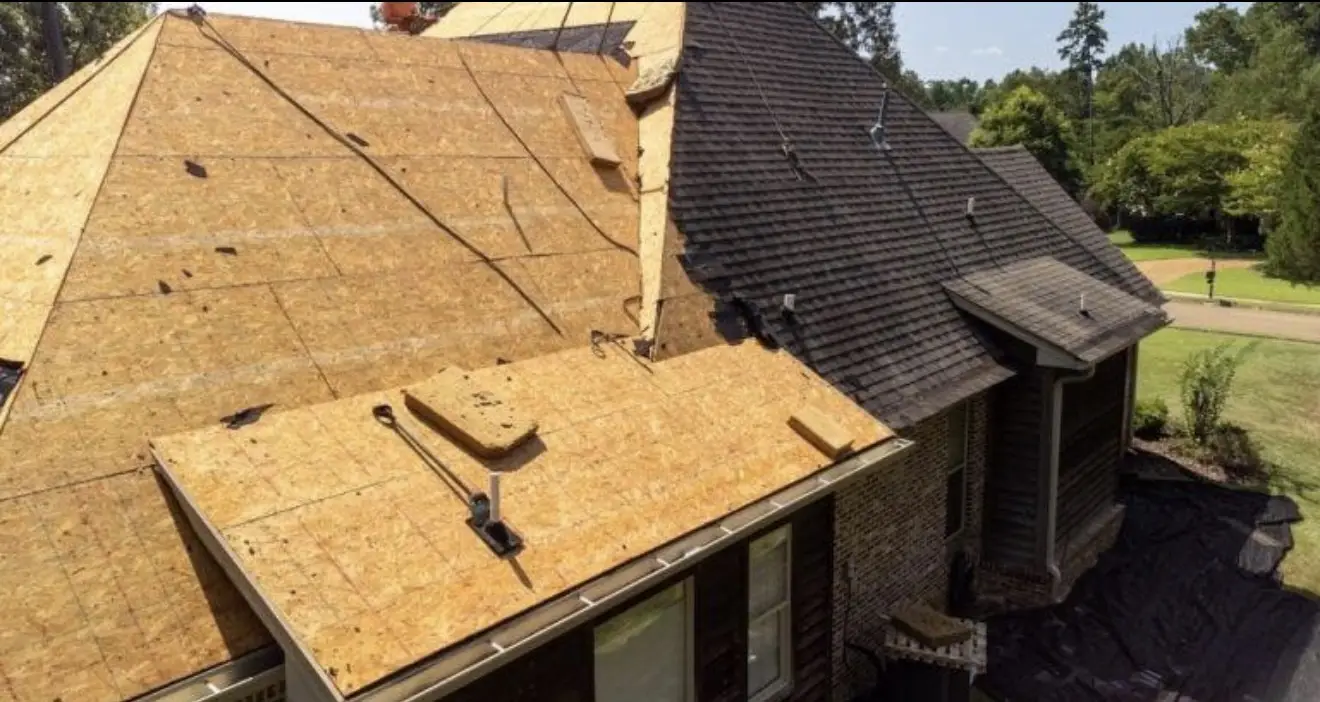
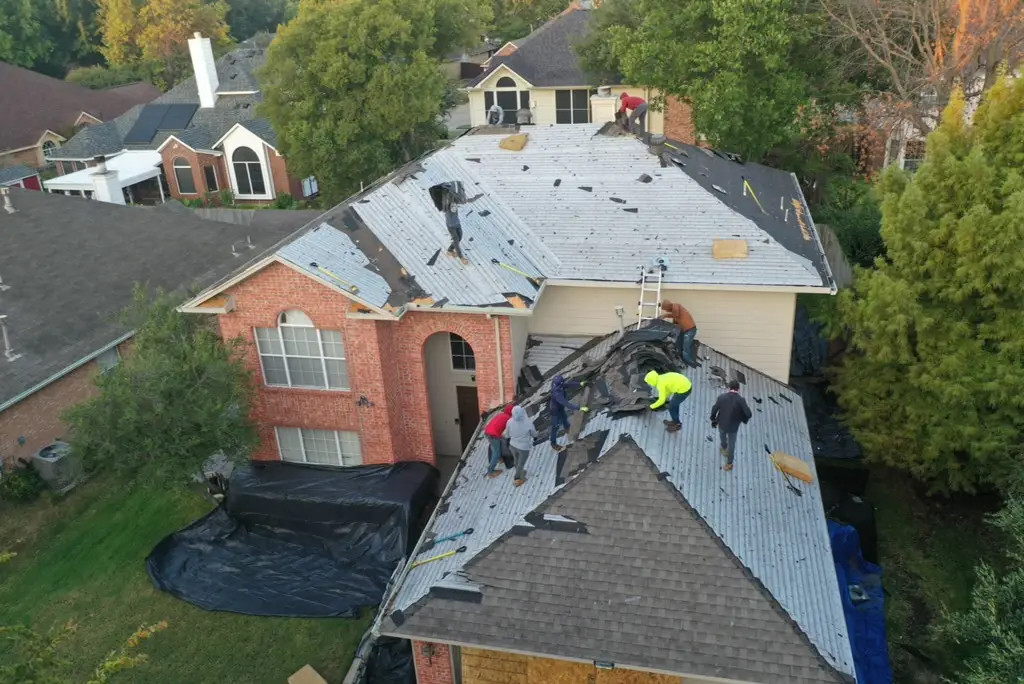
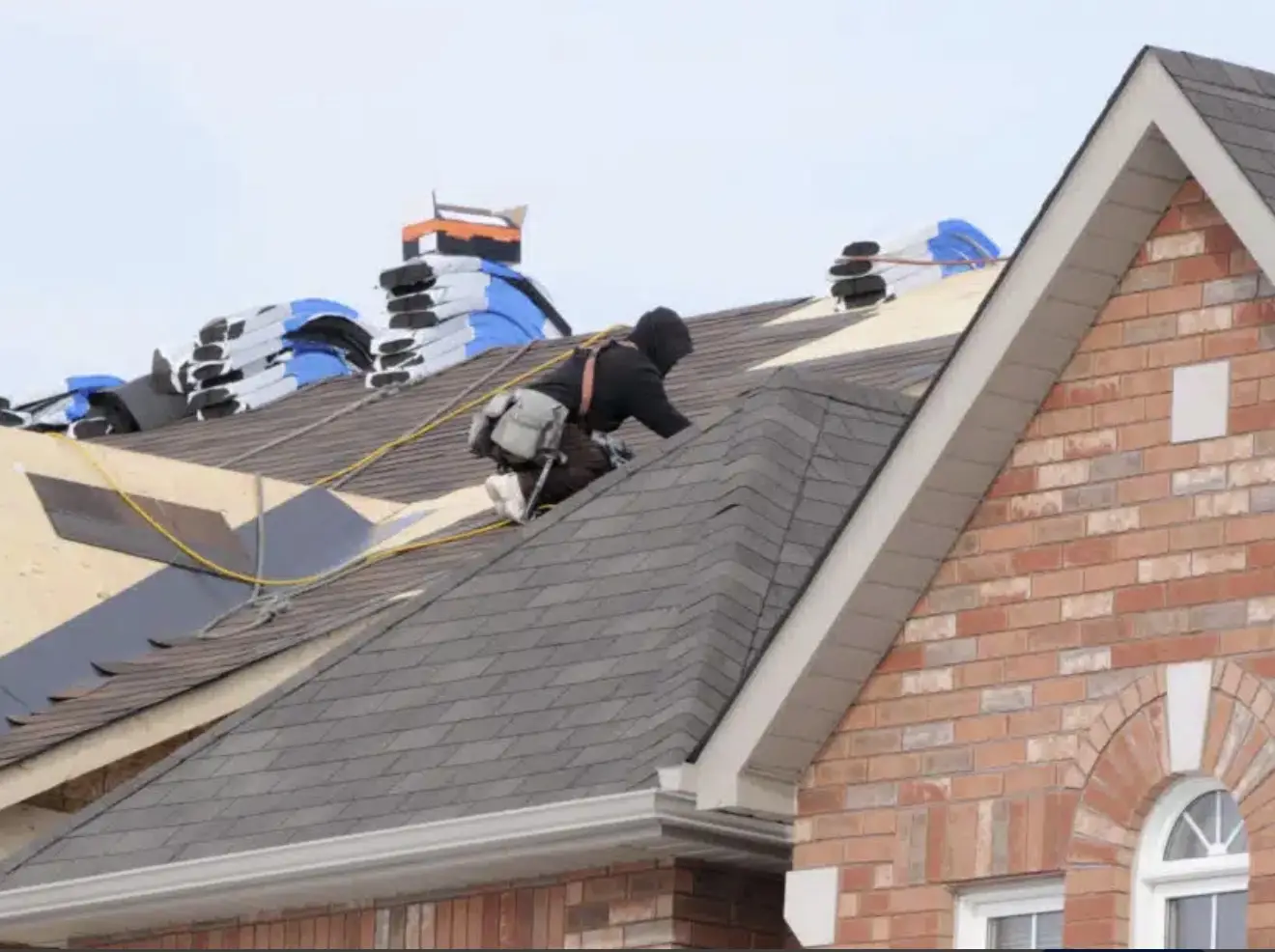
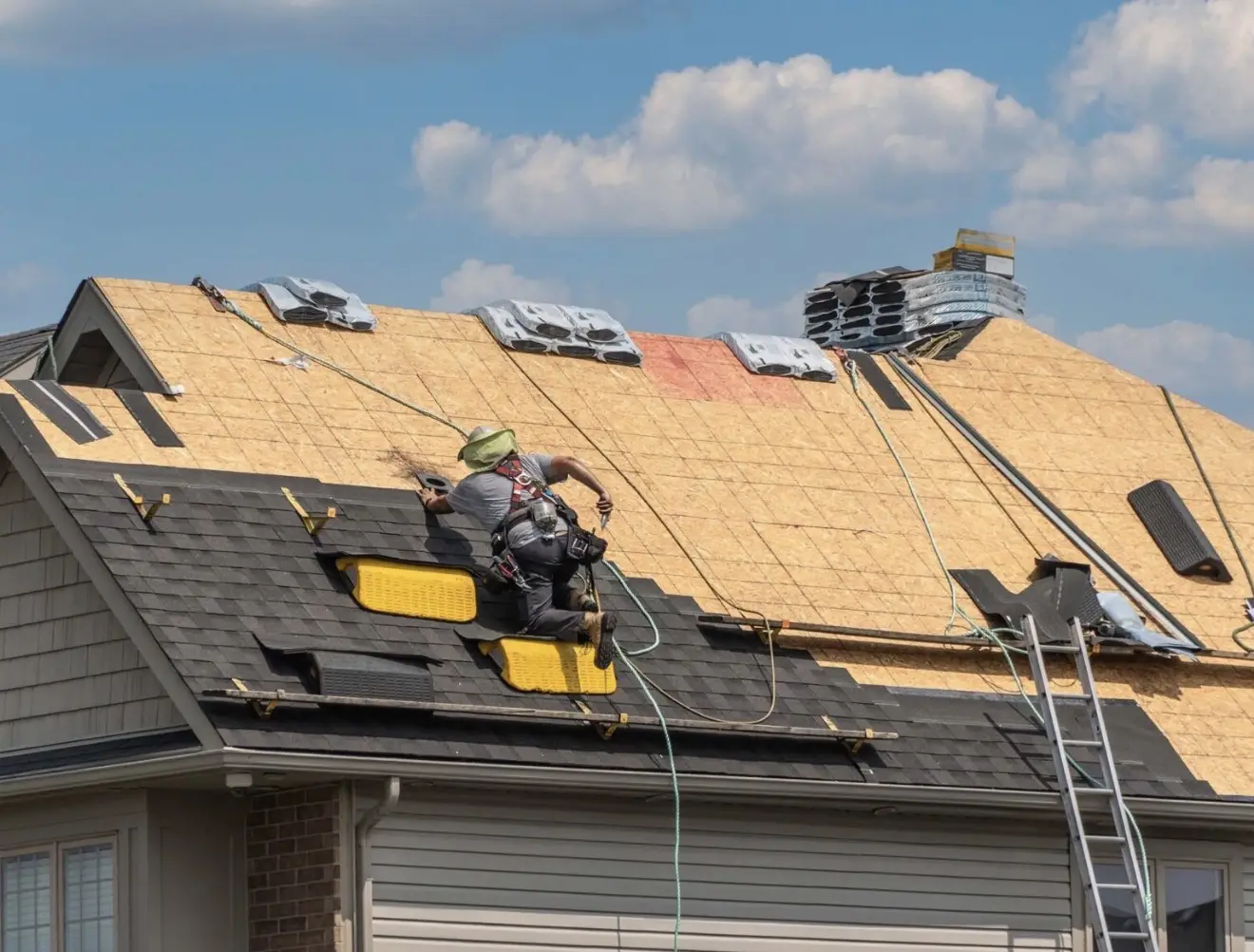
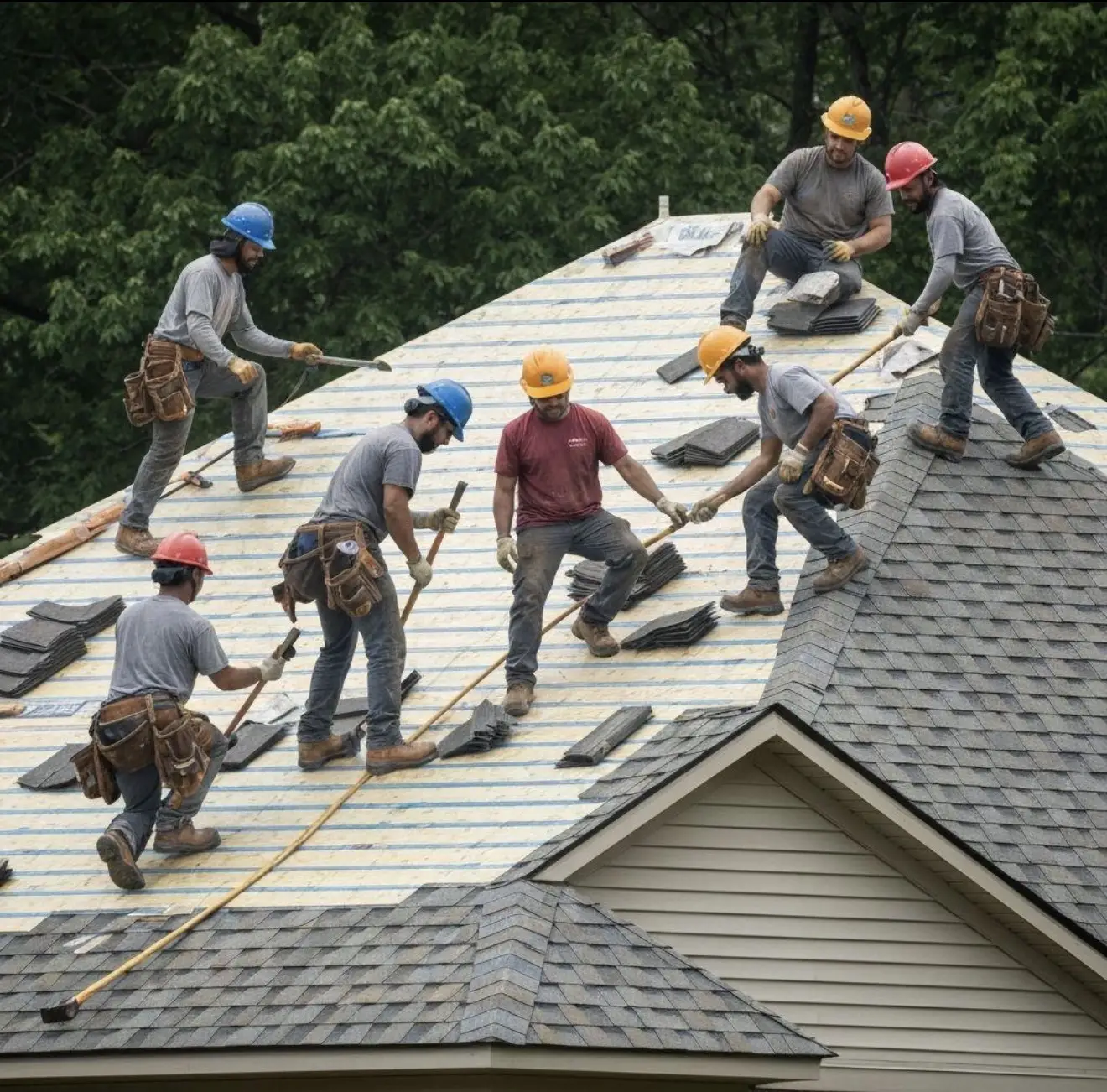
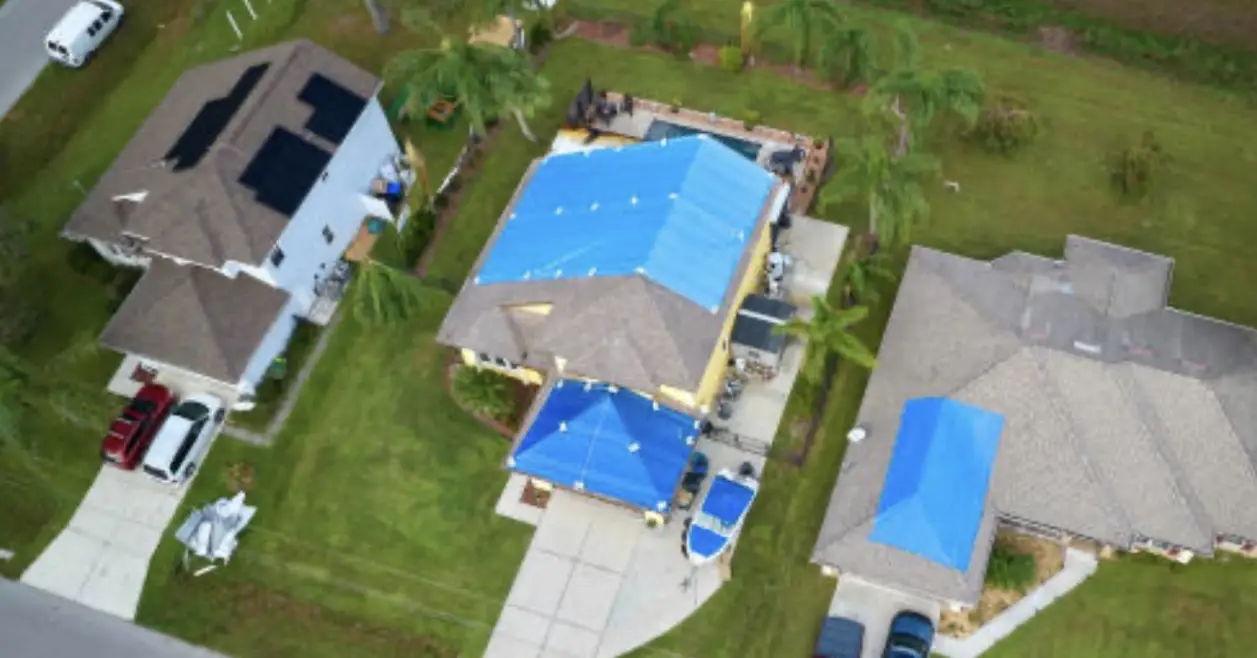
After severe weather, homeowners should know how to protect their property and decide what to do next. If you are considering storm damage roof repair in Arlington, start by checking for warning signs and arranging a professional inspection when needed. Homeowners seeking storm damage roof repair can follow the same steps to understand the damage and choose a suitable repair plan.
Start With the Areas Most Likely to Show Damage
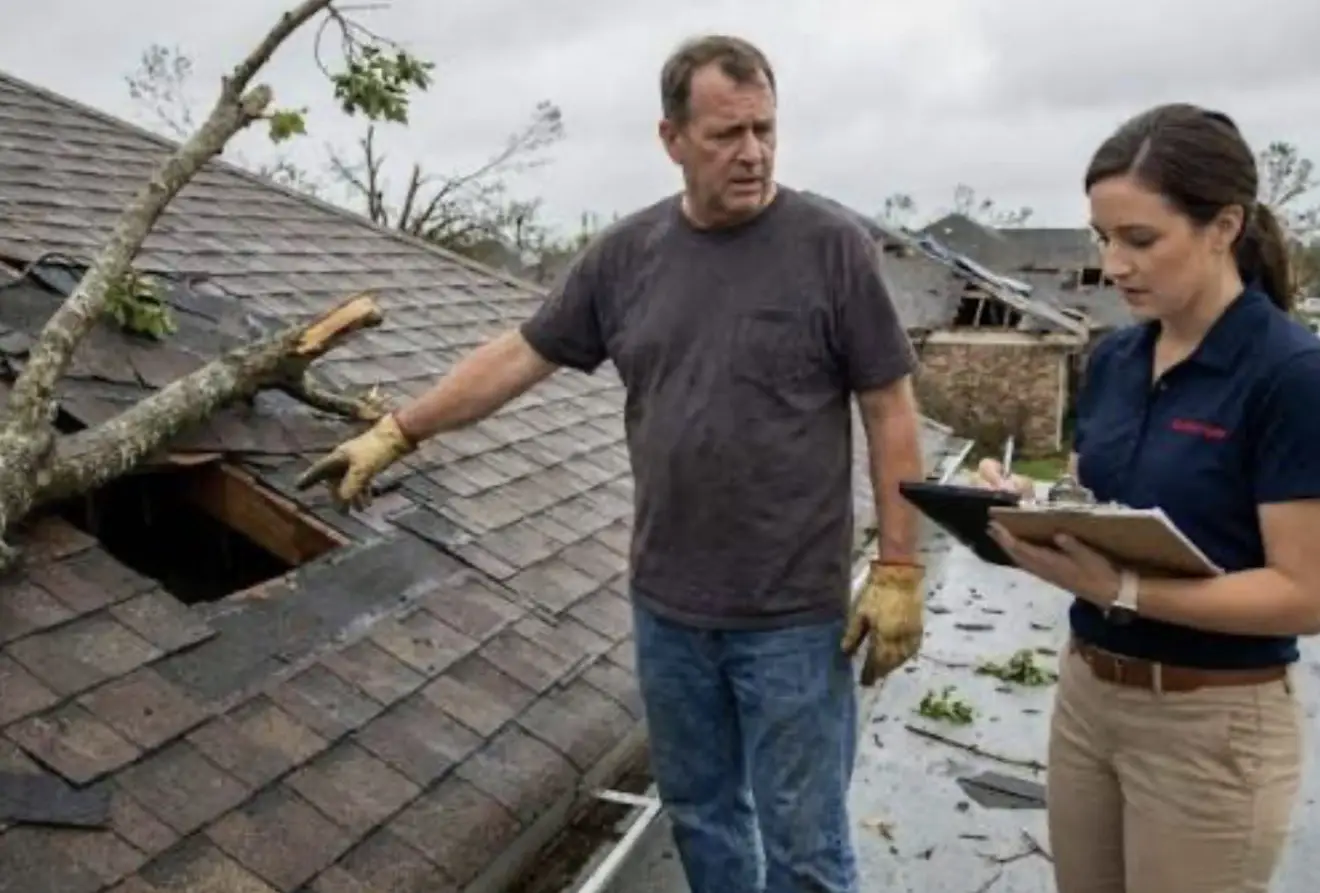
You do not need to climb onto your roof to look for signs of trouble. Begin with a safe walk around your property after the weather clears. Check the yard, driveway, and areas near the house for fallen branches, loose shingles, or pieces of roofing material.
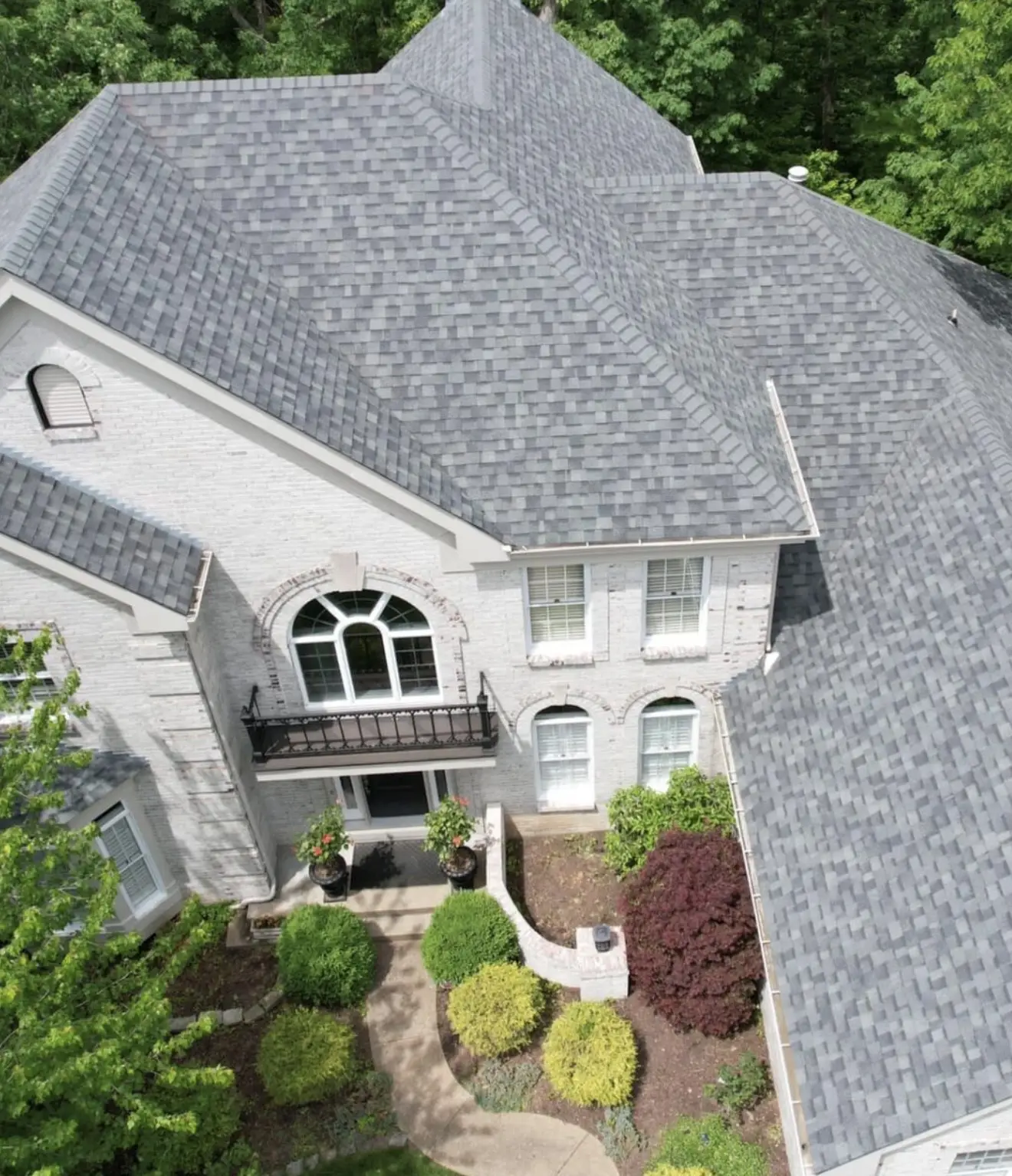
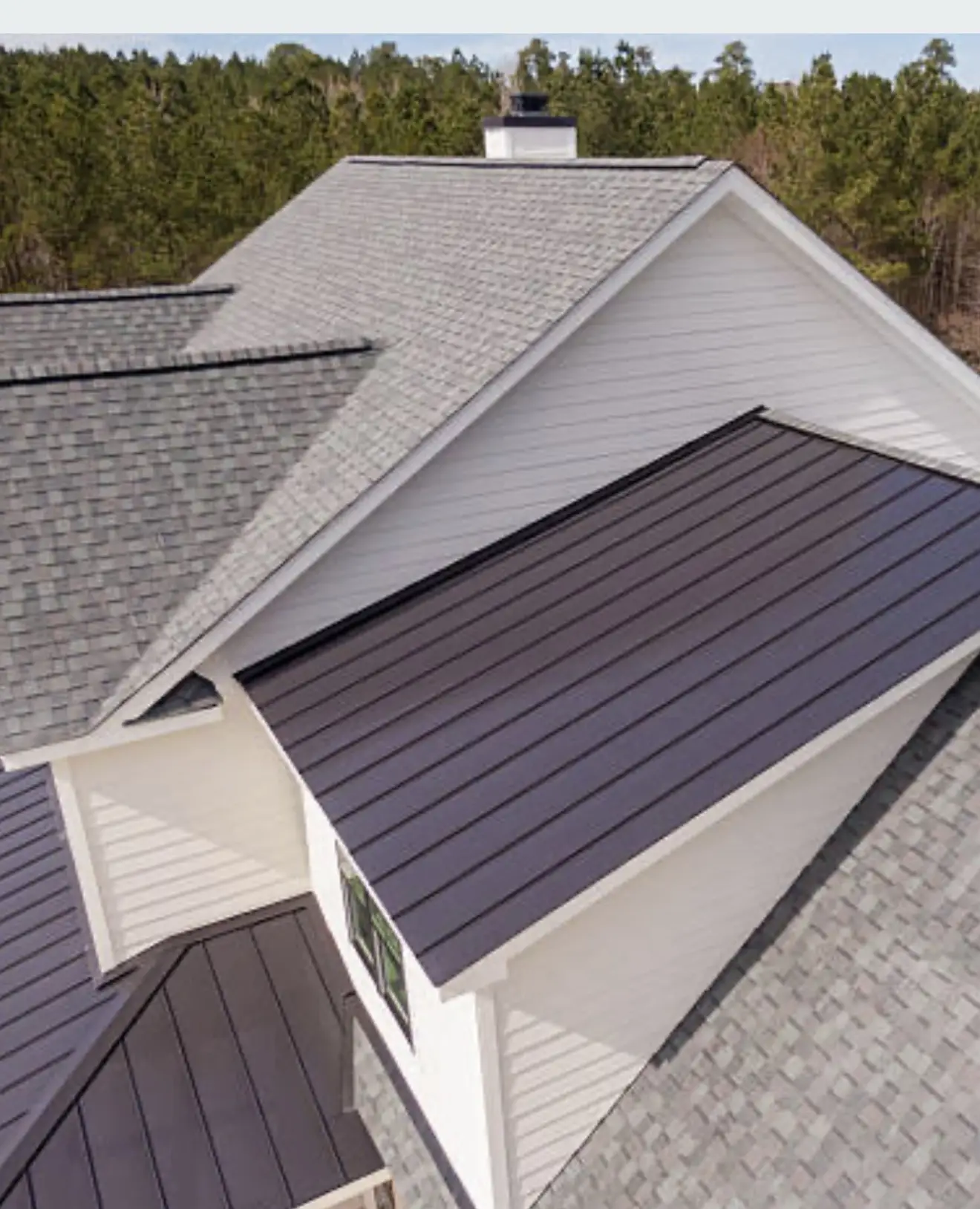
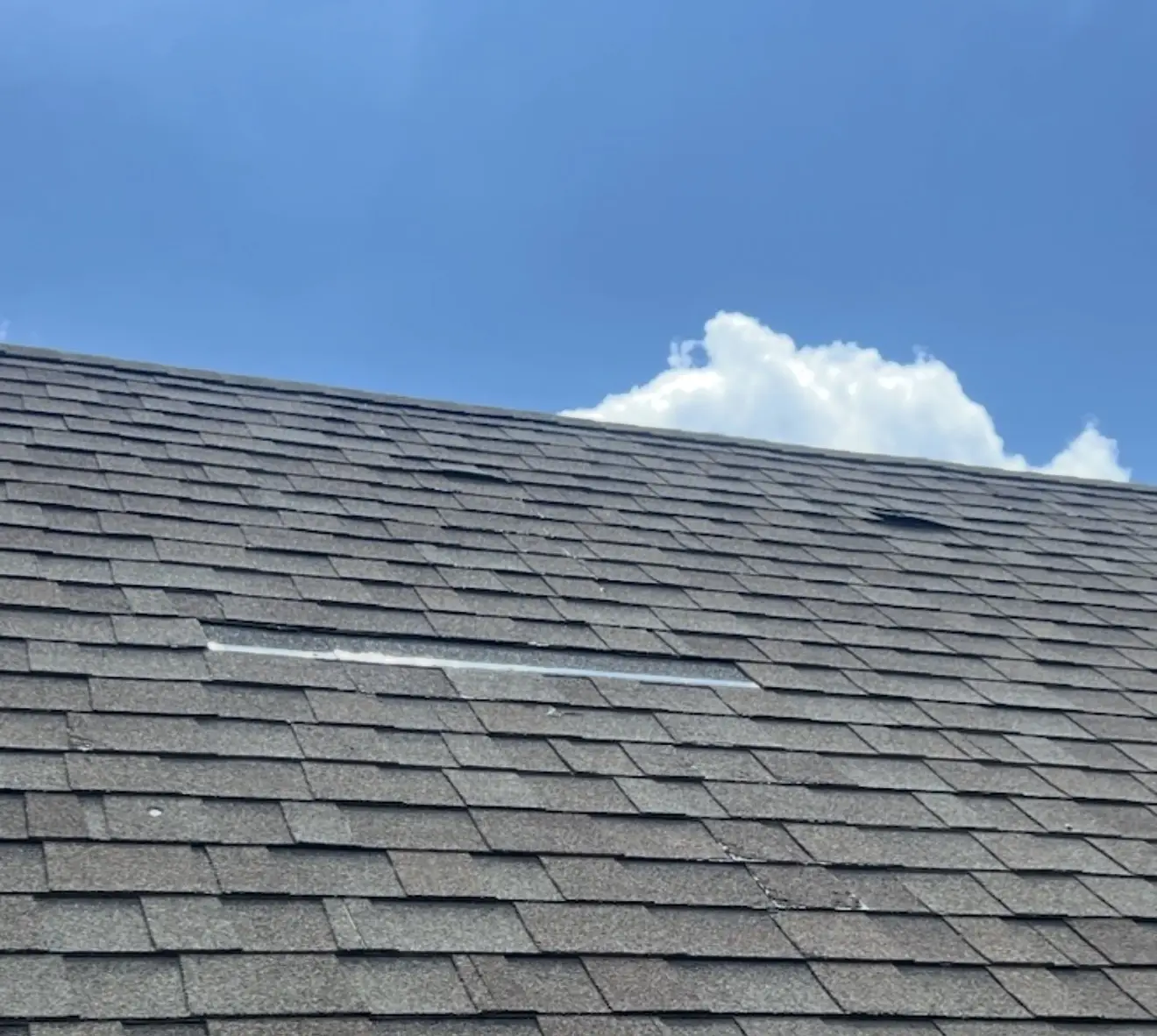
Next, look at the roof from the ground. You may notice uneven shingle lines, damaged gutters, or roof edges that appear out of place. These signs do not confirm the full extent of the damage, but they can help you decide whether to call a roofing professional.
Also, check nearby trees for broken branches that may have struck the roof. If you notice sagging areas, exposed roof materials, or significant structural damage, keep your distance and seek professional help.
Know What Wind, Hail, and Rain Can Do
Not all storms cause the same problems. The type of weather your home experienced can offer clues about the damage that may need attention.
Wind Can Loosen Roofing Materials
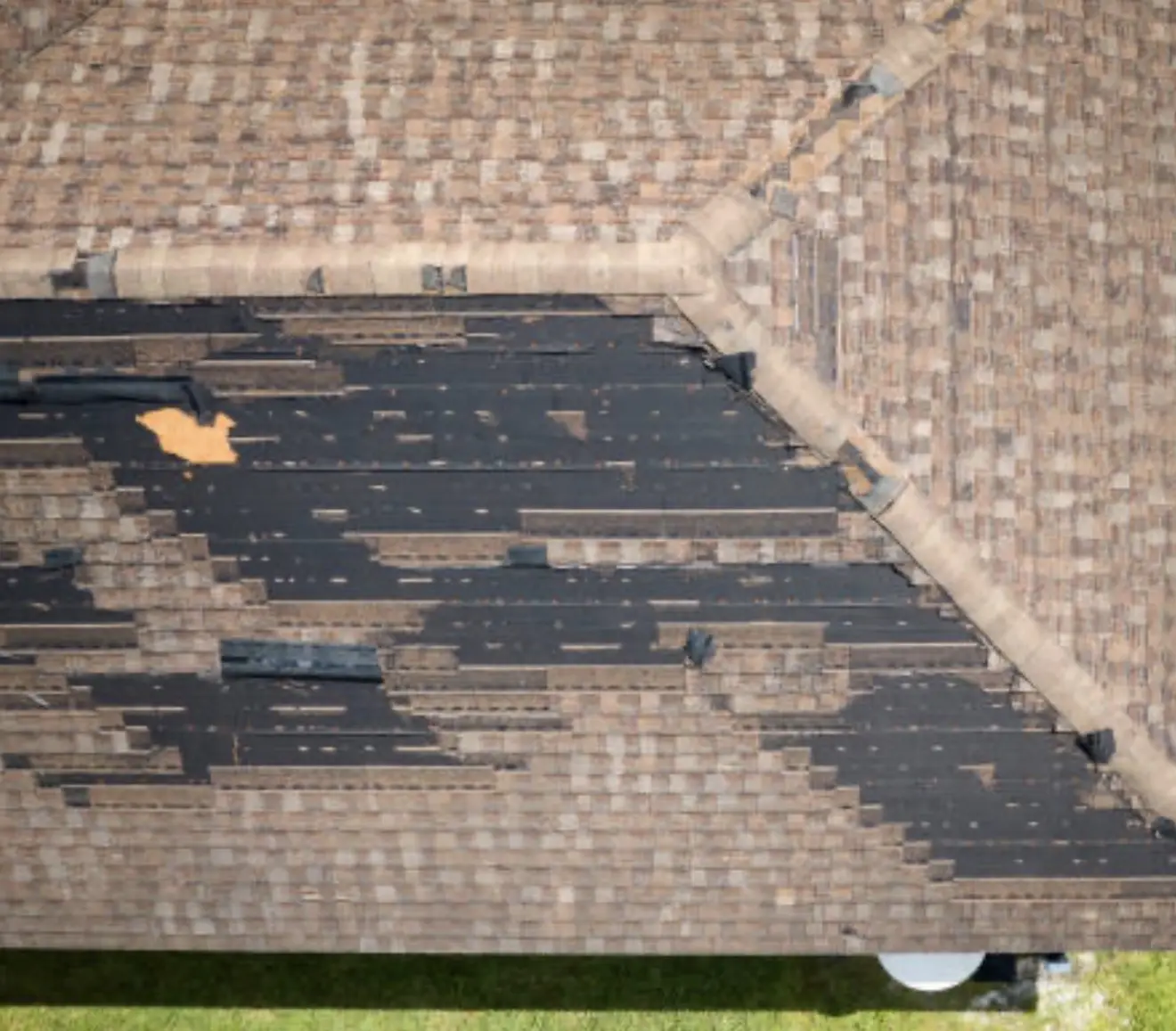
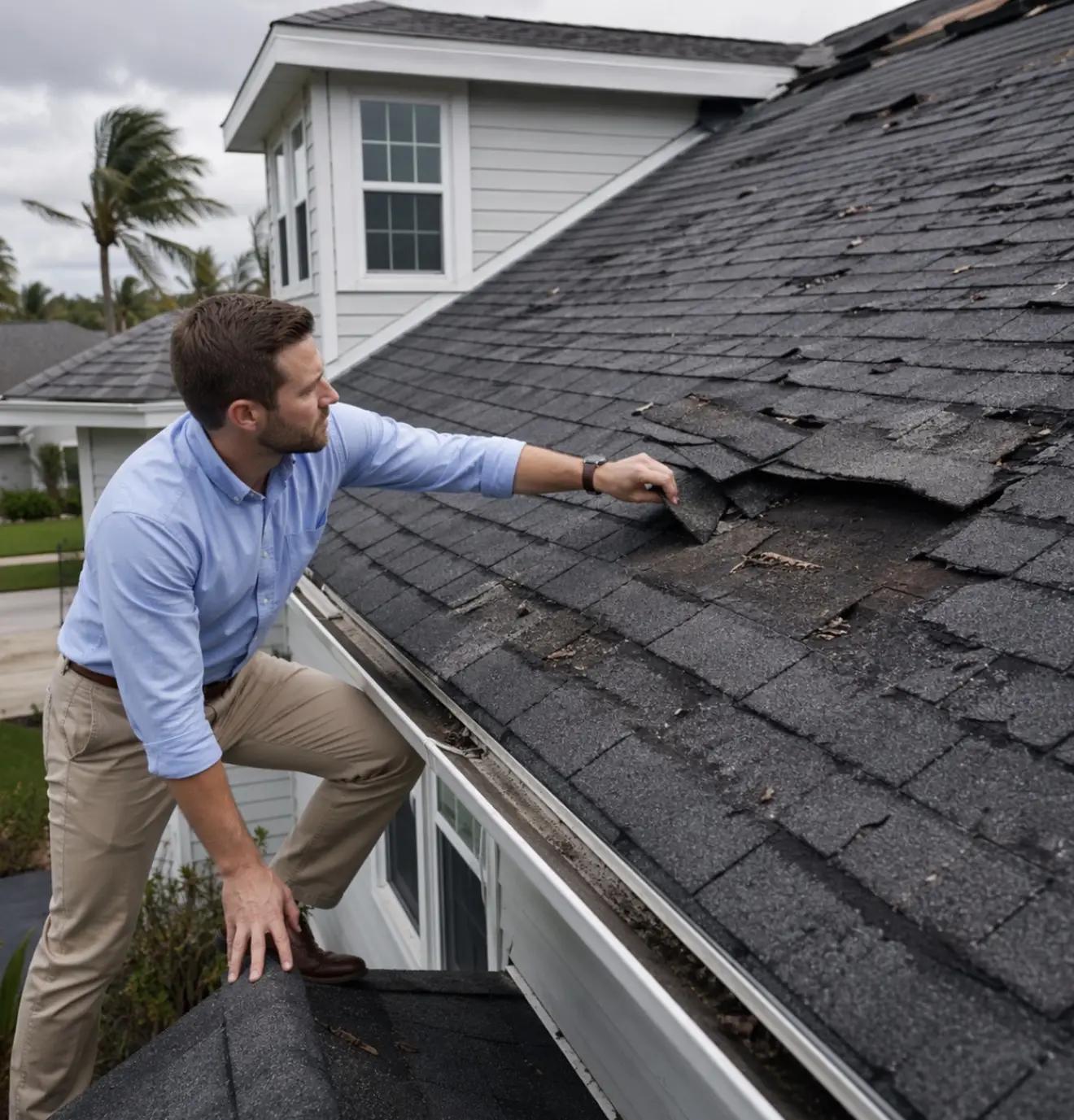
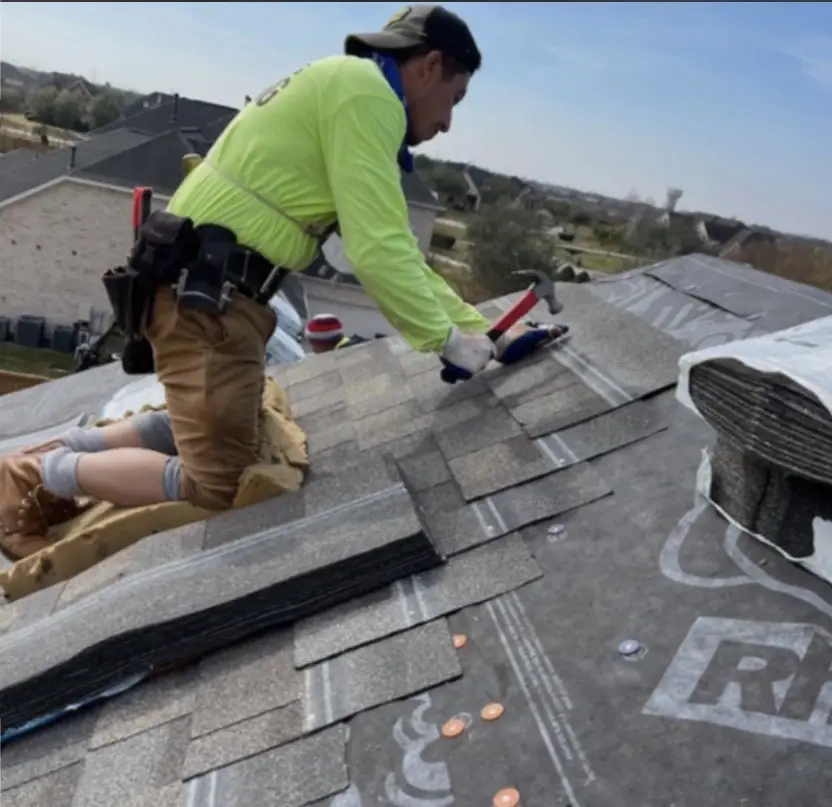
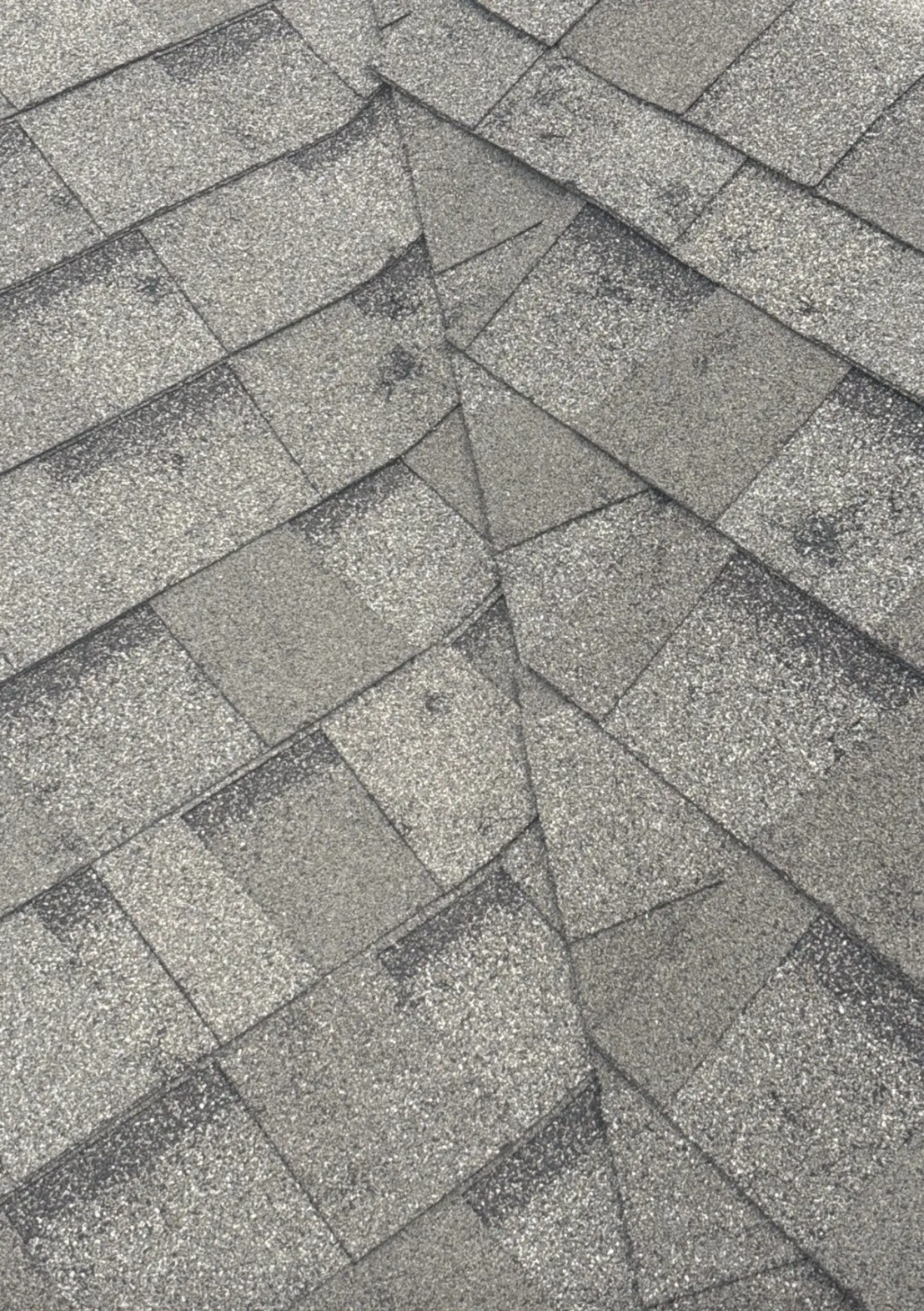
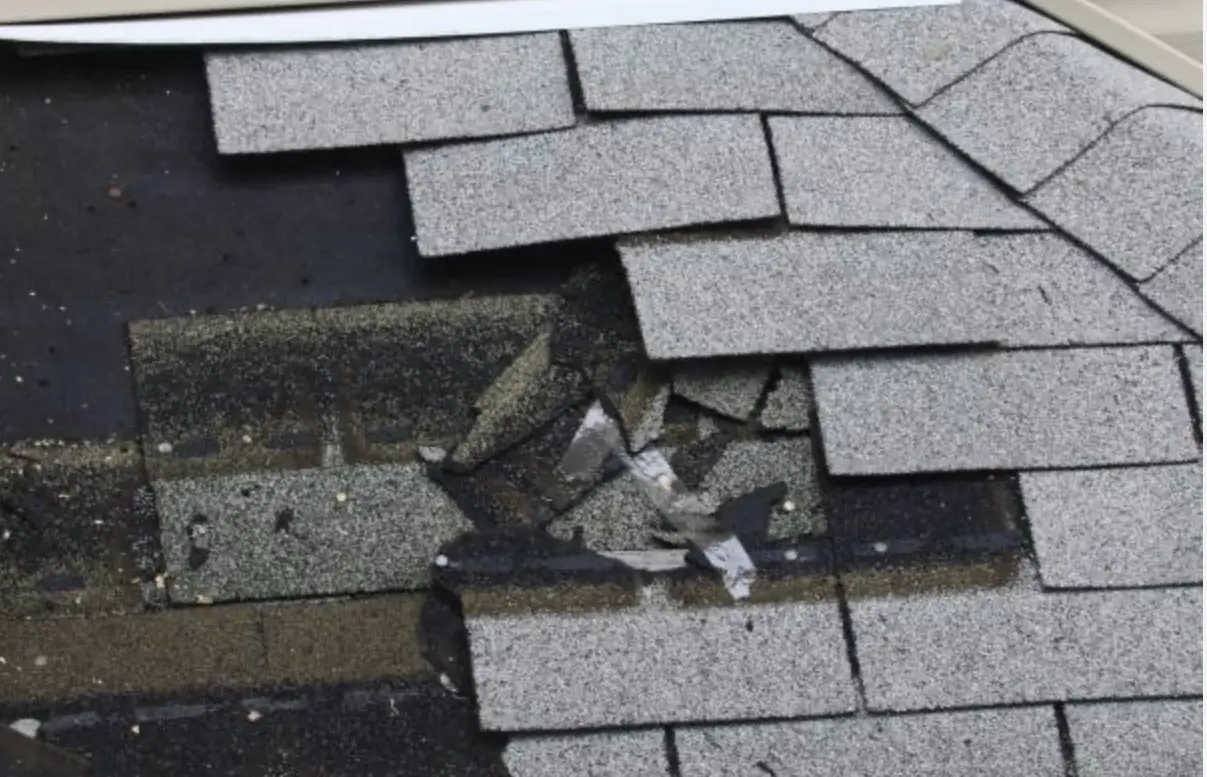
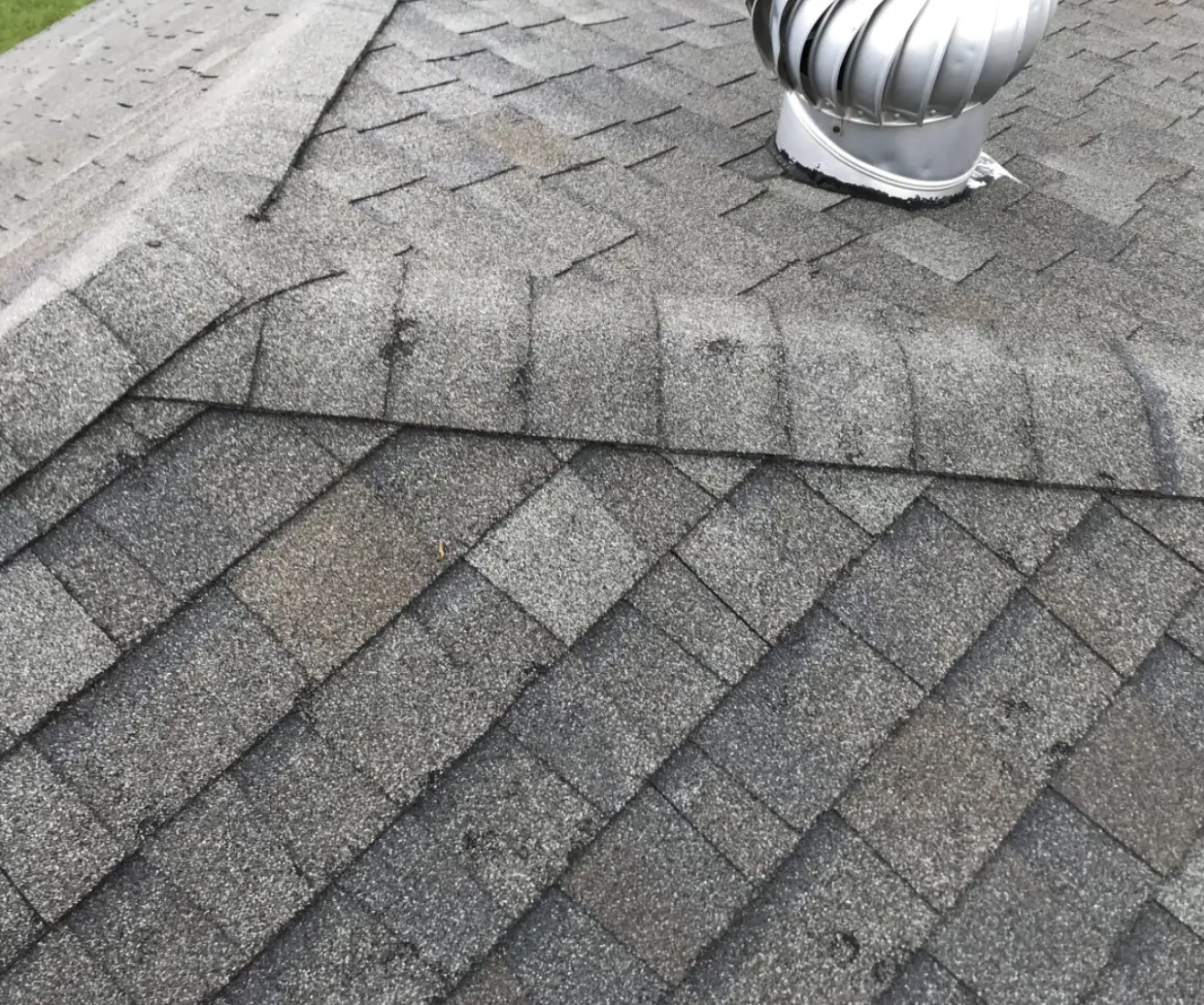
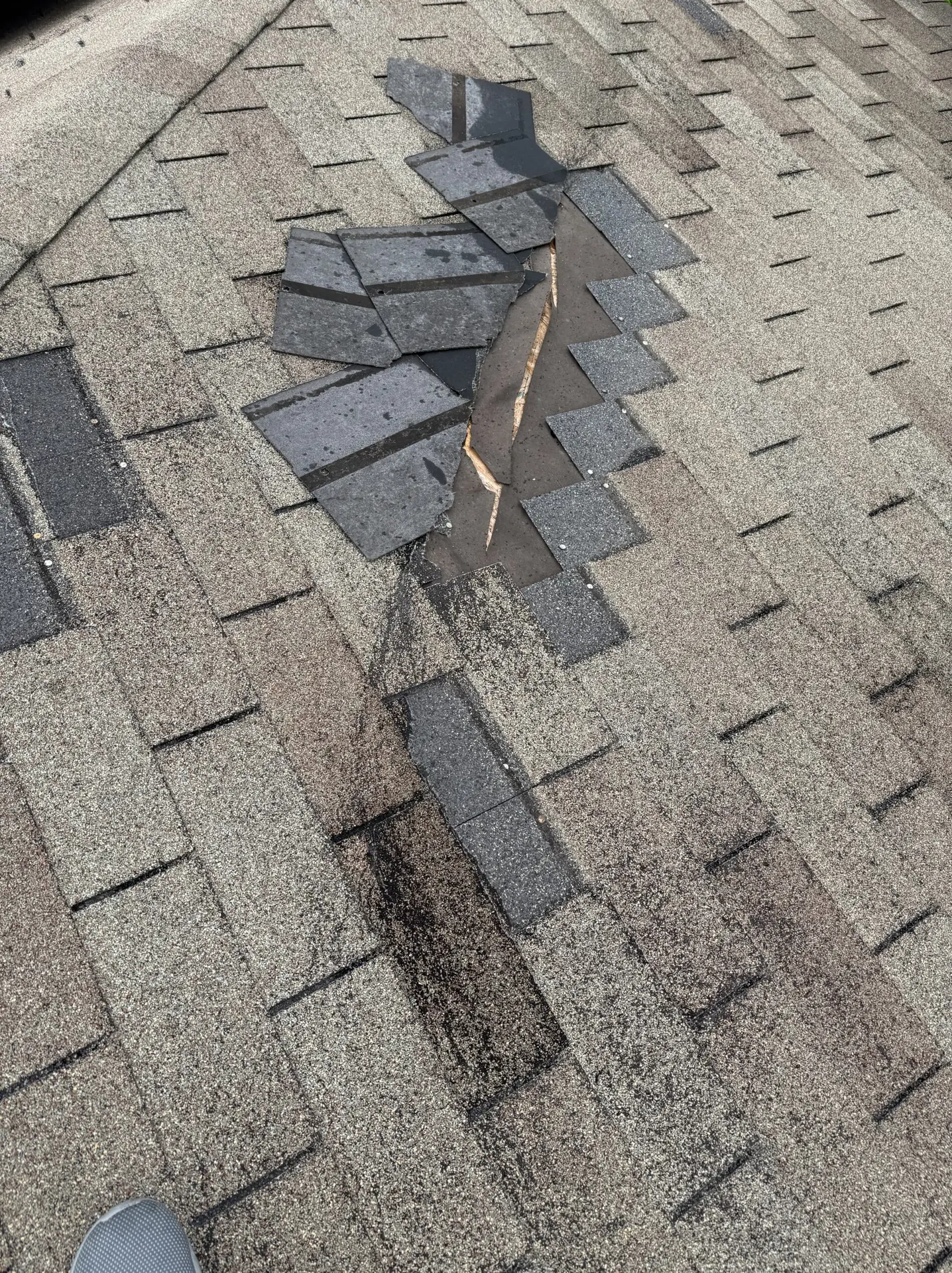
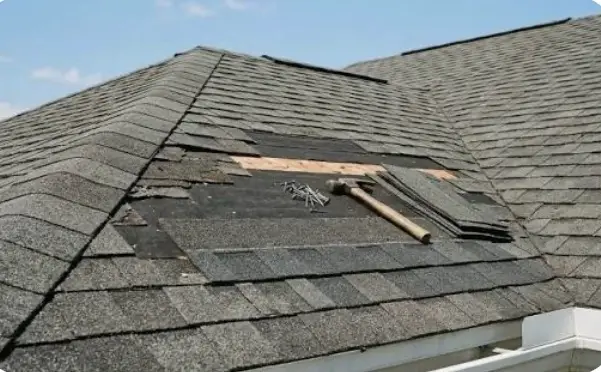
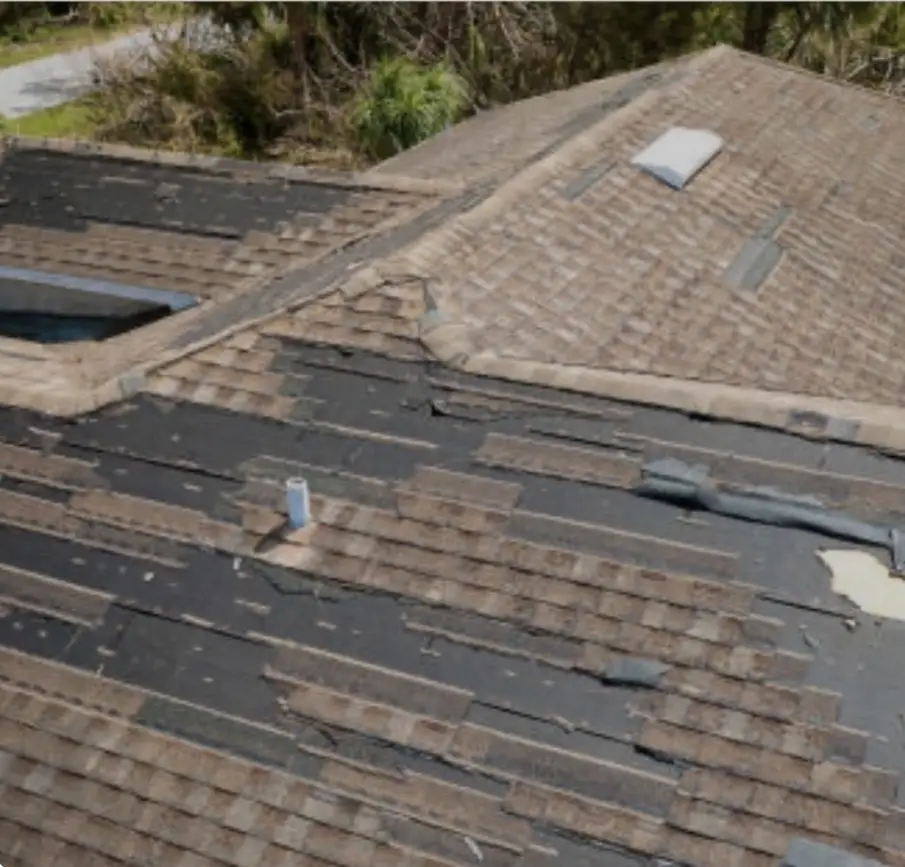
Strong winds can lift shingles, loosen fasteners, and damage the edges of a roof. Sometimes, shingles remain in place but no longer seal properly. This can leave gaps where rainwater may enter during the next storm.
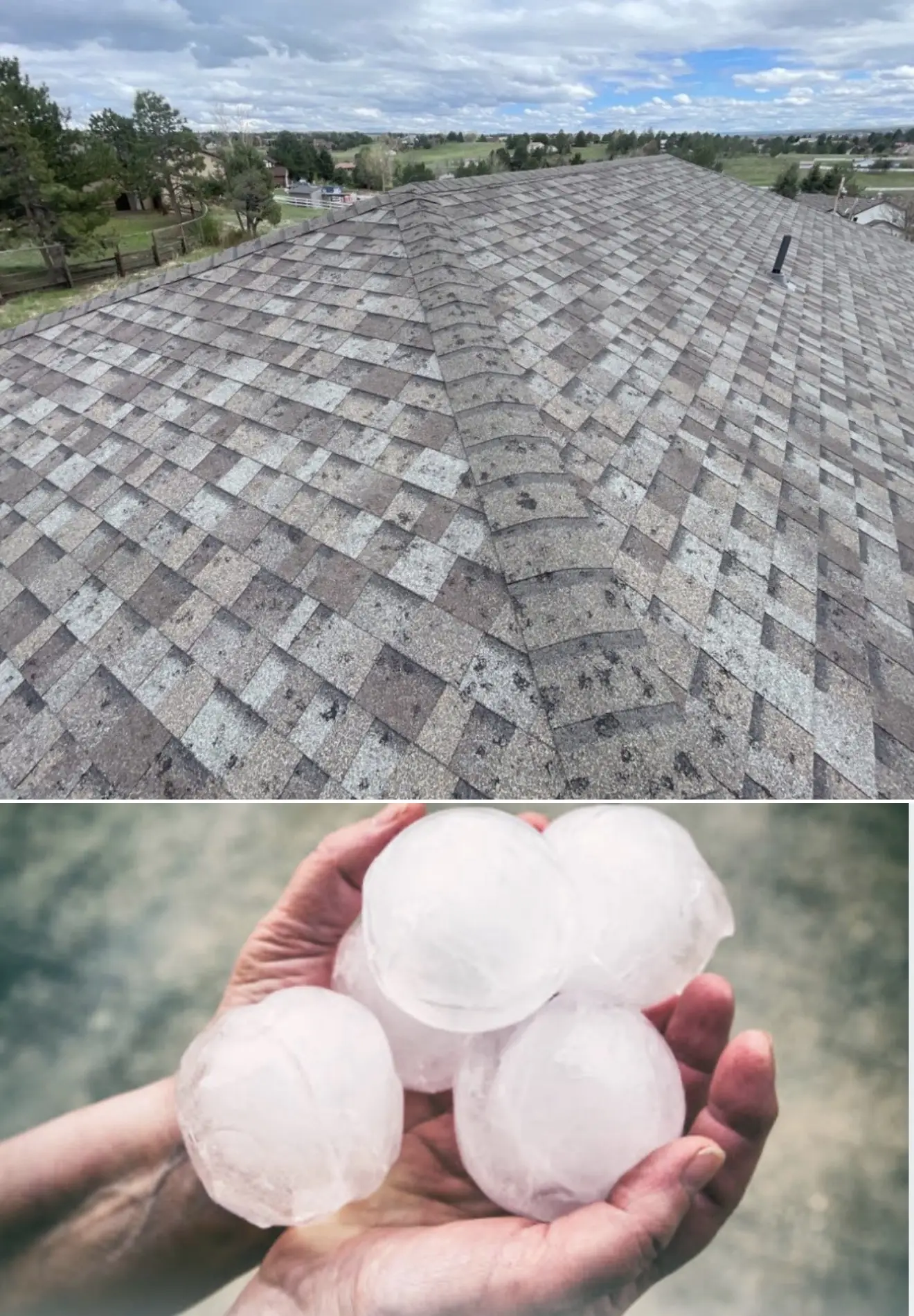
Hail Can Weaken Shingles
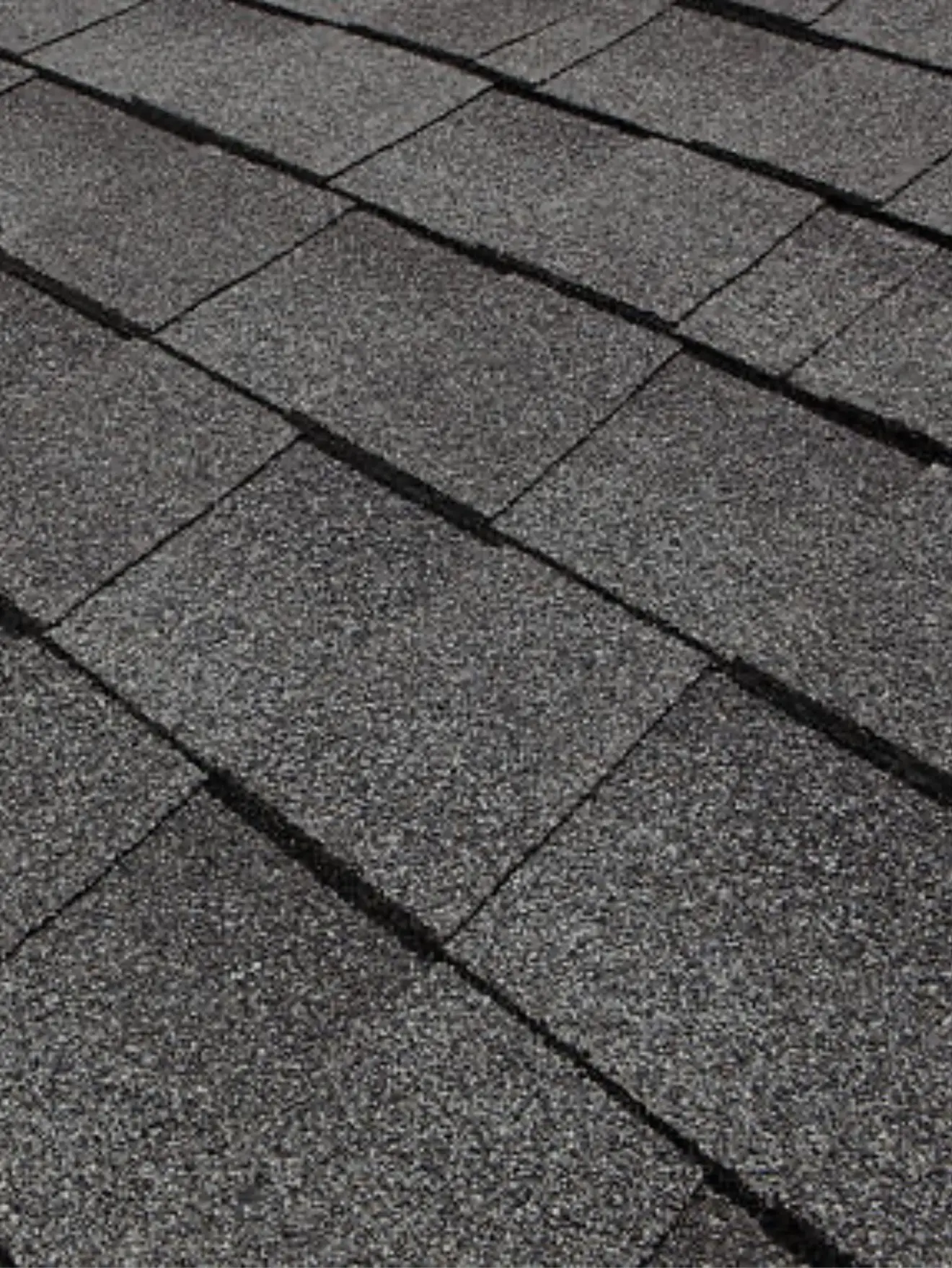
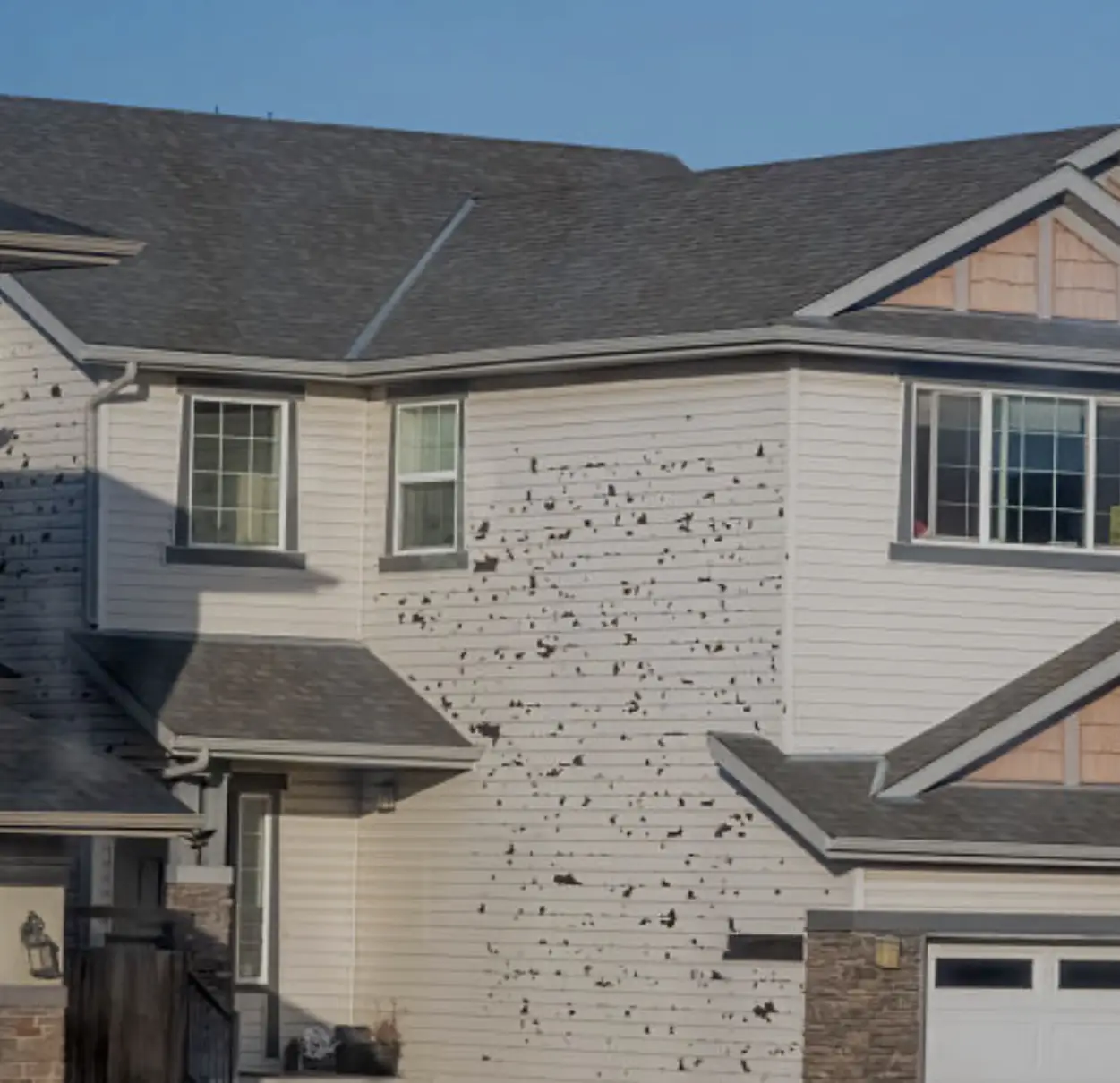
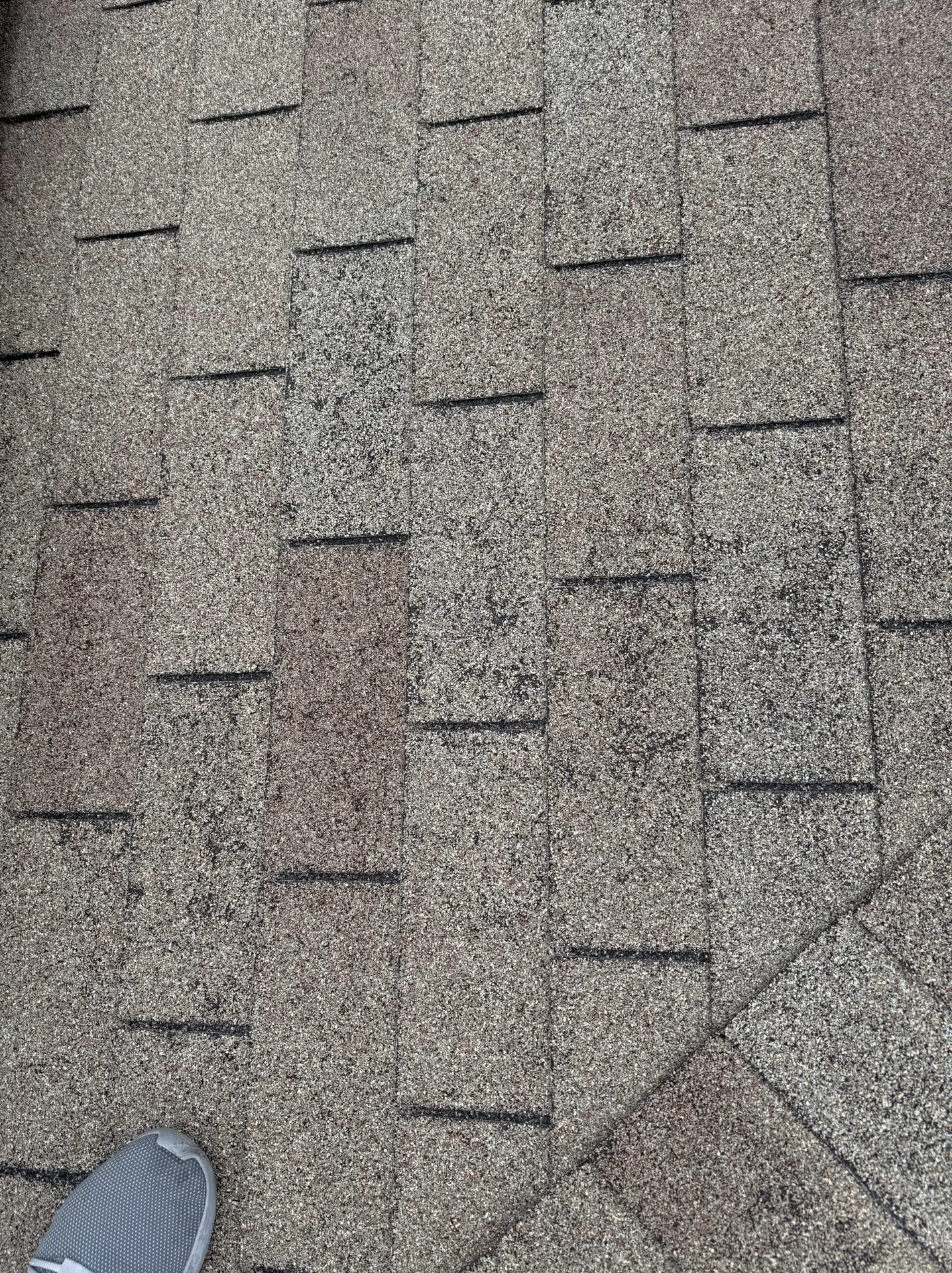
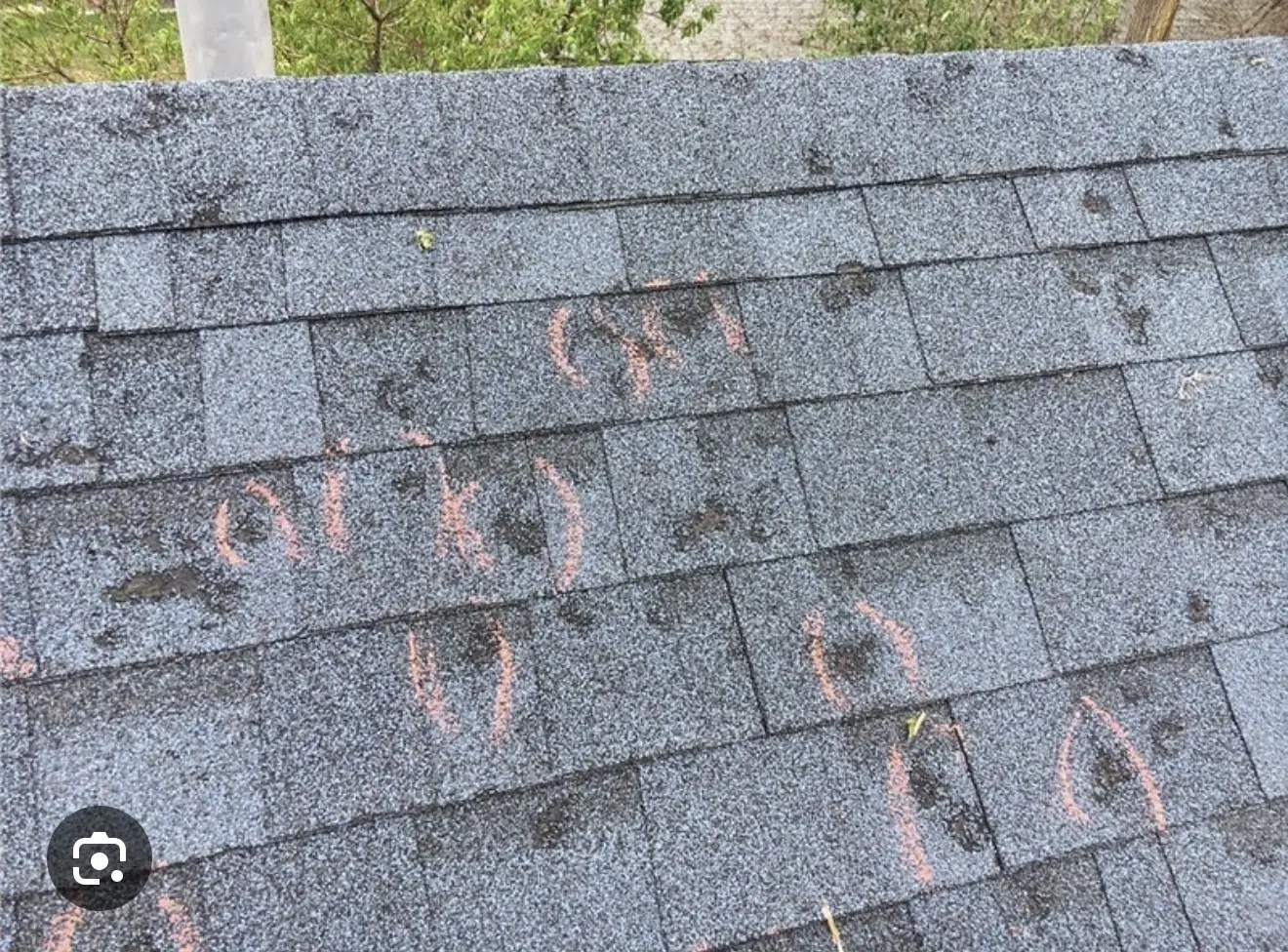
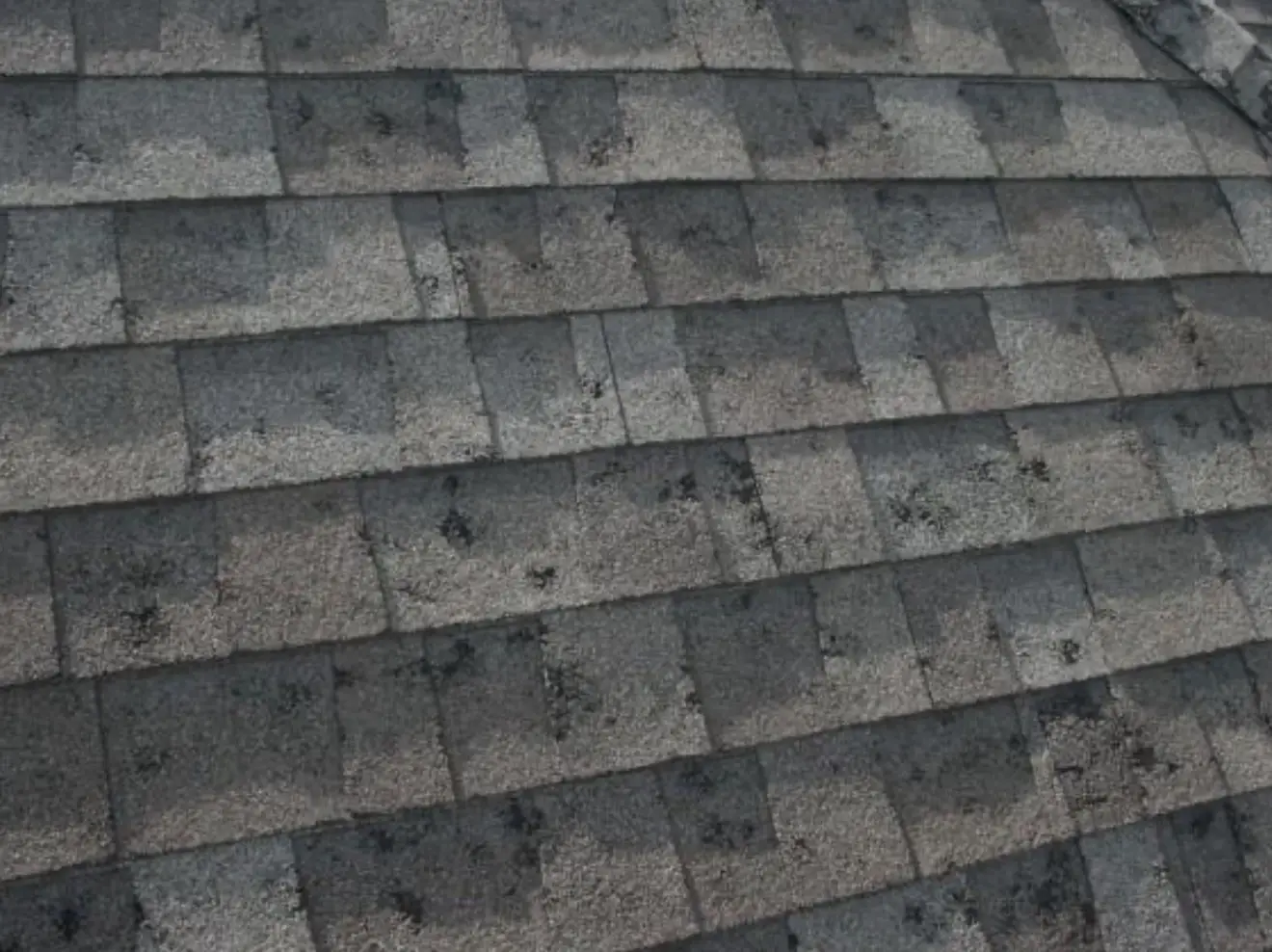
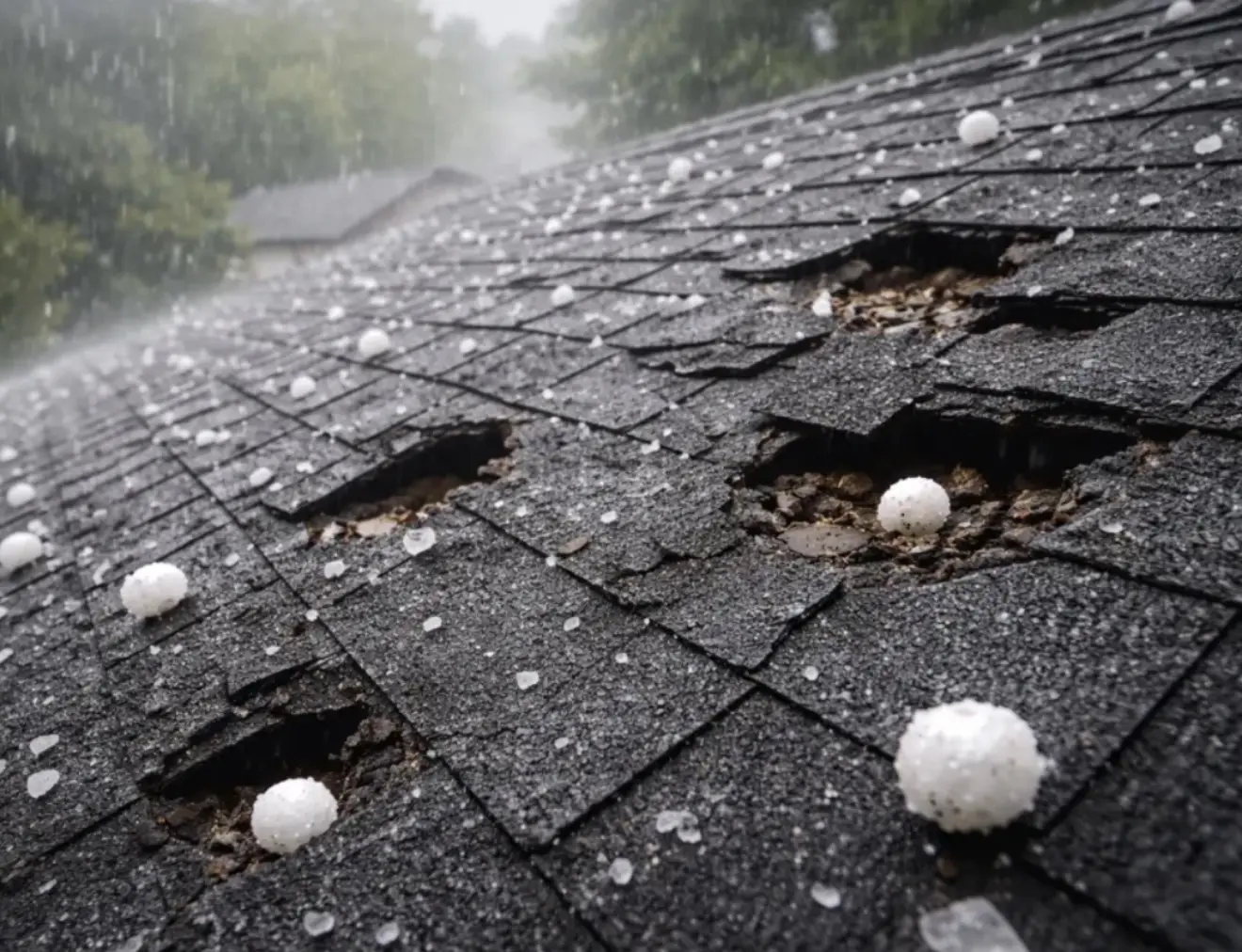
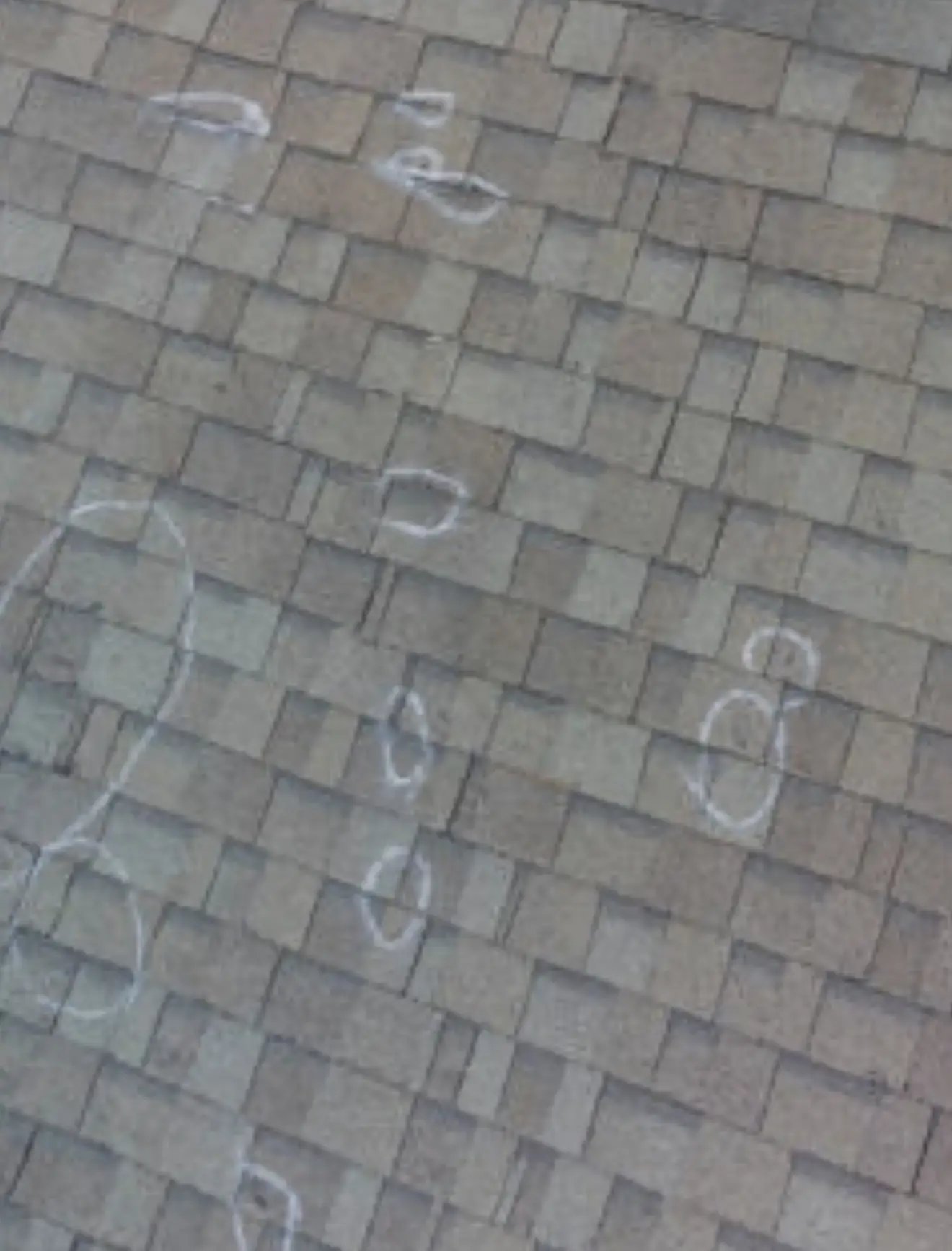
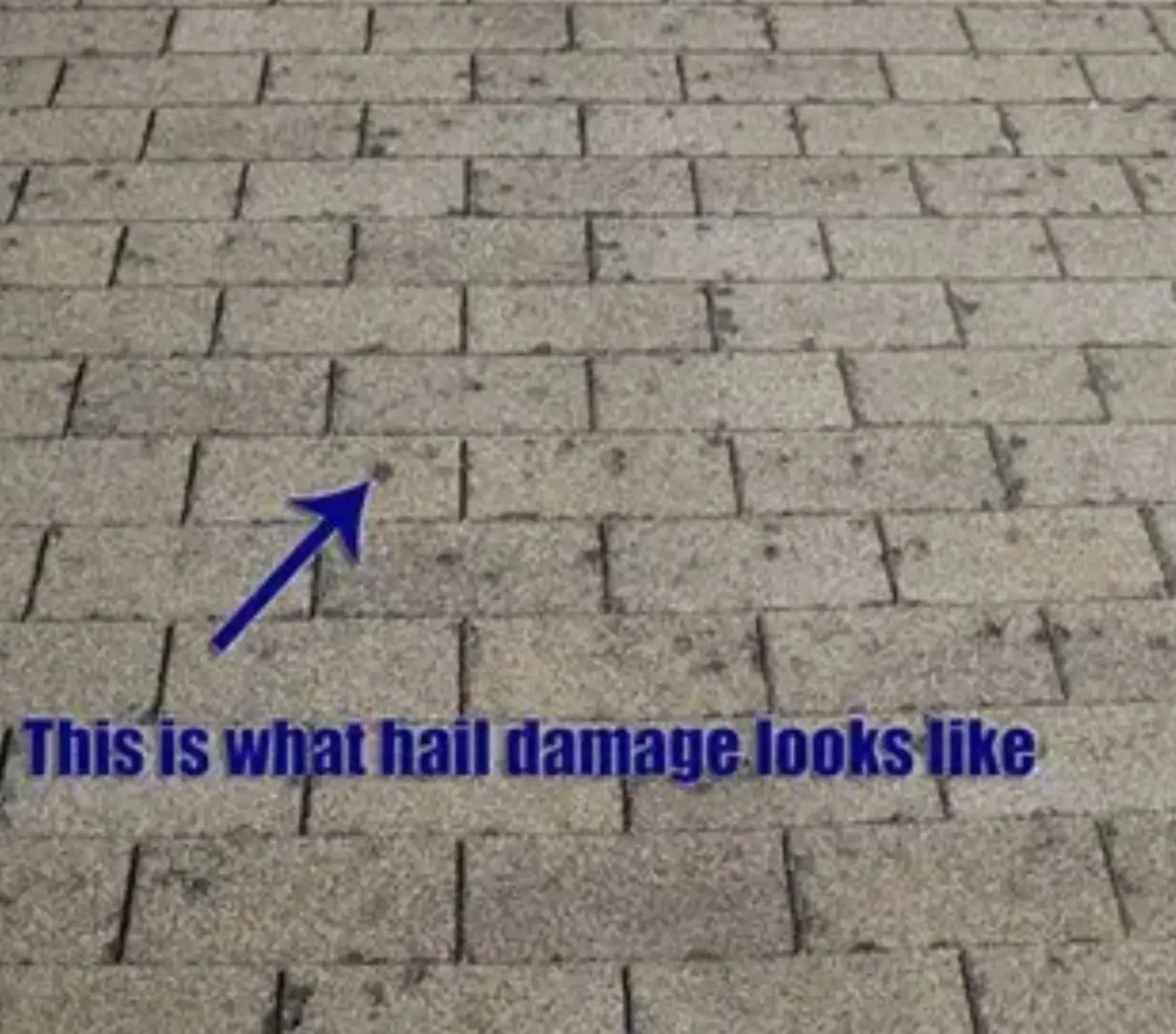
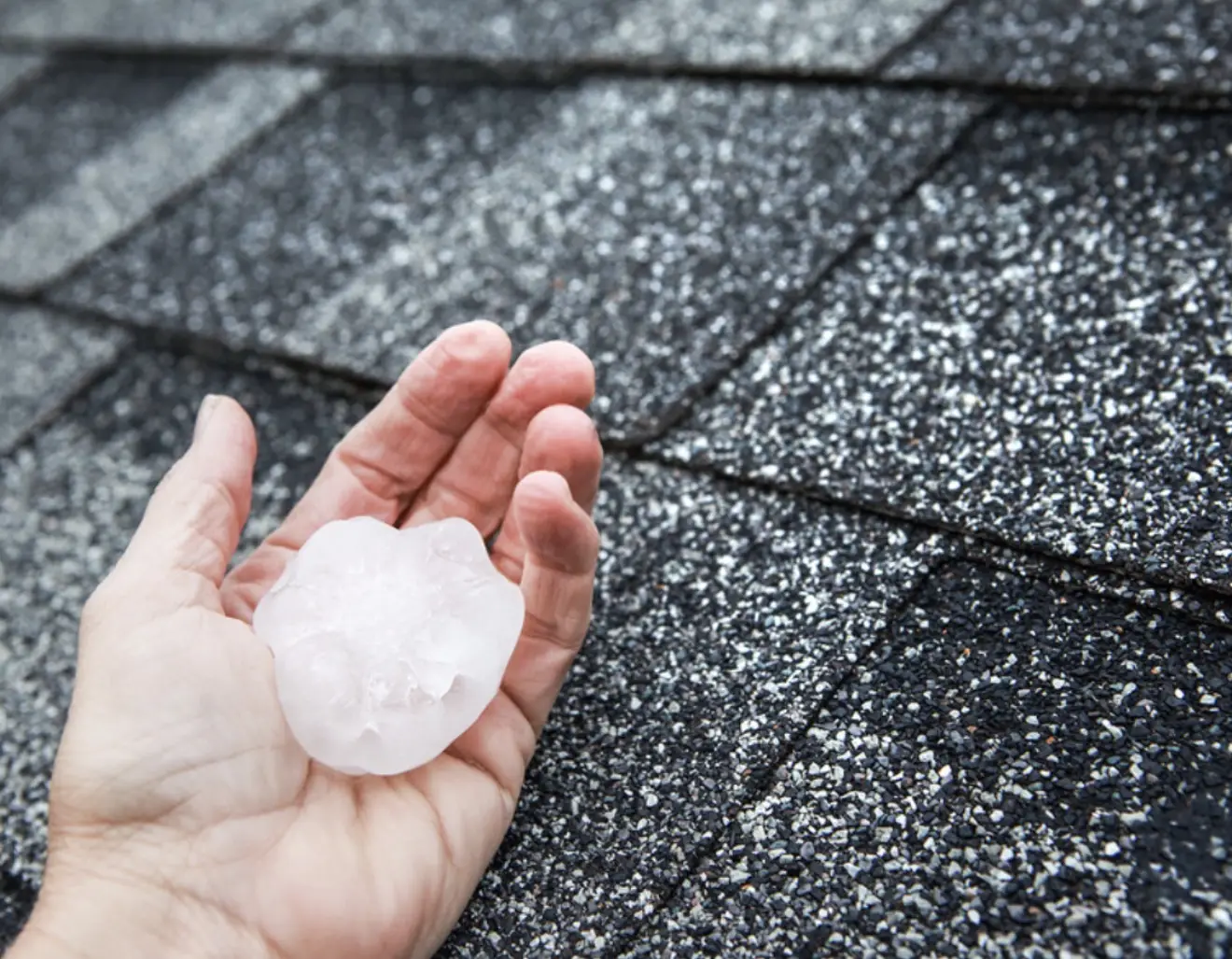
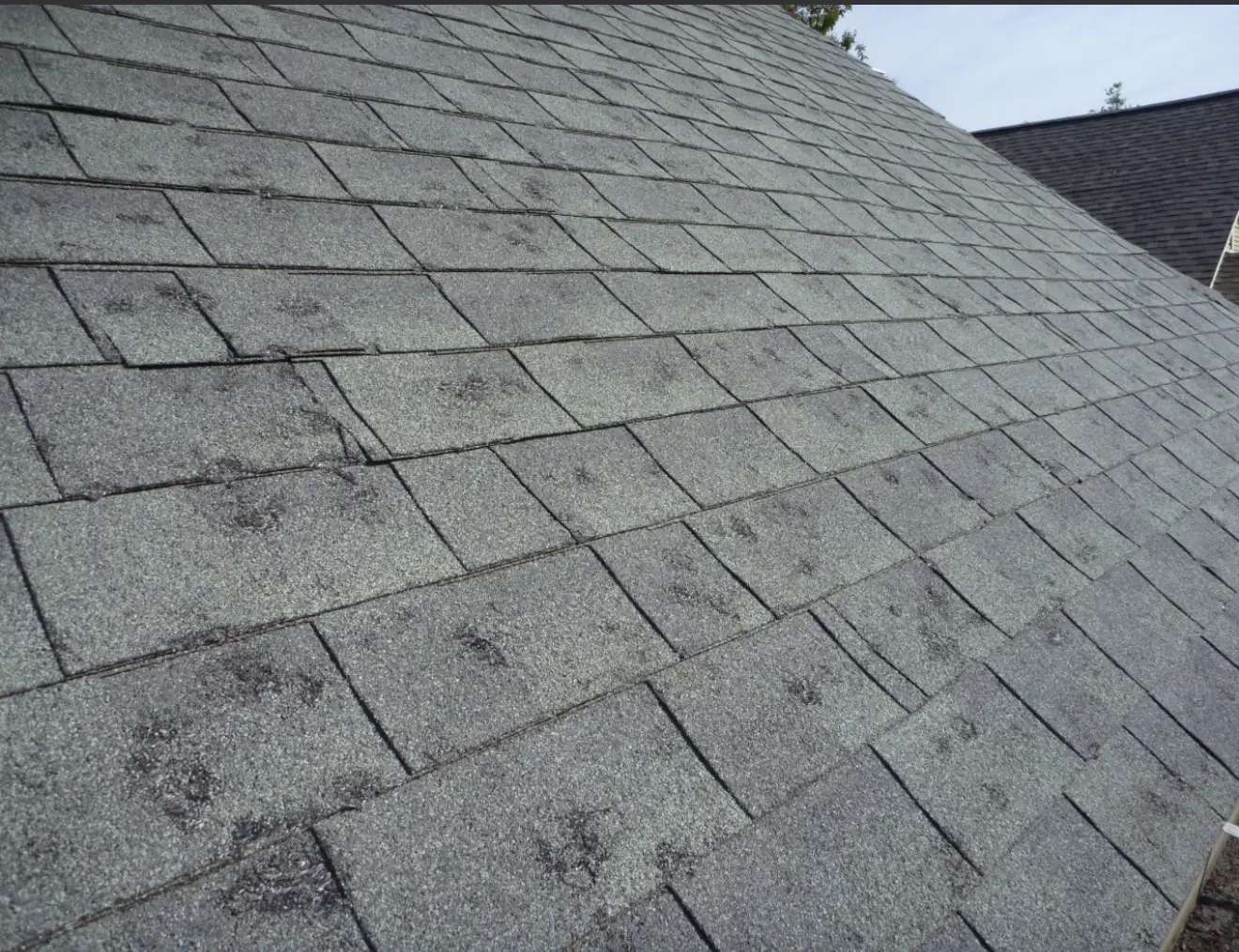
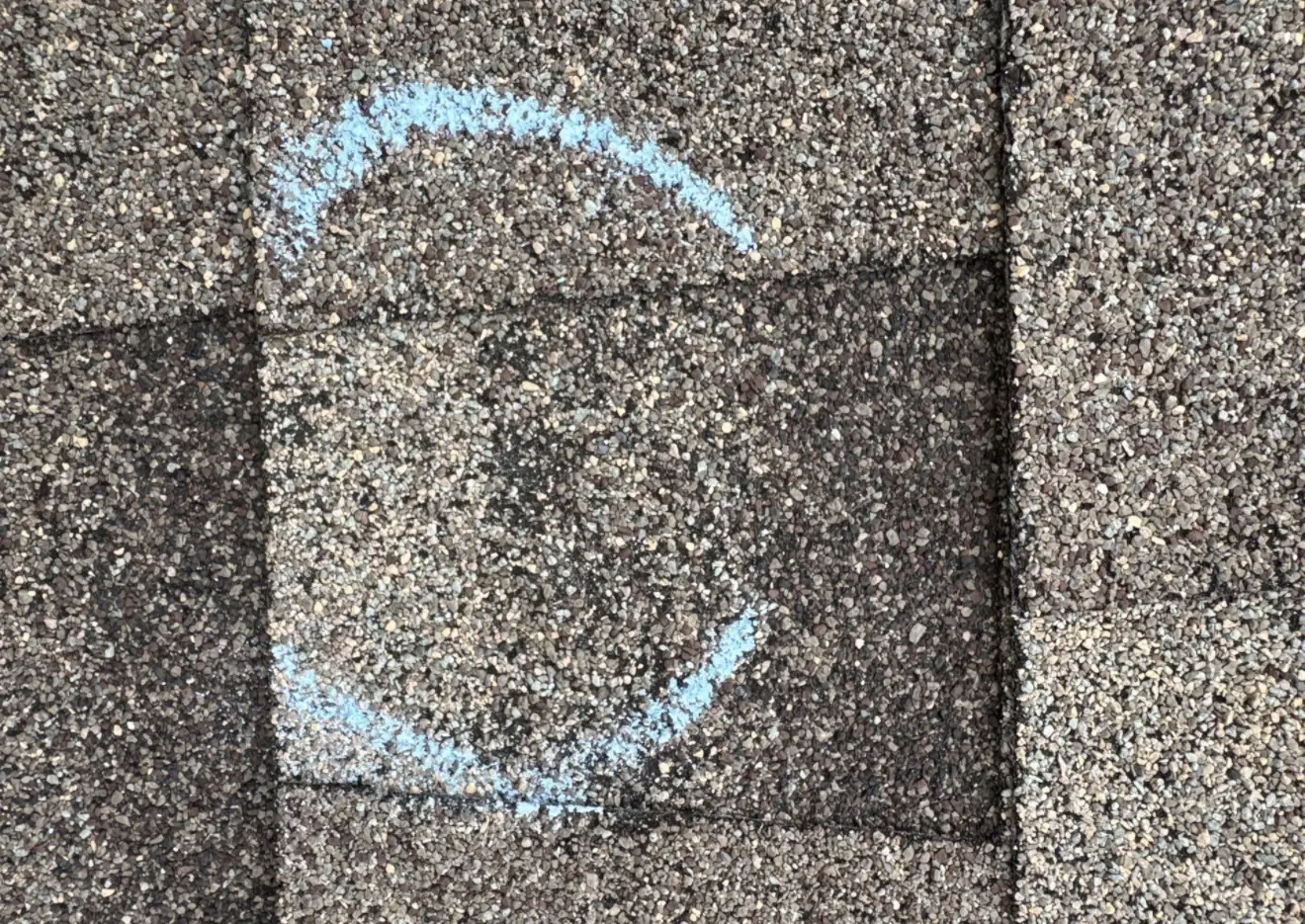
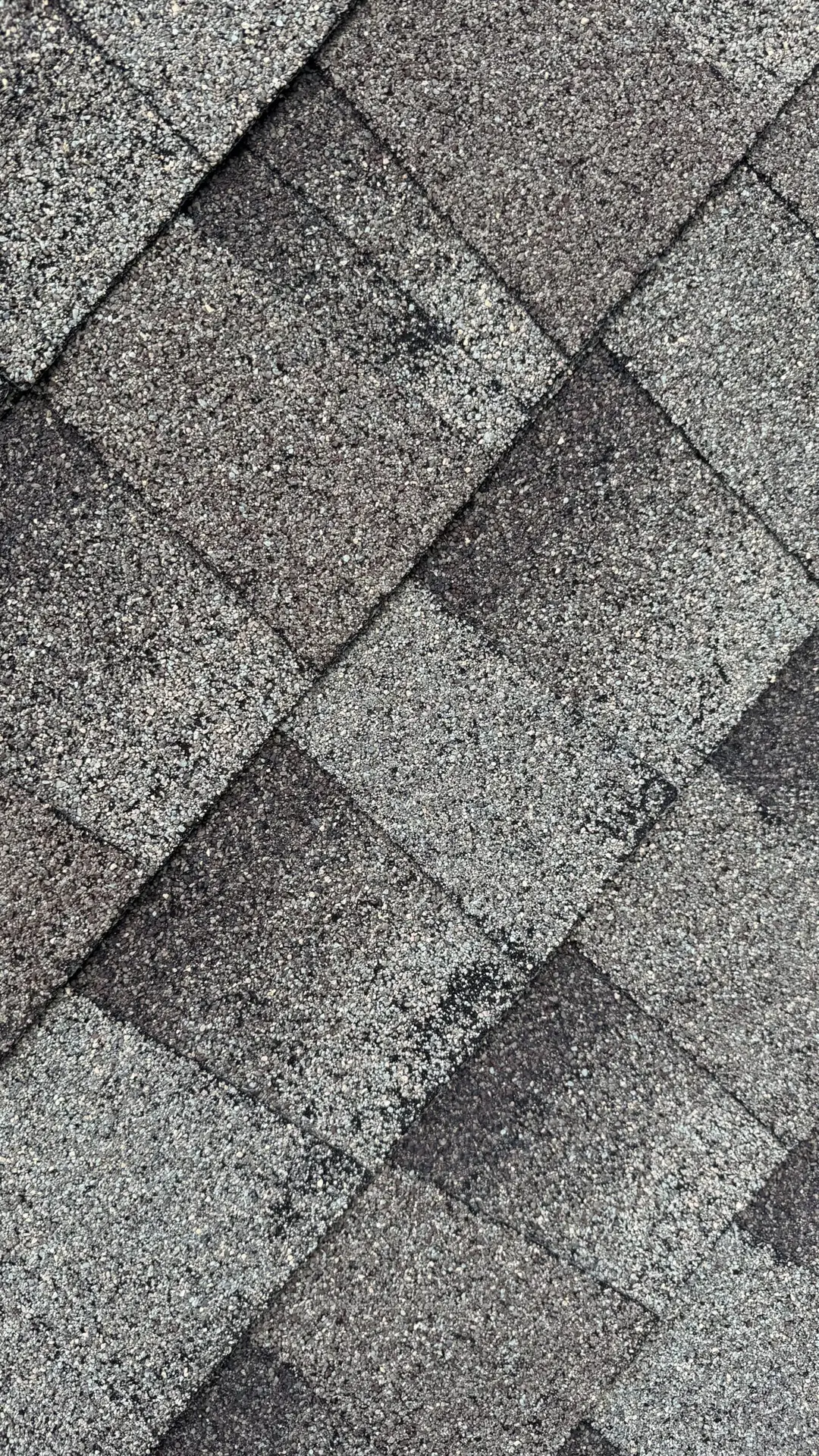
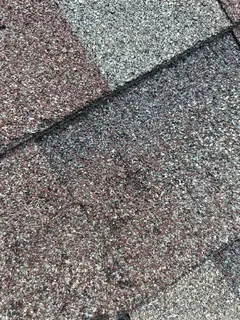
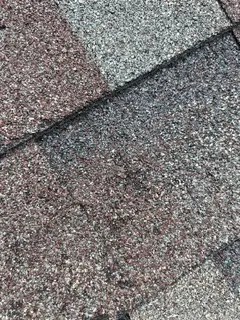
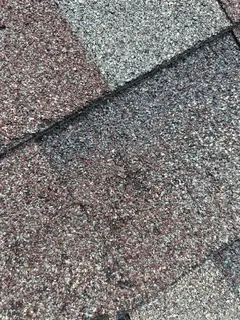
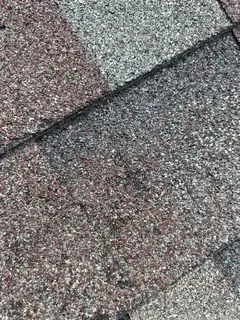
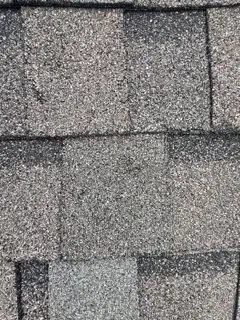
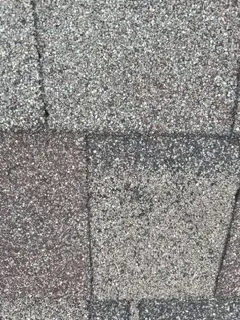
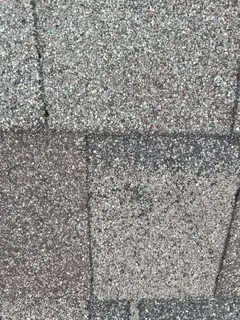
Hail may remove protective granules from asphalt shingles or leave dents on certain roofing materials. The damage may not be easy to spot from the ground. A closer inspection can help determine whether the roof needs repairs.
Heavy Rain Can Reveal Weak Spots
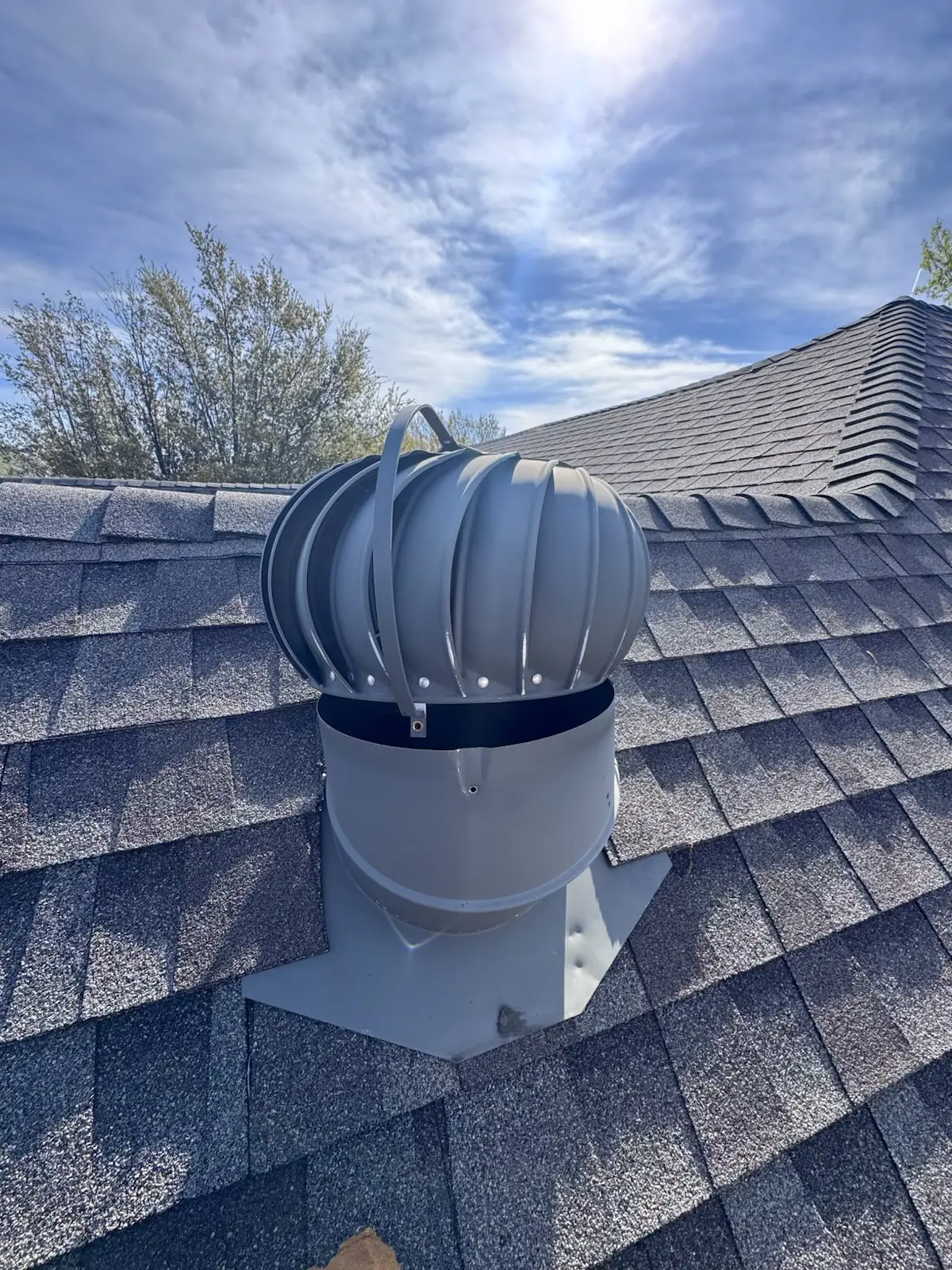
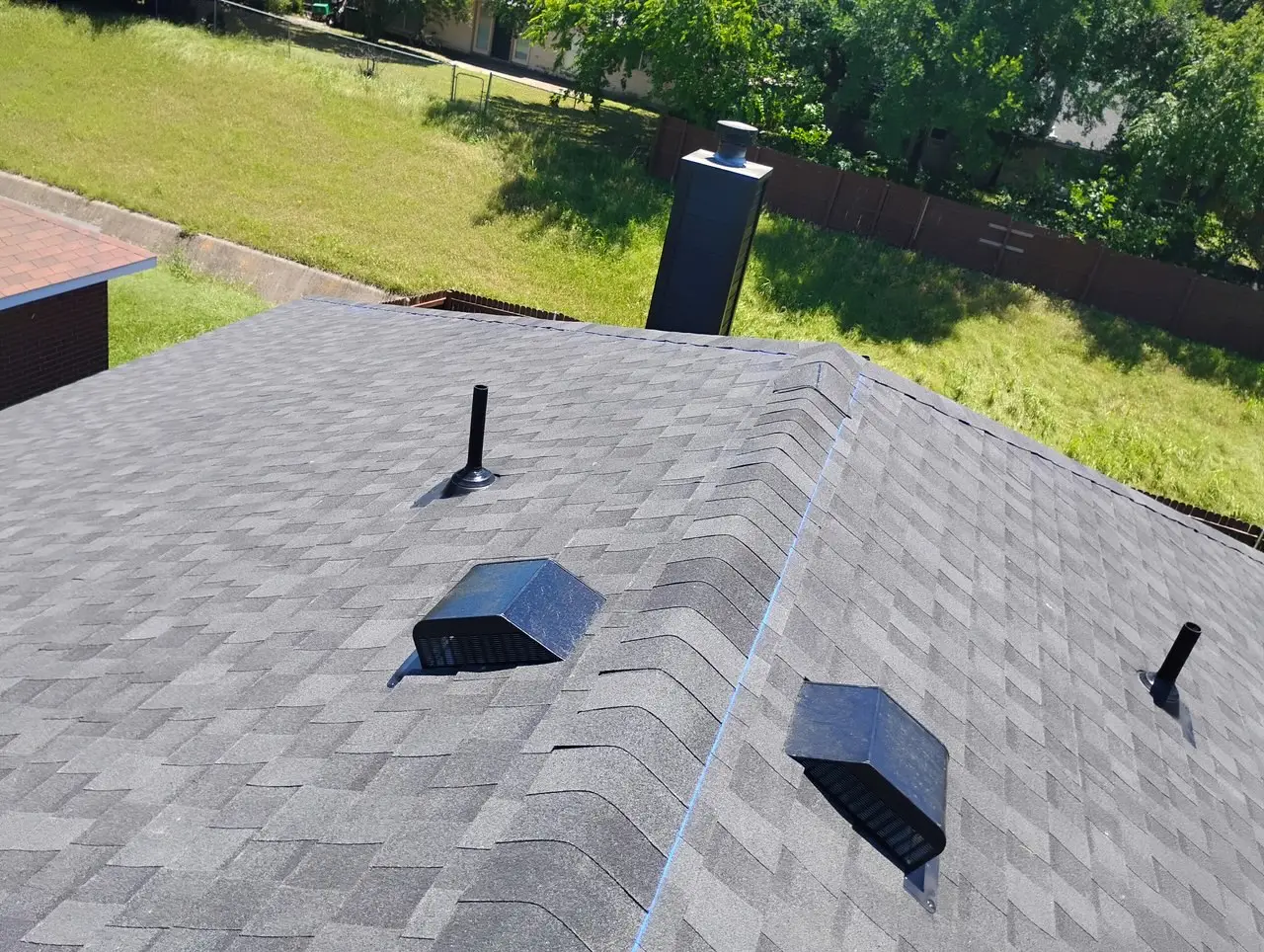
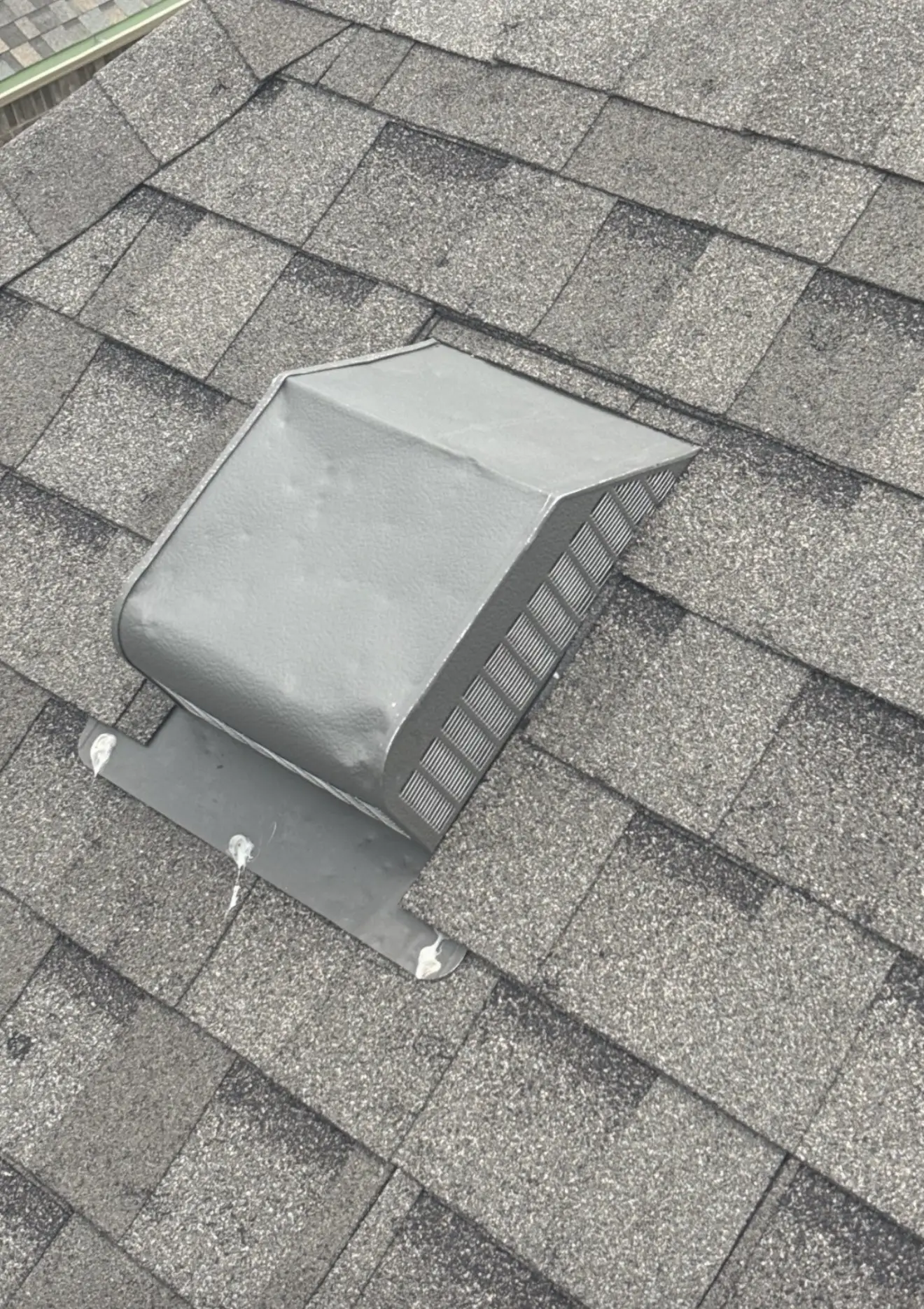
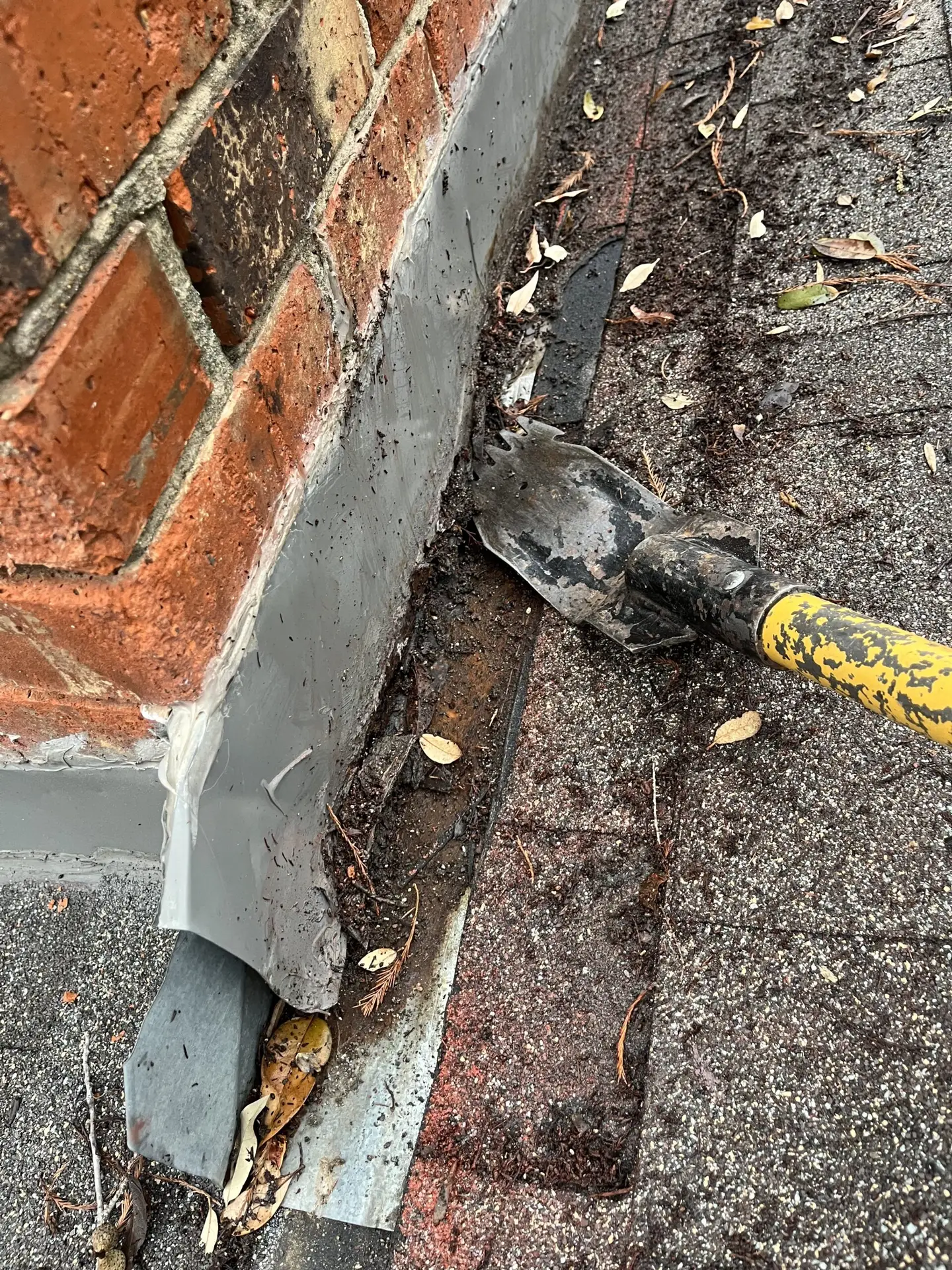
Heavy rainfall can expose problems around vents, flashing, roof valleys, and other joints. Water may enter through one area and travel beneath the roofing materials before reaching a ceiling or wall.
Understanding these risks can help homeowners explain what happened and what they noticed when speaking with a roofing contractor.
Watch for Changes Inside Your Home
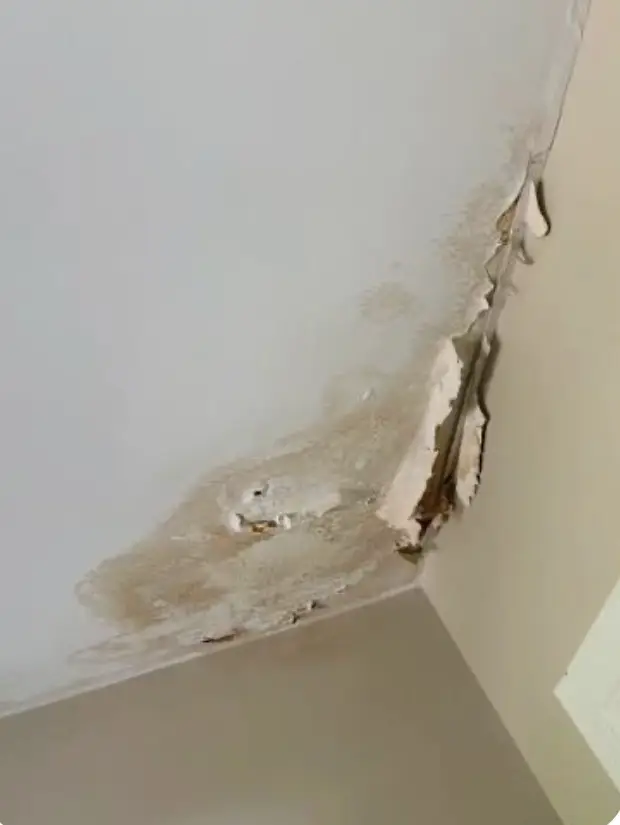
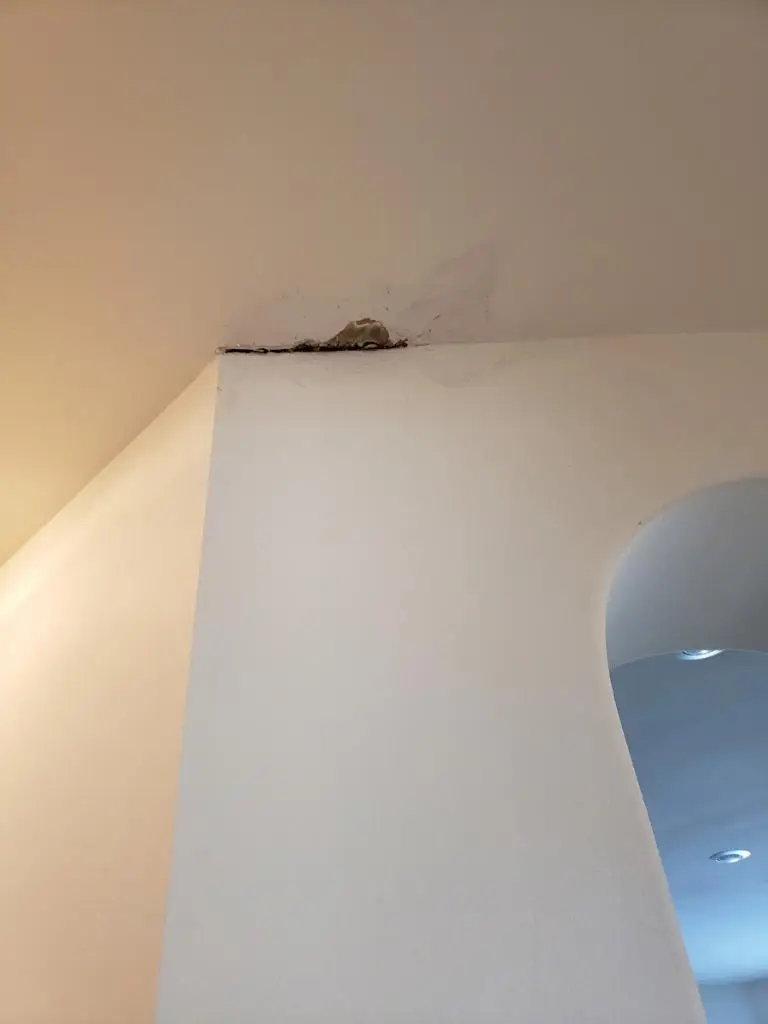
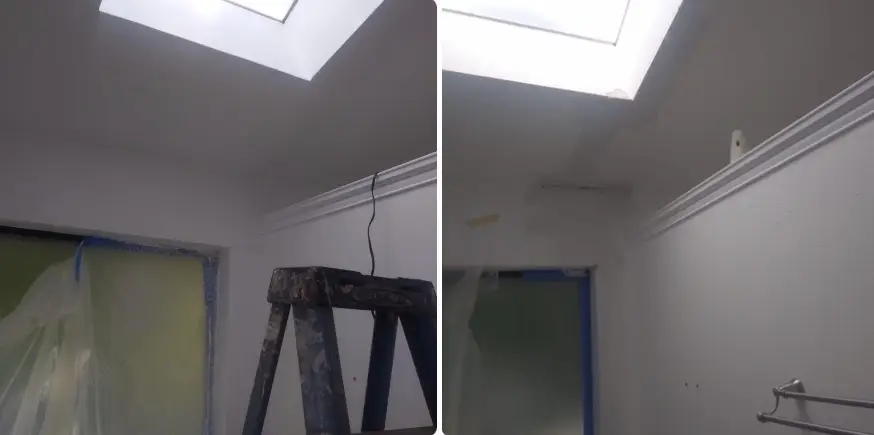
Sometimes, the first sign of roof damage appears indoors rather than outside. Water can travel beneath roofing materials and enter the home far from the original opening. Look for ceiling stains, peeling paint, damp drywall, or a musty smell after a storm. These signs may indicate the need for storm damage roof repair that Dallas homeowners can arrange after a professional inspection.
If you find a leak, move furniture and valuables away from the affected area when it is safe. Use a container to catch small drips if possible. Avoid touching wet electrical fixtures or standing beneath a ceiling that looks swollen or unstable.
Do not assume a leak is minor just because the water flow is slow. Moisture can spread into insulation and other building materials. A professional inspection can help locate the source and determine what needs repair.
Find Out Which Repairs Your Roof Needs
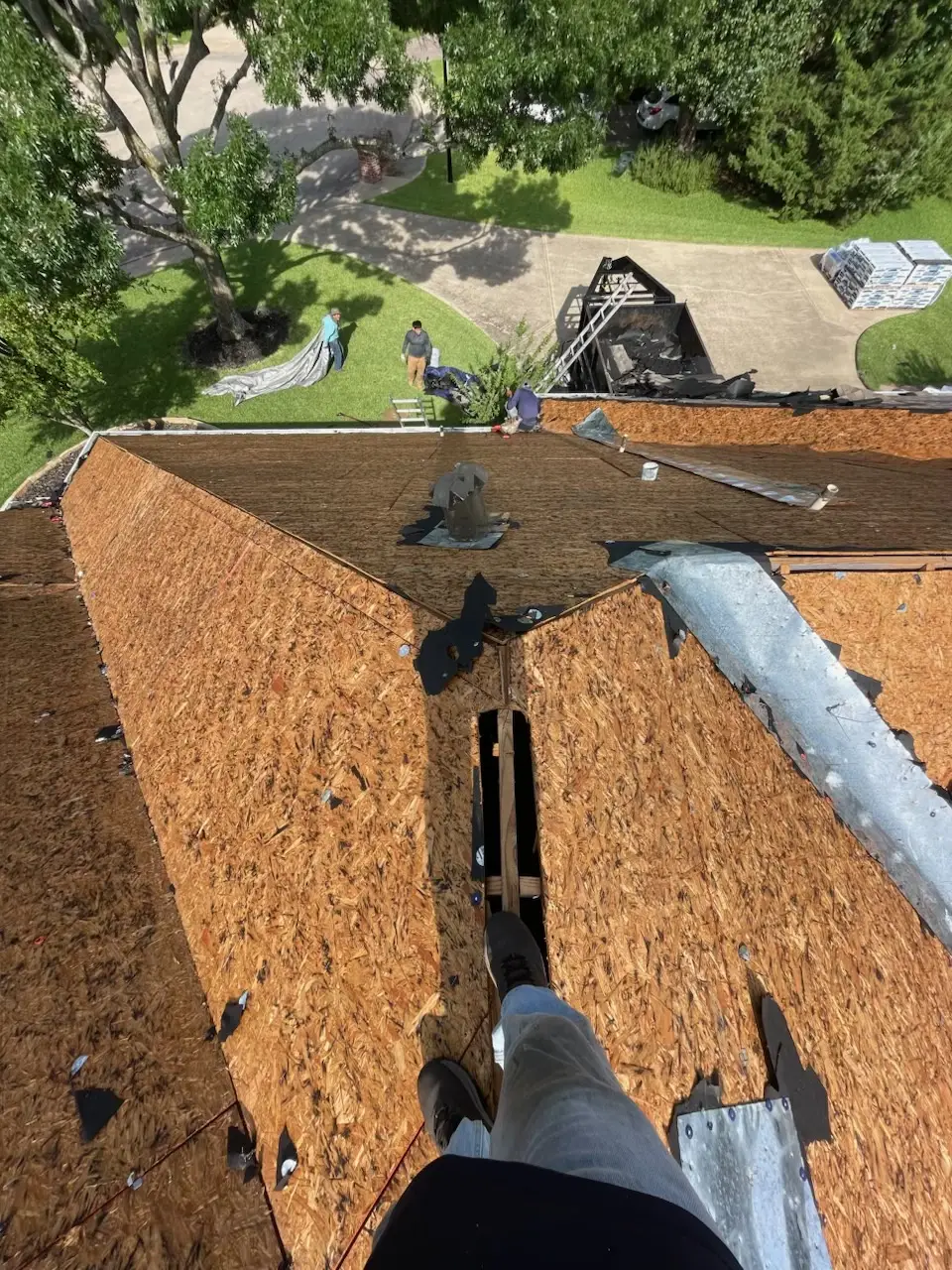
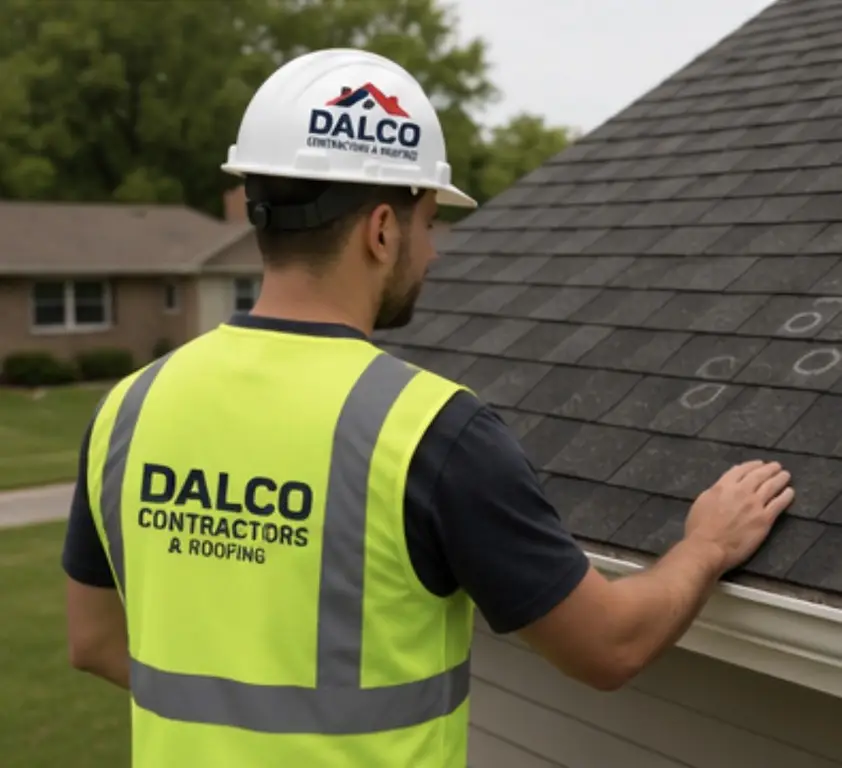
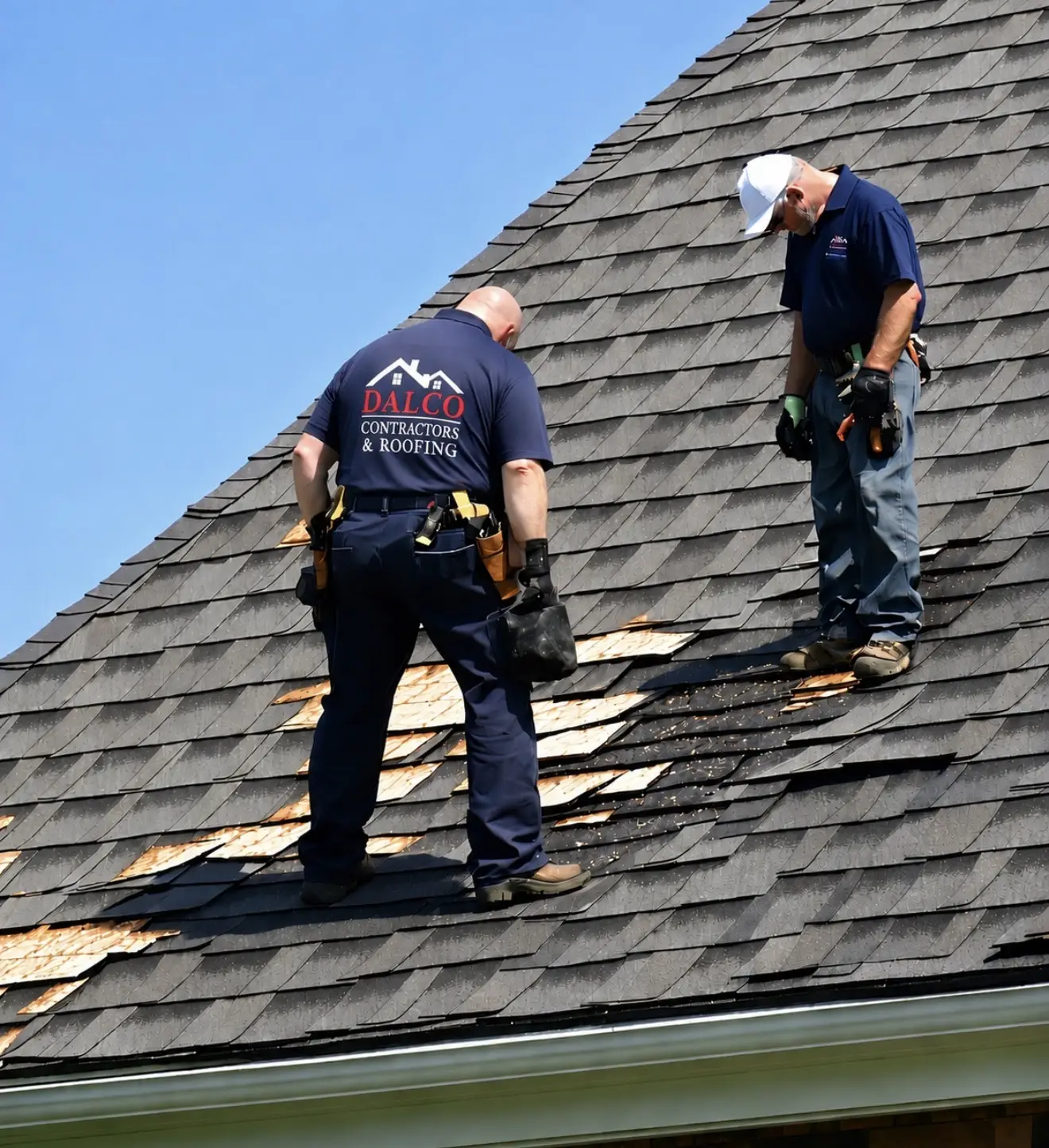
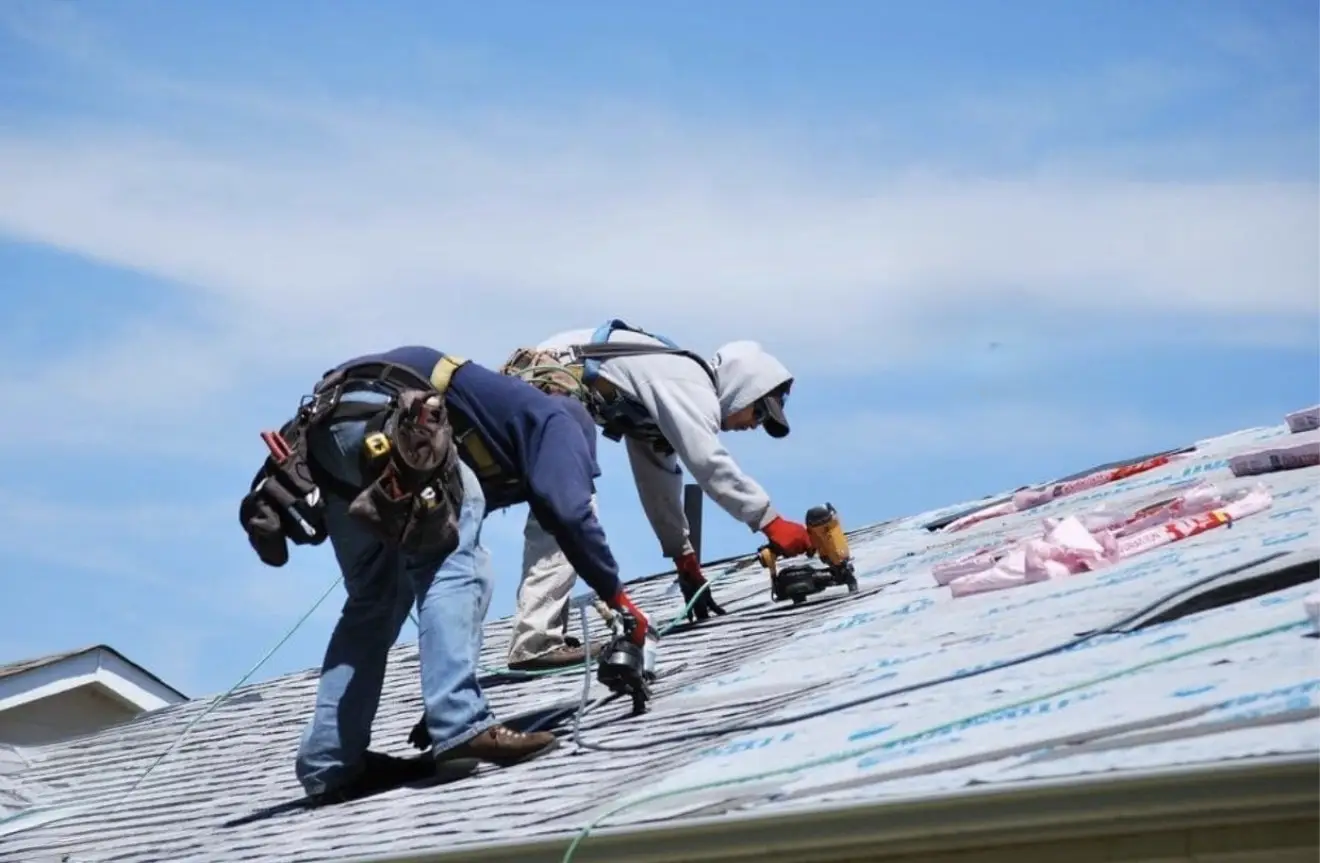
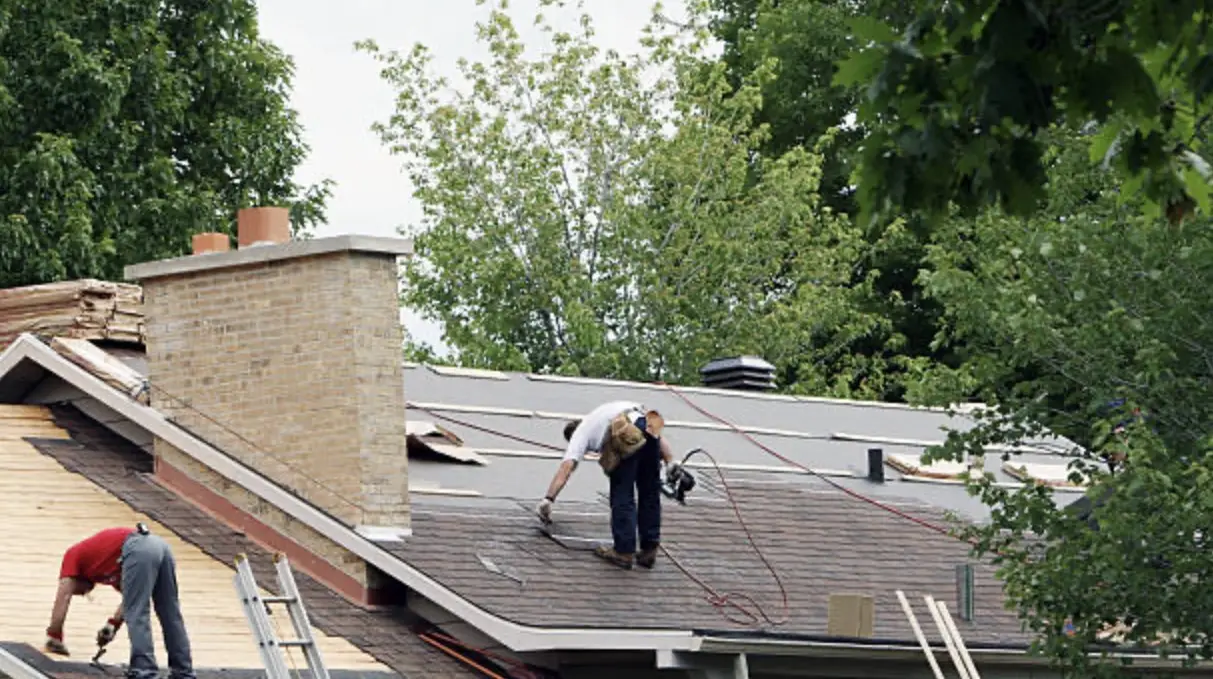
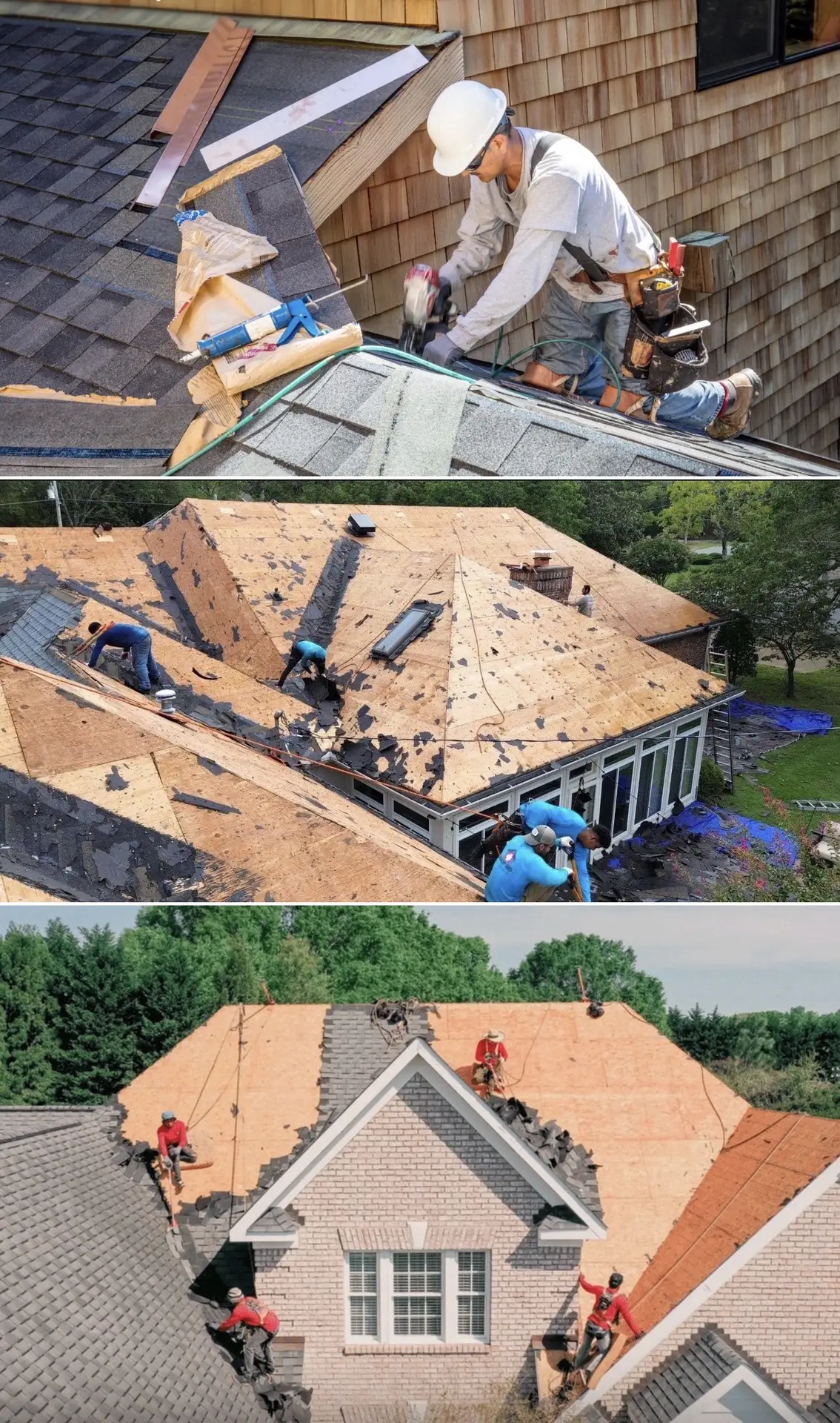
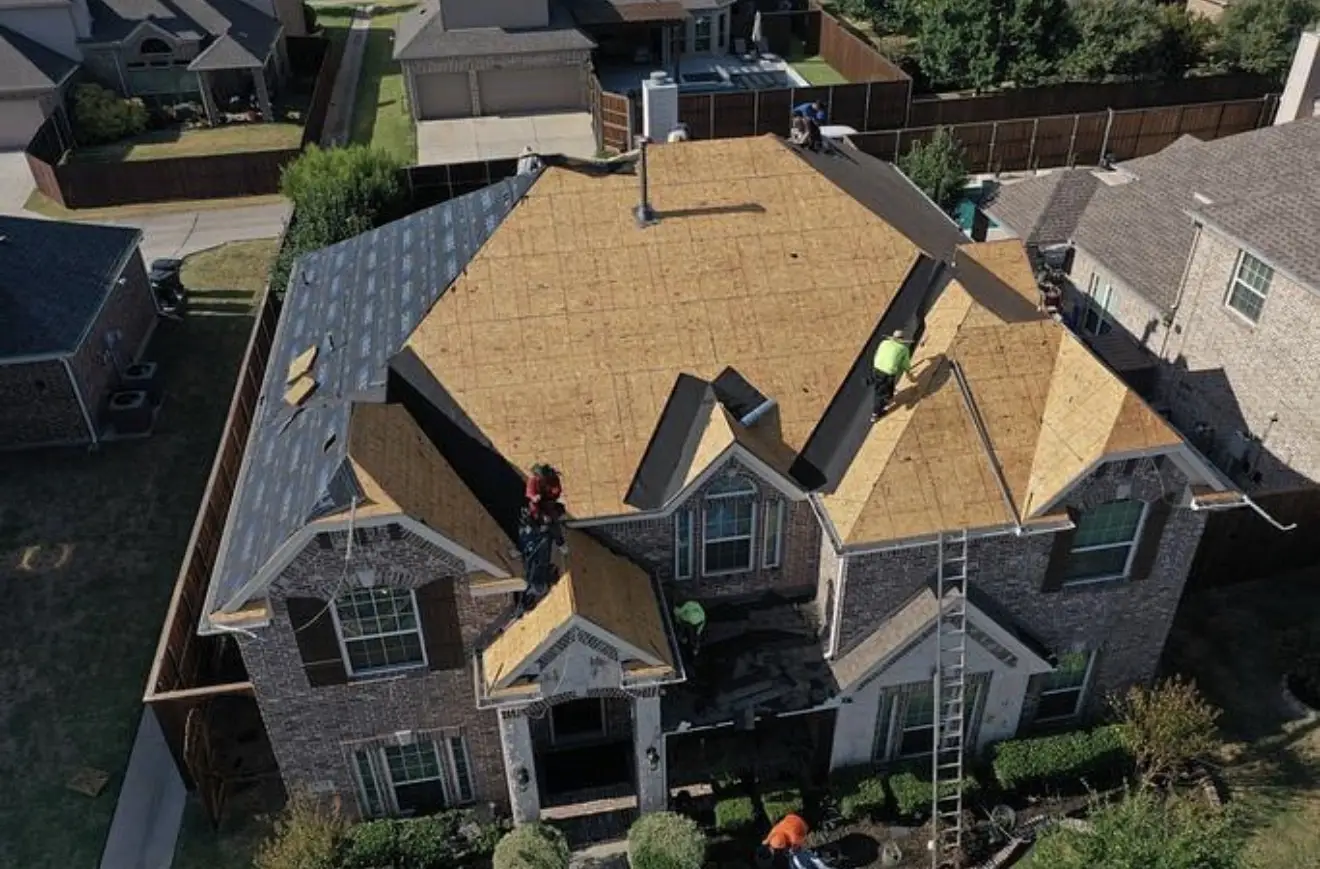
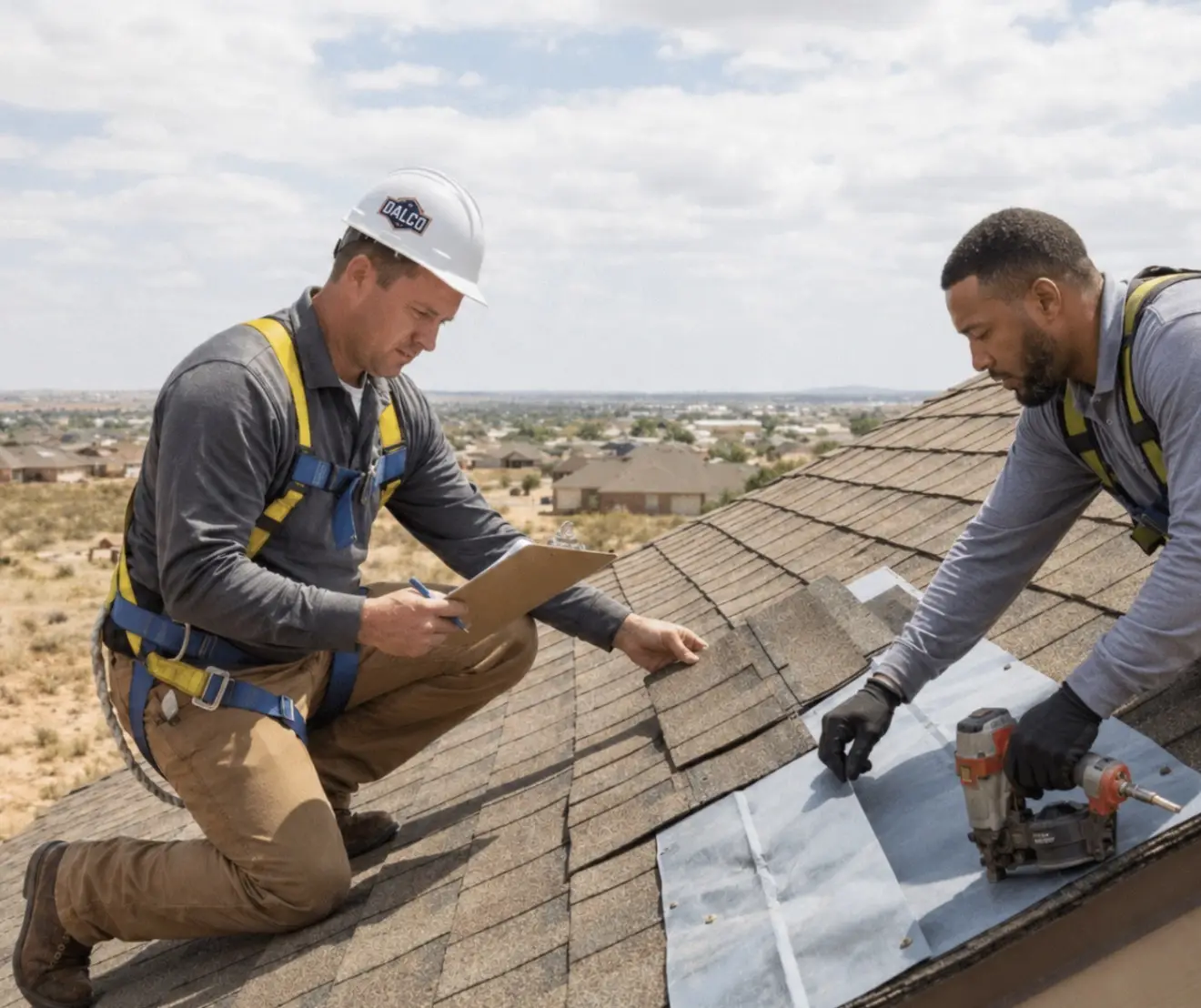
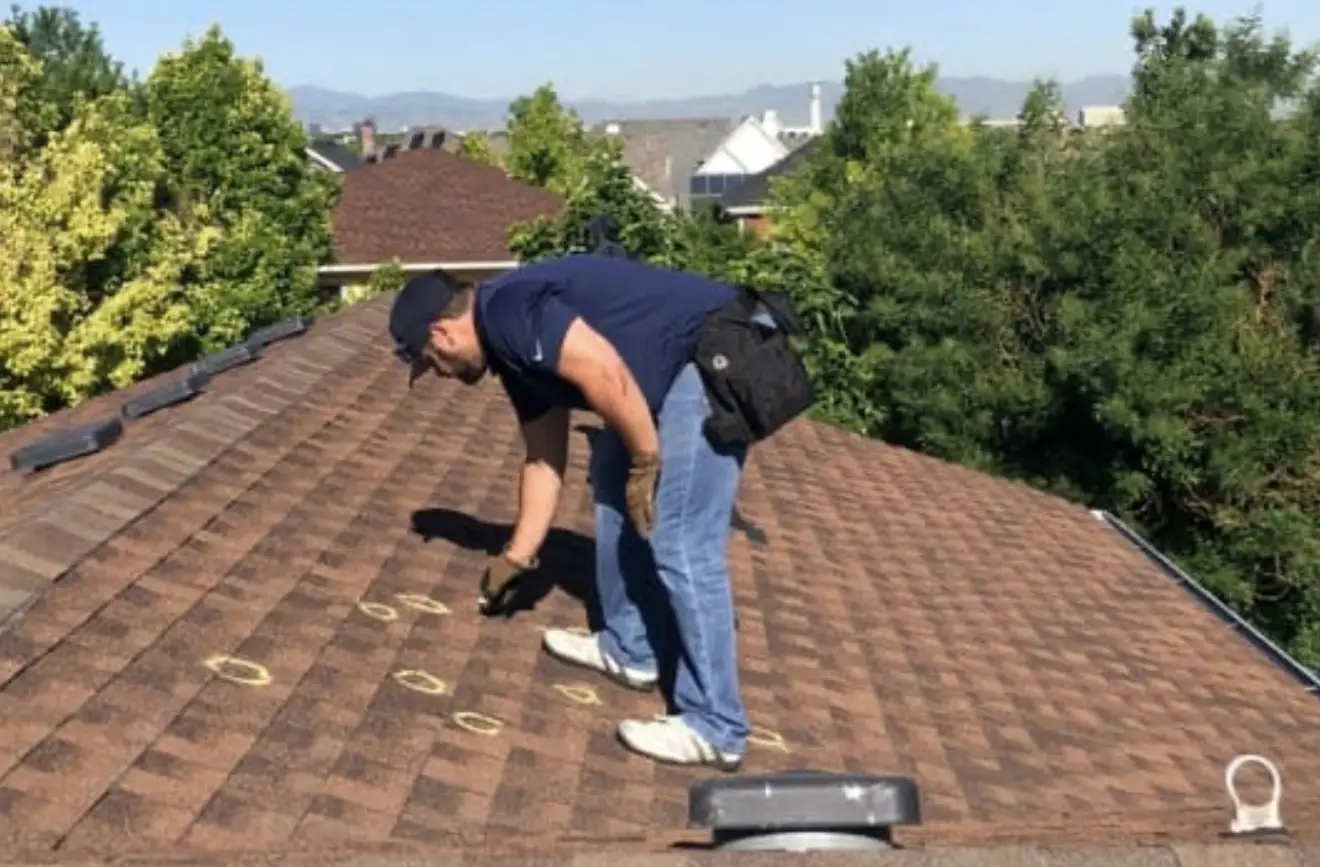
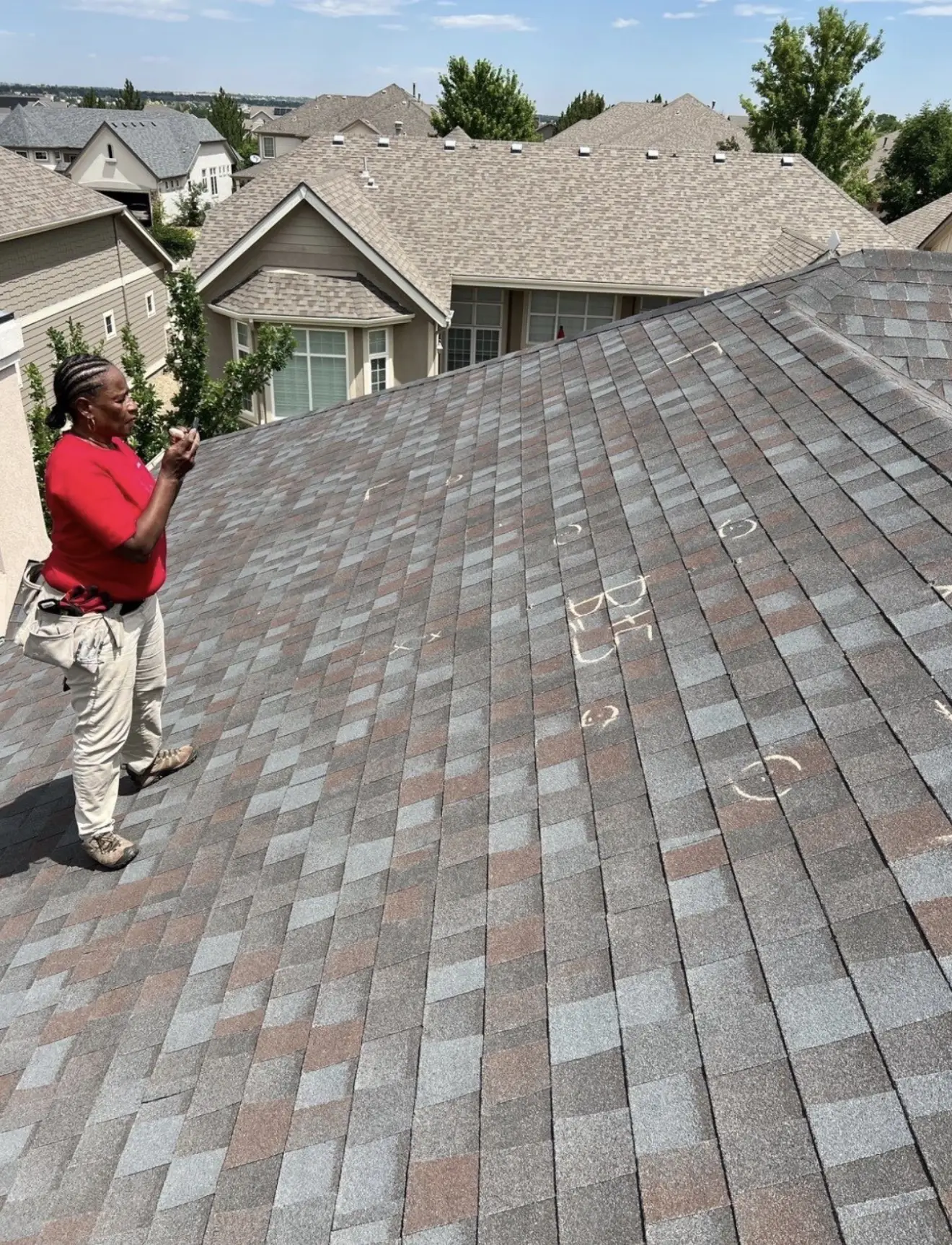
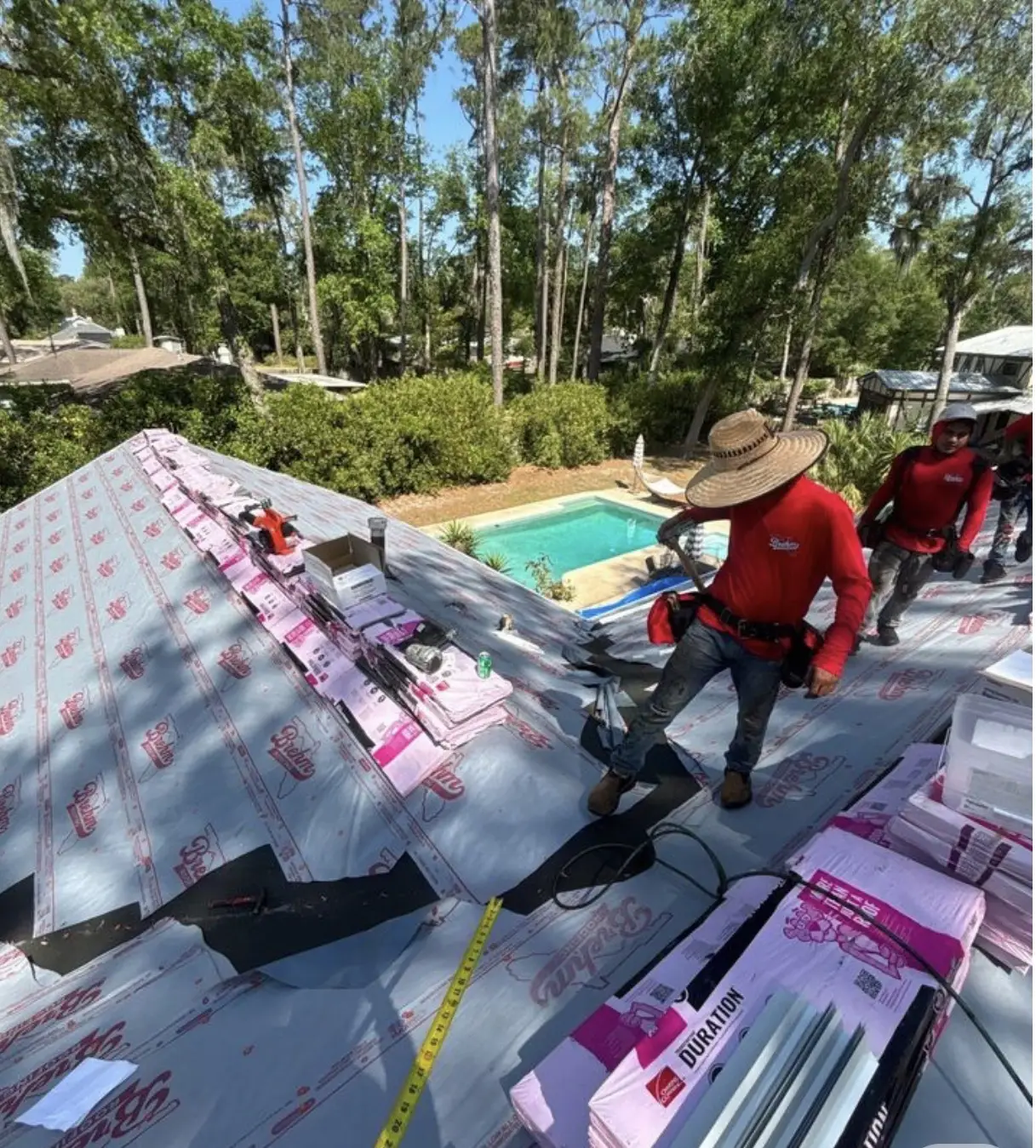
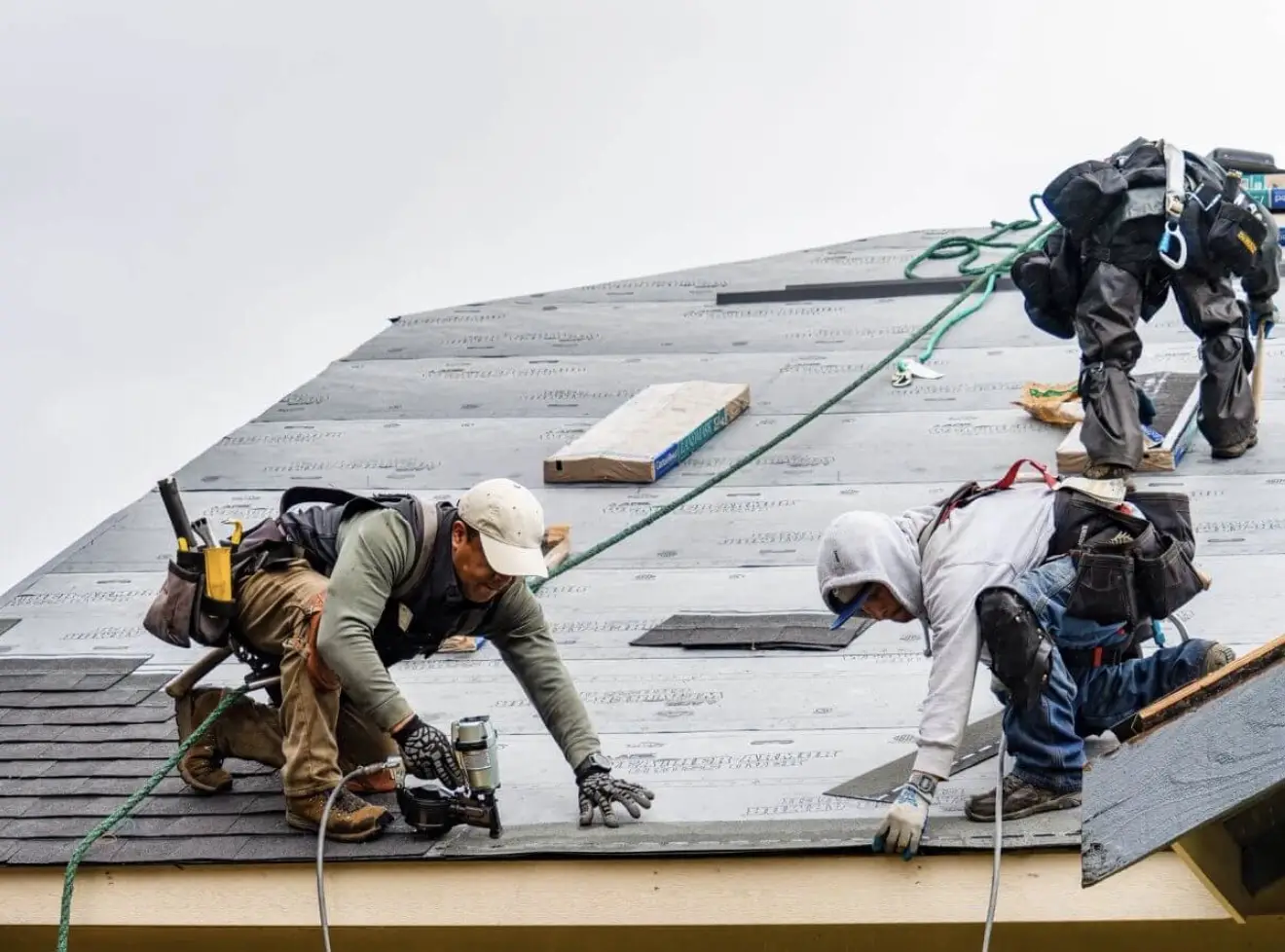
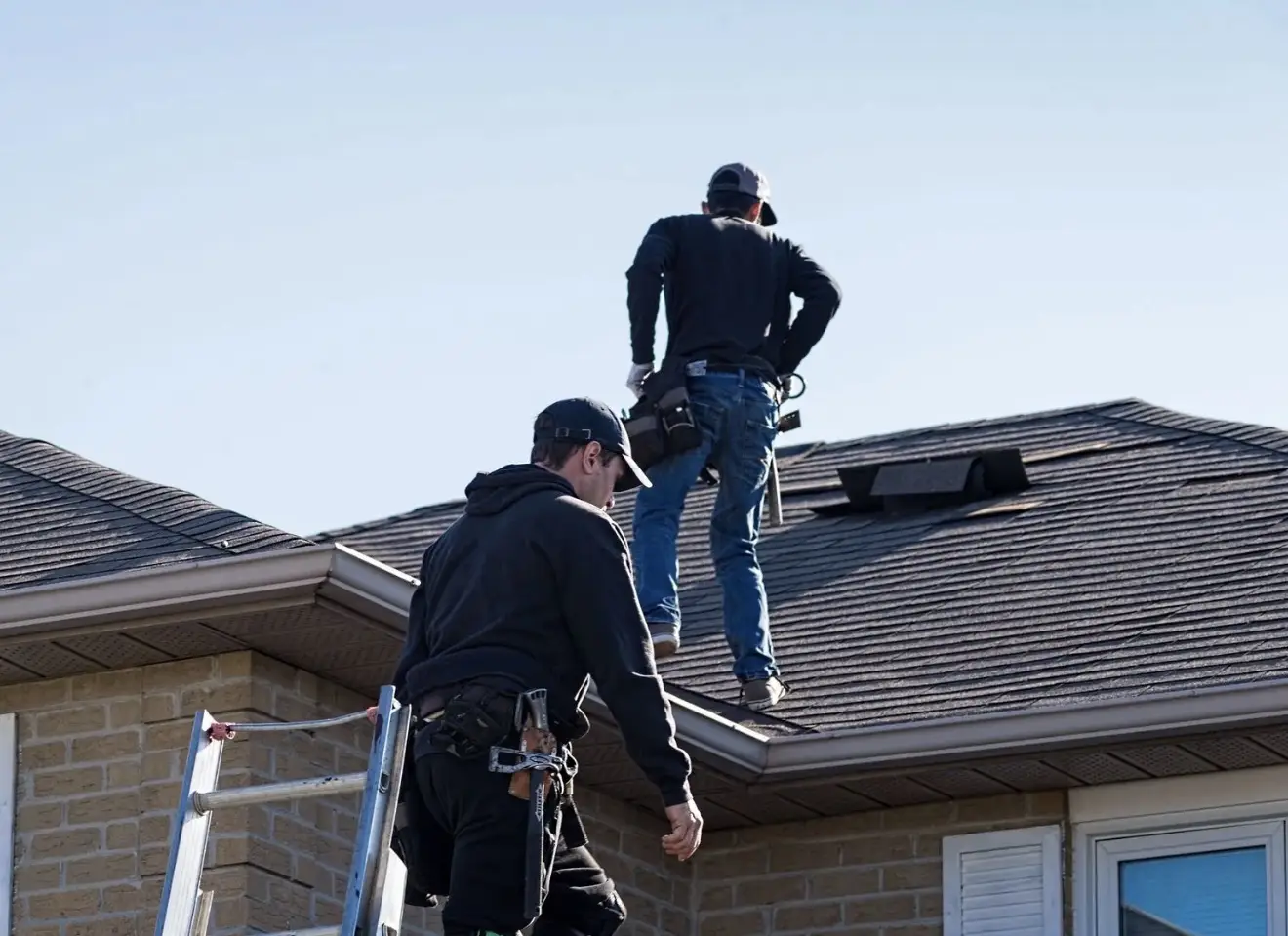
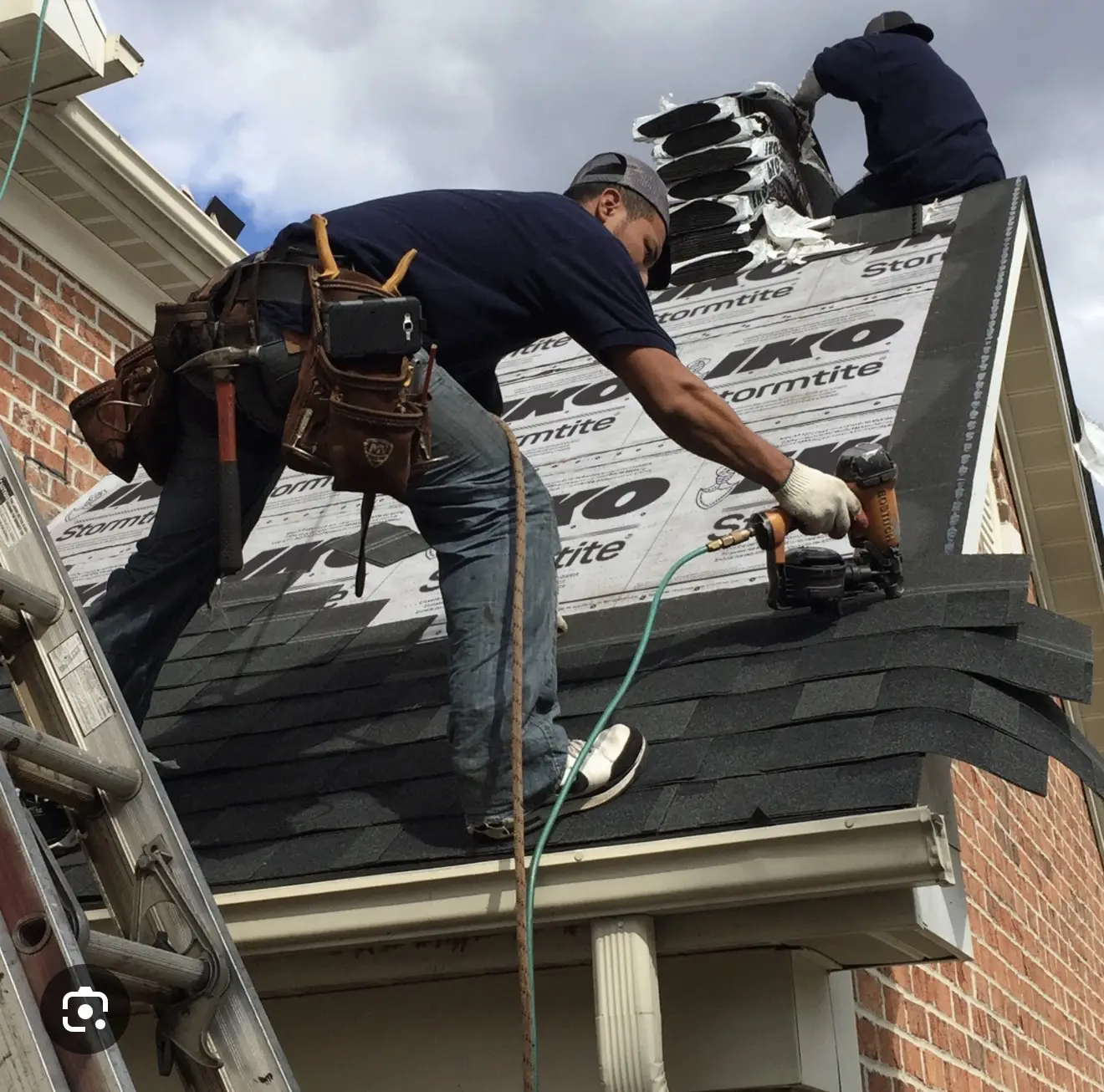
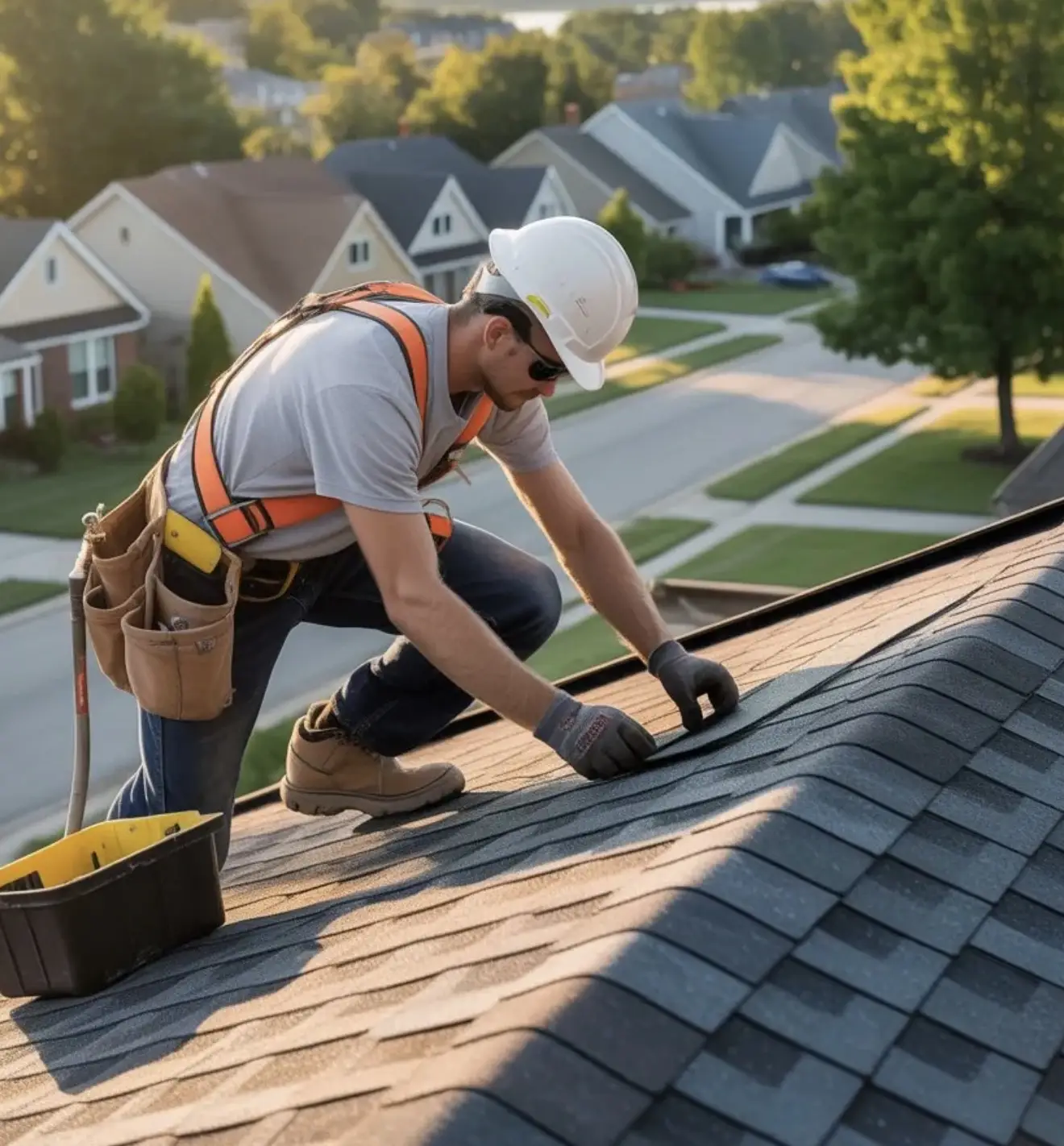
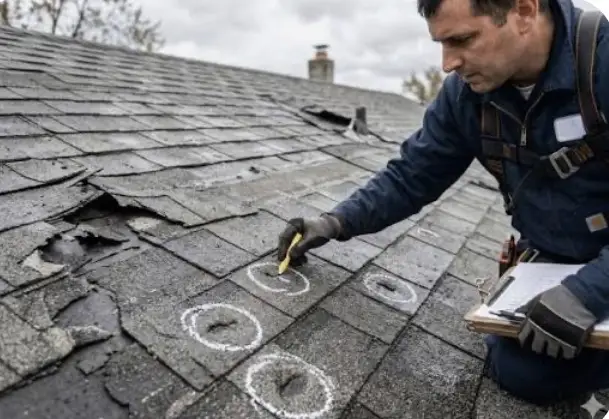
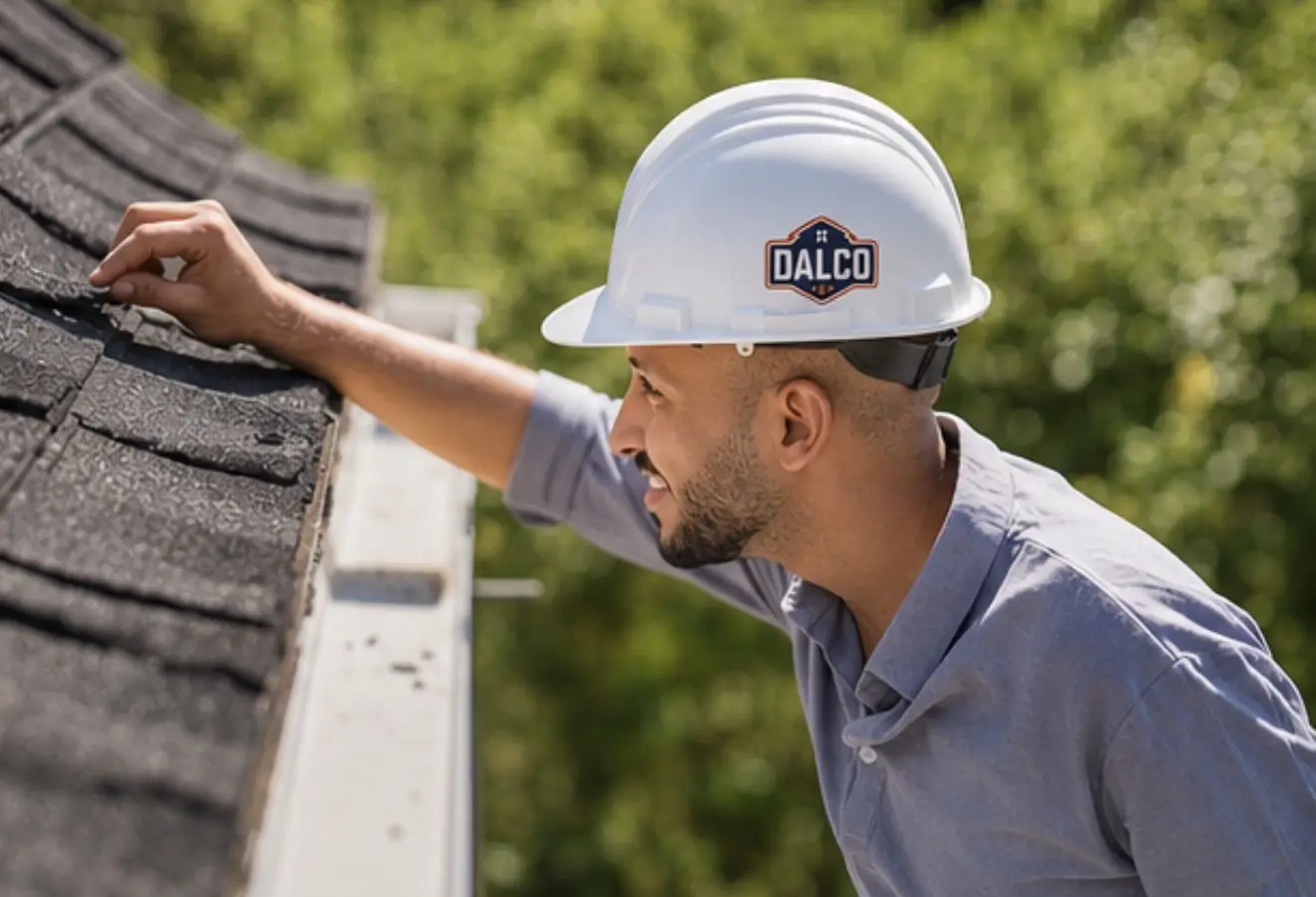
Once you notice possible damage, arrange an inspection with a qualified roofing contractor. A professional can examine the shingles, flashing, roof edges, vents, and other areas that help protect the home.
The inspection should explain both the visible damage and any concerns that may not be obvious from the ground. For example, a few loose shingles may need a limited repair, while damage across several roof sections may require more extensive work.
When considering storm damage roof repair in Arlington, ask the contractor to show you the affected areas and explain why each repair is needed. Photos can make the findings easier to understand.
Request a written estimate that outlines the work, materials, and expected costs. Clear details help you compare options and understand what you are paying for before approving the project.
Decide Whether a Repair Is Enough
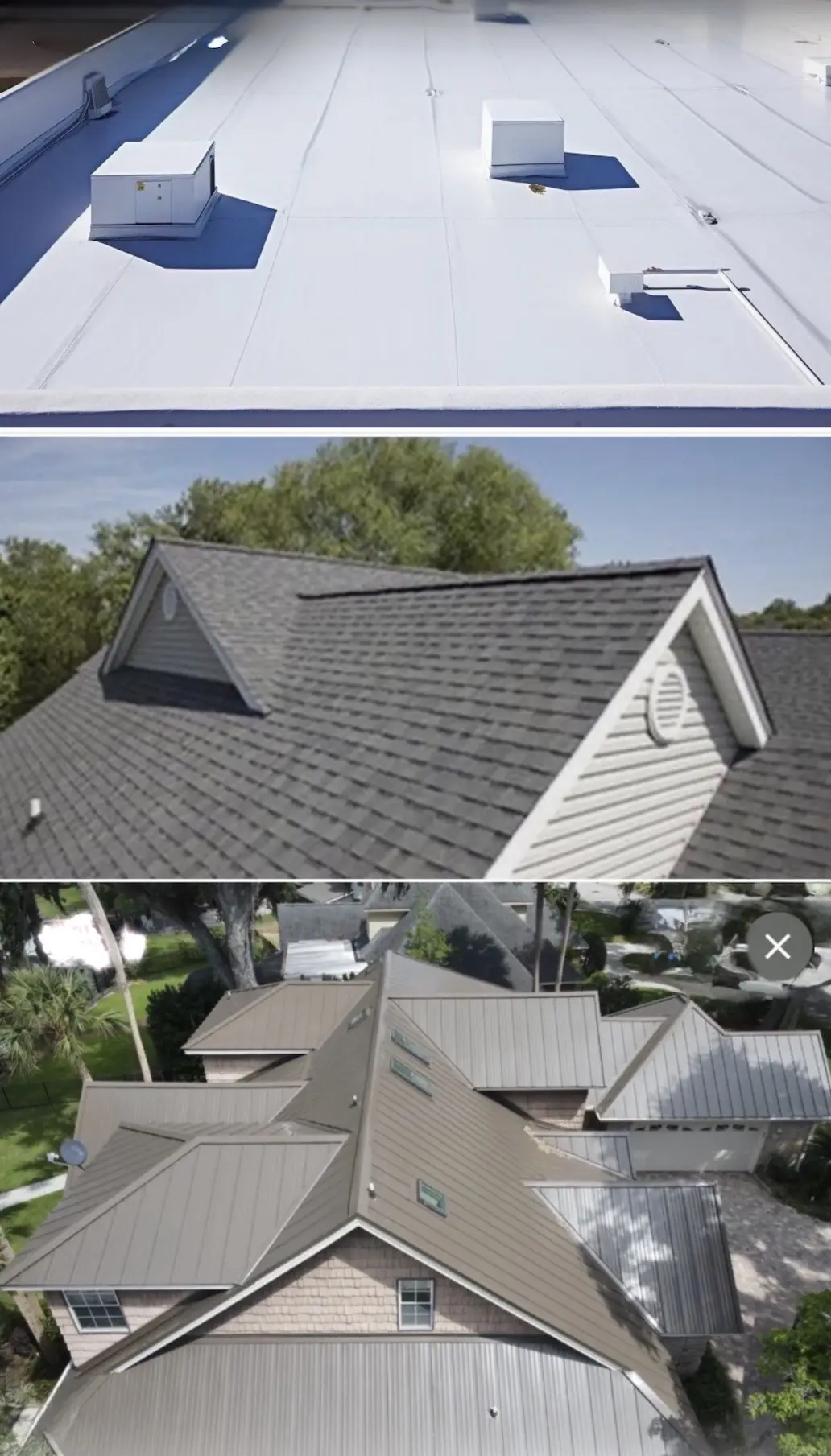
Storm damage does not always mean you need a new roof. The right solution depends on the size of the damaged area, the roof’s age, and the condition of the remaining materials.
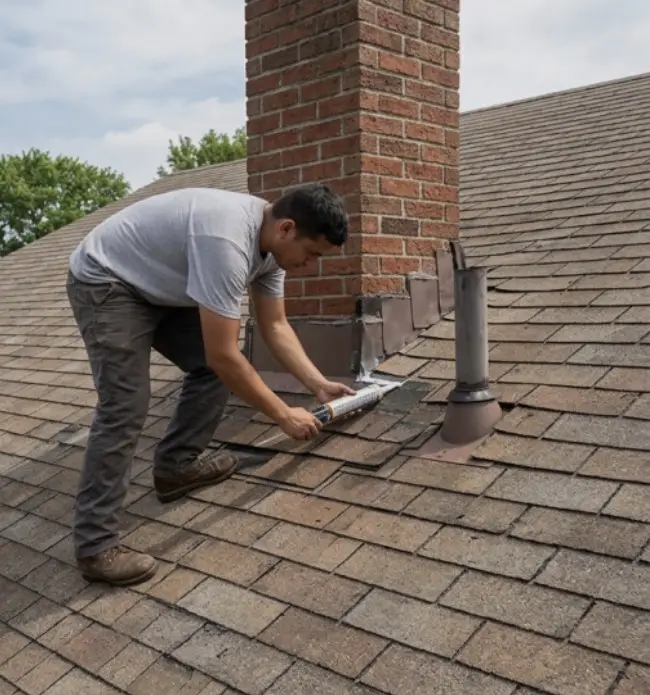
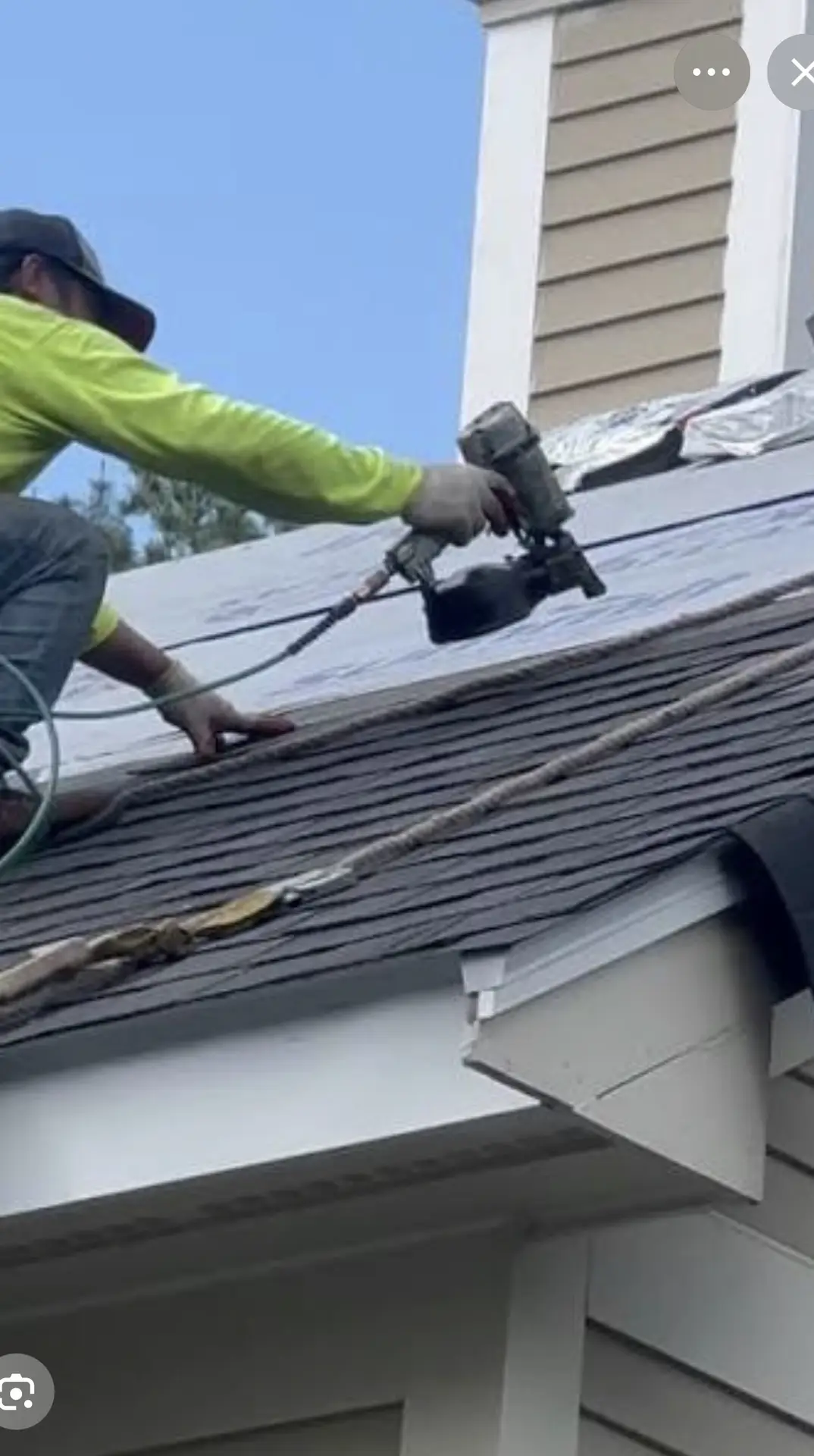
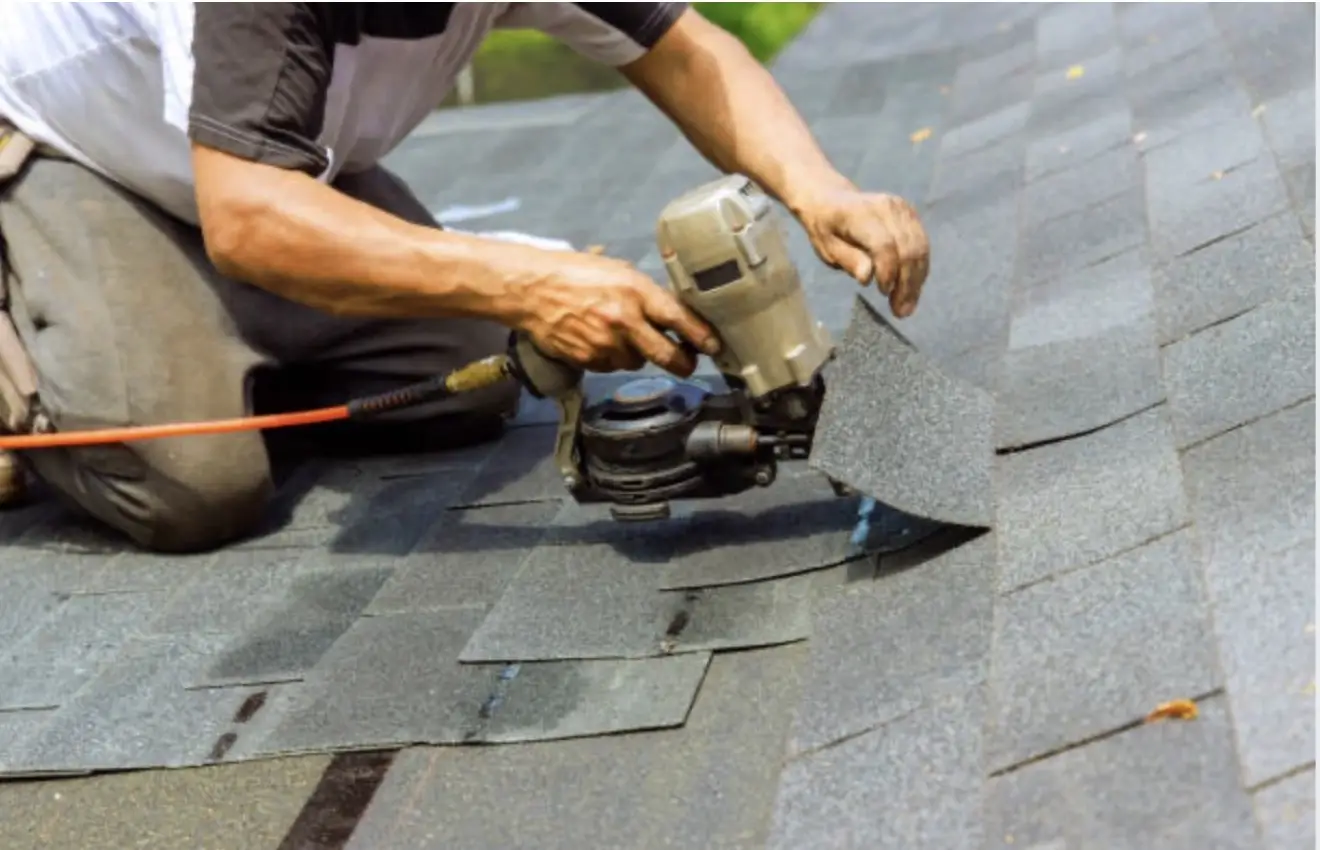
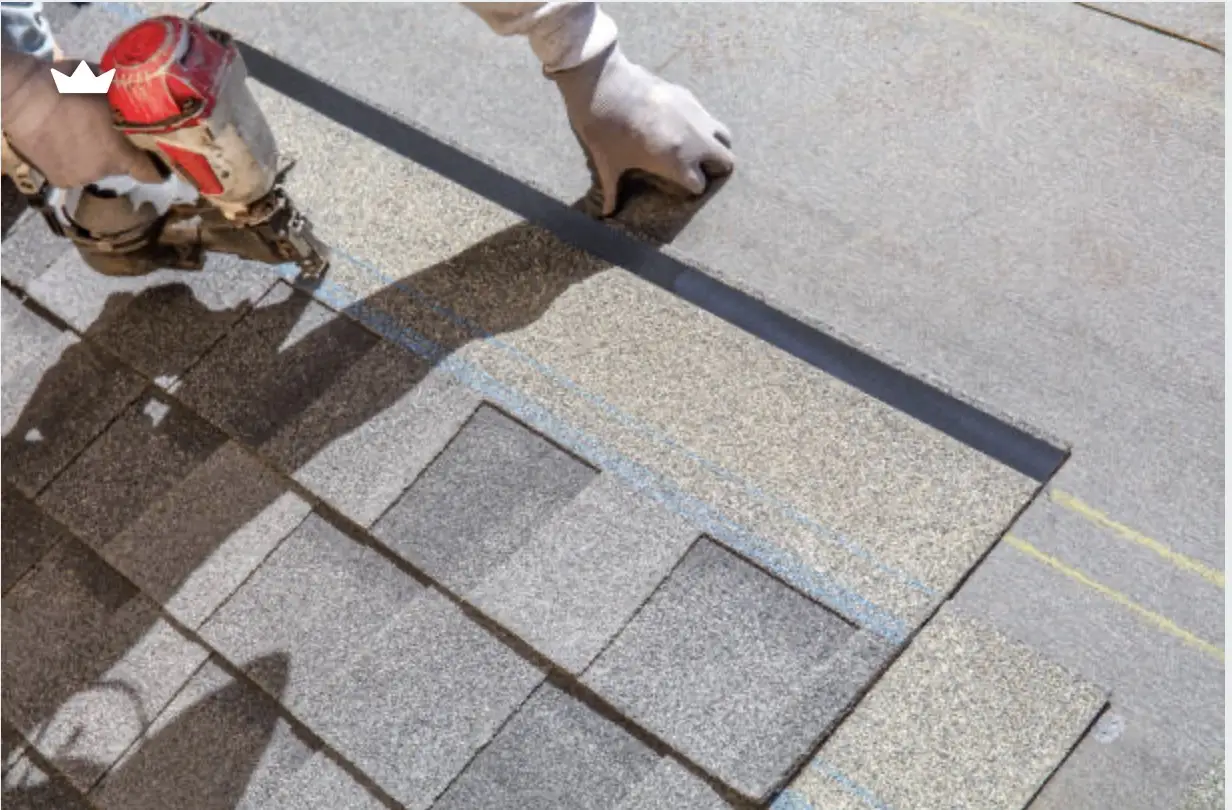
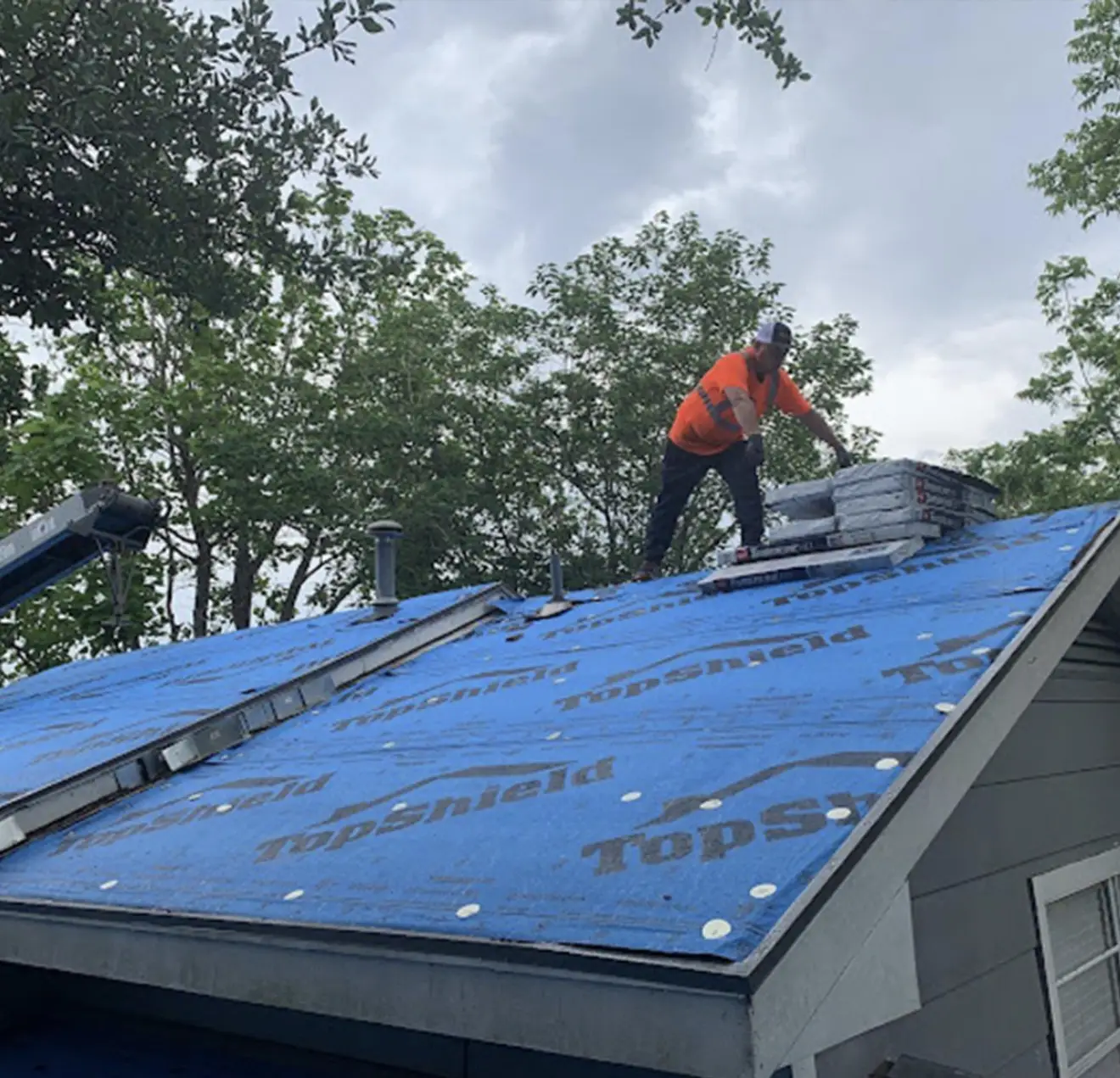
A small area of damage may be repaired by replacing shingles or fixing flashing. This can make sense when the rest of the roof remains in good condition.
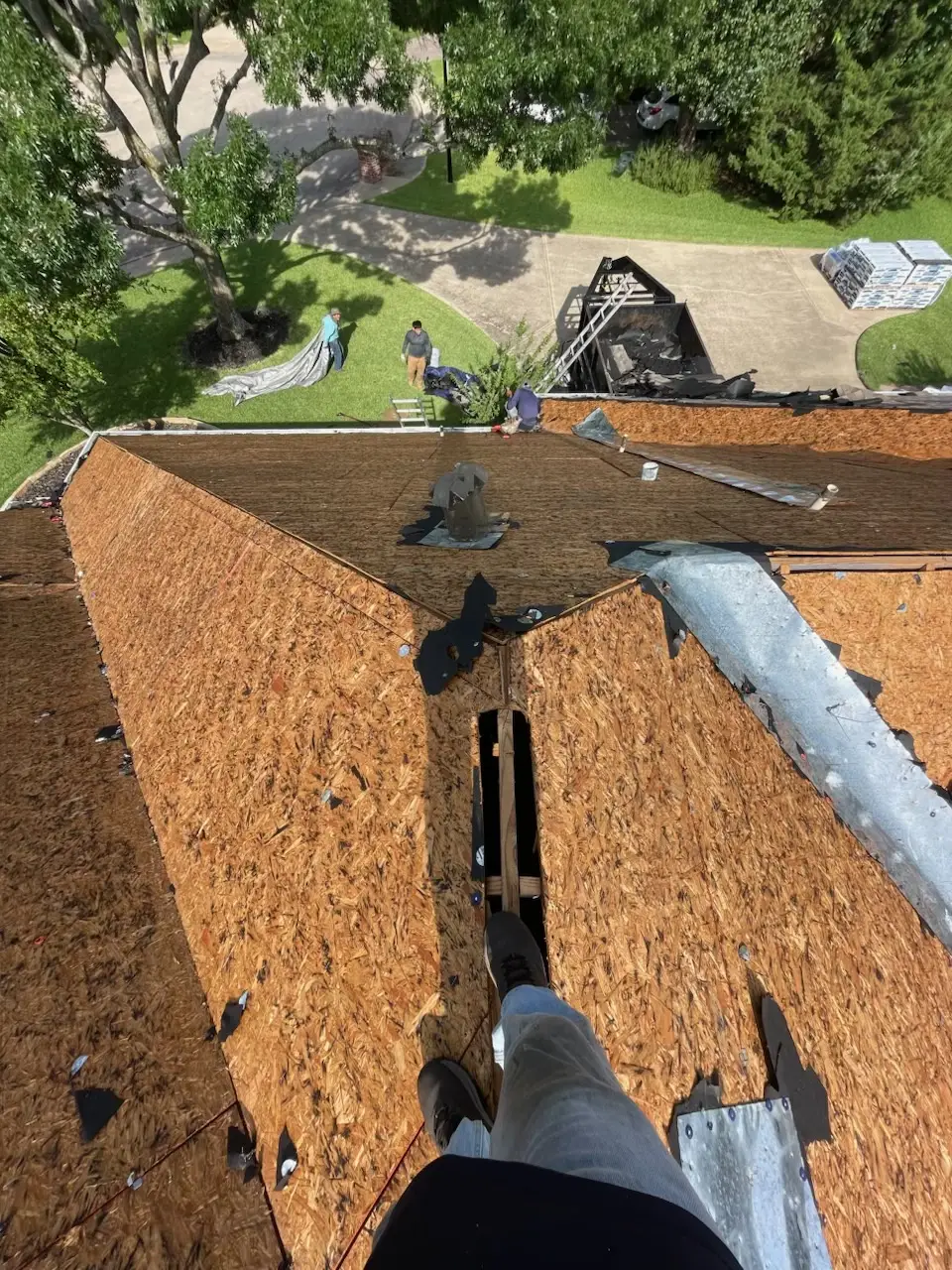
However, widespread damage or an aging roof may call for a broader solution. Repeated leaks and ongoing material problems may also affect the decision.
Ask the roofing contractor to explain the benefits and limits of each option. A clear assessment can help you avoid unnecessary work while making sure important damage is not overlooked.
Get Professional Help With Storm Damage Roof Repairs
Storm damage can leave you unsure about the condition of your roof and the work it needs. A professional assessment can help you understand the problem, review repair options, and decide on the next steps.
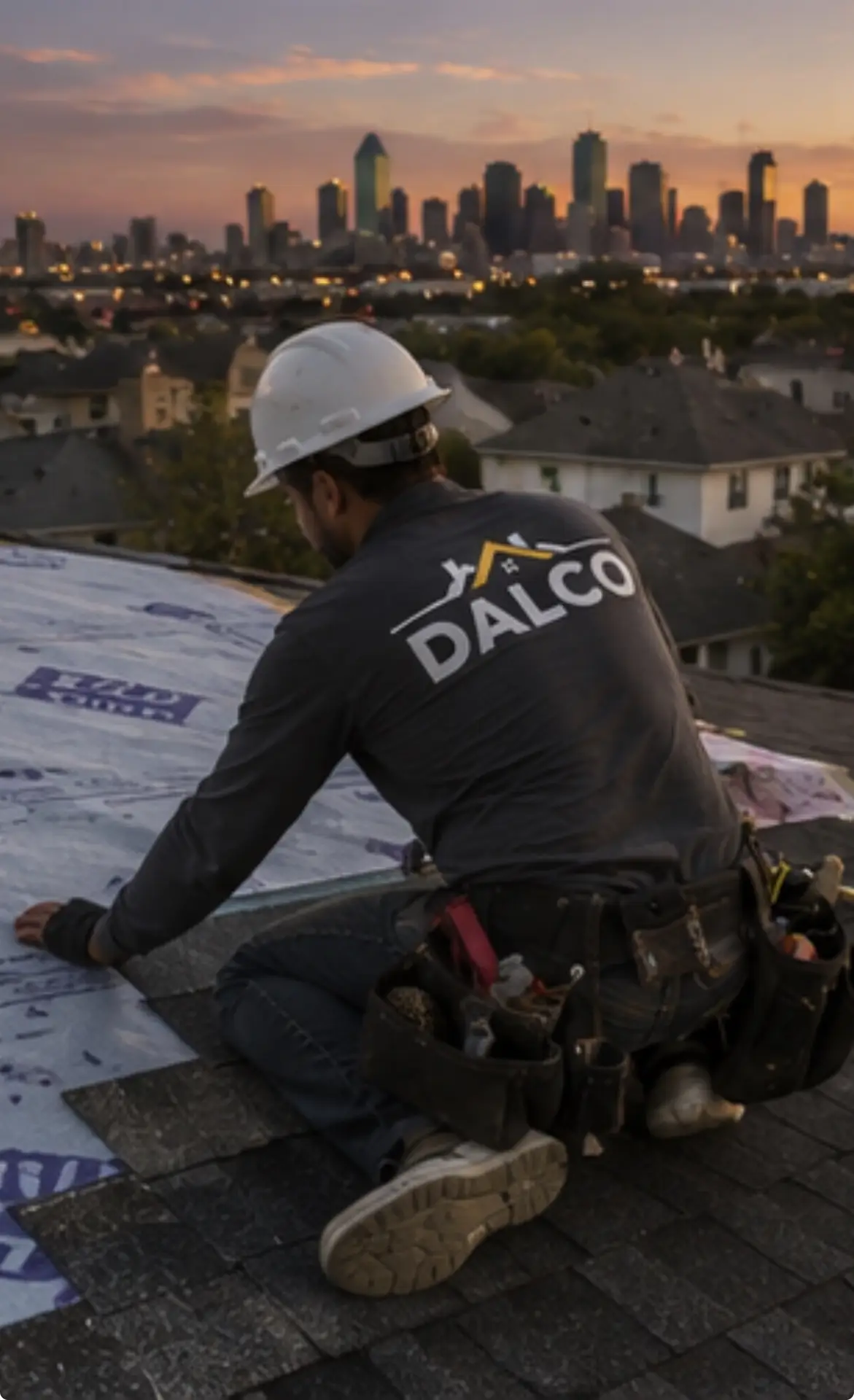
Dalco Contractors & Roofing helps property owners address roofing concerns and understand available repair options. If a recent storm has affected your home, contact Dalco to discuss your concerns and find out what steps may be appropriate for your roof.
Frequently Asked Questions
1. What should I do first after a storm damages my roof?
Check your property from the ground once conditions are safe. Look for missing shingles, fallen branches, and signs of leaks. Take photos of visible damage and arrange a professional inspection if you notice a problem.
2. Can wind damage shingles without blowing them away?
Yes. Strong winds can lift or loosen shingles without removing them. This may weaken their seal and allow water to enter during later rainfall. A professional inspection can help identify these issues.
3. How do I know if hail has damaged my roof?
Hail may leave dents, remove protective granules, or damage roofing materials. Some signs are difficult to see from the ground. A roofing professional can examine the affected areas and explain whether repairs are needed.
4. Will my insurance pay for storm-related roof repairs?
Your coverage depends on your policy, the cause of the damage, and any exclusions. Contact your insurer to understand the requirements, document the damage, and follow the correct claims process.
5. How do I choose a contractor for storm damage roof repair in Dallas?
Look for a contractor who provides a careful inspection, explains the damage, and gives you a written estimate. Review the proposed work and costs before approving repairs, and avoid promises of guaranteed insurance approval.