
Summary – This blog explains how Grand Prairie homeowners can identify roof damage after a storm, recognize signs of leaks, arrange professional inspections, document damage for insurance claims, and prevent future roofing problems through regular maintenance and timely repairs.
Severe weather can damage a roof in ways that are not always easy to notice from the ground. Strong winds may loosen shingles, hail can affect roofing materials, and heavy rain can expose weak areas around flashing and roof edges. Even when a roof looks fine from outside, hidden damage may allow water to enter the home later.
For homeowners searching for services like storm damage repair in Grand Prairie, knowing what to do after severe weather can make the recovery process easier. Checking for visible damage, arranging a professional inspection, and addressing urgent problems can help protect the property and prevent further issues.
Check for Visible Signs of Roof Damage
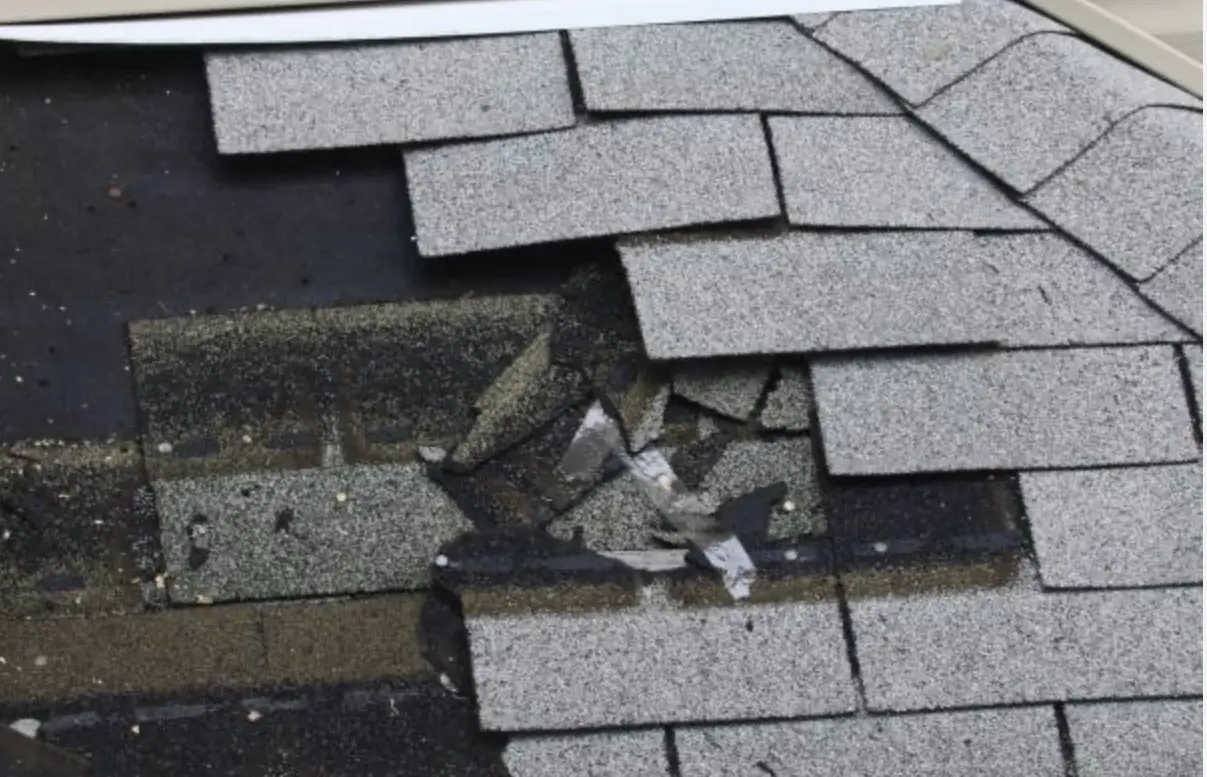
Once the storm passes and conditions are safe, inspect your property from the ground. Look for shingles in the yard, damaged gutters, fallen branches, or pieces of roofing material near your home. These signs may indicate that the roof has been affected by strong winds or flying debris.
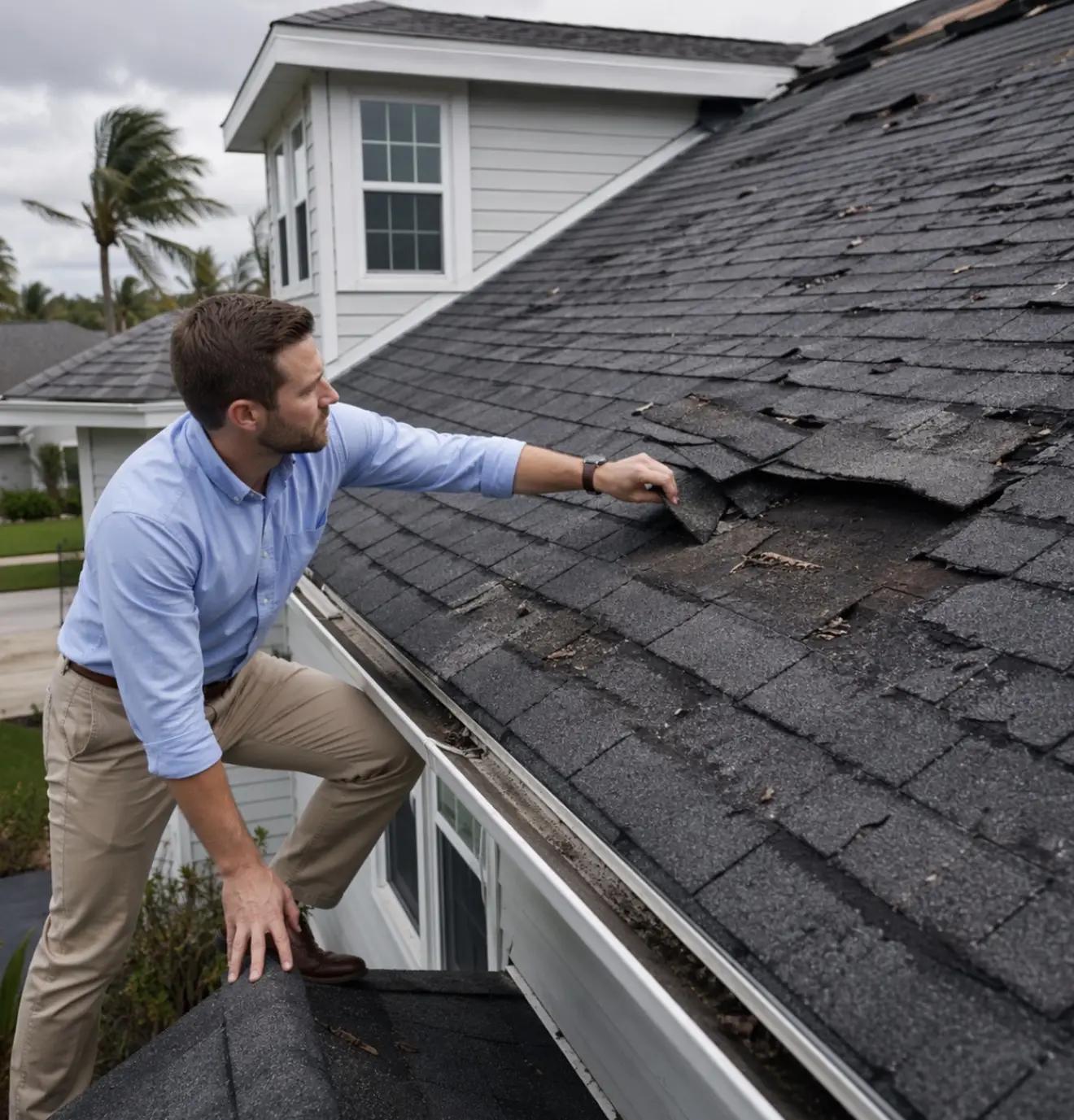
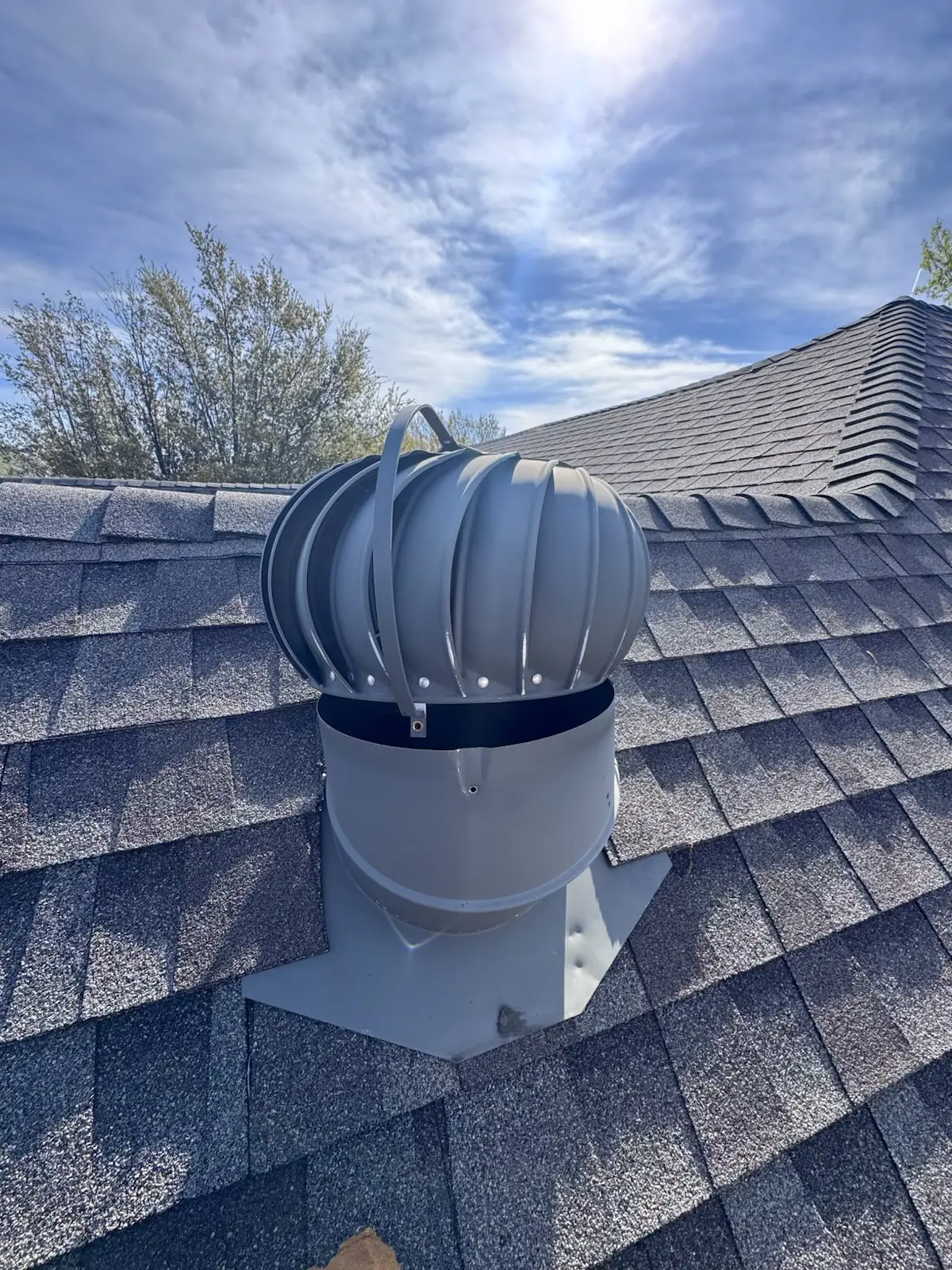
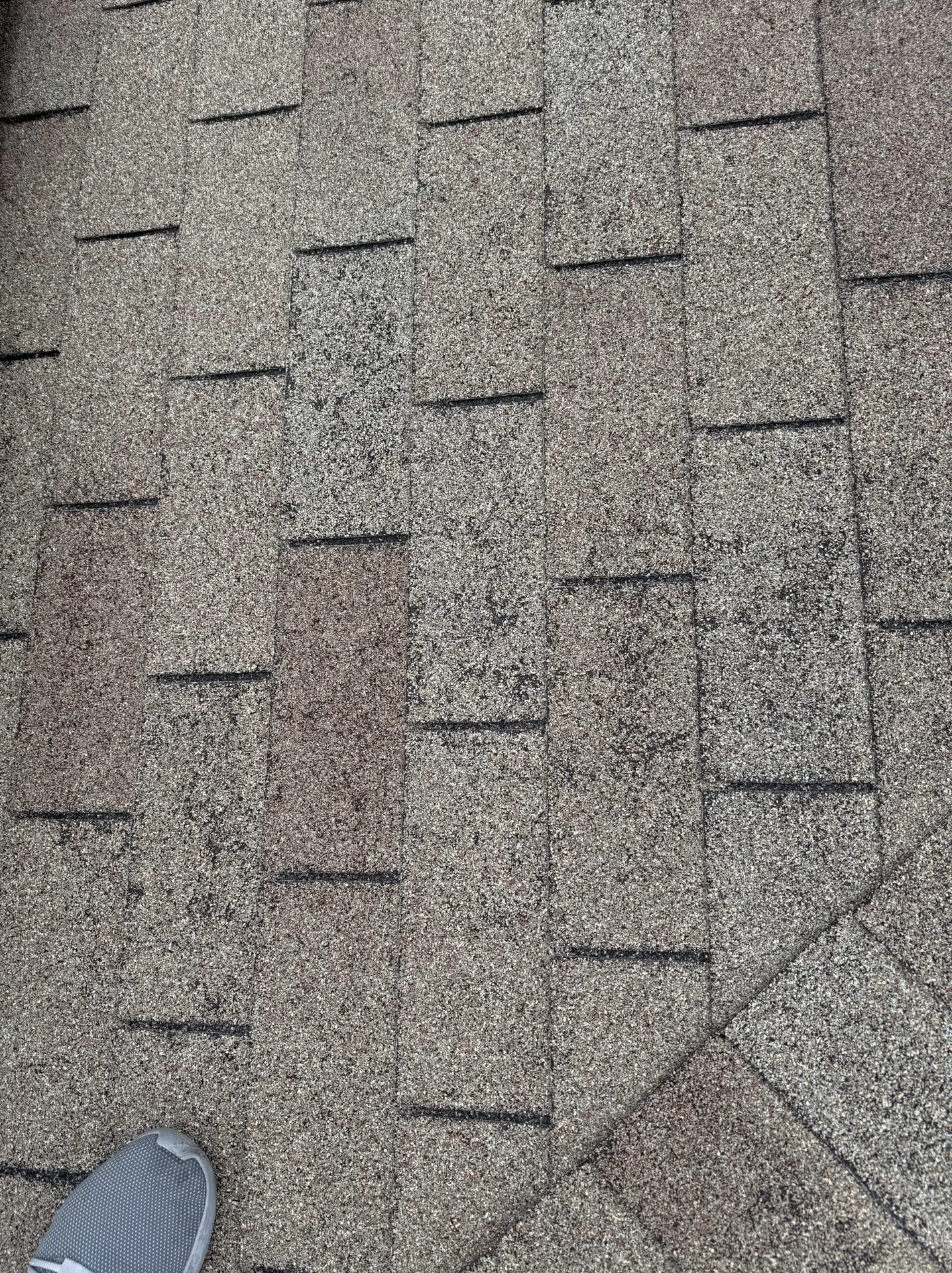
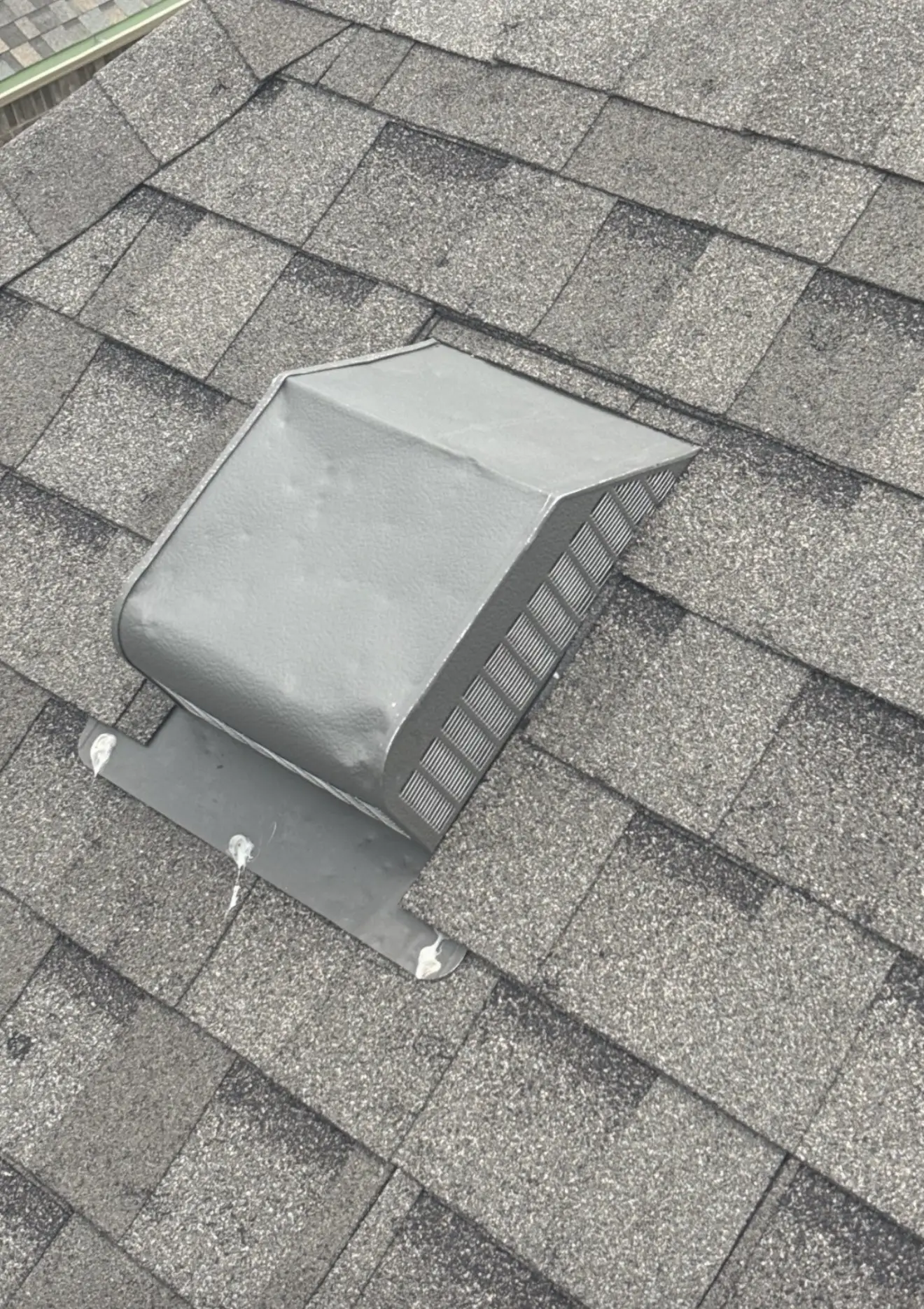
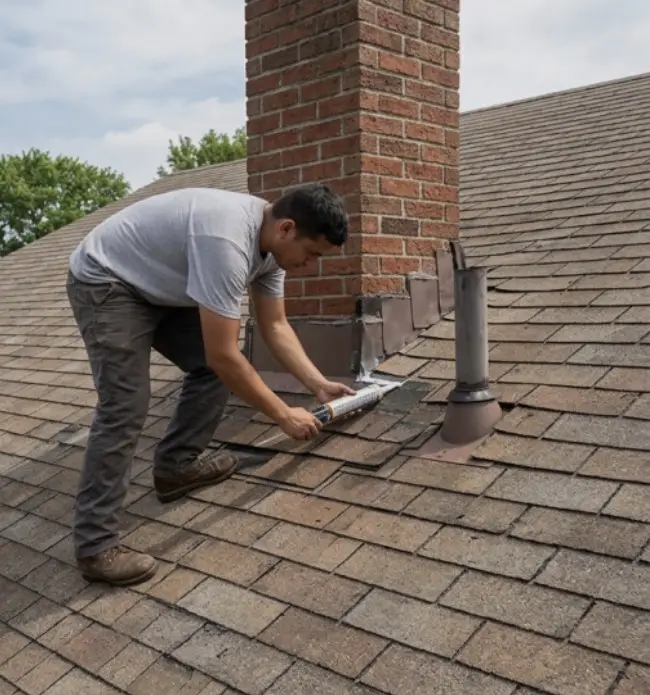
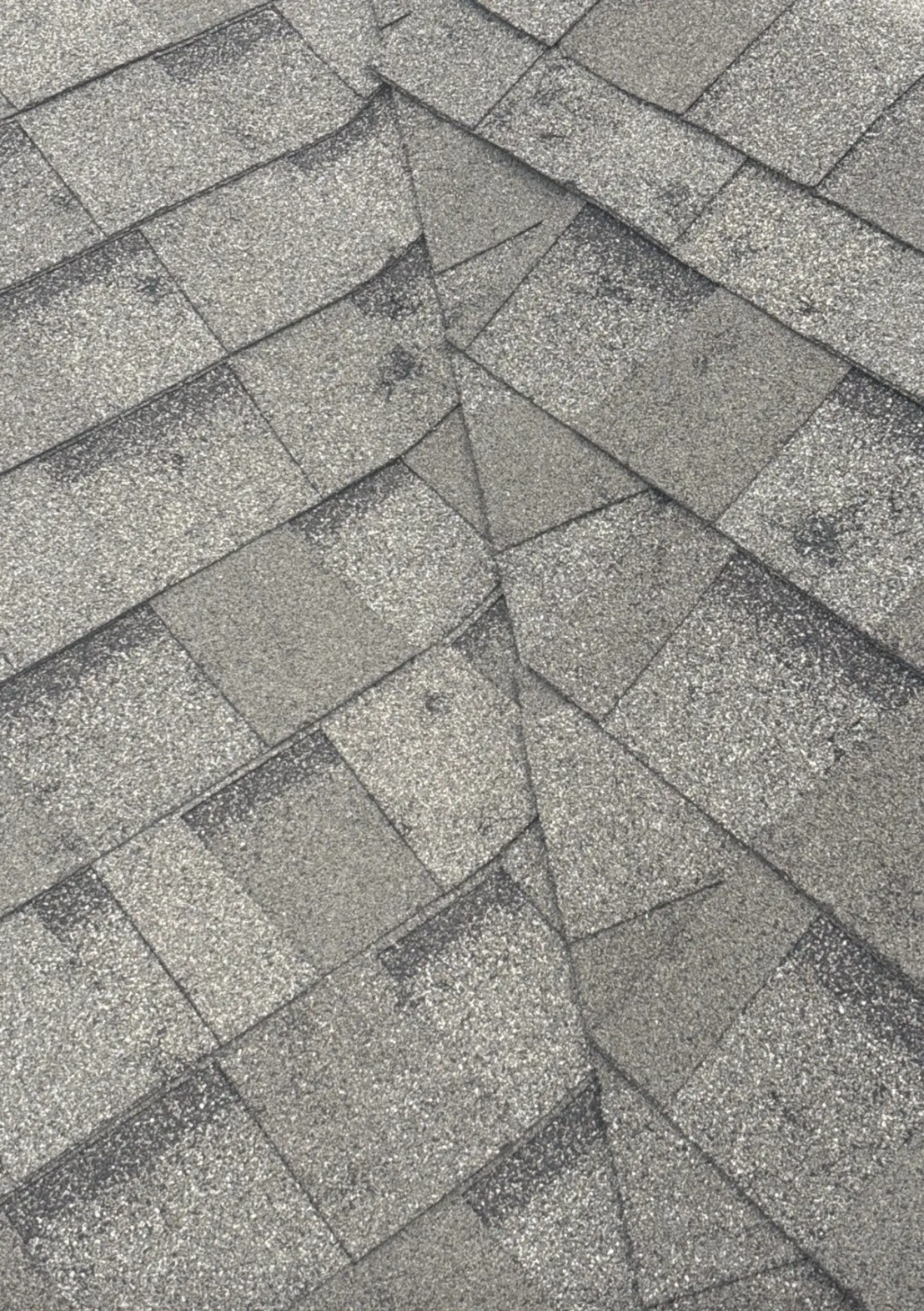
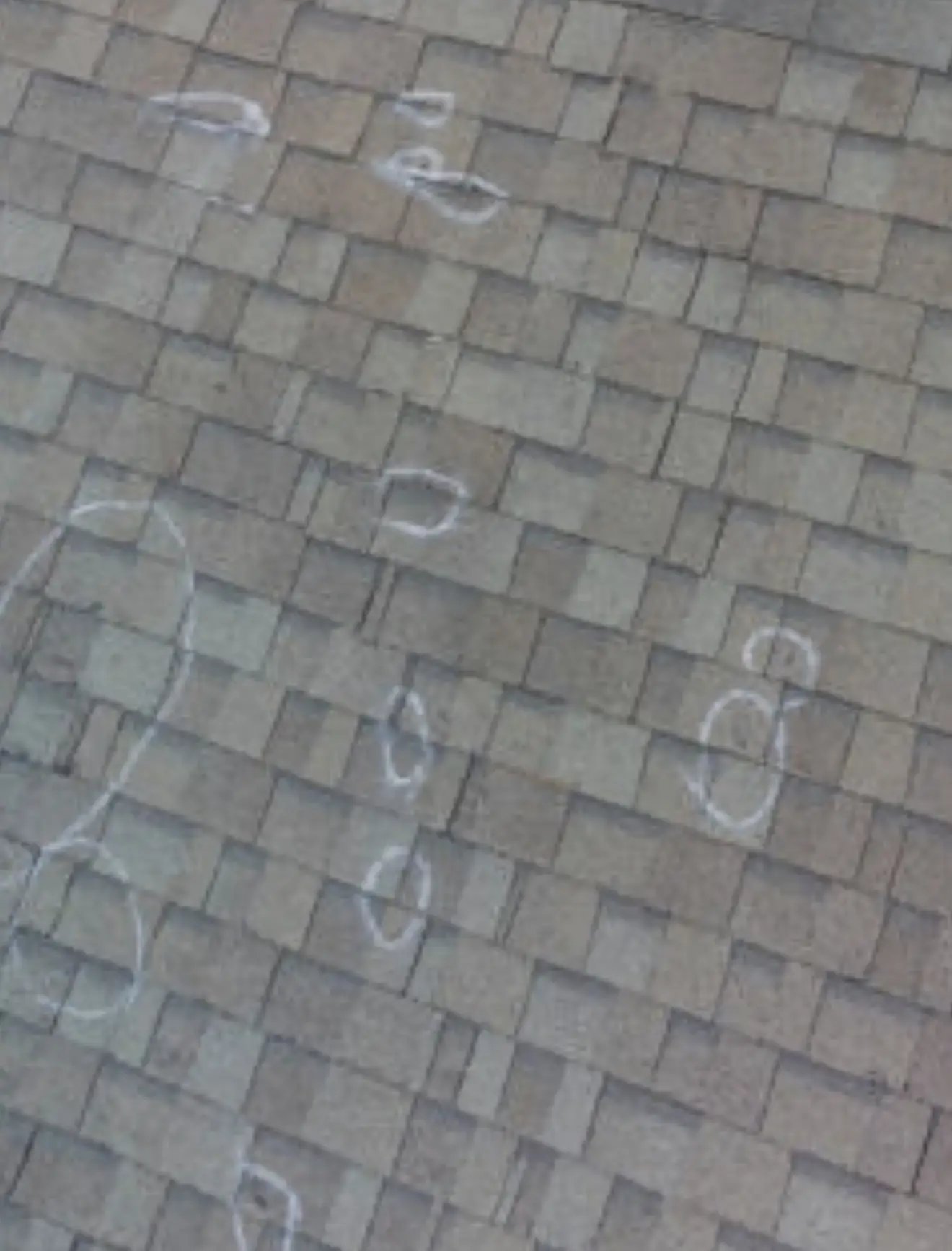
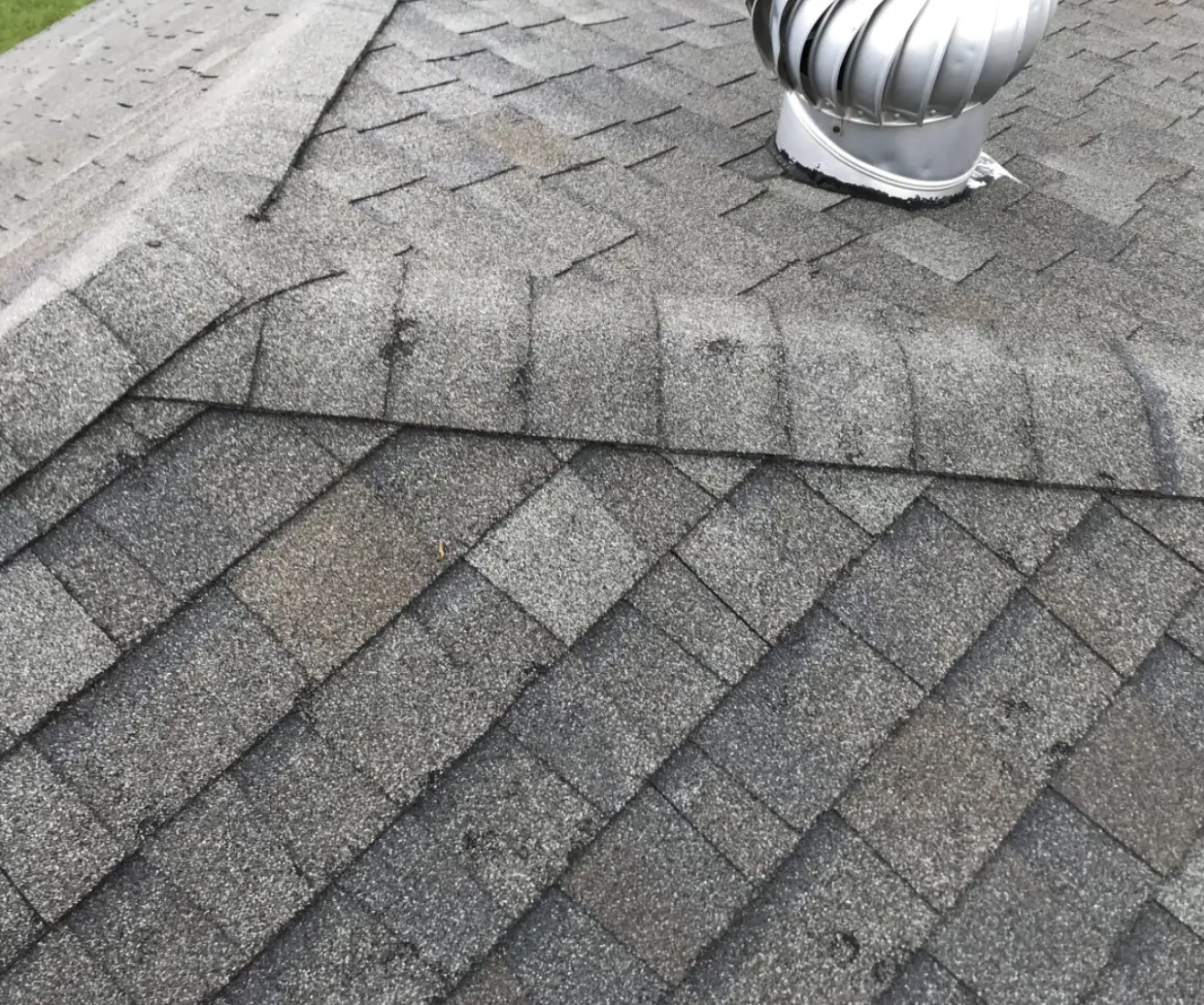
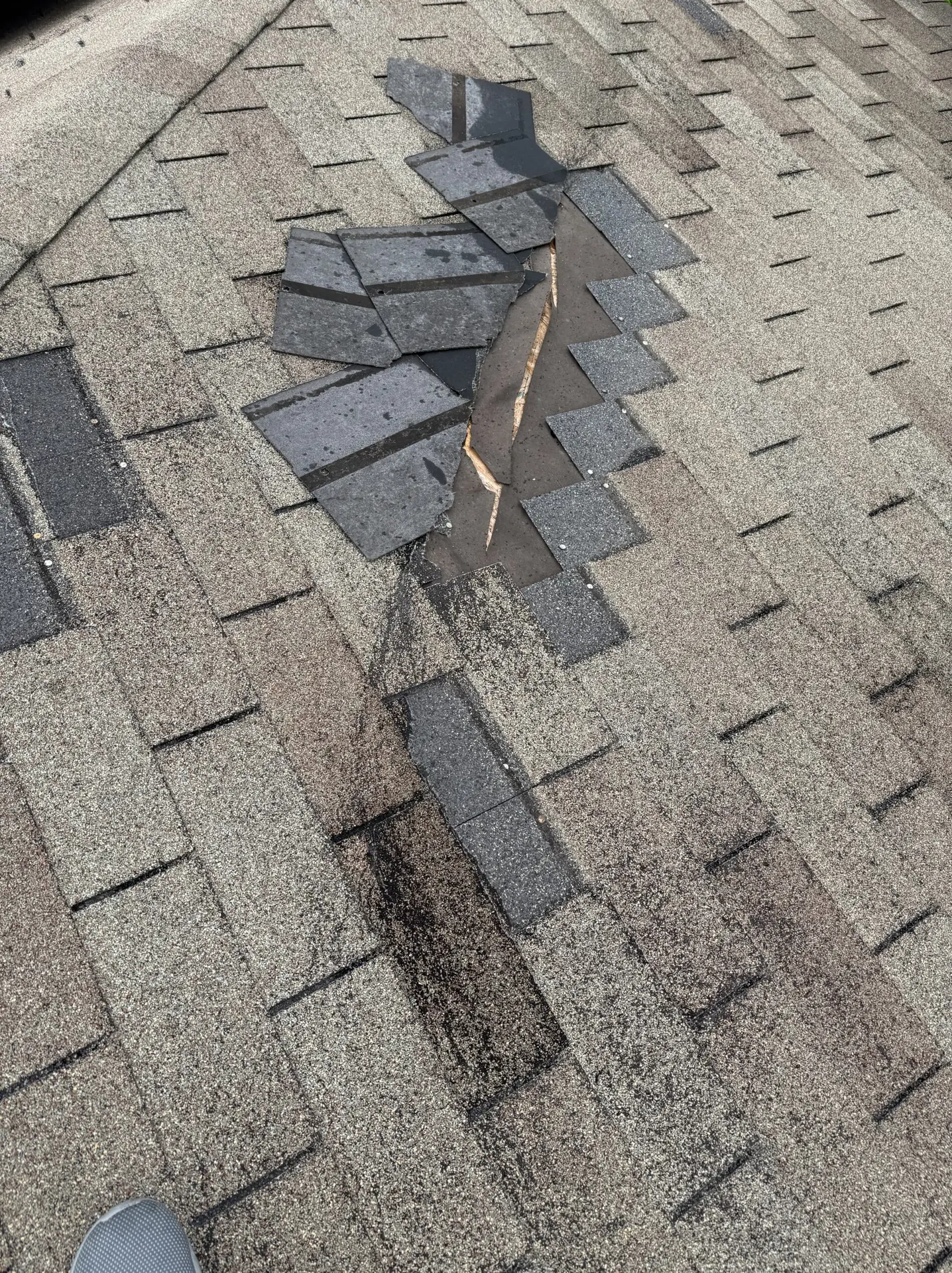
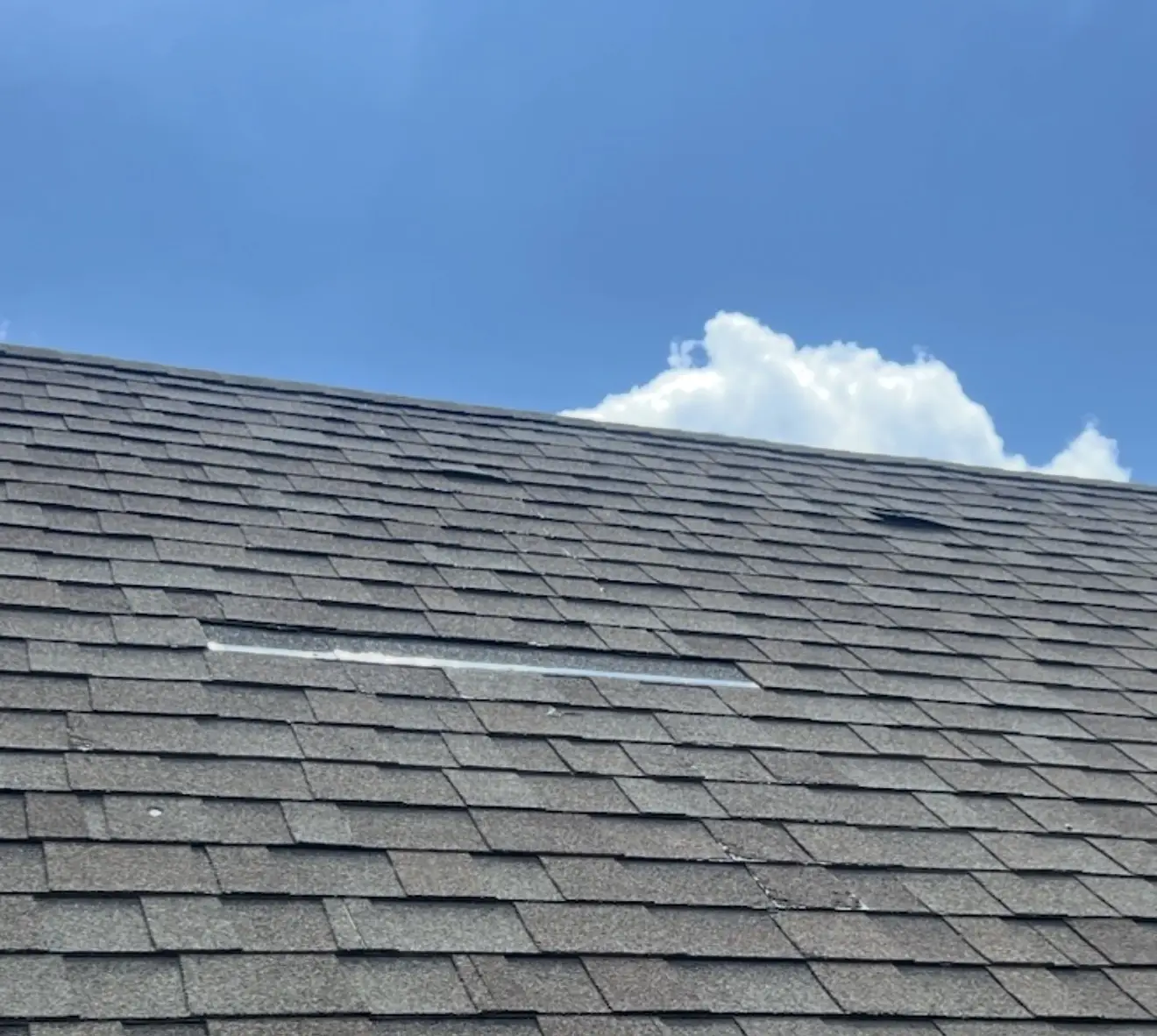
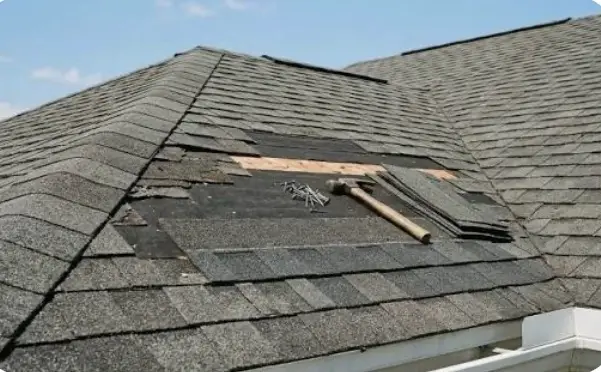
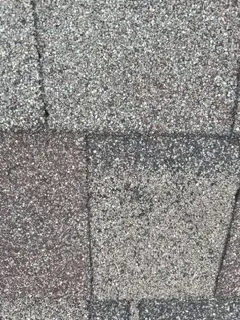
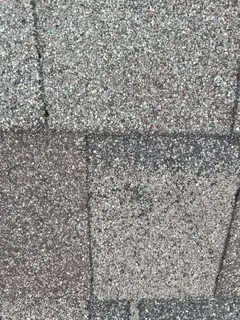
However, some problems are harder to spot. Wind can lift shingles without removing them completely, while hail may damage their protective surface. You might also notice loose roof edges or damaged components around vents and other openings.
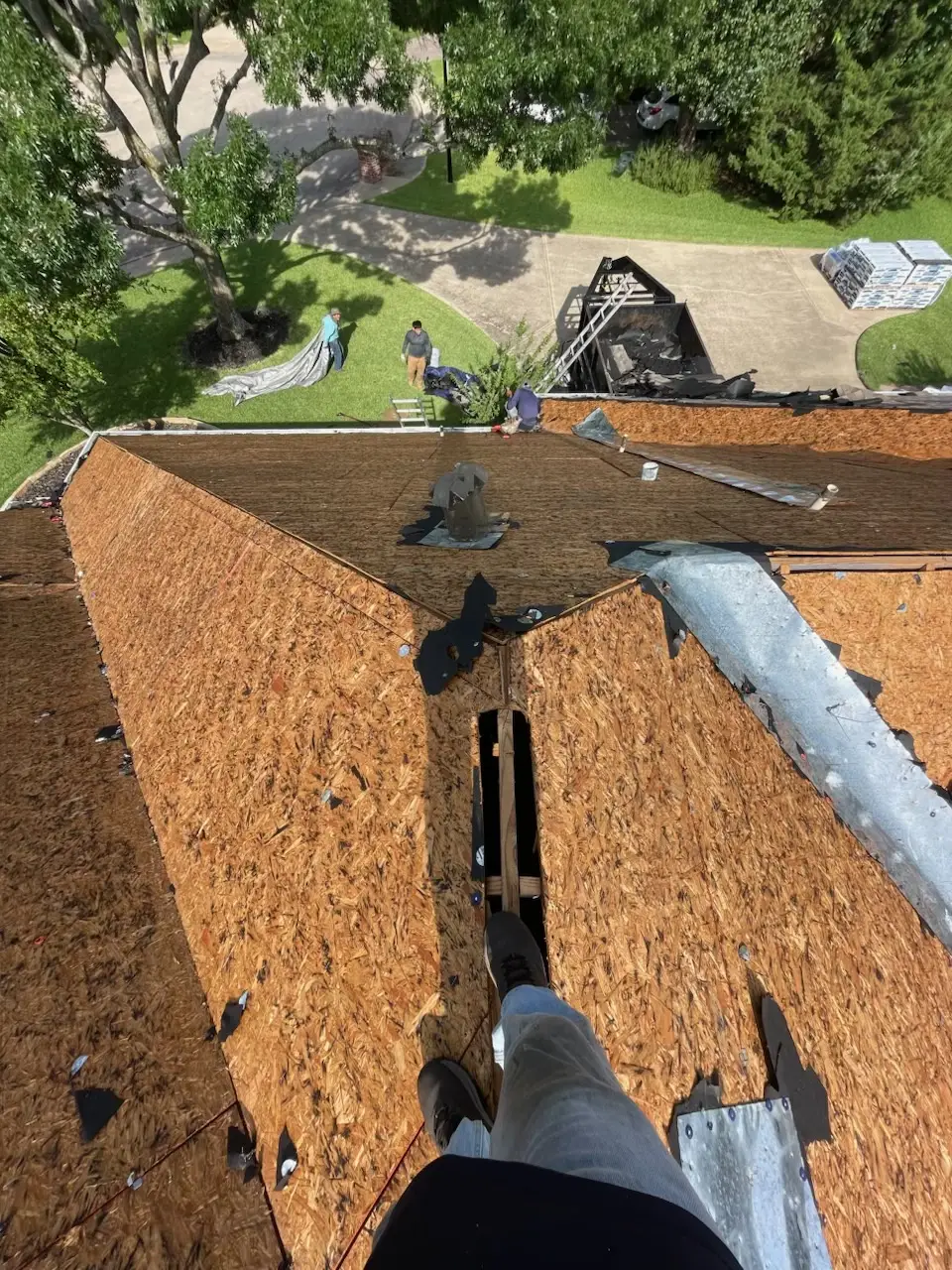
Avoid climbing onto the roof to investigate. Wet surfaces and loose materials can make roof access dangerous. Instead, take photographs of visible damage from a safe location. These images can help a roofing professional understand your concerns during an inspection.
Understand How Different Storms Affect Your Roof
Different weather conditions can create different types of roofing damage. Understanding these effects can help you recognize when a closer inspection may be necessary.
Strong Winds and Hail
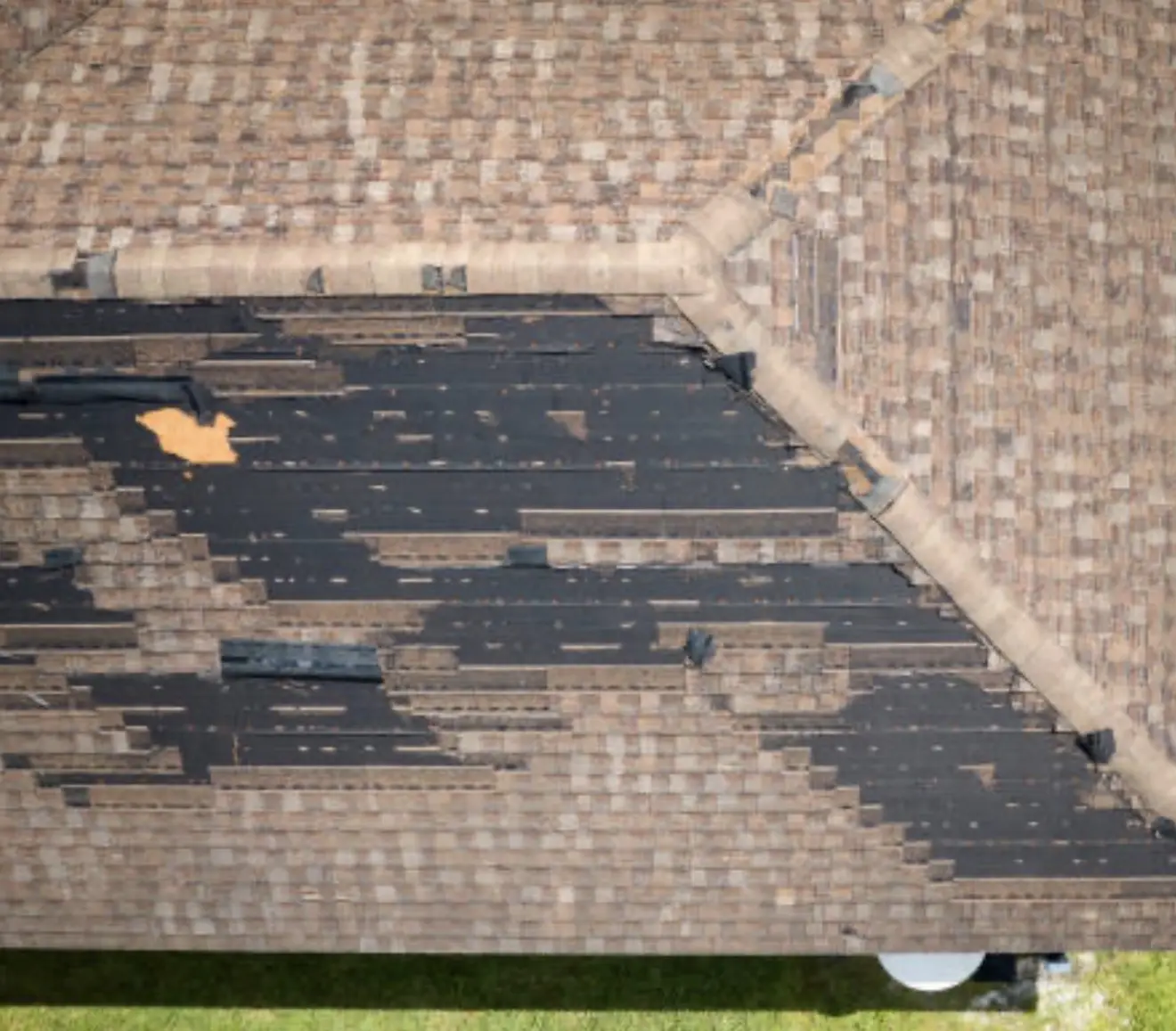
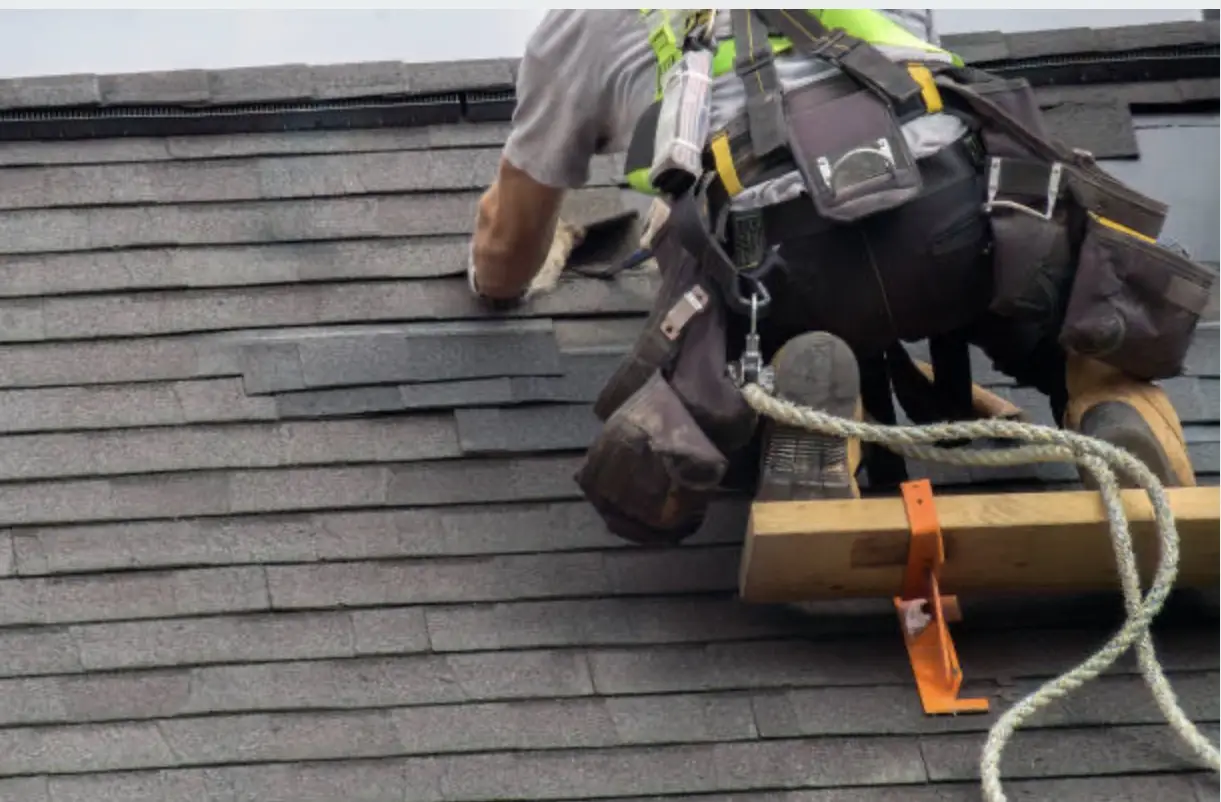
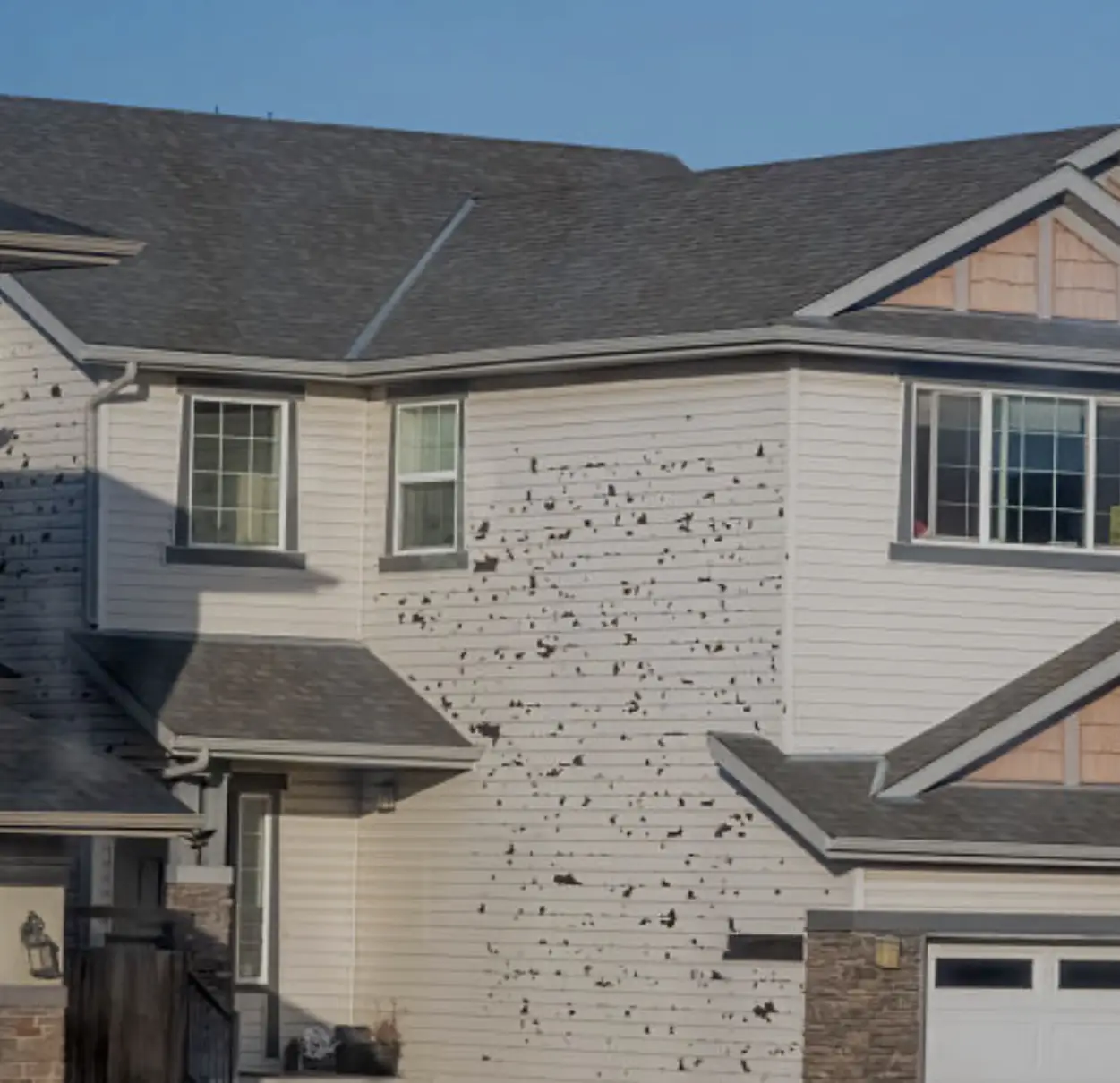
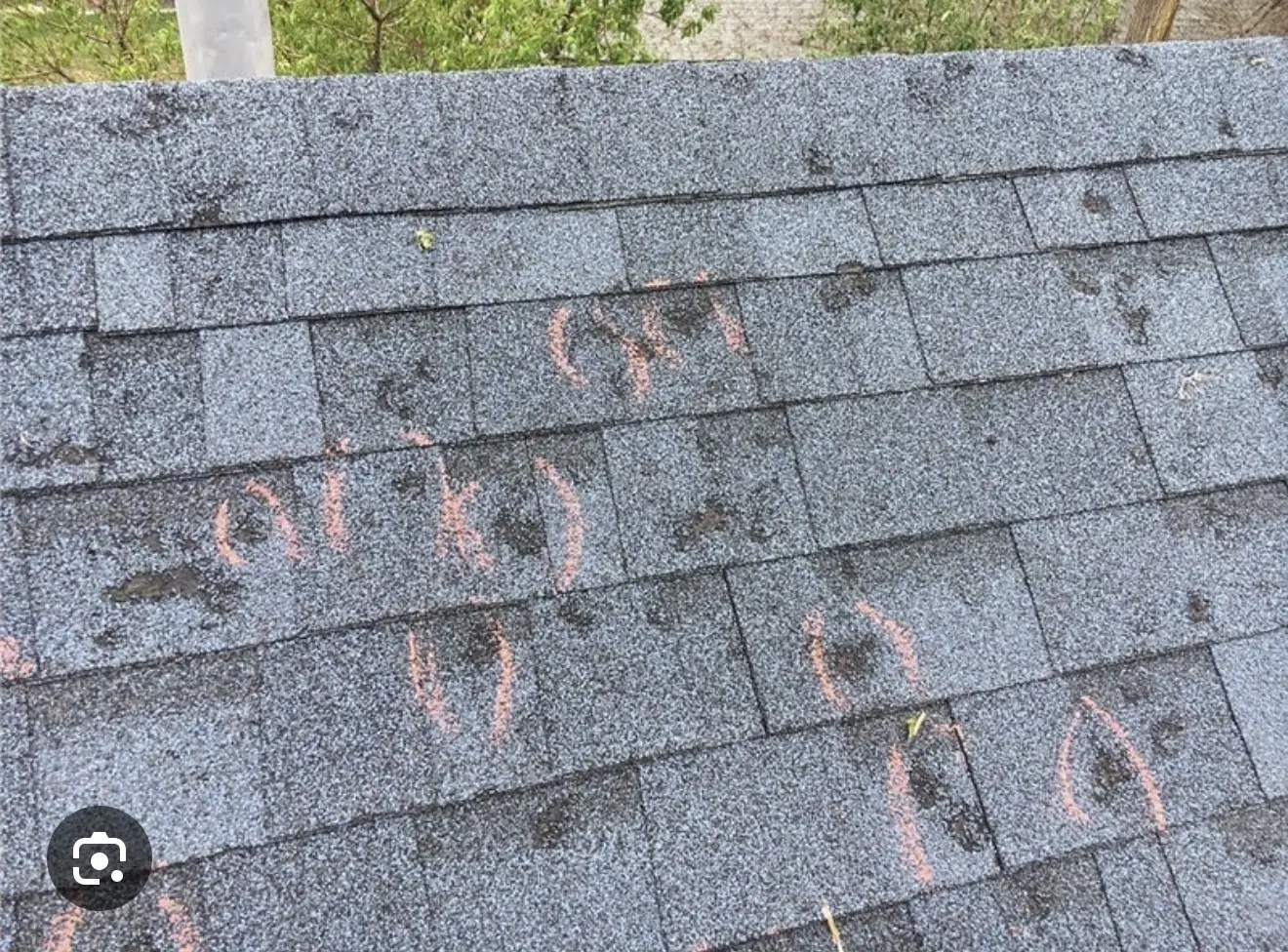
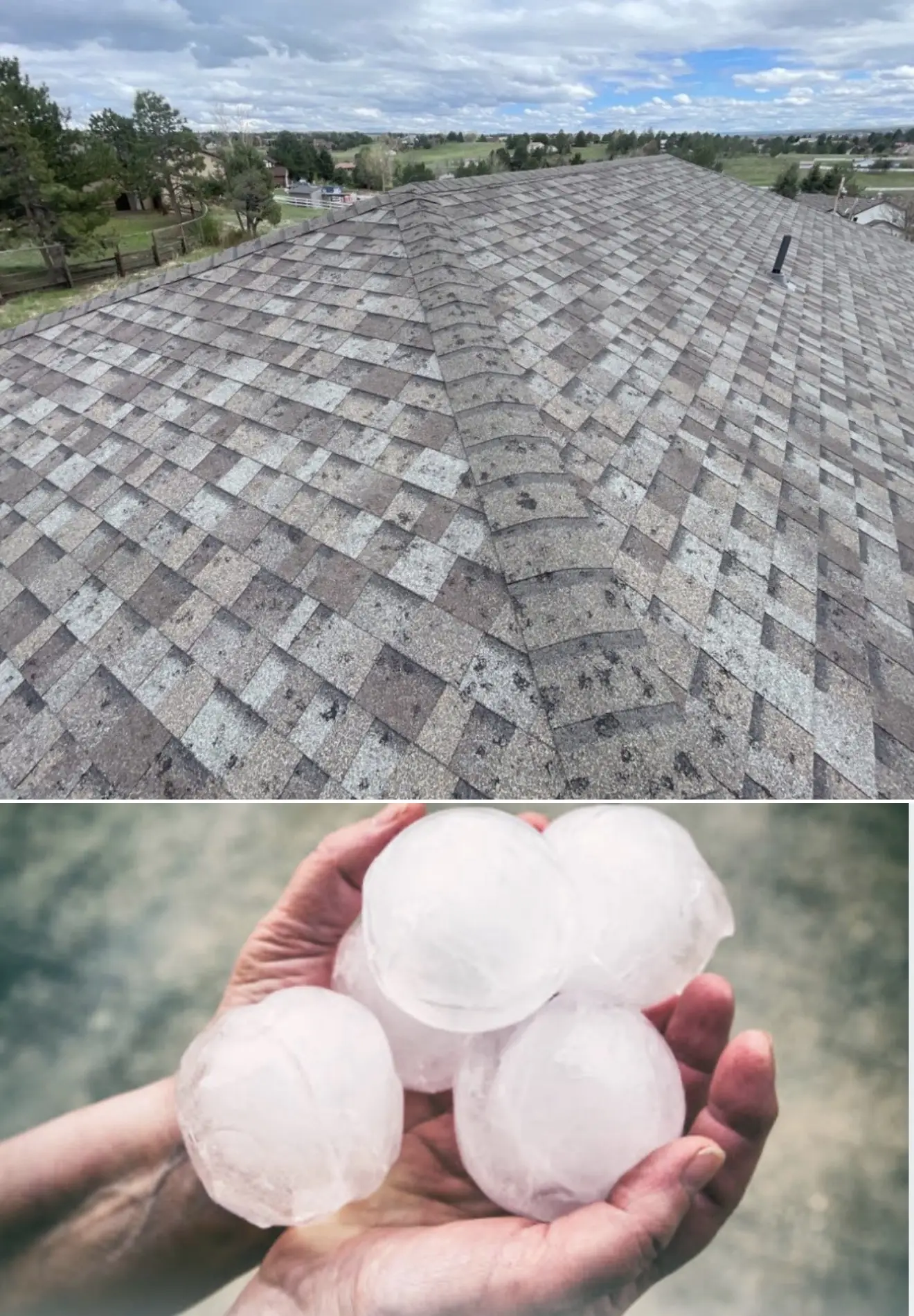
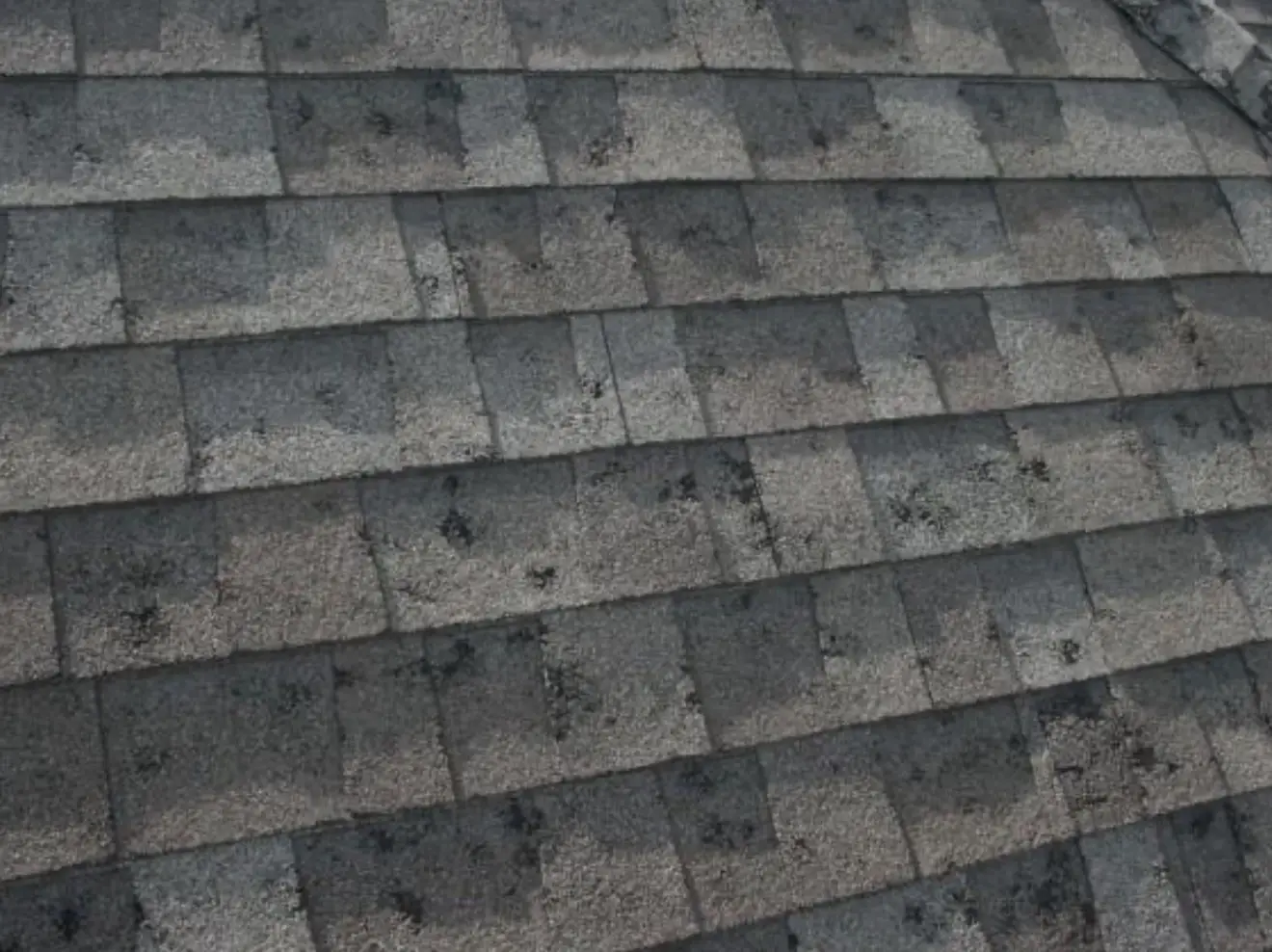
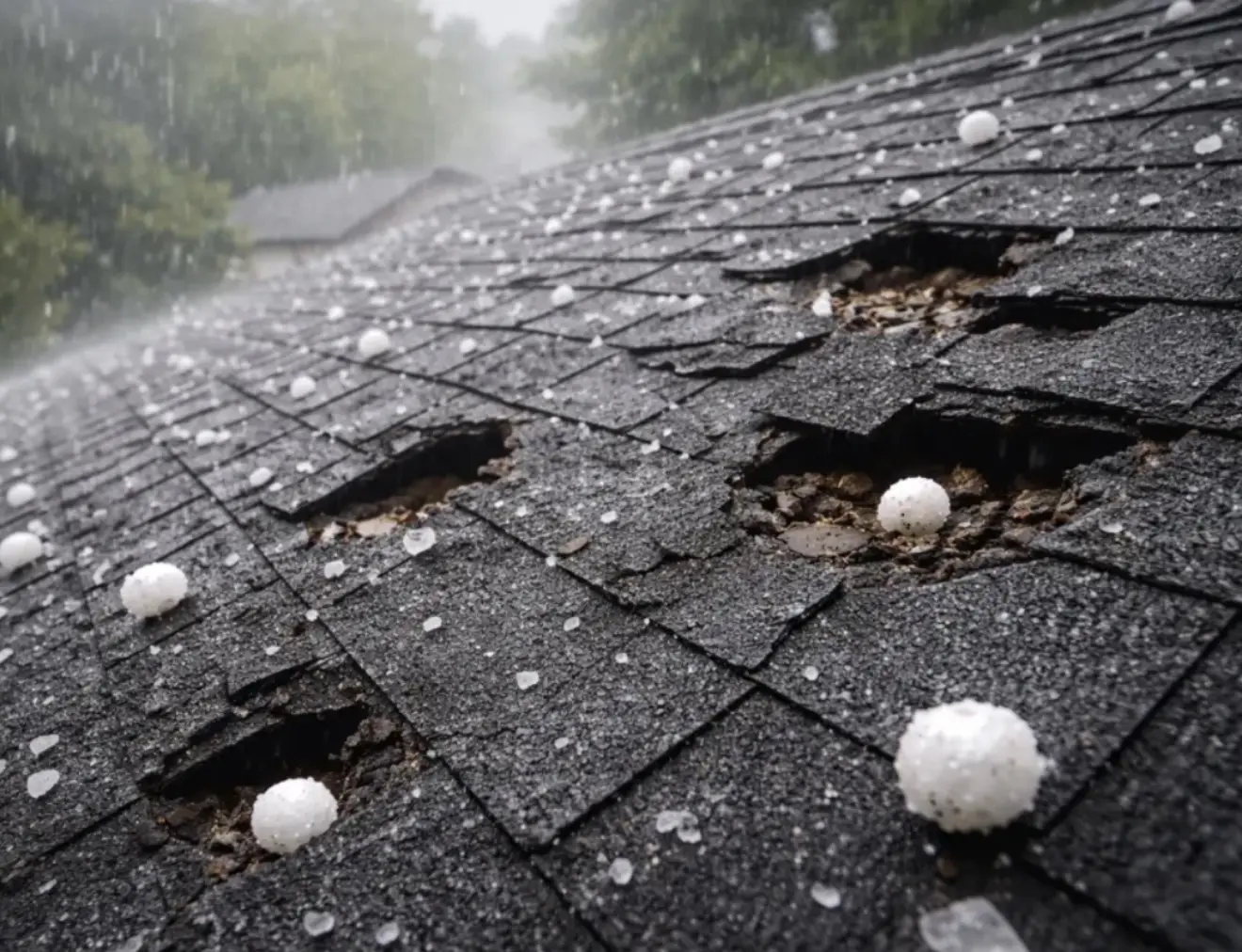
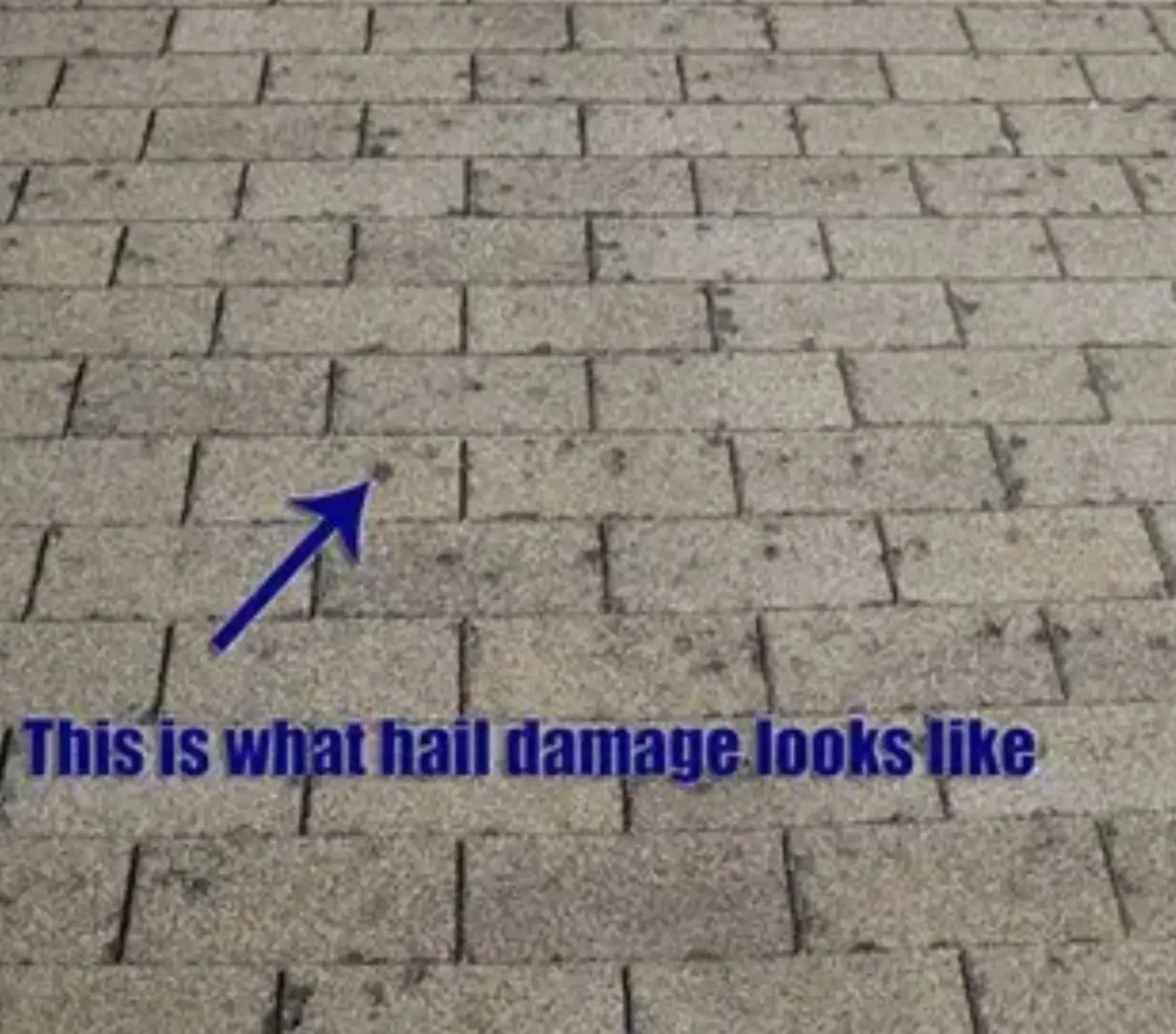
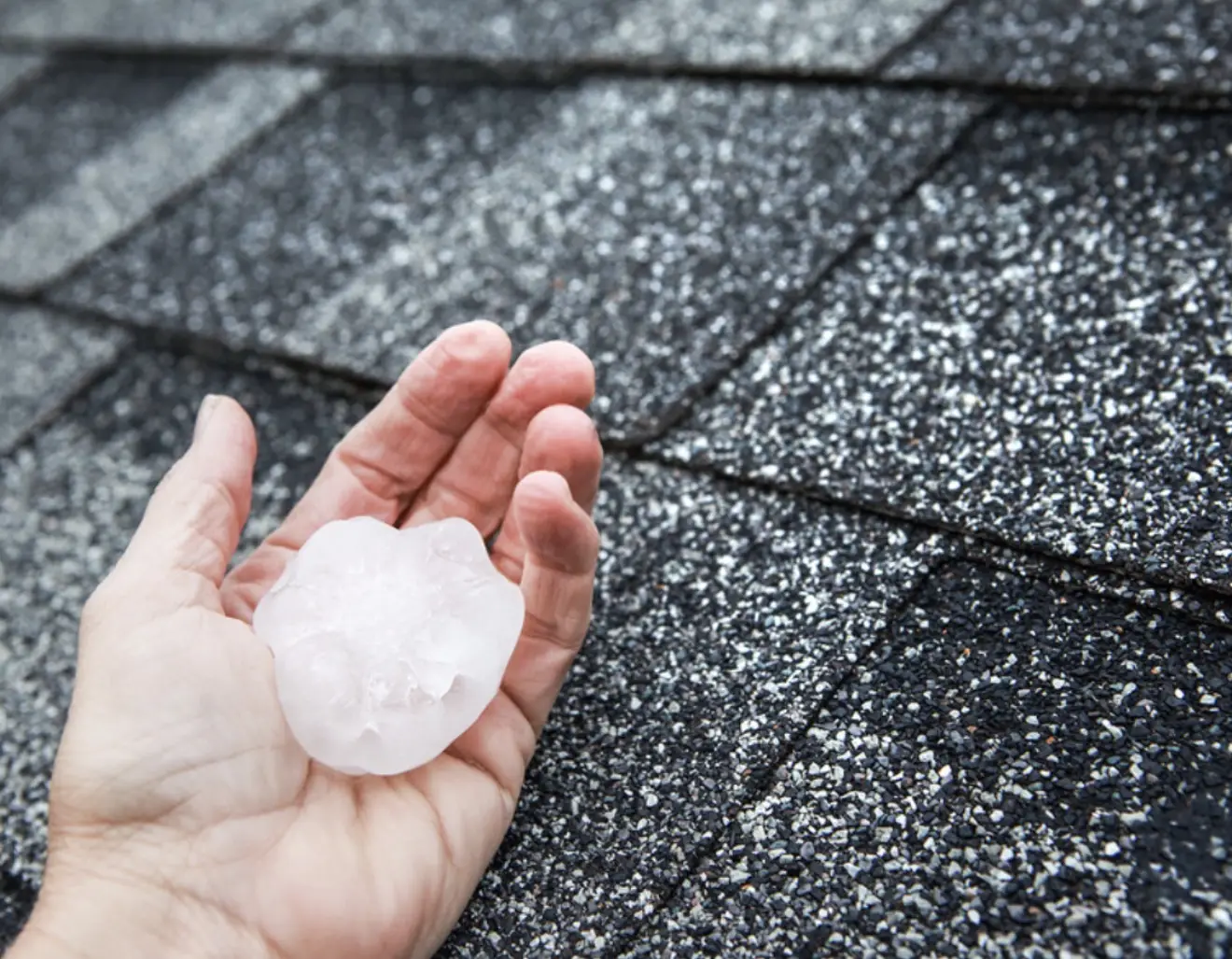
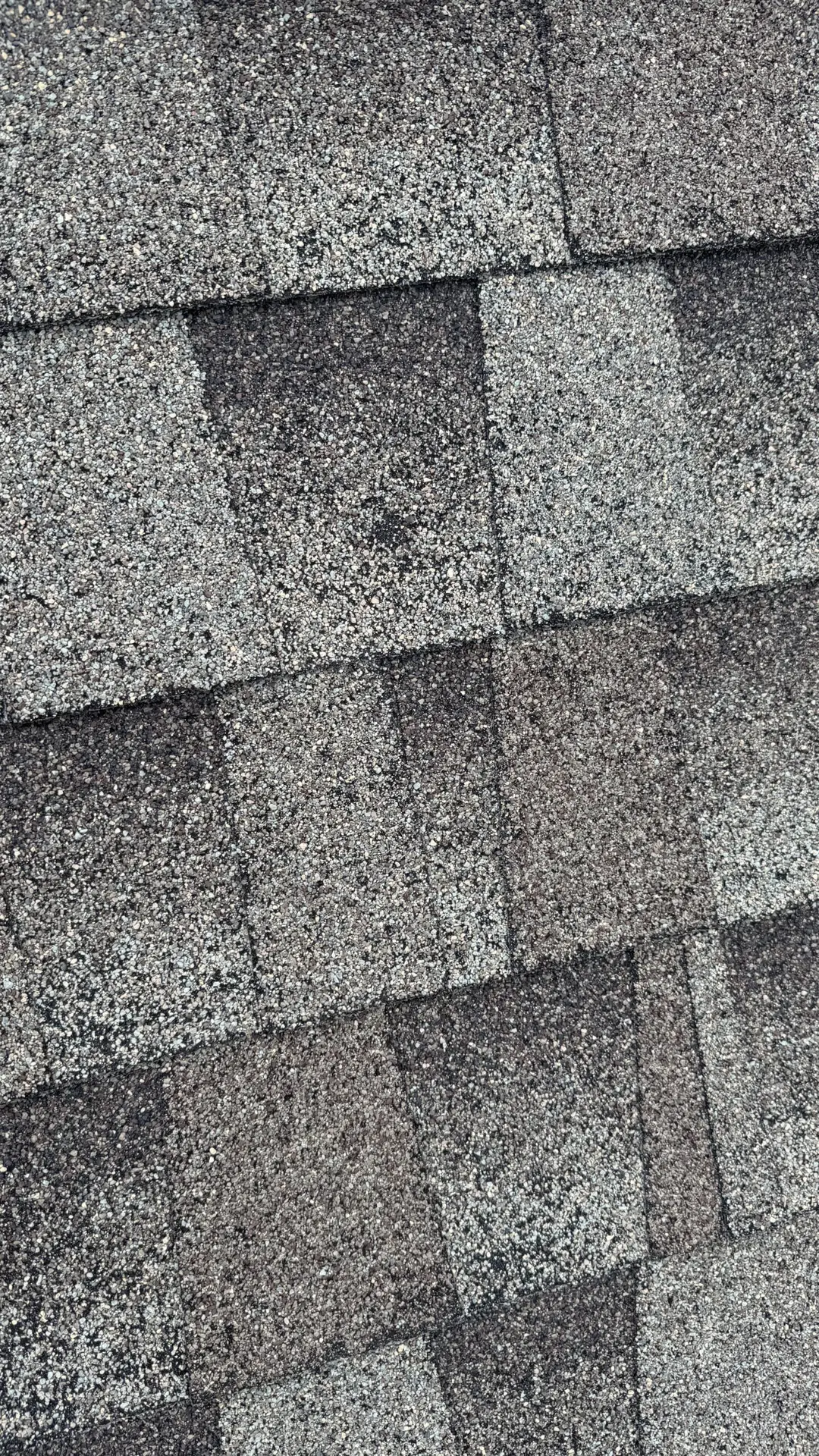
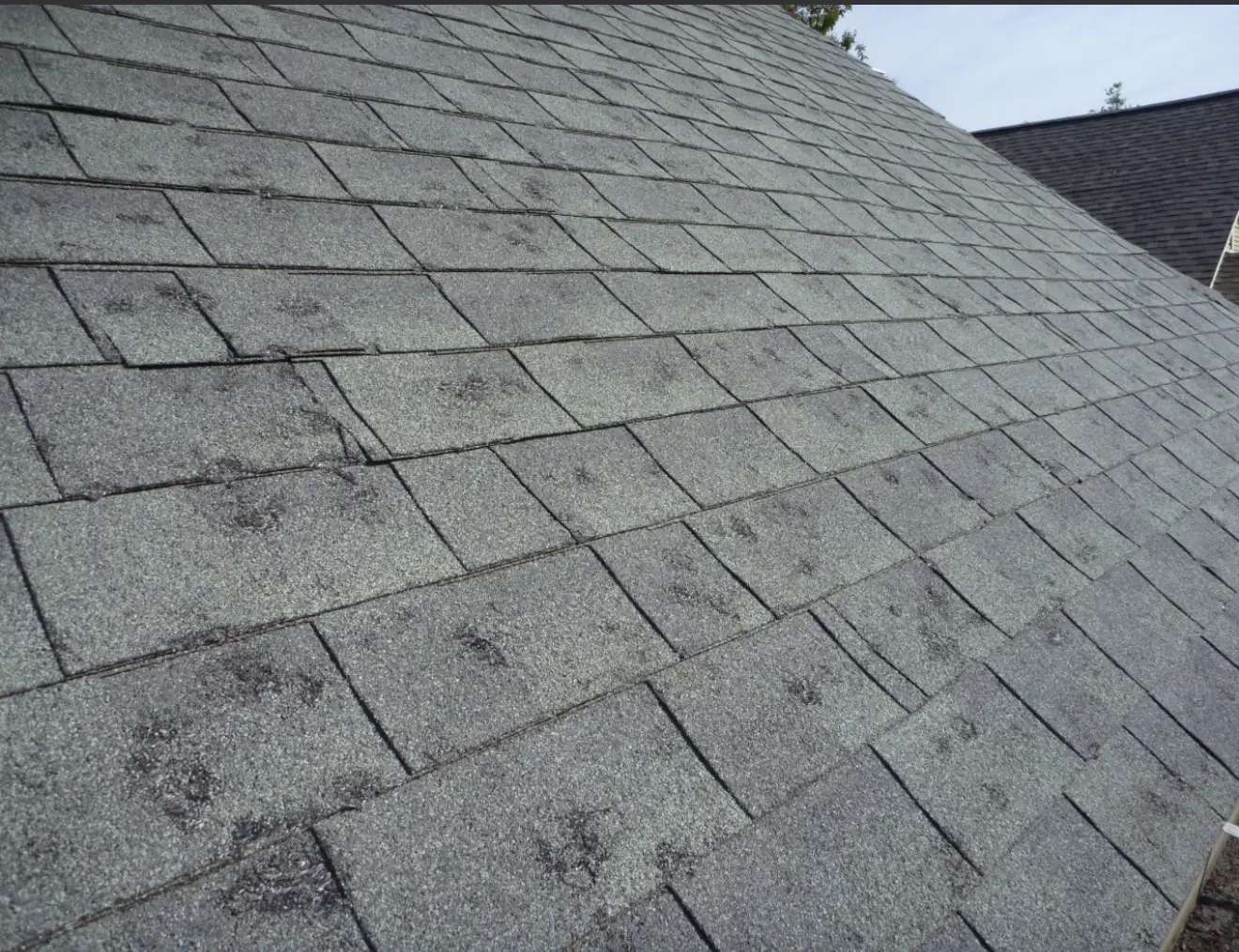
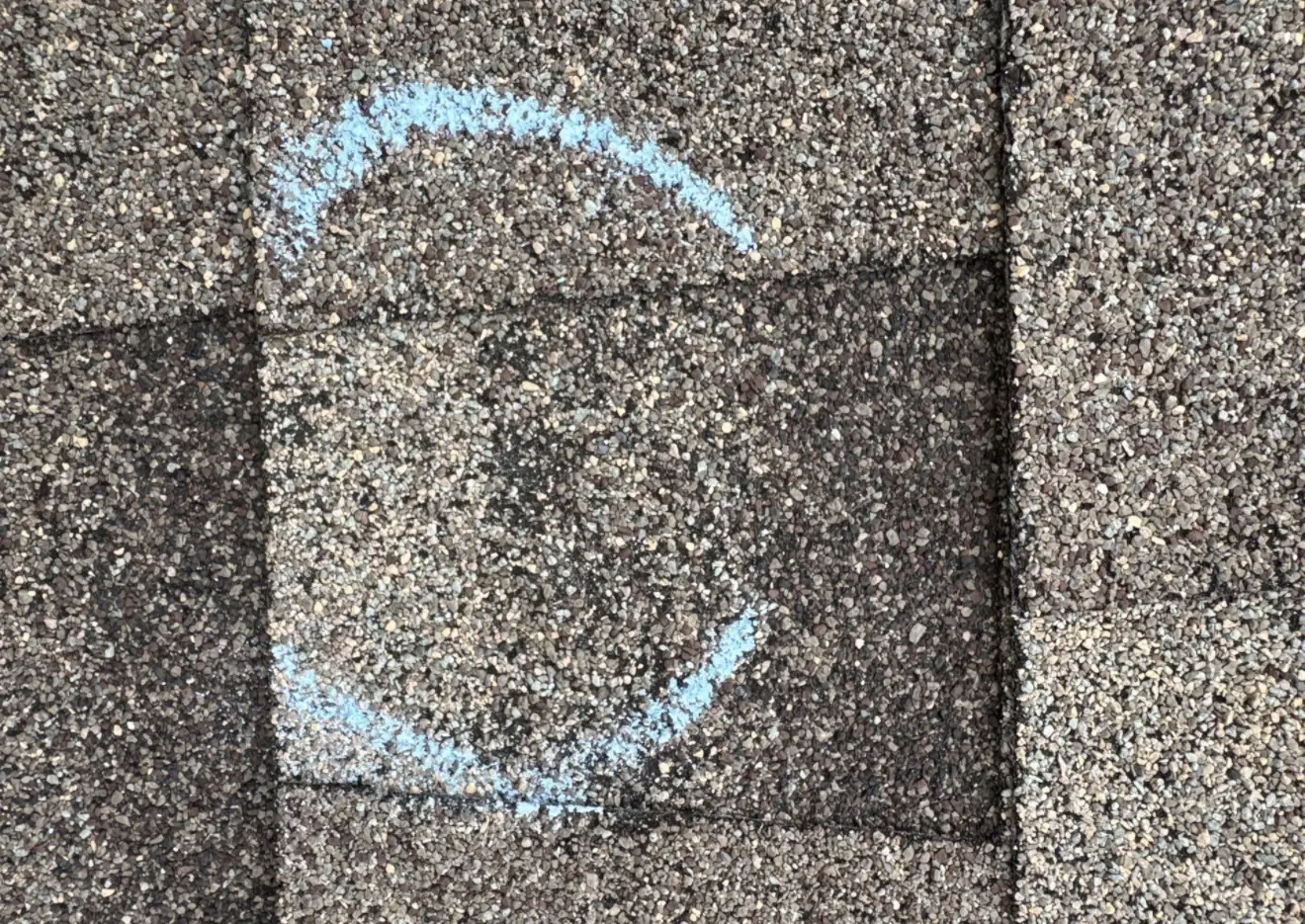
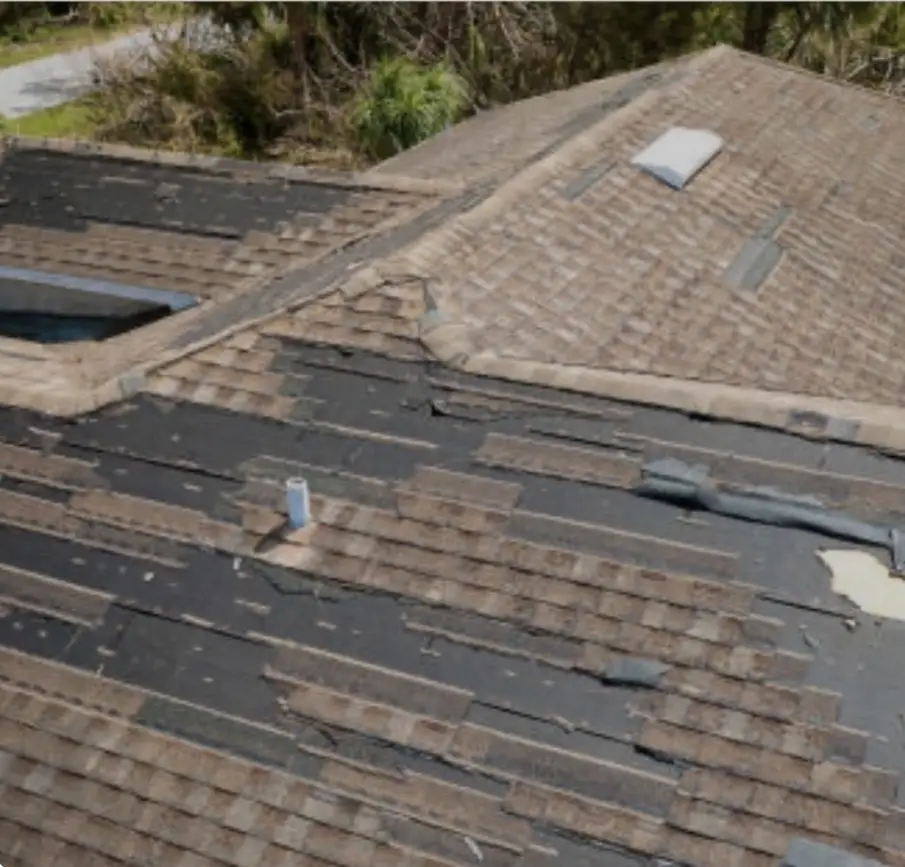
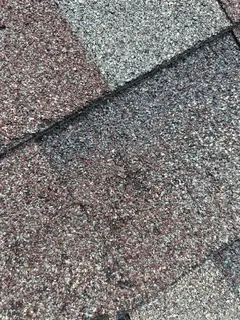
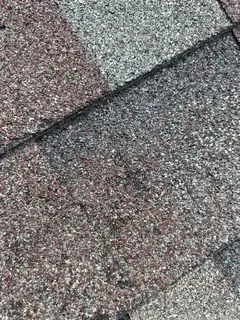
High winds can lift shingles, loosen fasteners, and damage roof edges. Once shingles lose their proper position, wind-driven rain may reach the underlying roofing layers. Hail can also bruise asphalt shingles, remove protective granules, and damage certain metal roofing components.
Heavy Rain and Falling Debris
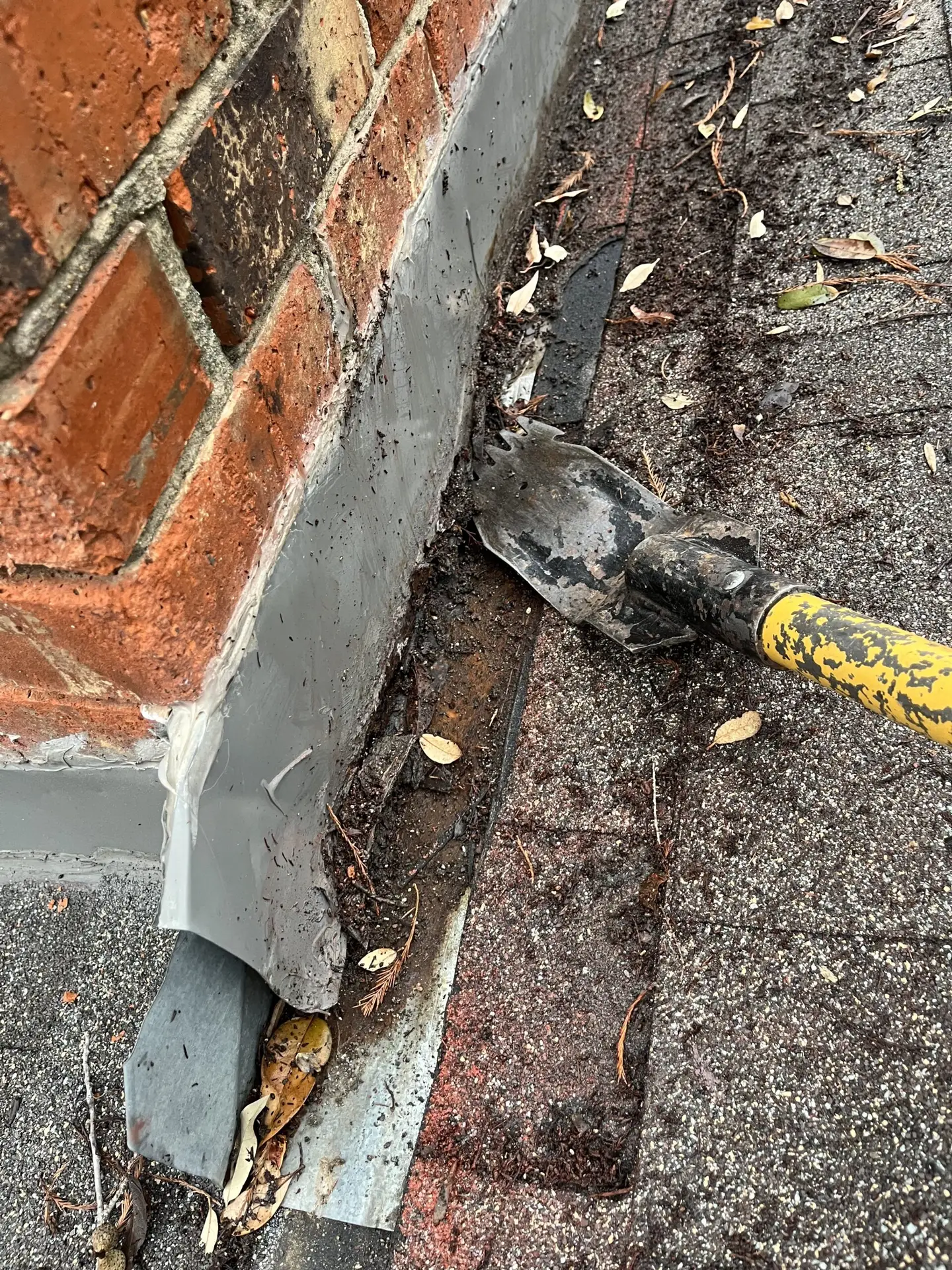
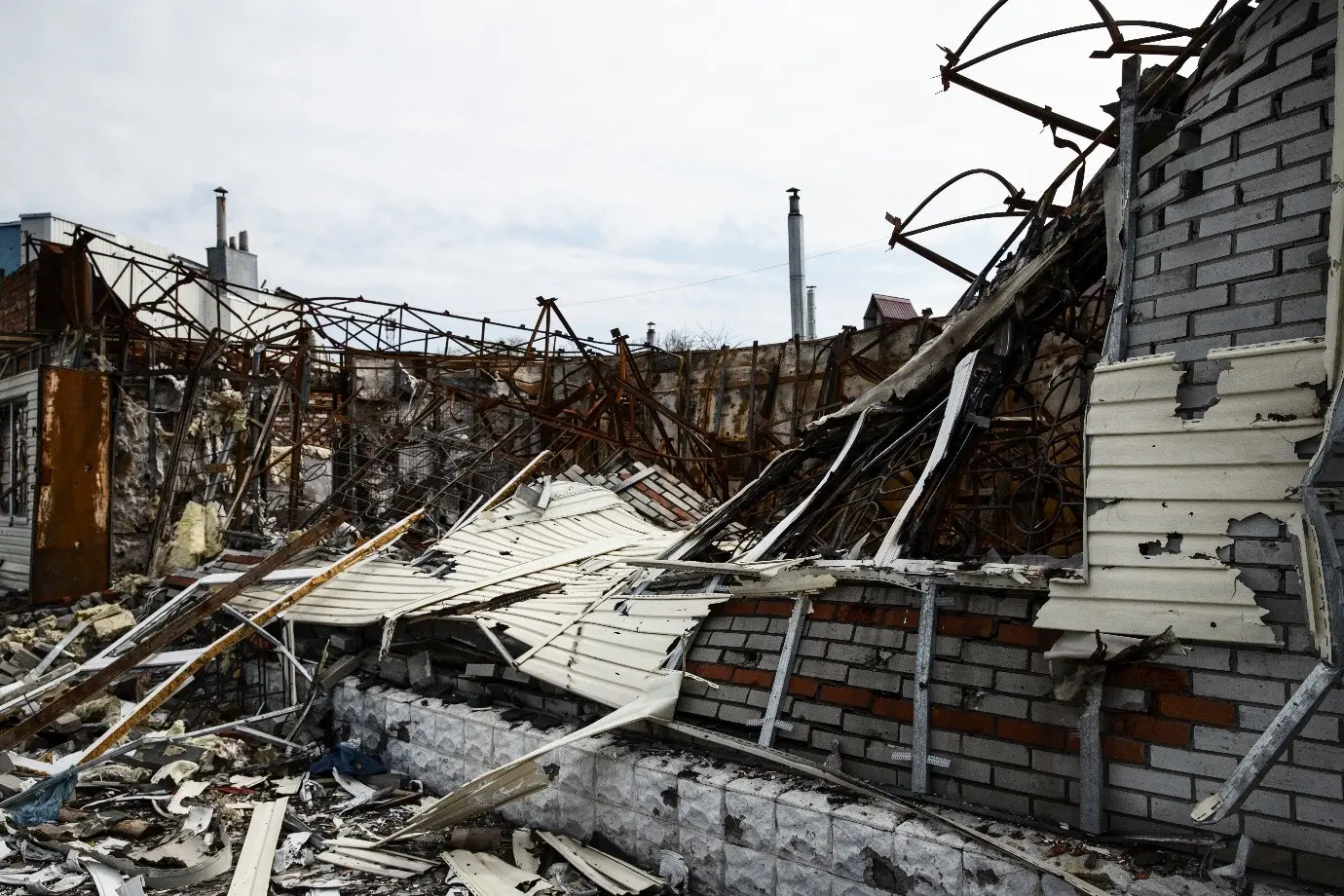
Heavy rain can expose problems around flashing, roof valleys, and older roofing materials. Water may enter through a small opening and travel beneath the roofing layers before appearing as a ceiling stain. Falling branches can also damage shingles and other roofing components. Larger impacts may cause more serious problems that require prompt attention.
Look for Signs of Water Entering Your Home
Roof damage does not always produce an immediate leak. Sometimes, water takes time to pass through the roofing layers and reach the interior. Check ceilings, walls, and accessible attic areas for changes after severe weather.
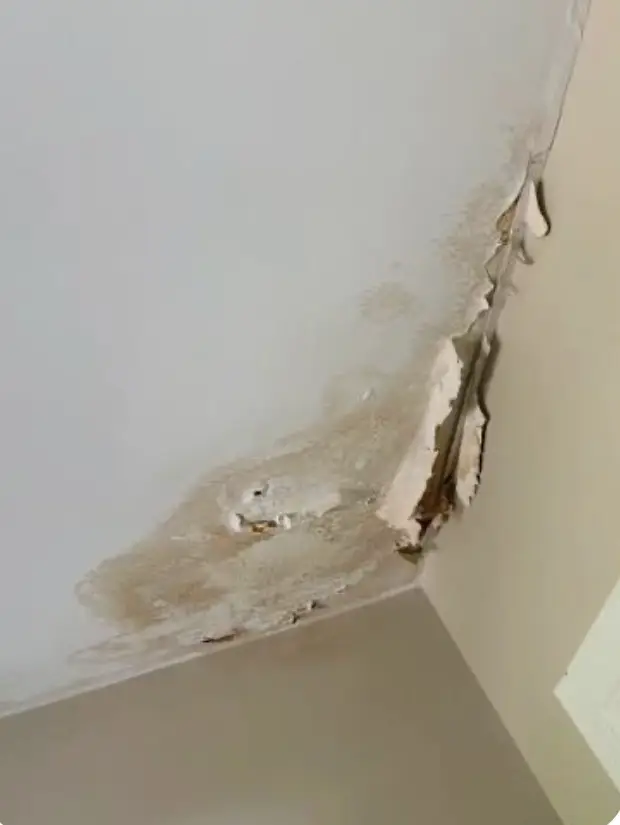
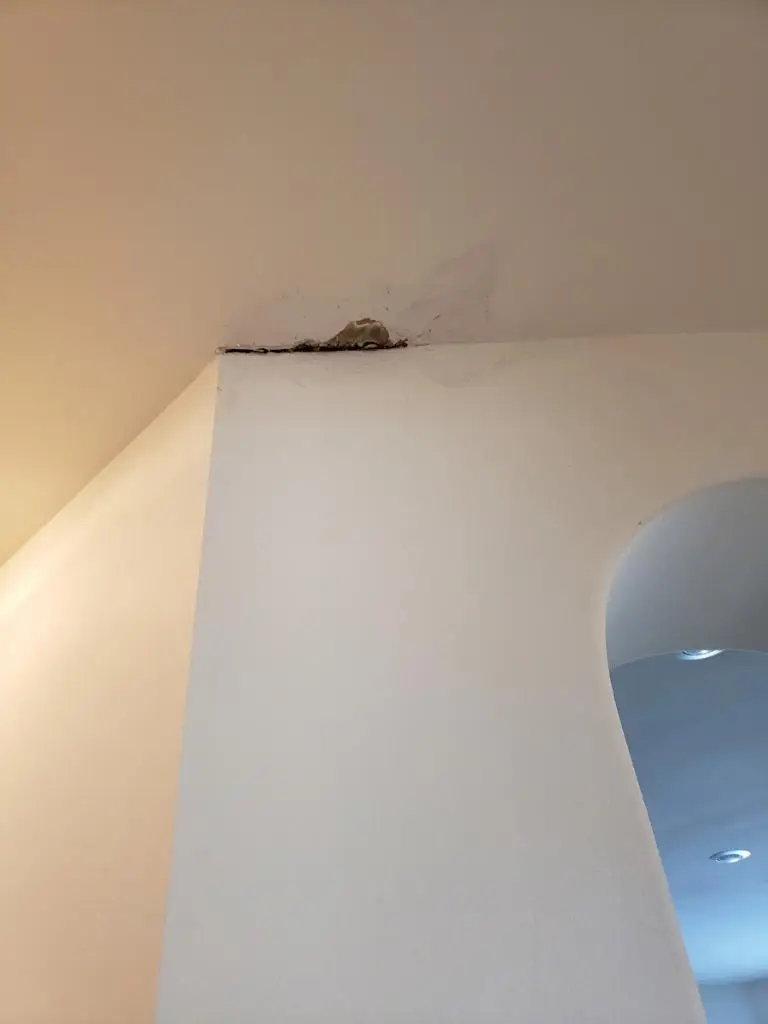
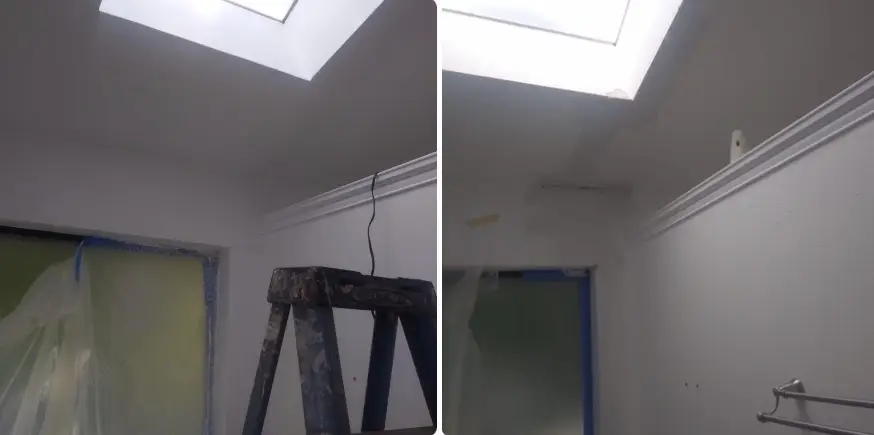
Common warning signs include brown ceiling stains, peeling paint, bubbling drywall, damp insulation, and musty odors. Water near windows or walls may also appear after heavy rain. Although these issues can have other causes, they deserve attention when they develop following a storm.
If water is entering your home, move furniture and valuables away from the affected area when safe. Place a container under a manageable drip, but avoid touching wet electrical fixtures or entering areas where the ceiling appears swollen or unstable.
Arrange a Professional Roof Inspection
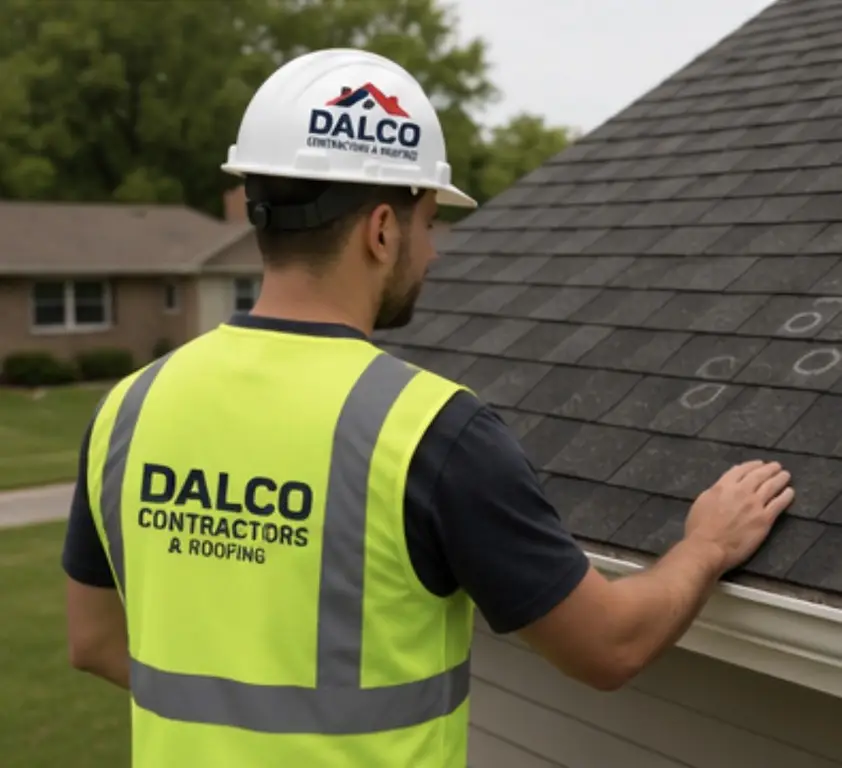
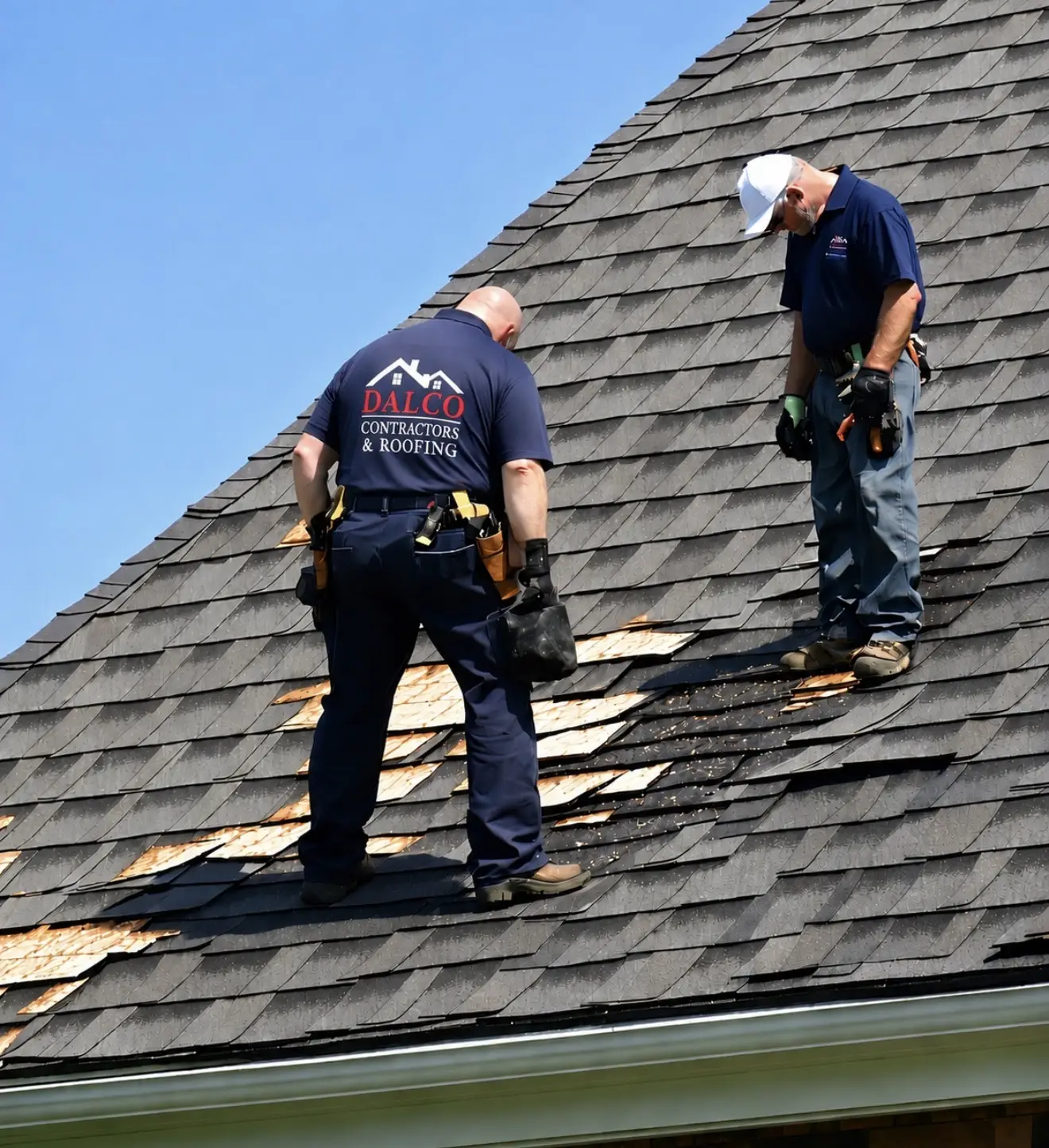
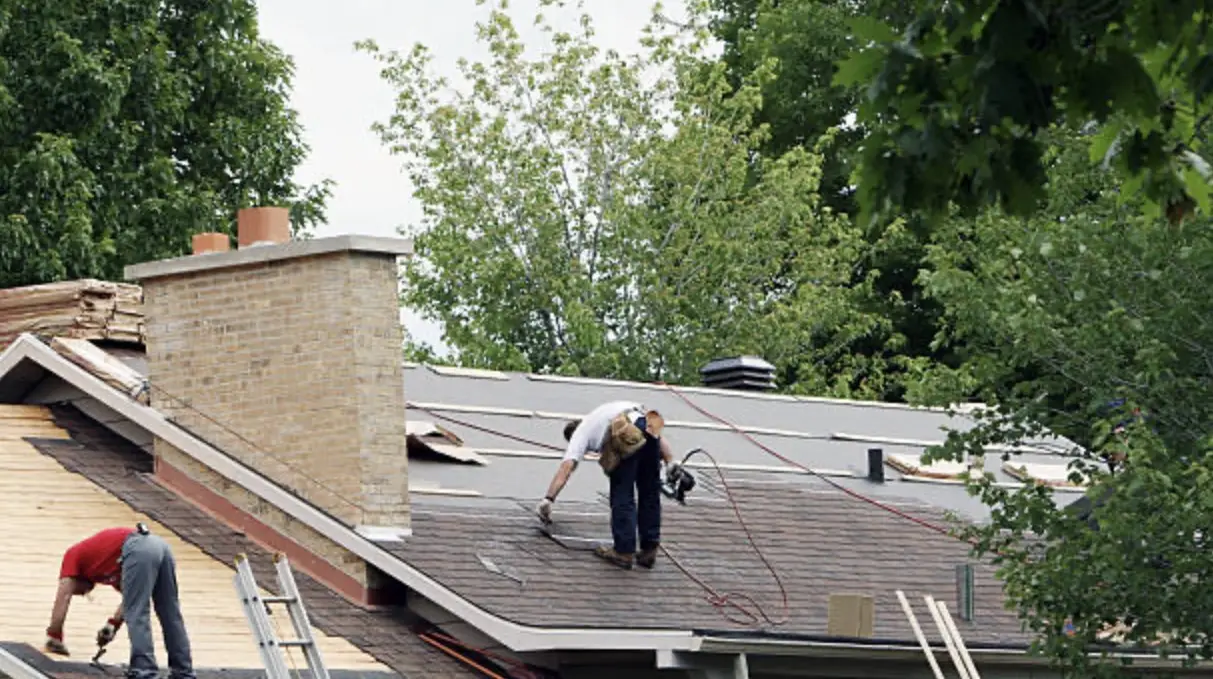
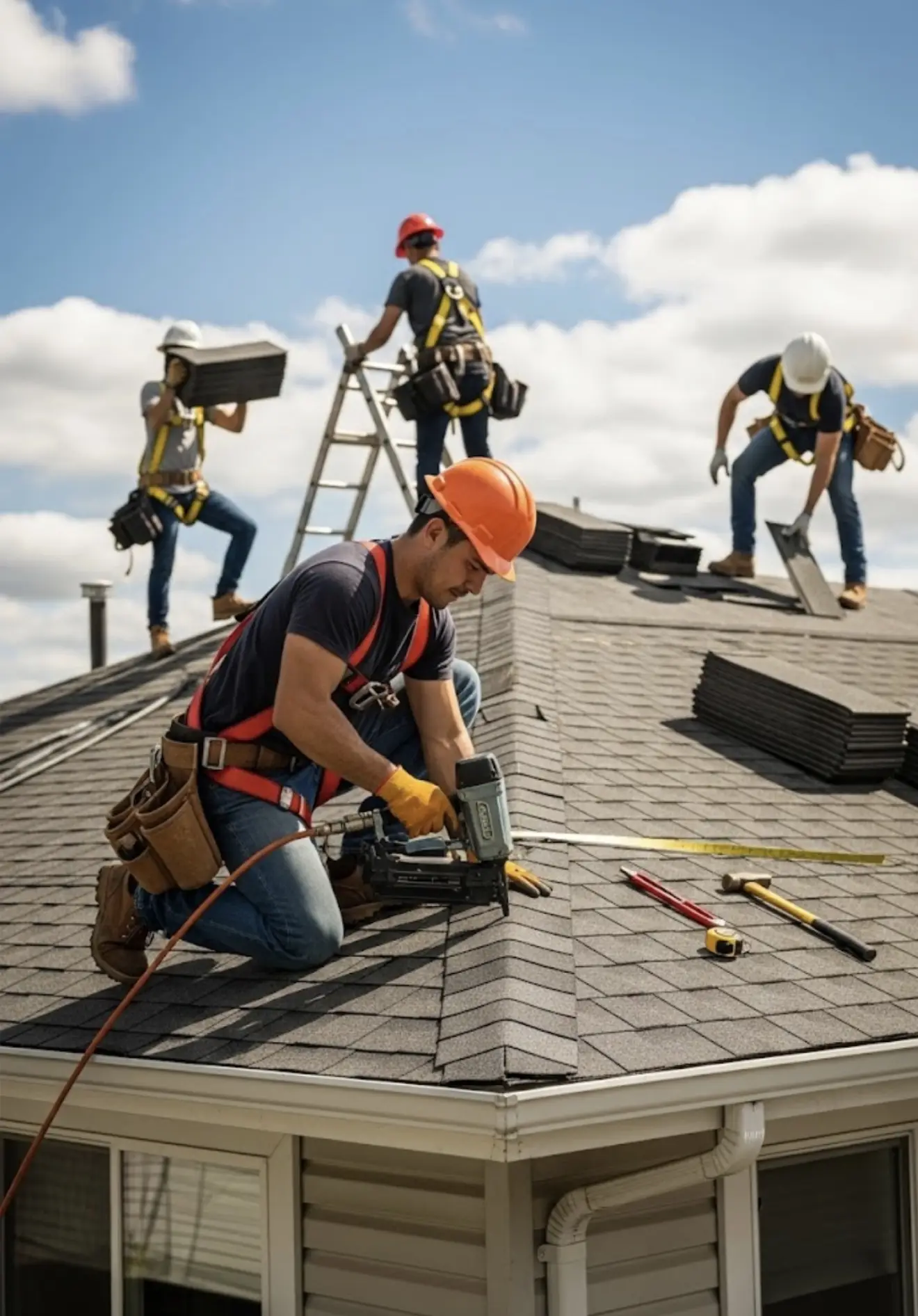
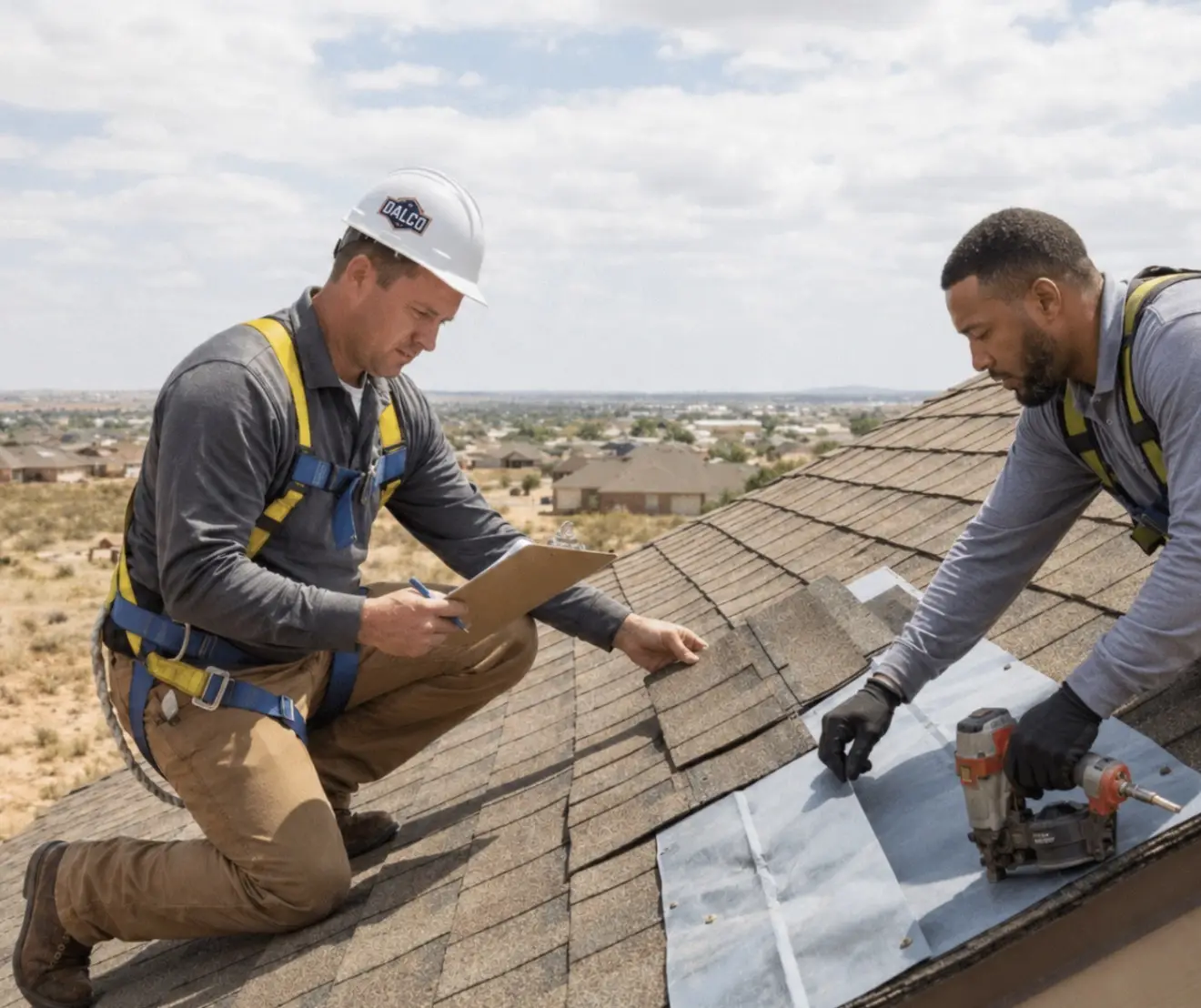
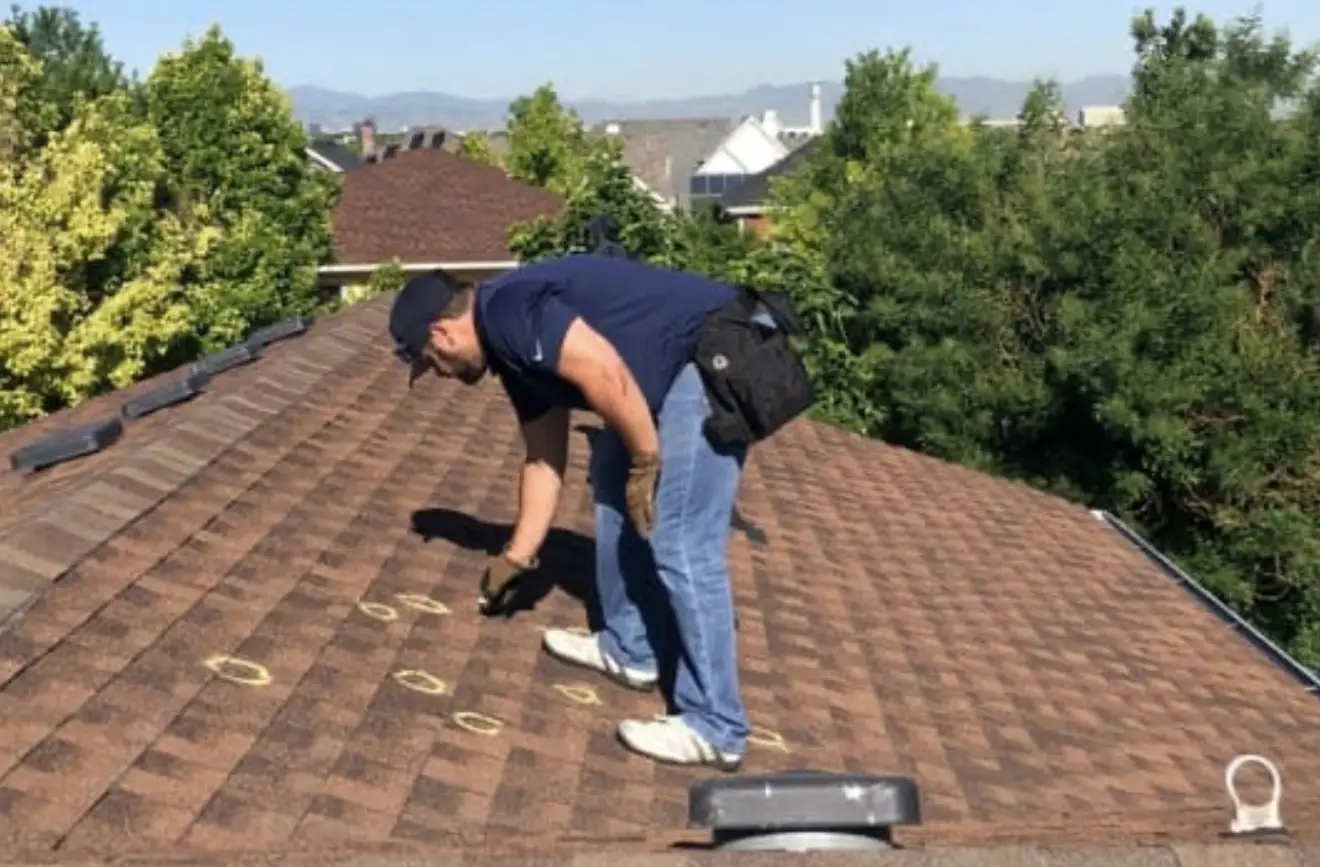
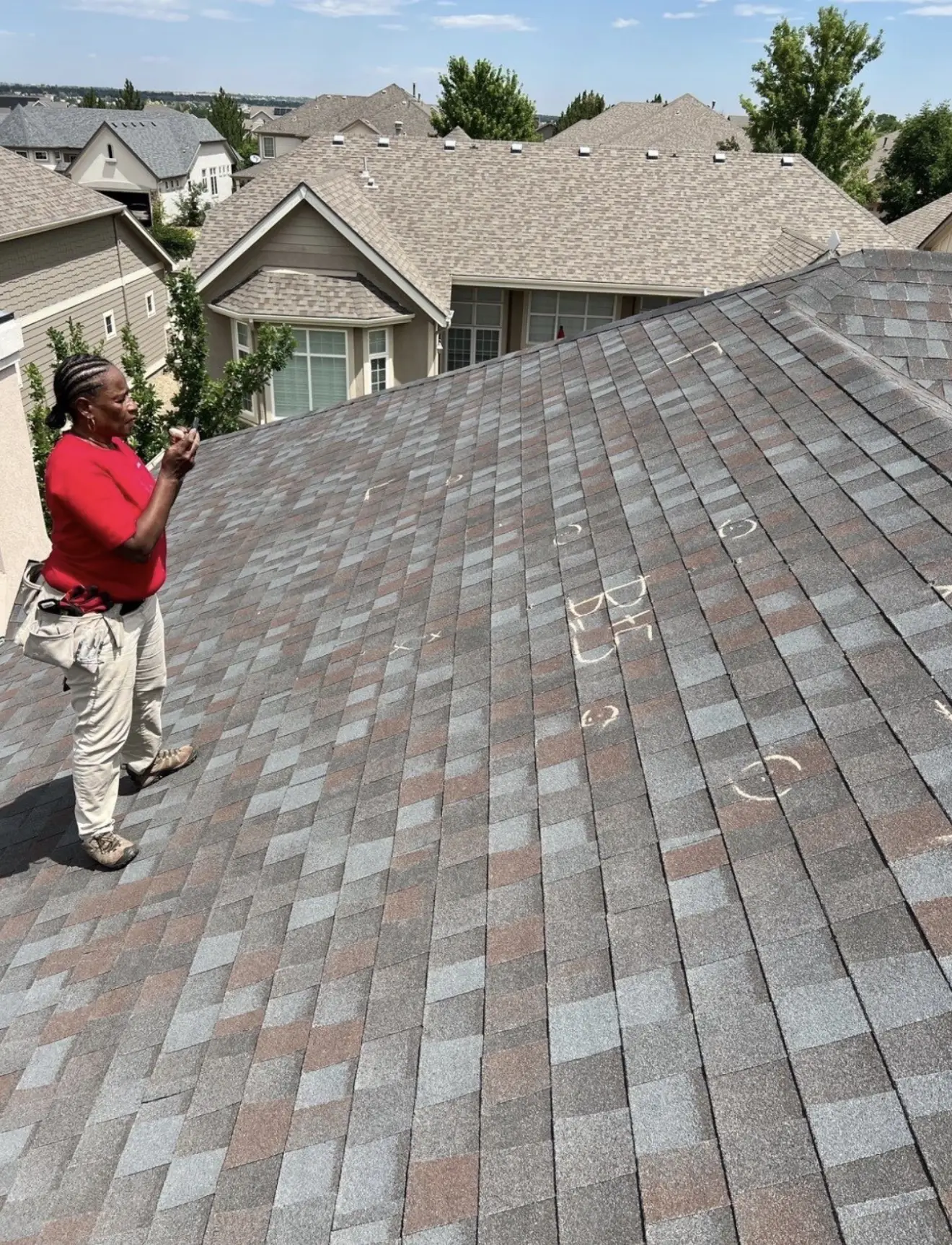
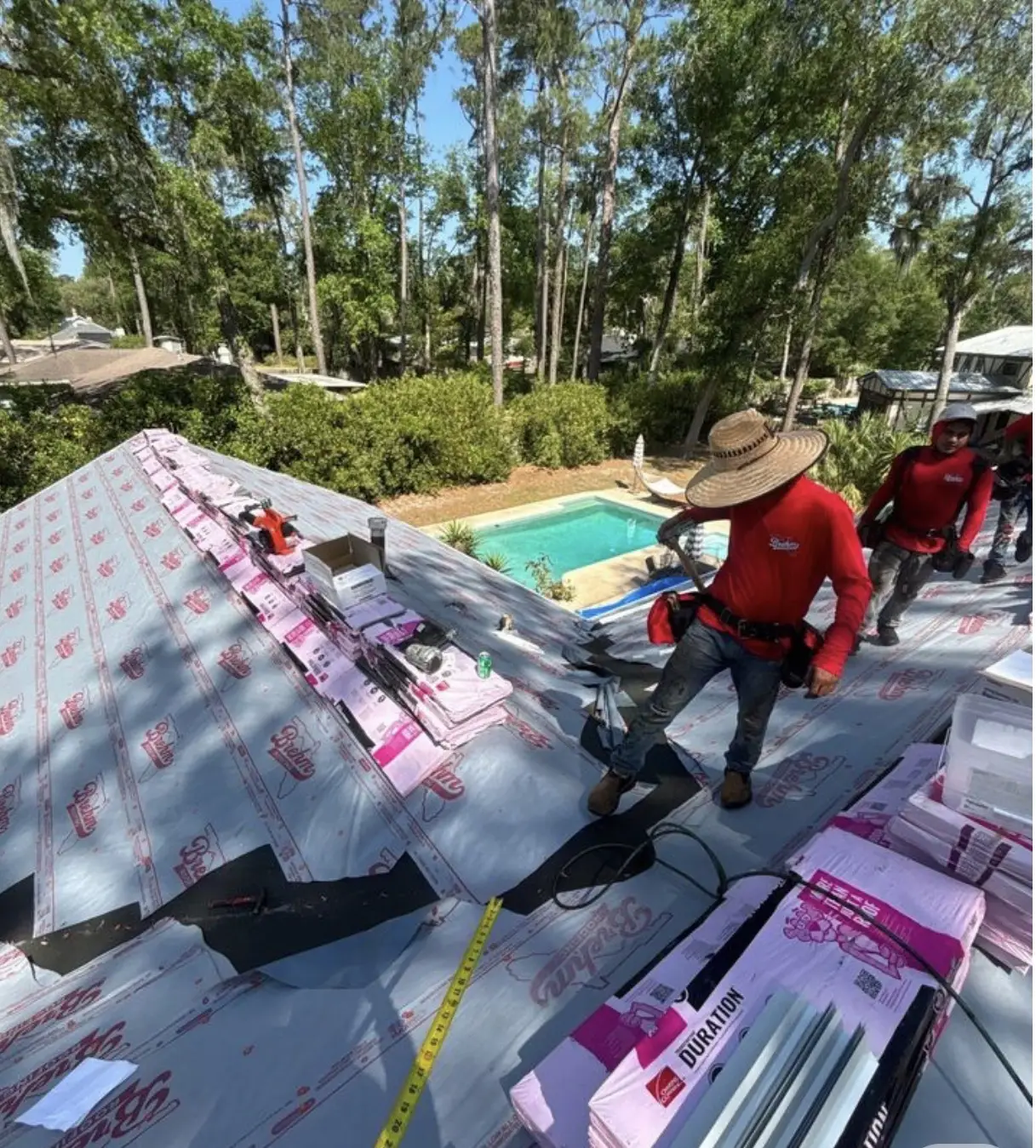
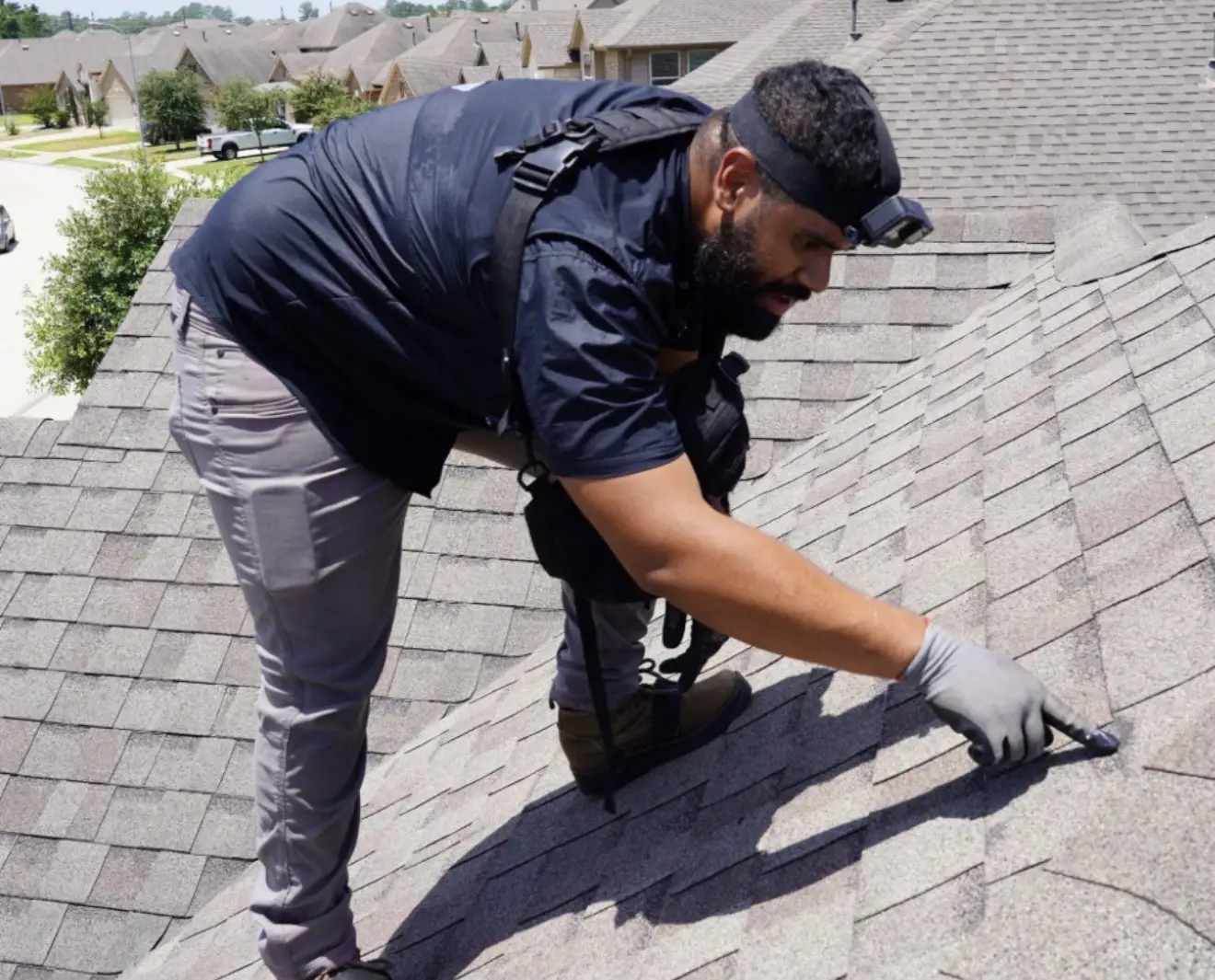
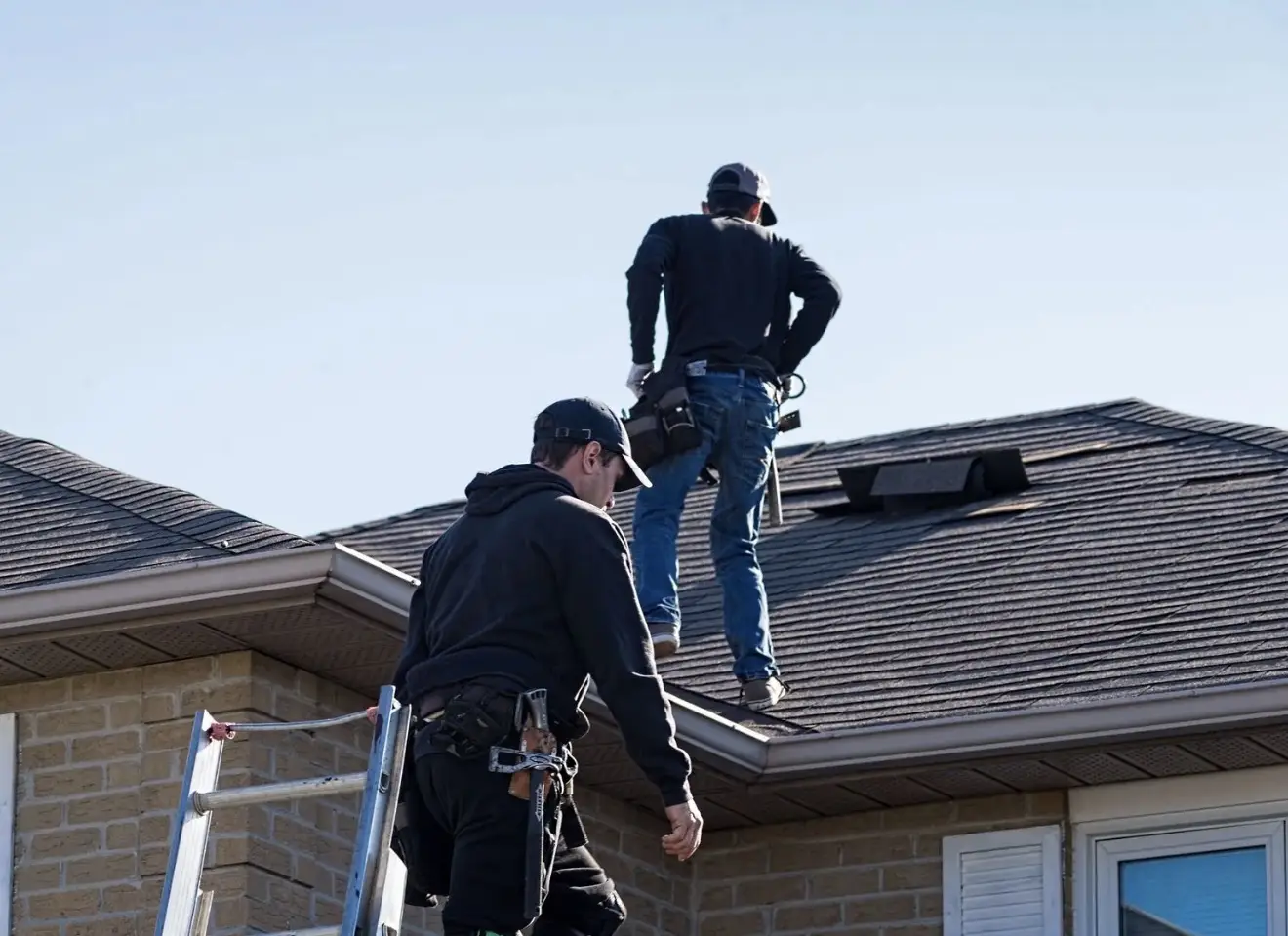
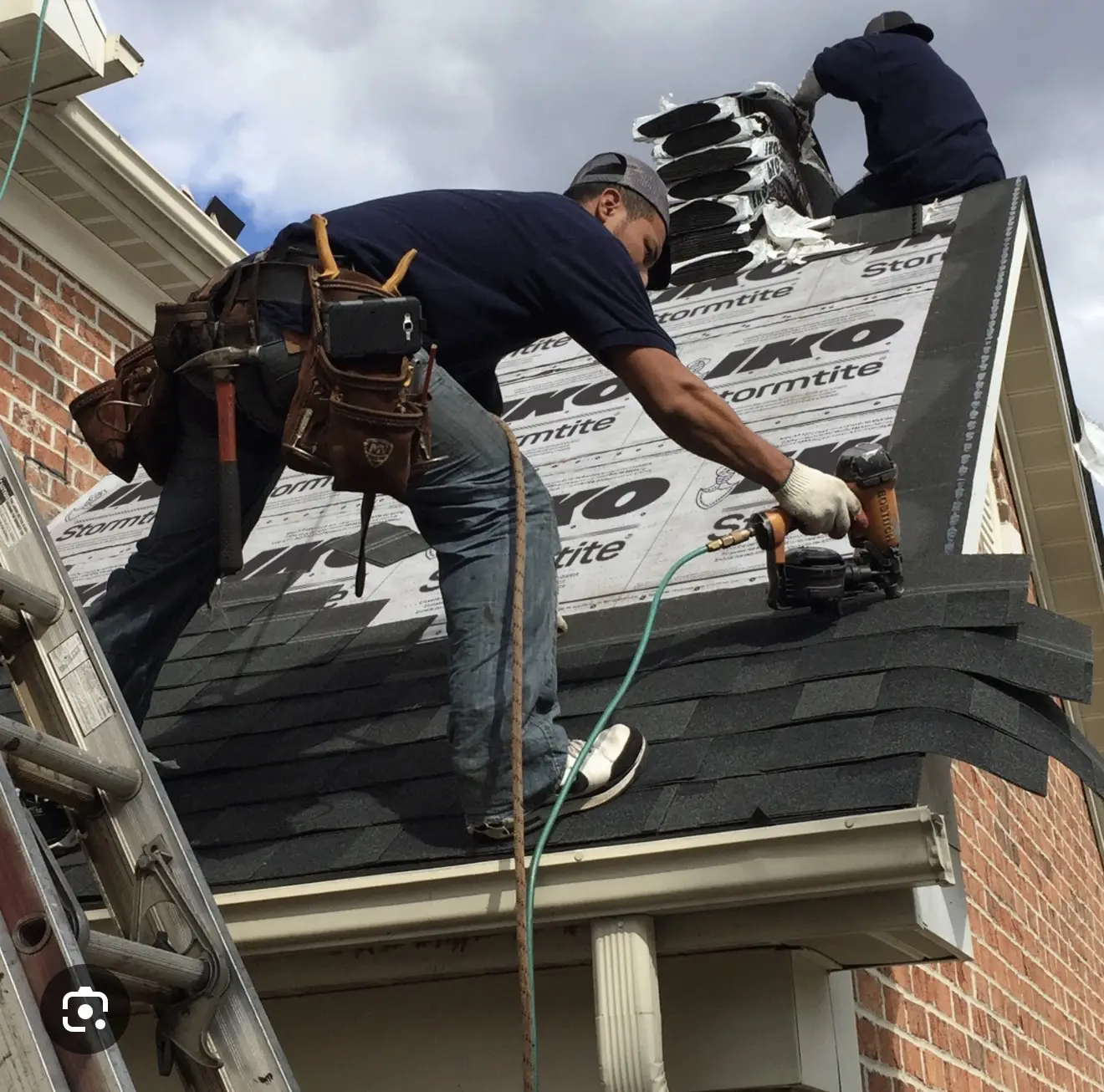
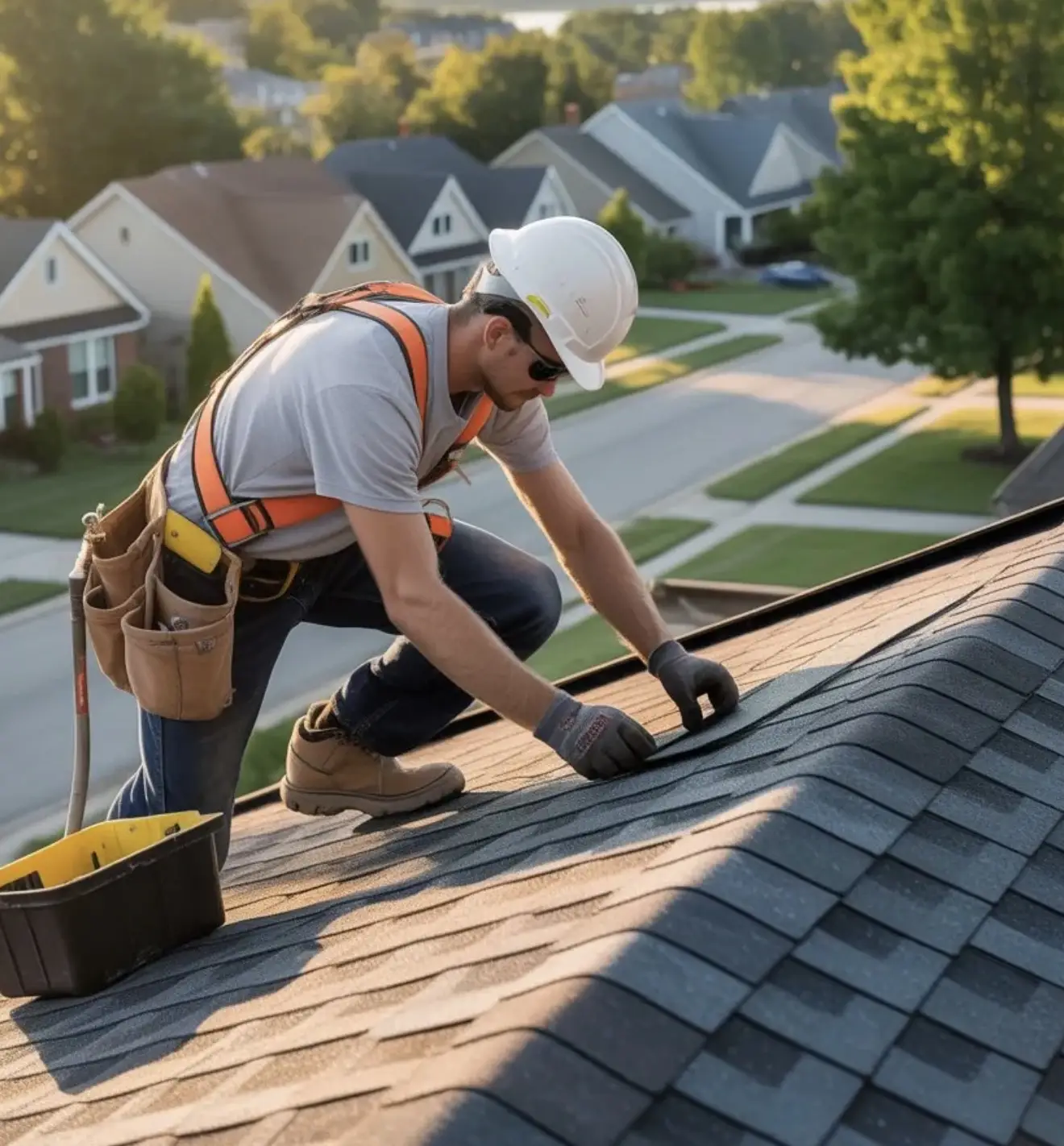
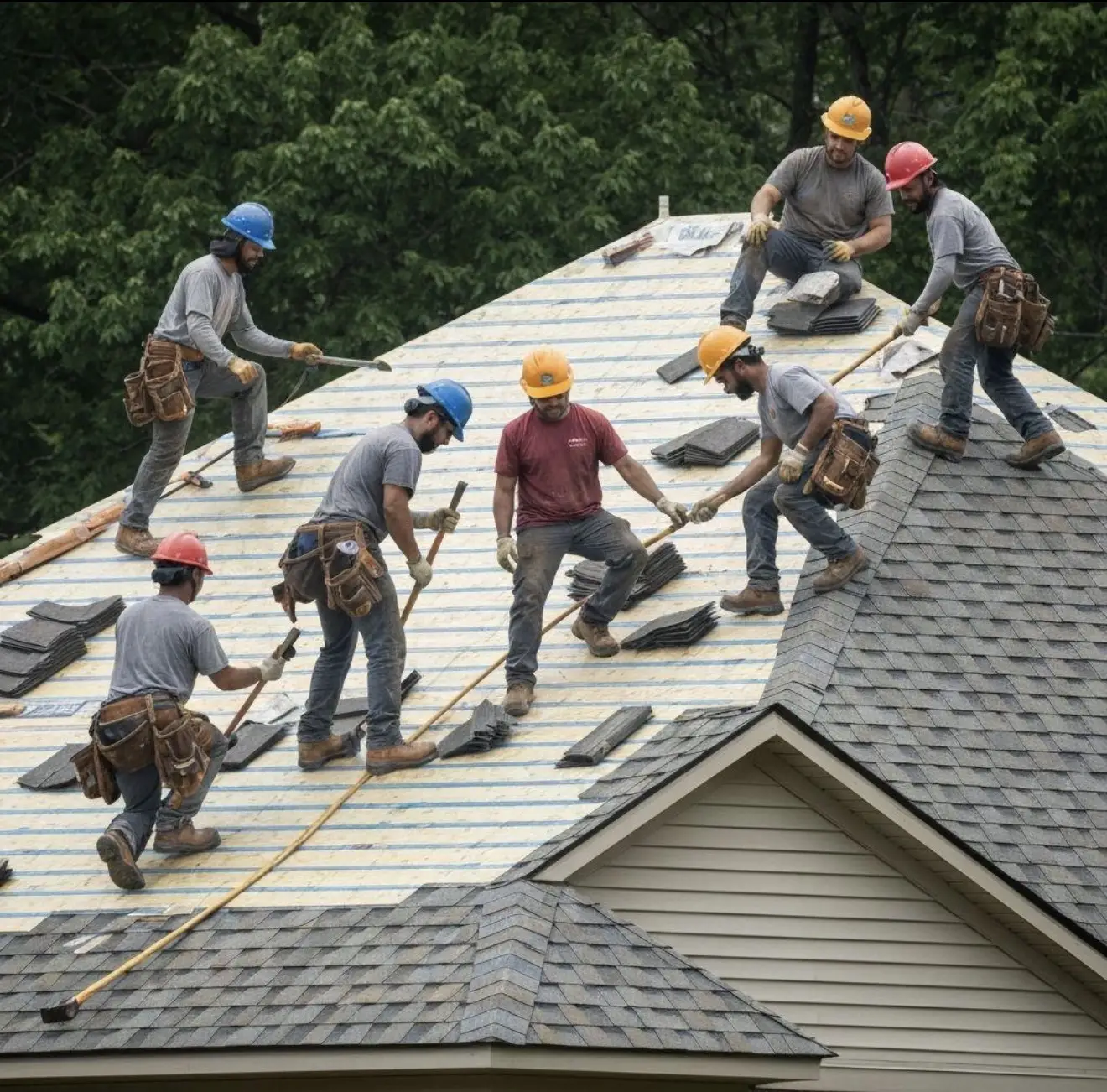
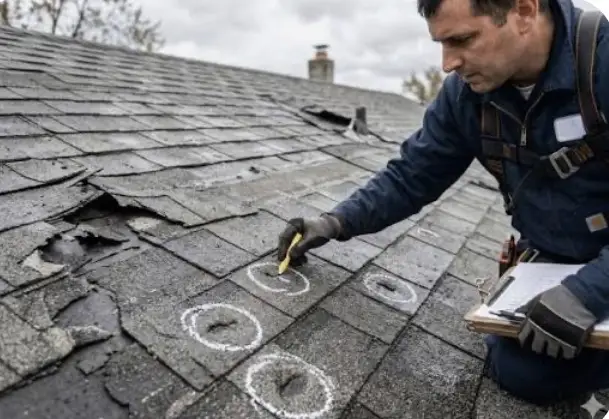
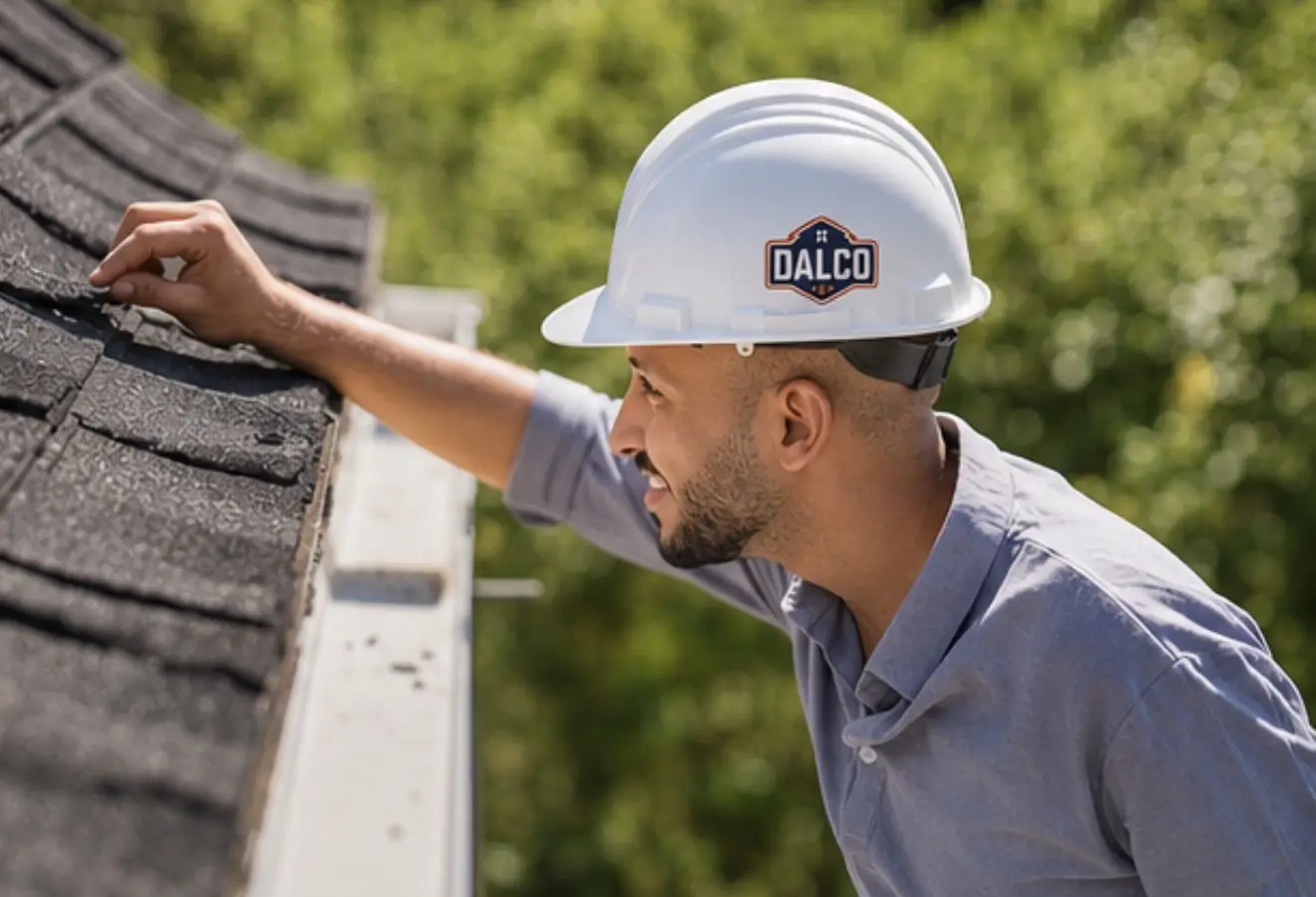
A professional inspection can identify problems that are difficult to see from the ground. A roofing contractor may examine shingles, flashing, roof penetrations, valleys, gutters, and other components that help keep water out.
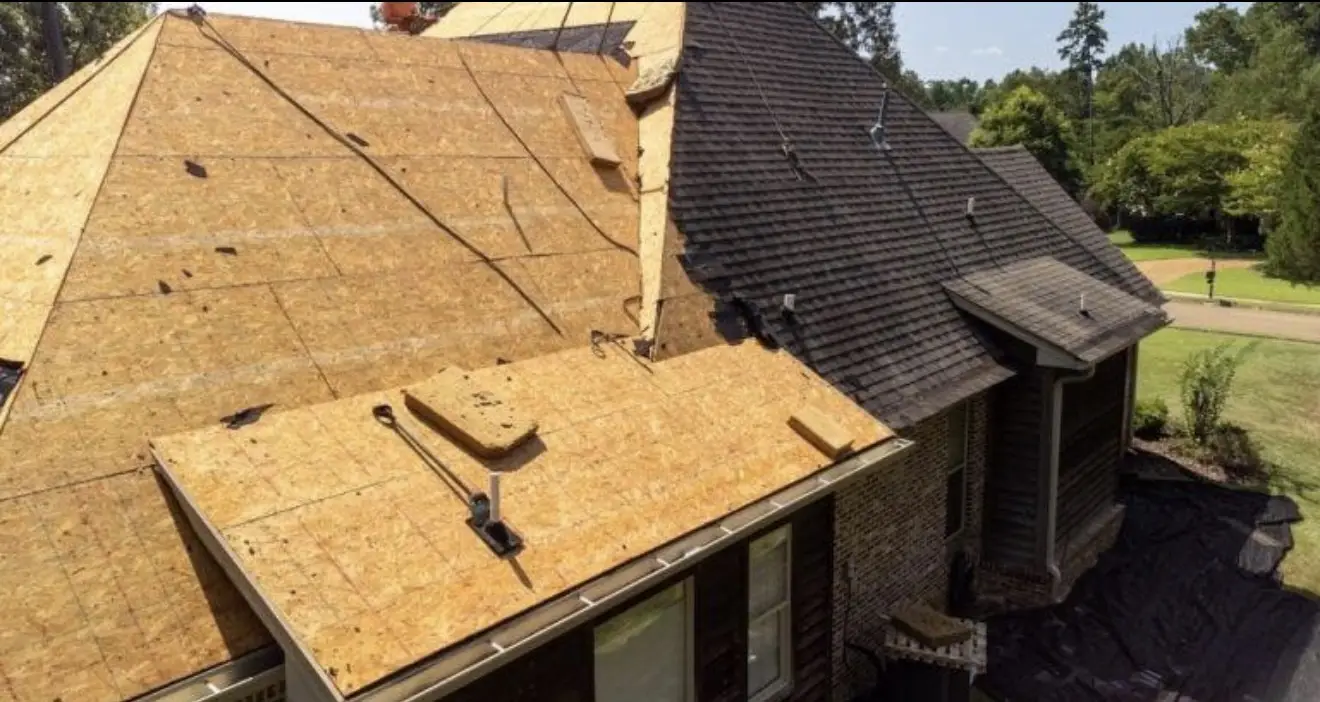
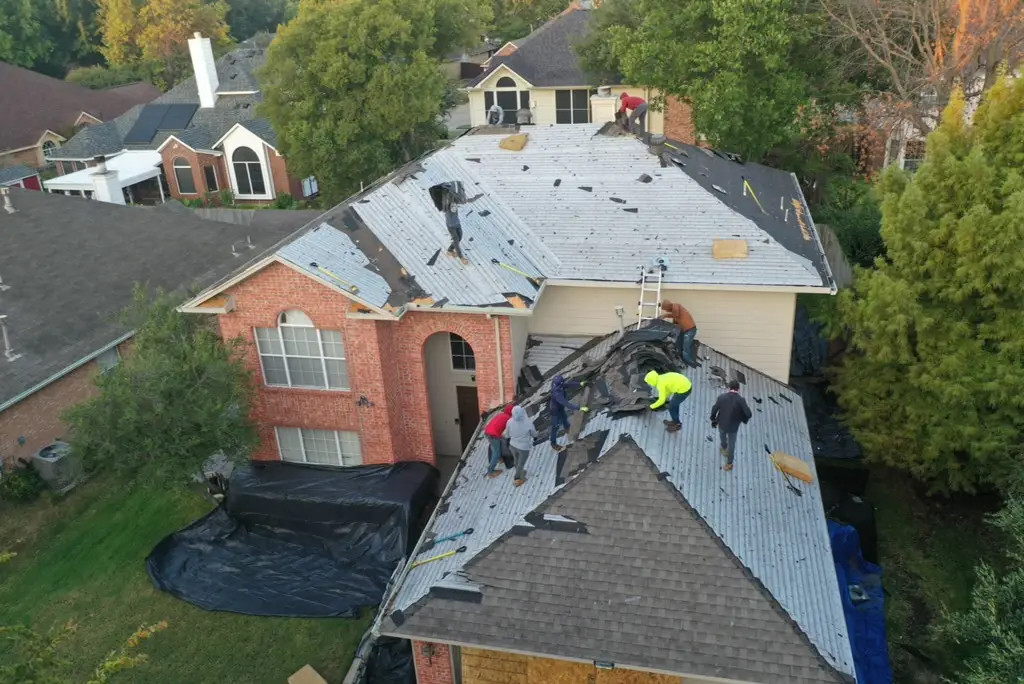
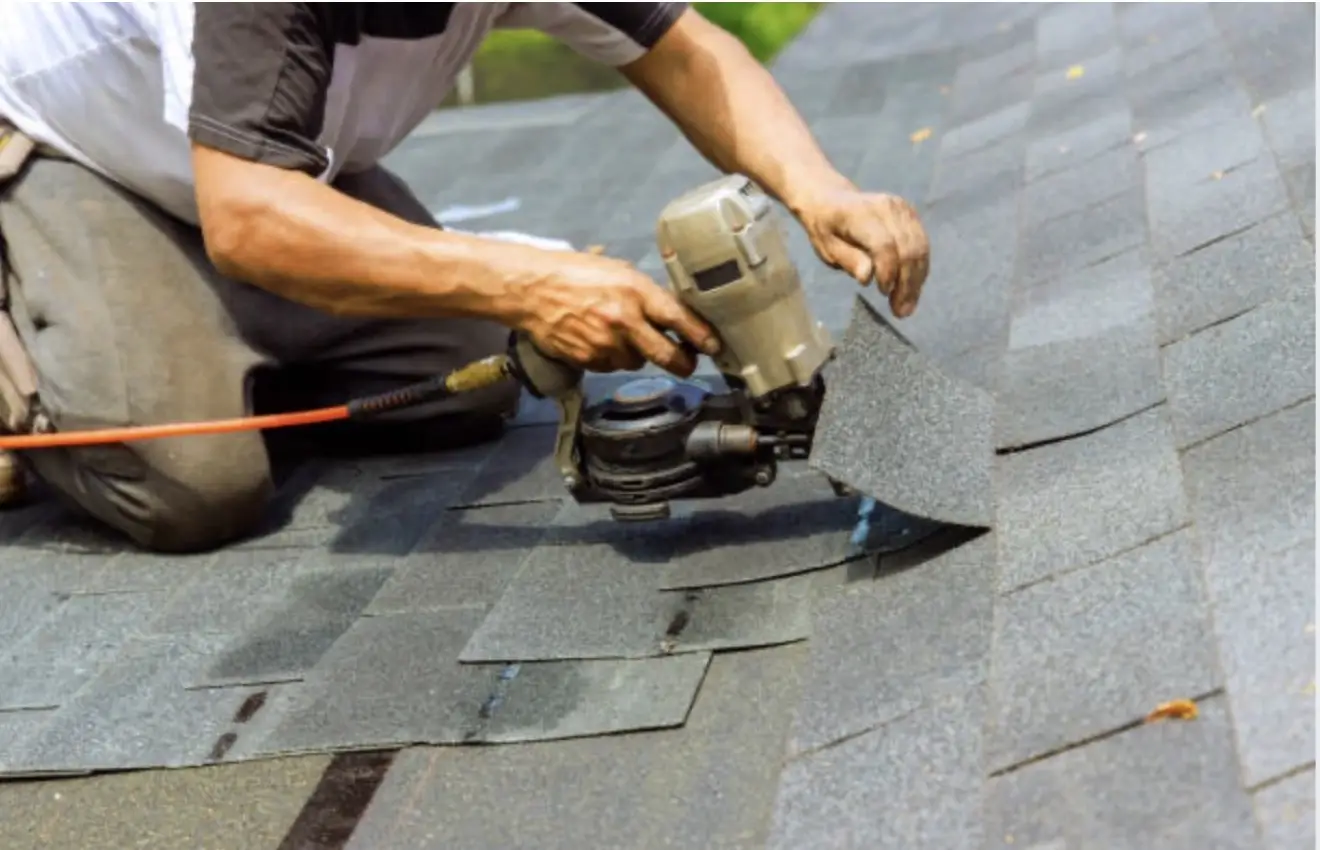
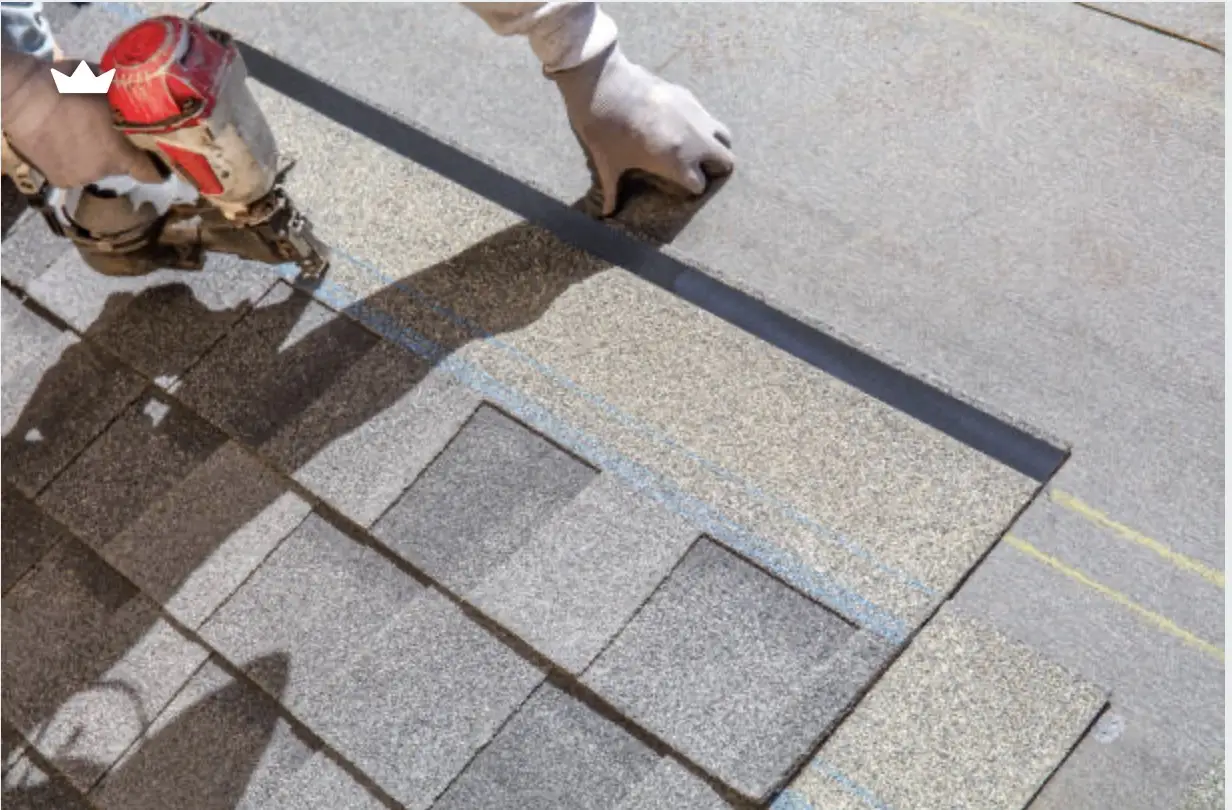
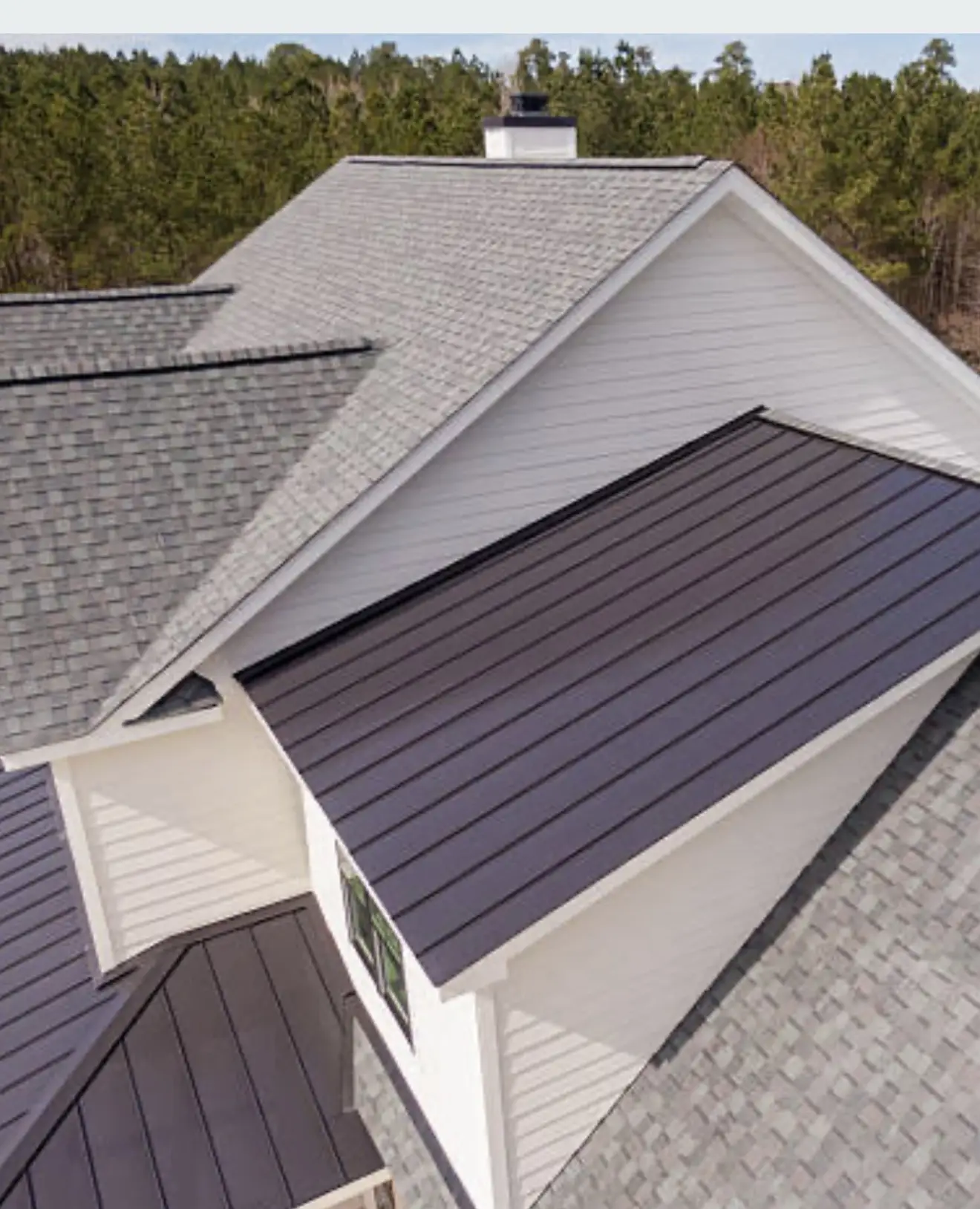
The inspection should consider the type and extent of the damage. A few damaged shingles may need localized repairs, while widespread damage could require a larger solution. The right recommendation depends on the roof’s age, materials, overall condition, and the areas affected by the storm.
When comparing options for storm damage roof repair in Grand Prairie, ask the contractor to explain the findings and identify the areas that need attention. Request a written estimate that outlines the proposed work, materials, and expected costs.
Document Damage and Review Your Insurance Policy
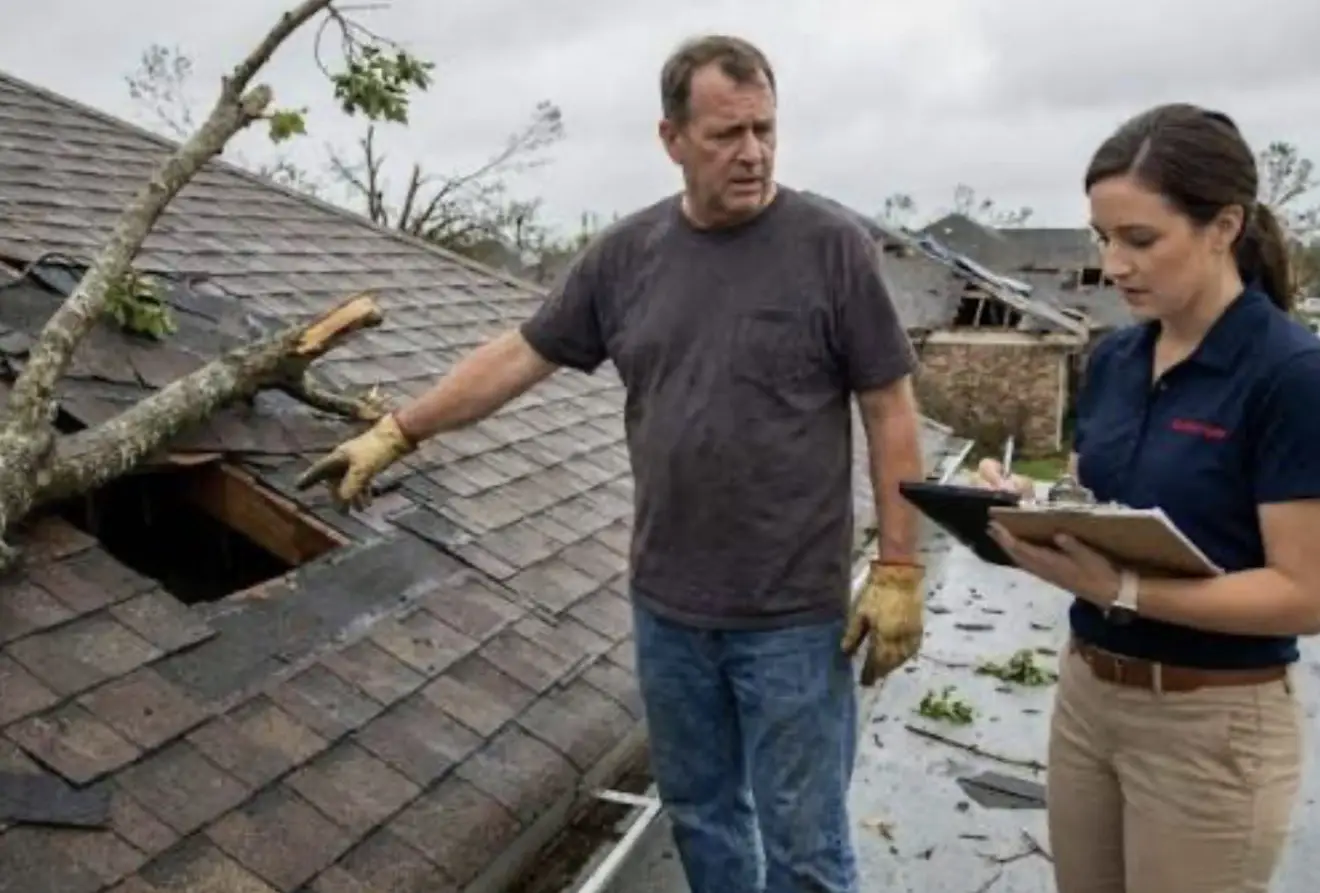
If you plan to contact your homeowner’s insurance provider, document the damage as soon as conditions allow. Photograph visible roof damage, fallen branches, damaged gutters, interior stains, and other storm-related problems. Keep records of the storm date and any steps taken to protect your property.
Review your insurance policy to understand its coverage, deductible, reporting requirements, and deadlines. Contact your insurer to learn how to submit a claim and whether an adjuster needs to inspect the roof.
A roofing inspection report and repair estimate may help explain the condition of your roof. However, insurance coverage depends on the policy terms, and a contractor cannot guarantee that a claim will be approved.
Know When Roof Repairs Need Prompt Attention
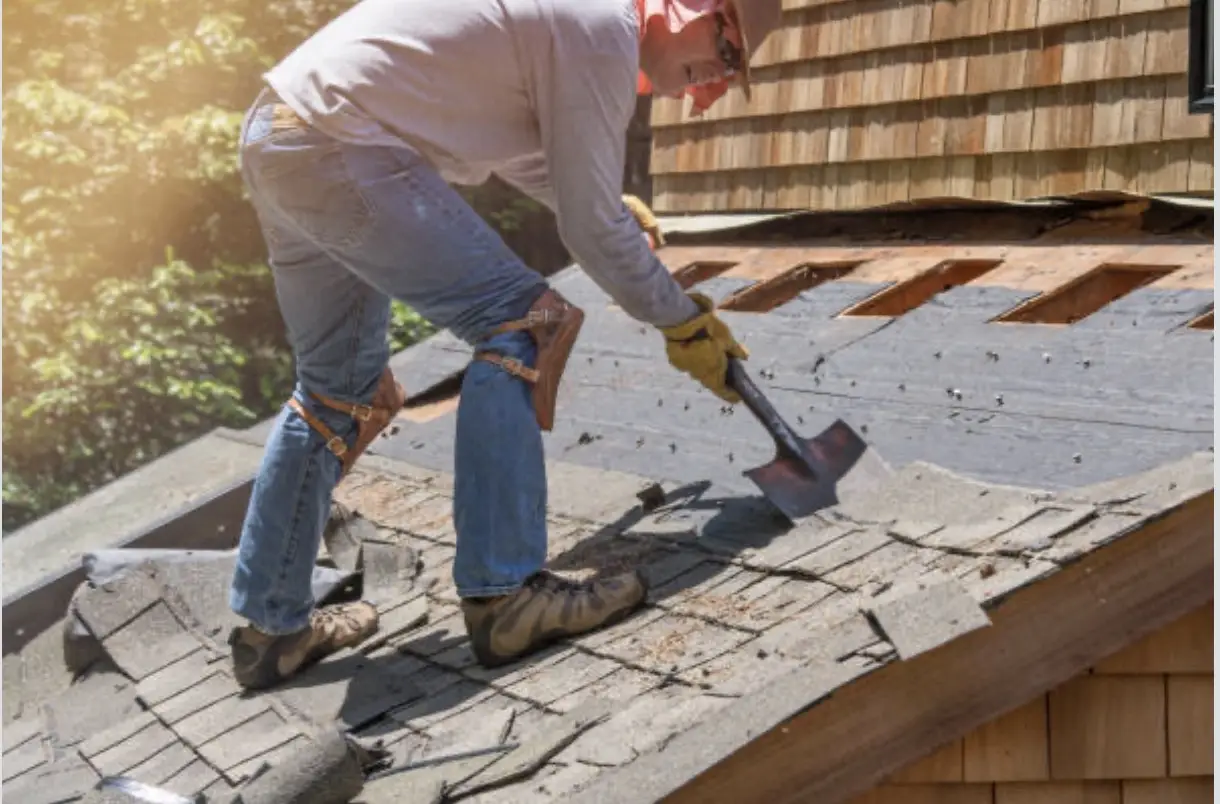
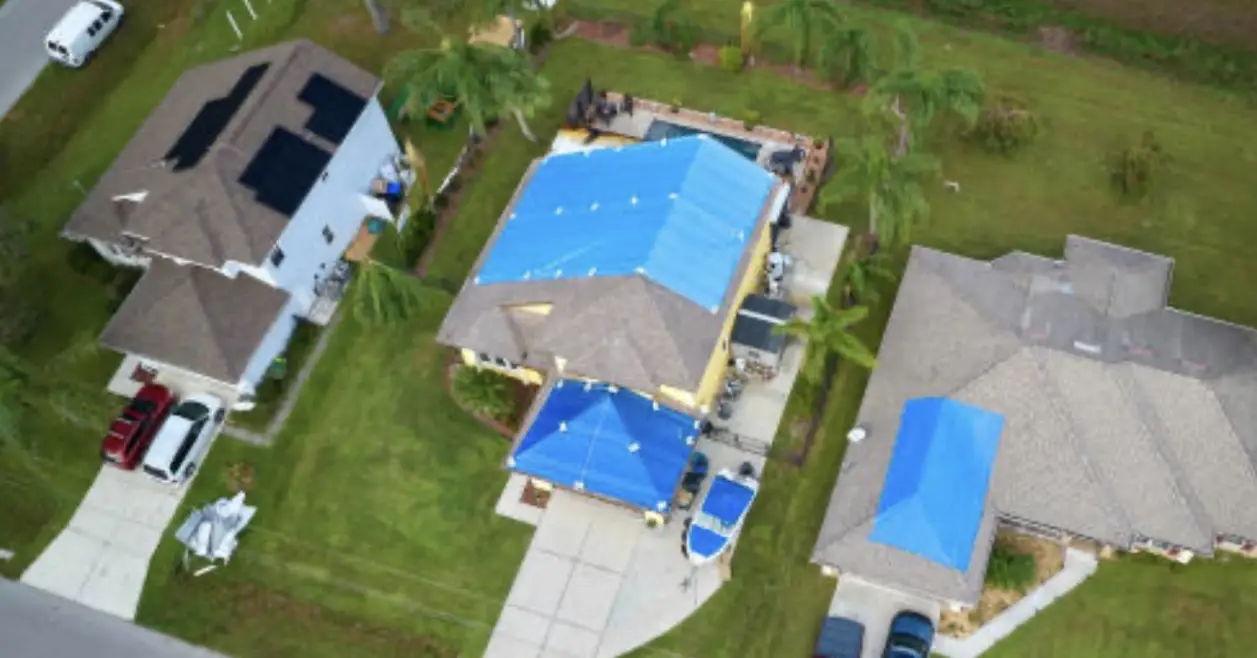
Some storm-related problems require quick action because they can expose your home to further damage. Missing shingles, active leaks, loose roofing materials, and visible openings should be assessed promptly. Damaged flashing and roof edges may also allow water to enter during the next rainfall.
Other issues may seem less urgent but still need professional evaluation. Hail damage and lifted shingles, for example, might not cause an immediate leak, yet leaving them unchecked can increase the risk of future problems. Professional services like storm damage repair in Grand Prairie can help identify these issues and determine which repairs are necessary.
The best response depends on the severity of the damage. A roofing professional can explain which repairs need immediate attention and which can be scheduled.
Reduce the Risk of Future Storm Damage
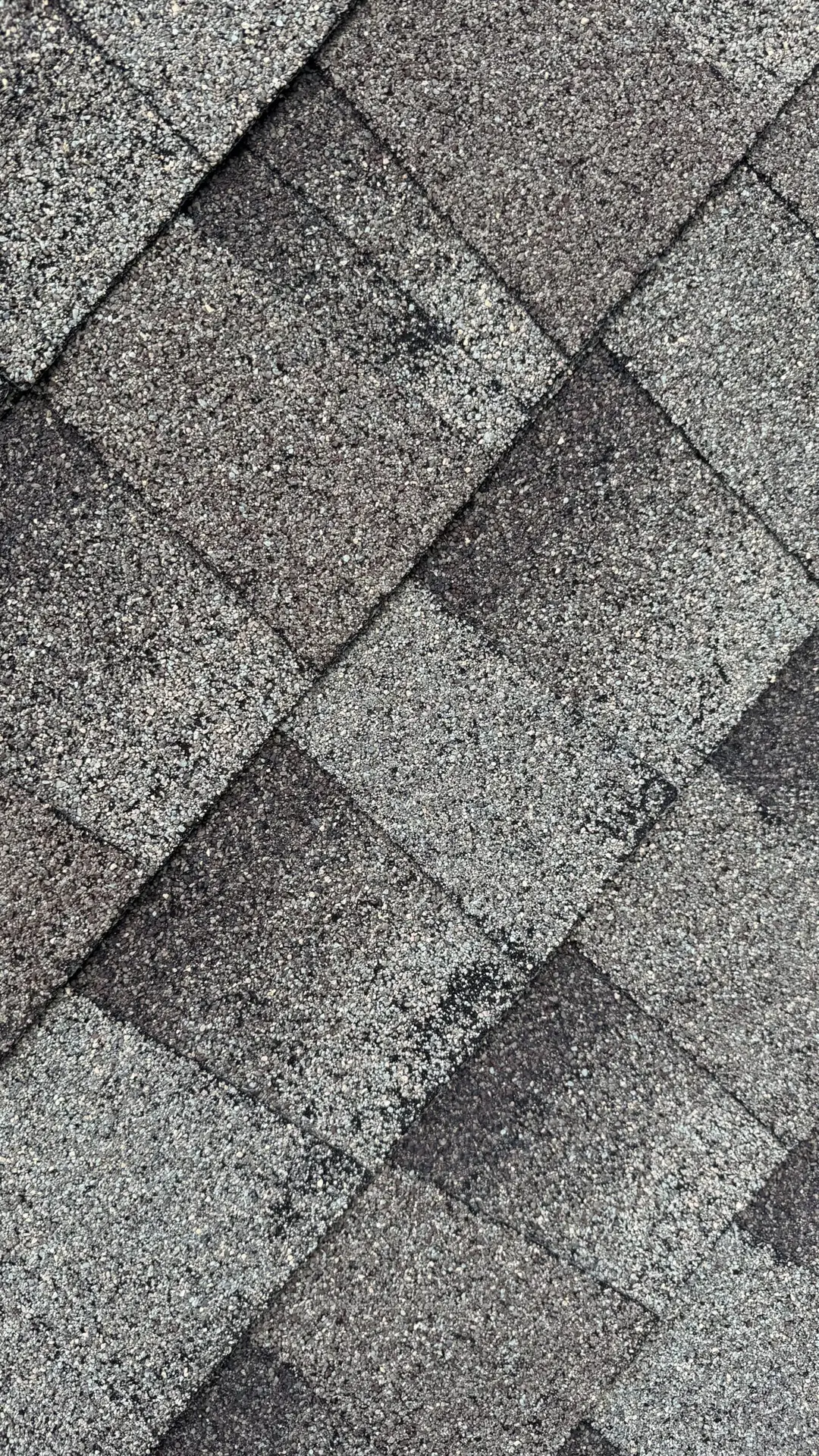
Regular maintenance can help homeowners identify roof weaknesses before the next storm. Periodic inspections may reveal aging shingles, deteriorating flashing, loose components, and drainage problems that need attention.
Keep gutters and downspouts clear so rainwater can drain properly. Trim branches that hang too close to the house, especially those that could fall onto the roof during strong winds. Also, address recurring leaks and repeated repair needs rather than allowing them to continue.
Get Help With Storm Damage Roof Repairs in Grand Prairie
Storm damage can leave homeowners unsure about what to fix first. A professional assessment can clarify the roof’s condition, identify areas that need attention, and explain suitable repair options.
Dalco Contractors & Roofing helps property owners address roofing concerns and understand their next steps after roof damage. If a recent storm has affected your home, contact Dalco to discuss your concerns and arrange an assessment based on your property’s needs.
Frequently Asked Questions
1. How soon should I inspect my roof after a storm?
Check your property from the ground once conditions are safe. If you notice missing shingles, fallen debris, or leaks, arrange a professional inspection promptly. Avoid climbing onto a wet or damaged roof.
2. Can hail damage a roof without causing a leak?
Yes. Hail can bruise shingles, remove protective granules, or damage roofing components without creating an immediate opening. An inspection can help identify problems that may not be visible from the ground.
3. Does homeowner’s insurance cover storm damage to a roof?
Coverage depends on your policy, the cause of the damage, and applicable exclusions. Review your policy and contact your insurer to understand your options. Photographs and repair documentation may support the claims process.
4. Should I repair a roof leak before filing an insurance claim?
Report the damage according to your policy requirements and ask your insurer how to proceed. Necessary temporary measures may prevent further damage. Document the condition and keep receipts for emergency work.
5. How can I find reliable storm damage roof repair in Grand Prairie?
Choose a contractor who provides a clear inspection, explains the damage, and offers a written estimate. Ask about the recommended repairs, materials, and scope of work before making a decision.