Summary – Sudden roof damage can lead to costly problems if it is not addressed quickly. This guide explains how to spot common warning signs, respond safely after a storm, understand Arlington’s weather challenges, and protect your home with timely inspections, repairs, and regular roof maintenance for long-term performance.
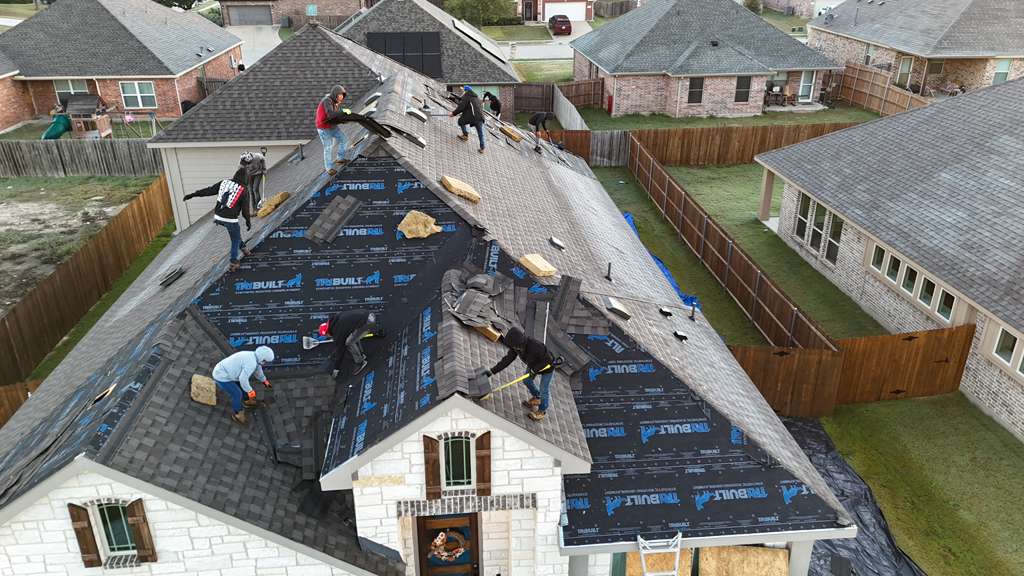
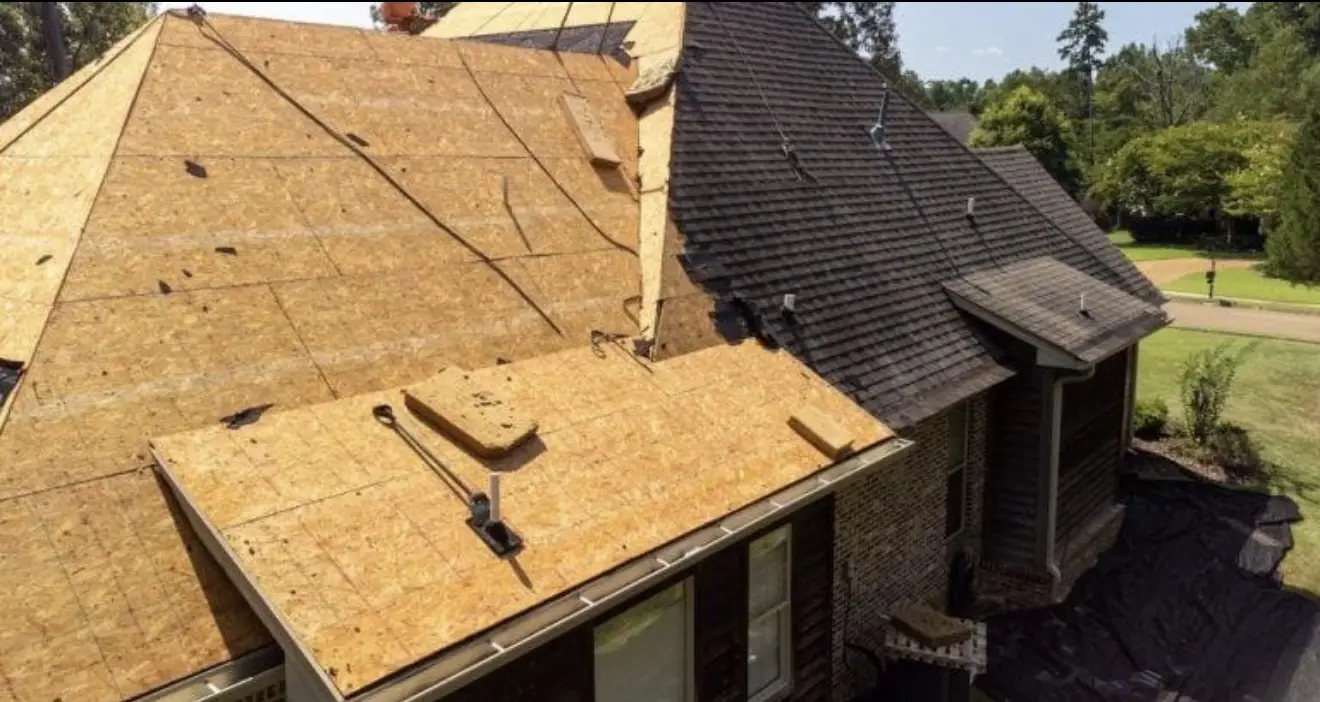
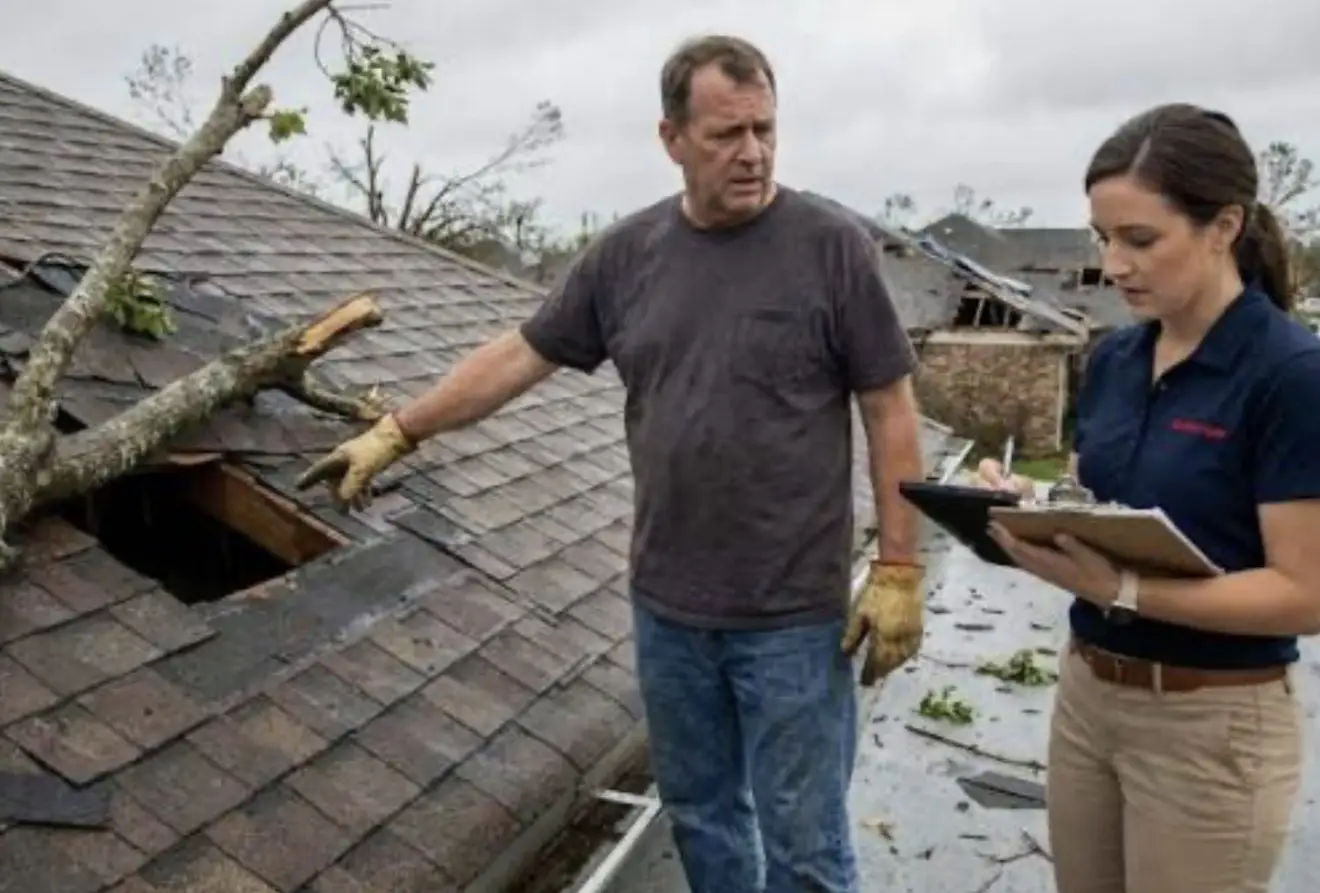
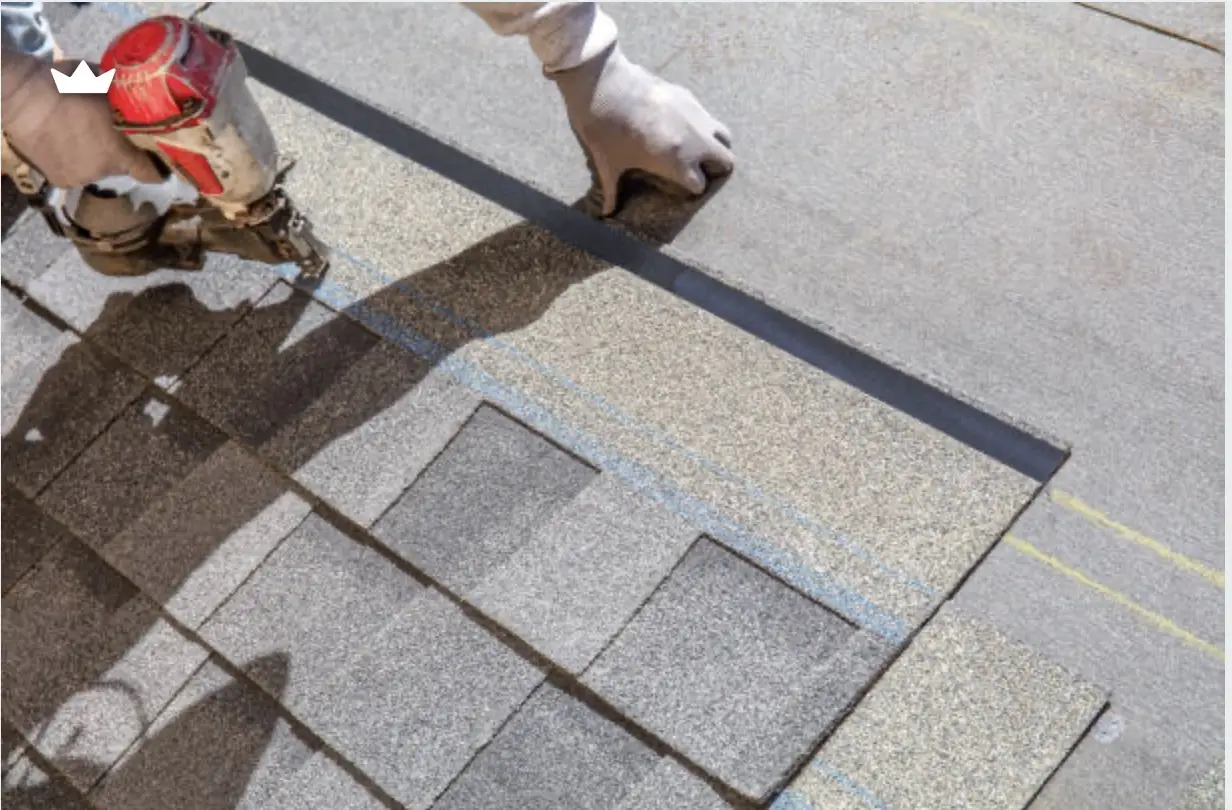
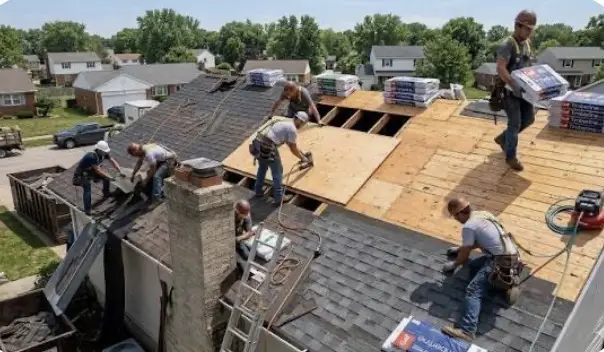
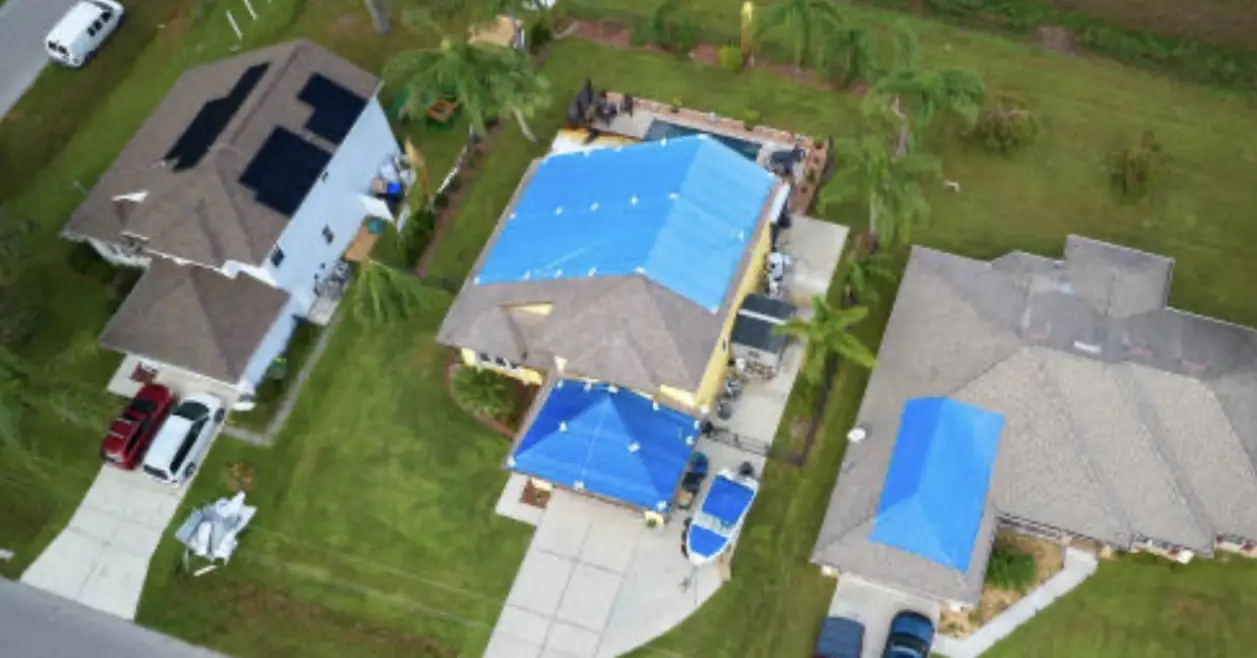
Storms often arrive without warning, leaving homeowners to deal with damaged shingles, roof leaks, or fallen tree branches. While some problems are easy to spot, others remain hidden until water begins entering your home. Acting quickly after severe weather can prevent small issues from becoming major repairs. If you notice signs of damage, scheduling roof repair Arlington TX early can help protect your home, reduce repair costs, and extend the life of your roof. In situations where the damage is severe, emergency roof repair services provide fast solutions to keep your home safe.
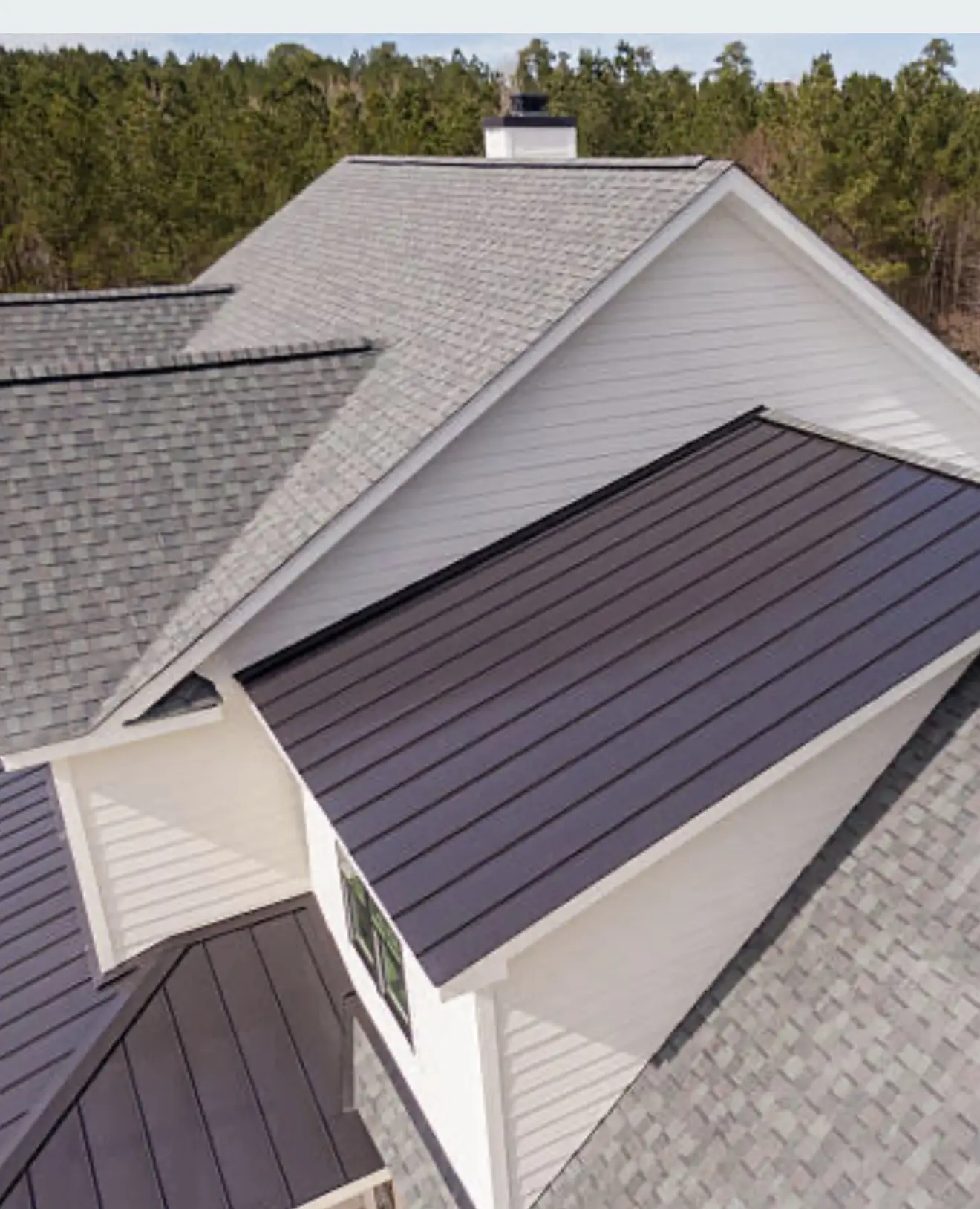
Arlington’s weather can change quickly, and your roof often takes the biggest impact. Strong winds, hail, and heavy rain may leave behind damage that is not always visible. Responding quickly after a storm helps prevent small roofing issues from turning into expensive repairs and keeps your home protected throughout the year.
Why Acting Quickly After Roof Damage Matters?
After a storm, it is tempting to assume your roof is fine if everything looks normal from the ground. However, many roofing problems develop beneath the surface. A single missing shingle or a small crack in the flashing can allow rainwater to enter your roofing system.
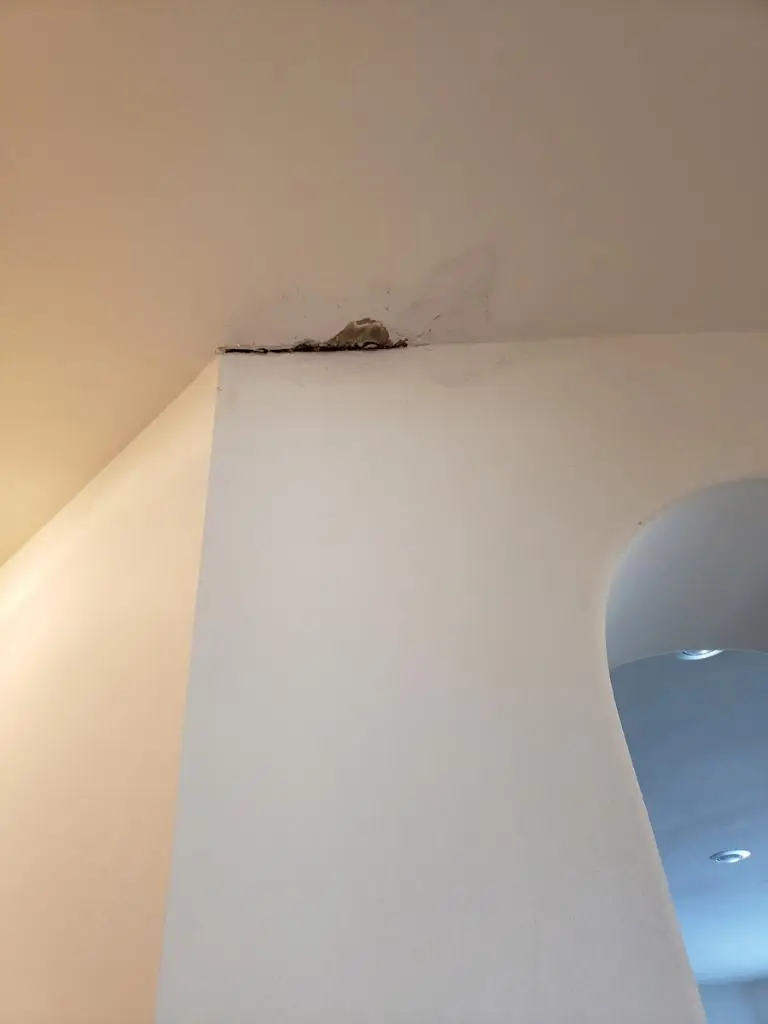
As moisture spreads, it can damage insulation, weaken wooden decking, stain ceilings, and even create mold inside your home. These problems usually become more expensive the longer they are ignored.
Delaying repairs can also affect your home’s energy efficiency. Damaged roofing materials allow outside air and moisture to enter, making your heating and cooling system work harder. Fixing small problems early helps maintain a comfortable home while preventing higher repair costs later.
Taking action early also gives roofing professionals the opportunity to repair damaged areas before future storms make them worse. A timely inspection provides peace of mind and helps you understand exactly what your roof needs.
Common Signs Your Roof May Have Storm Damage
Not every roofing problem is obvious. Some warning signs appear outside your home, while others become noticeable indoors. Paying attention to these changes can help you identify damage before it becomes a major concern.
Some of the most common signs include:
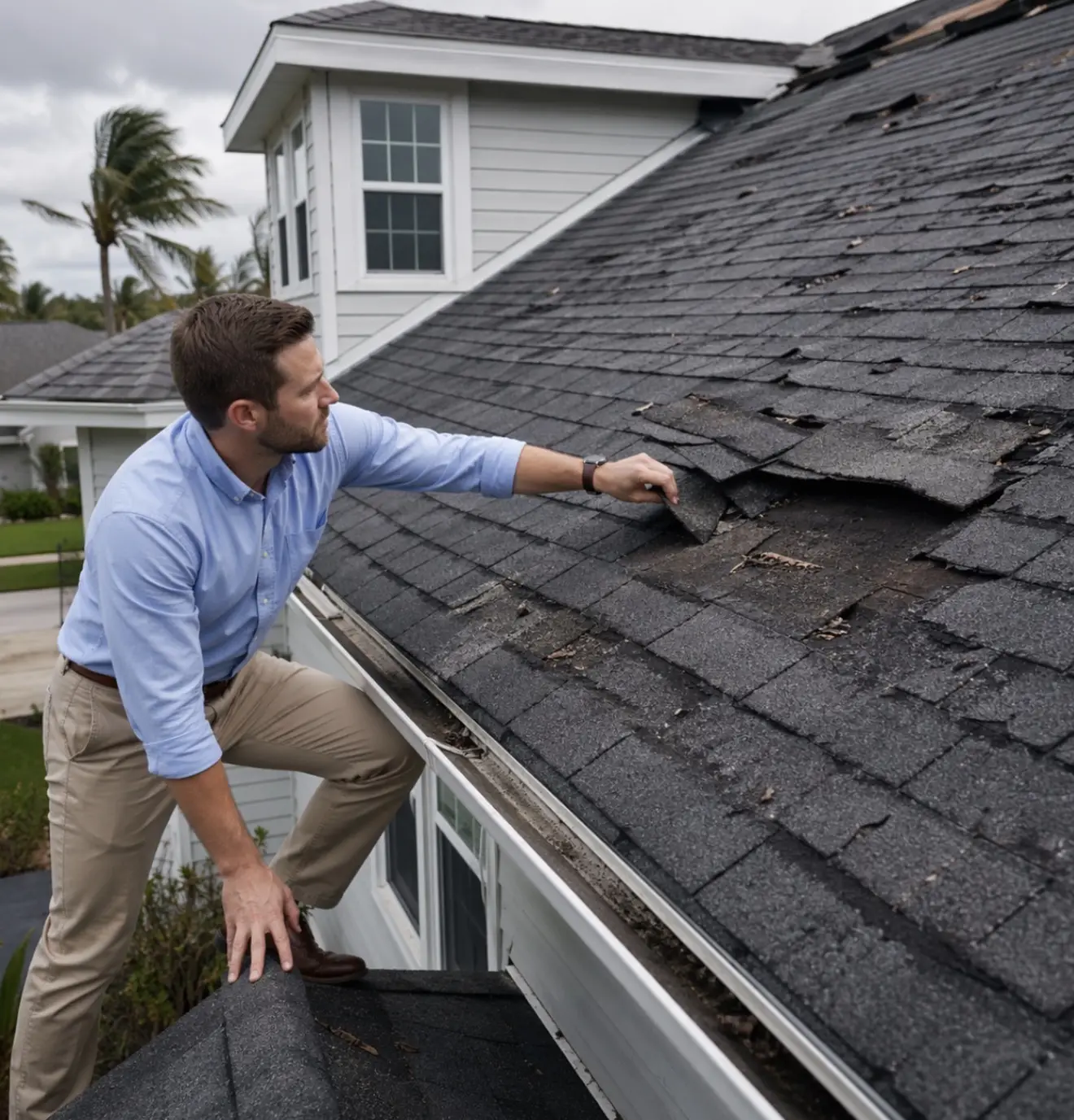
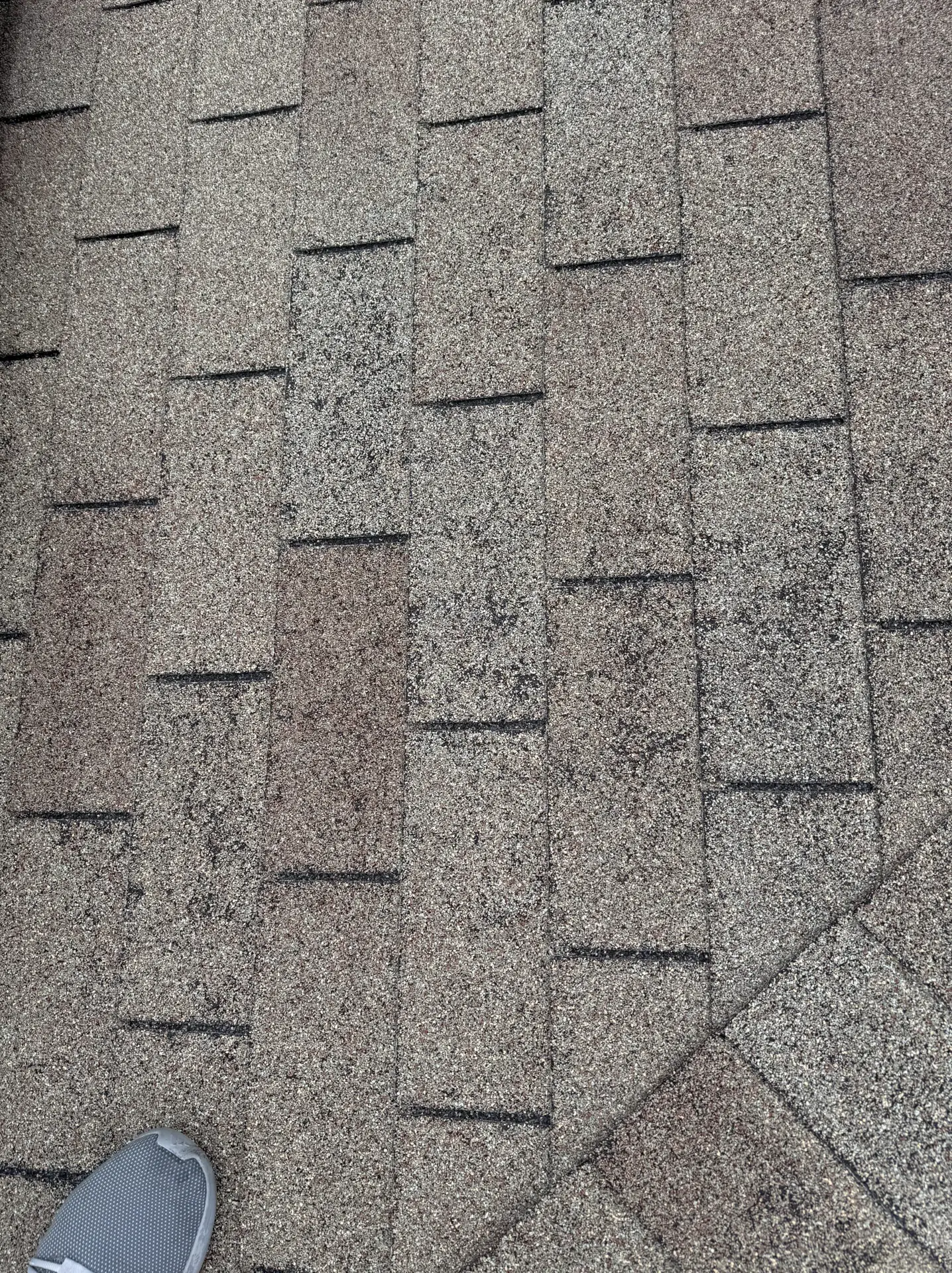
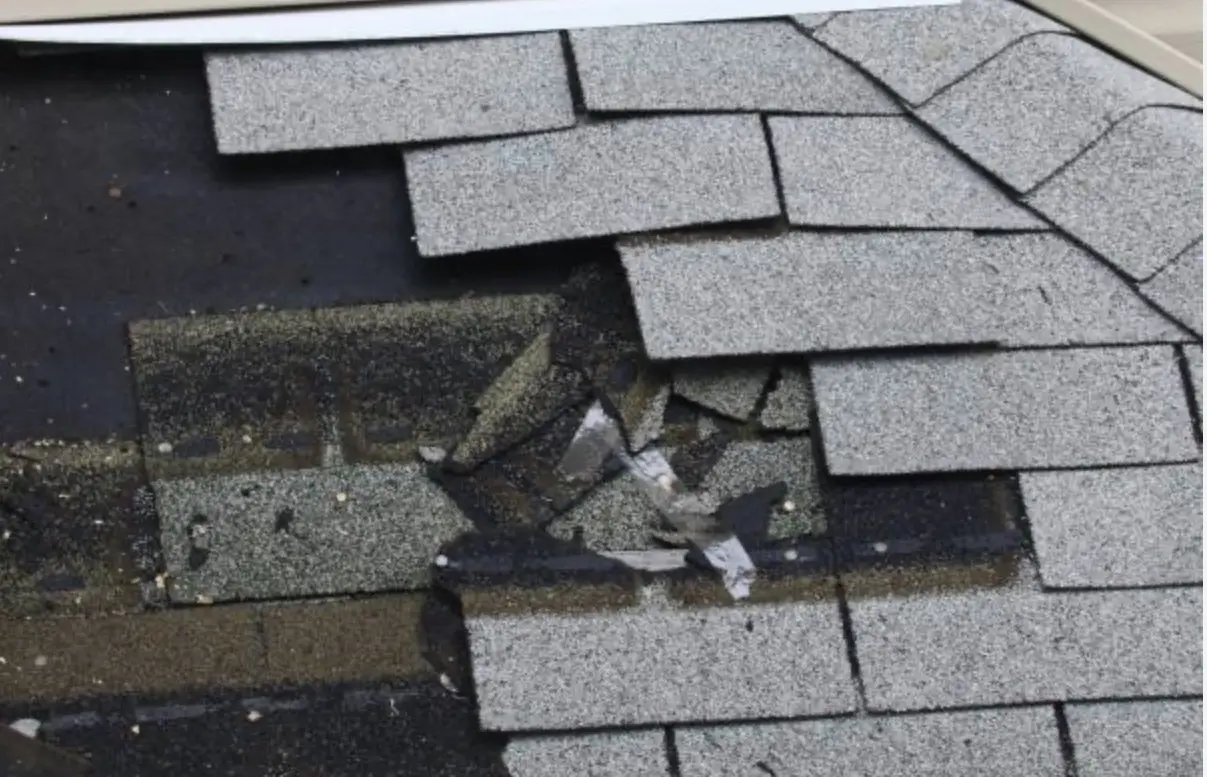
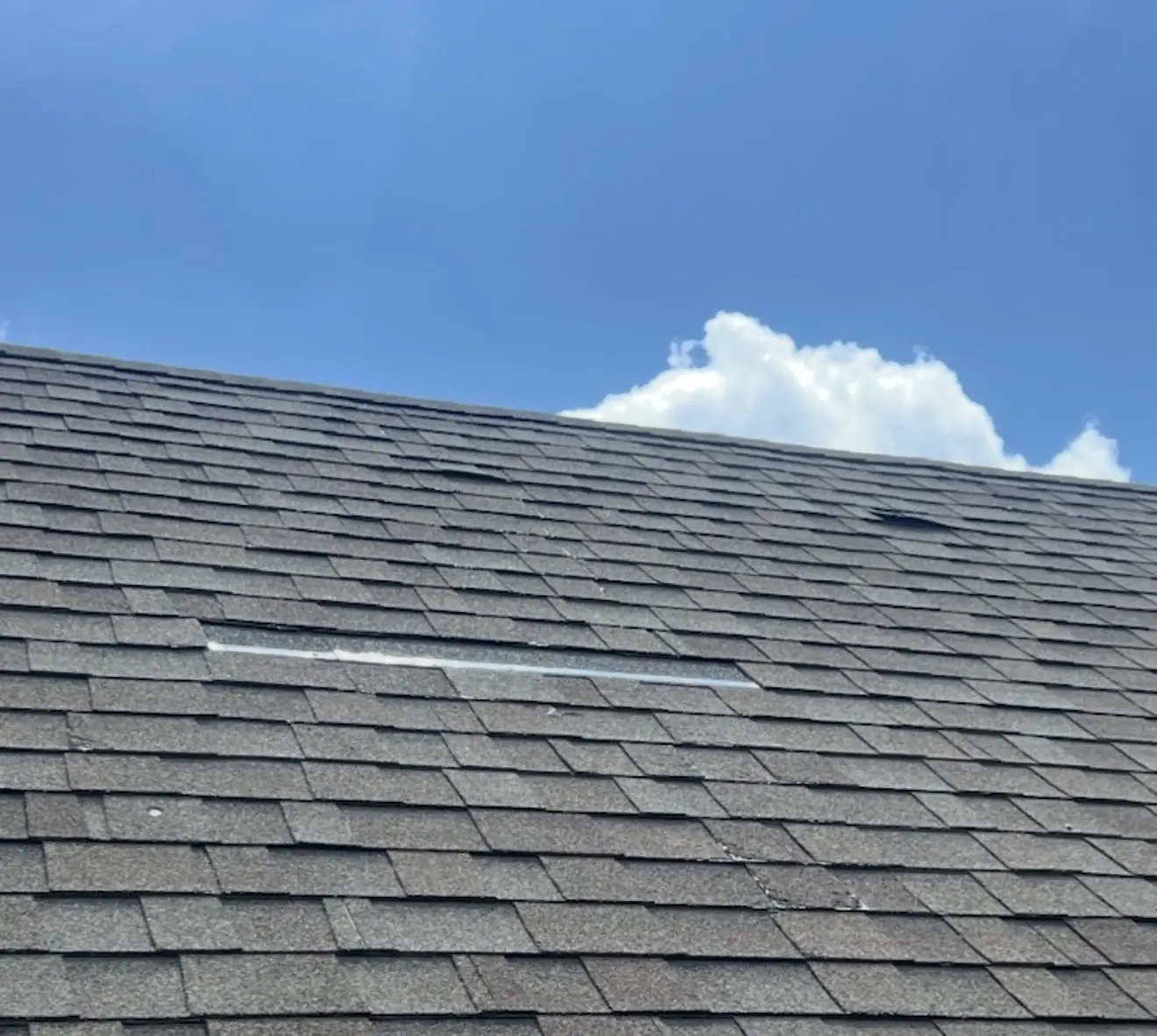
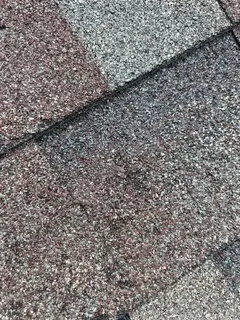
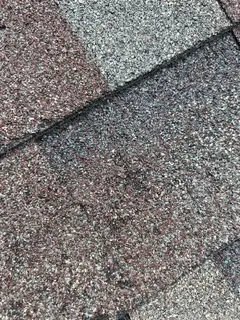
- Missing or damaged shingles
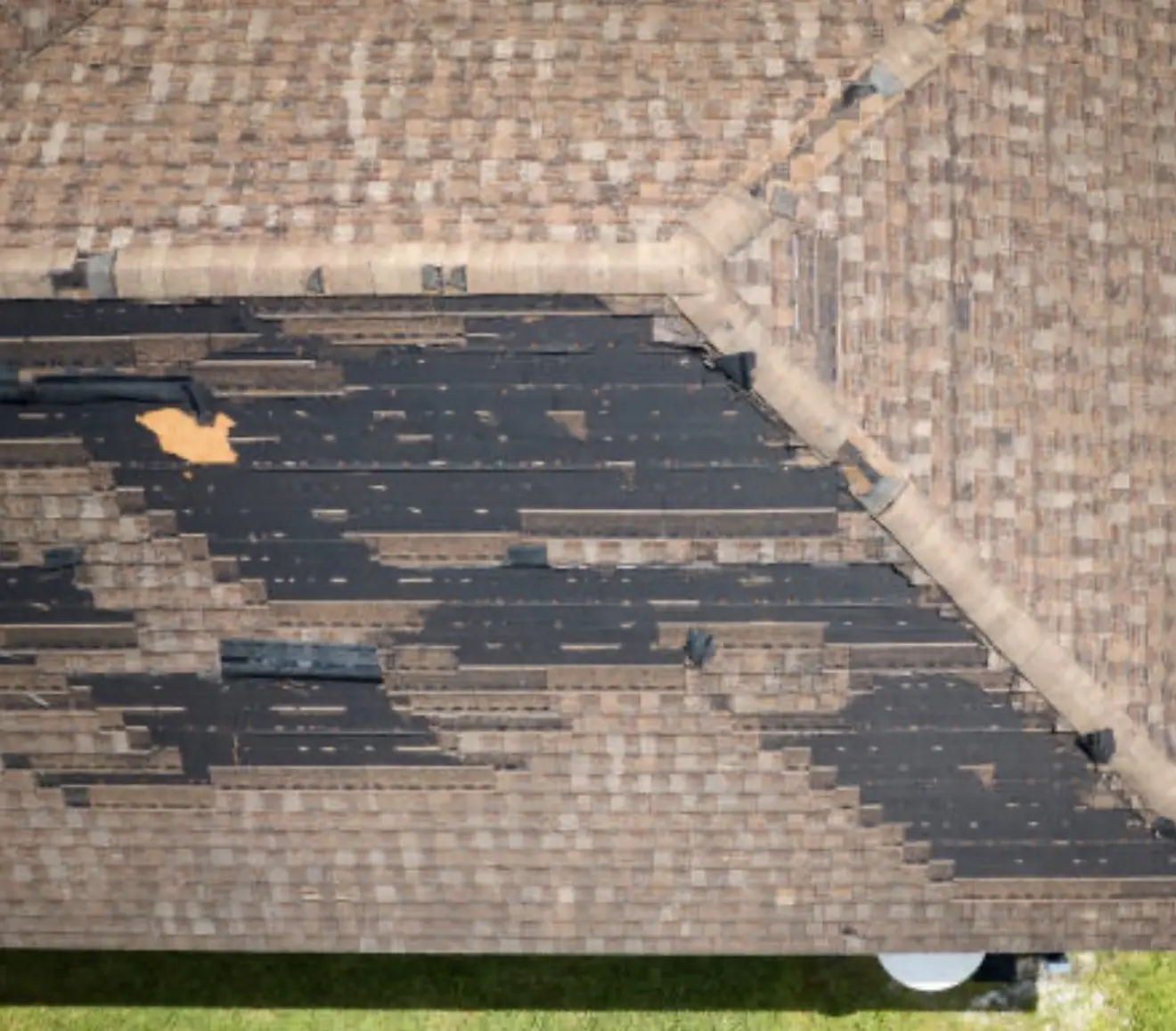
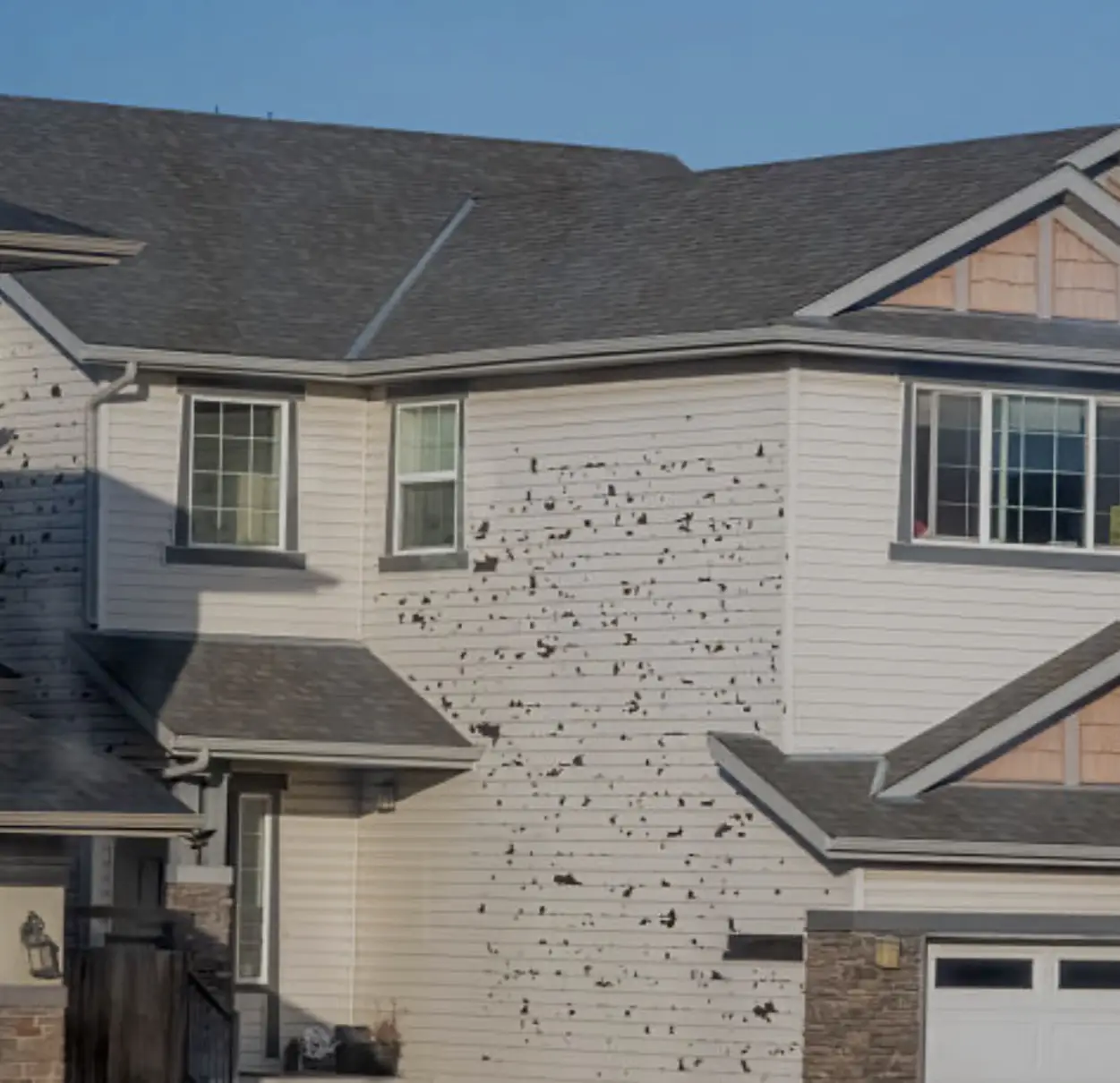
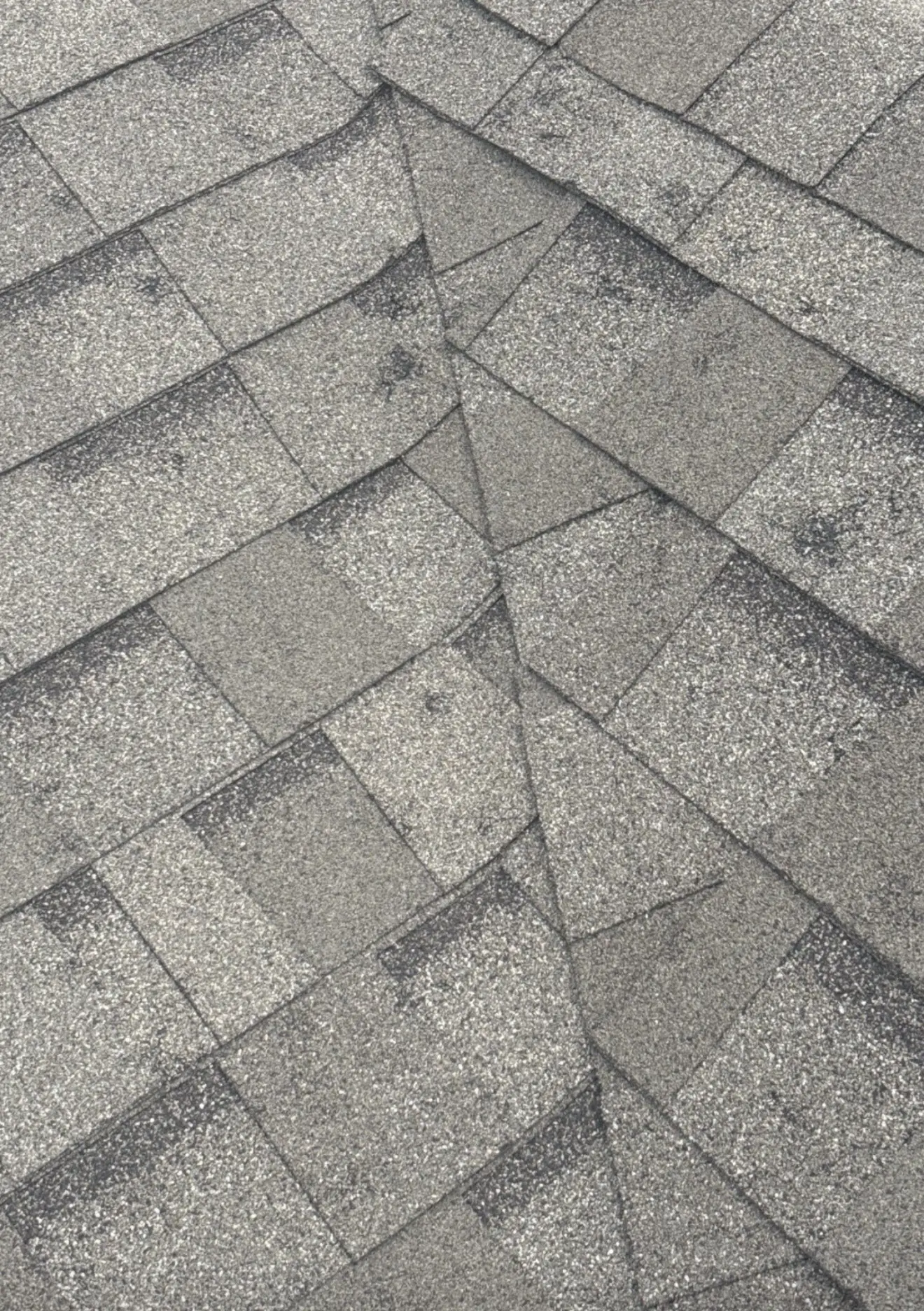
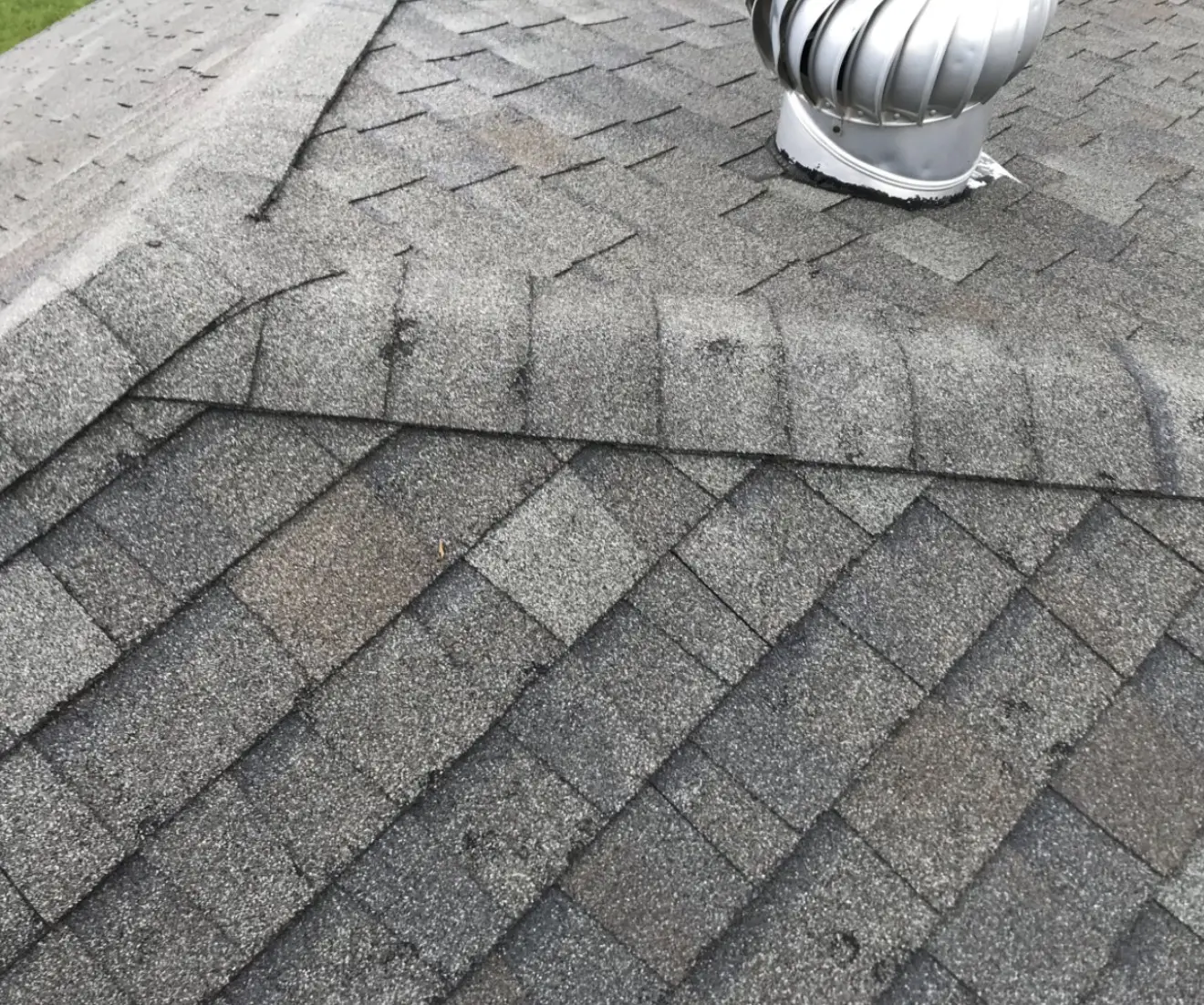
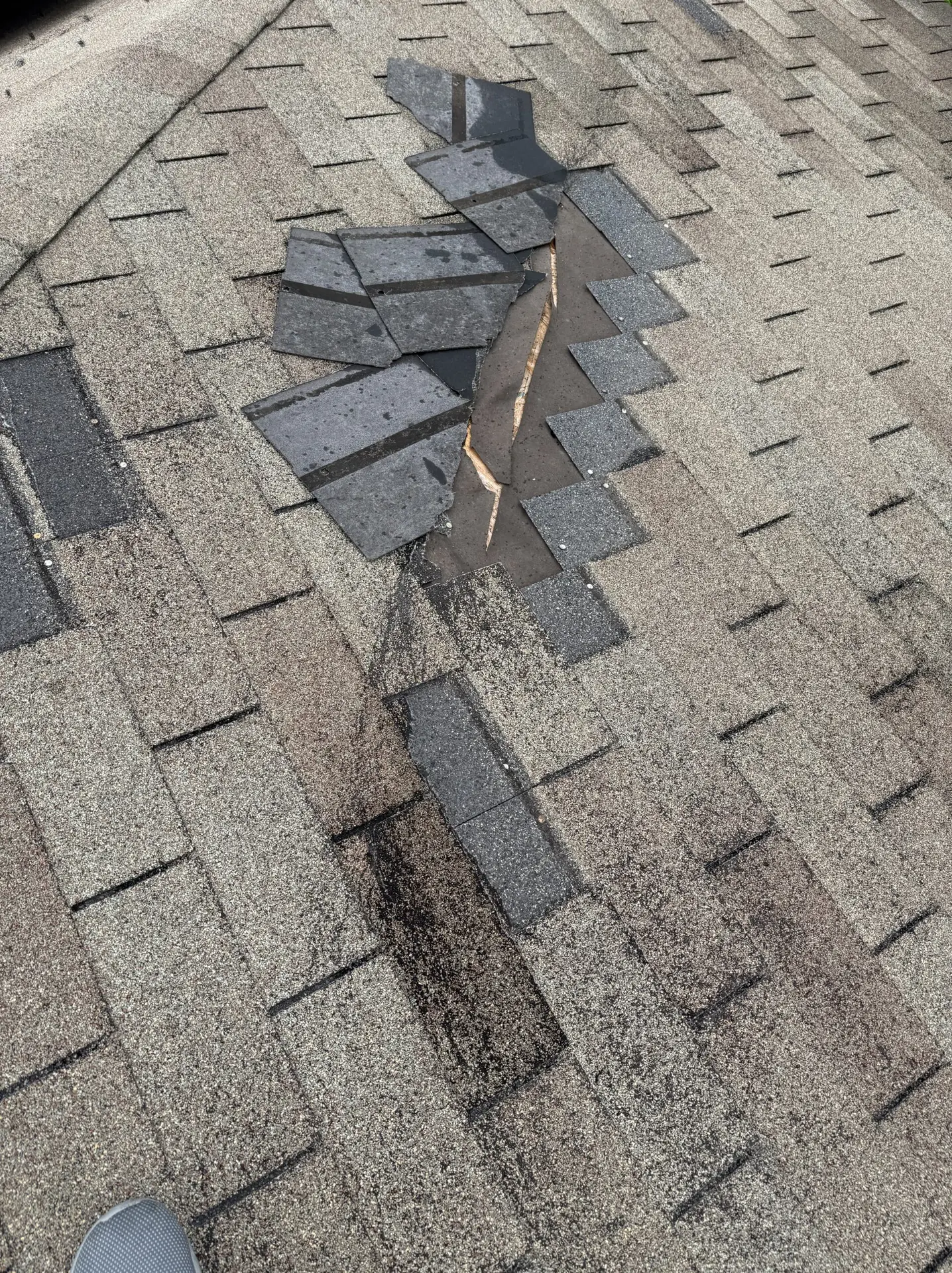
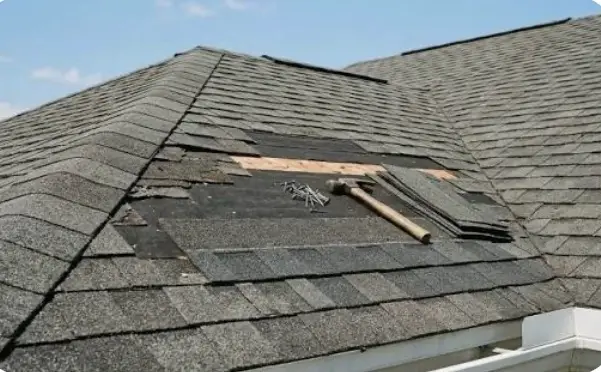
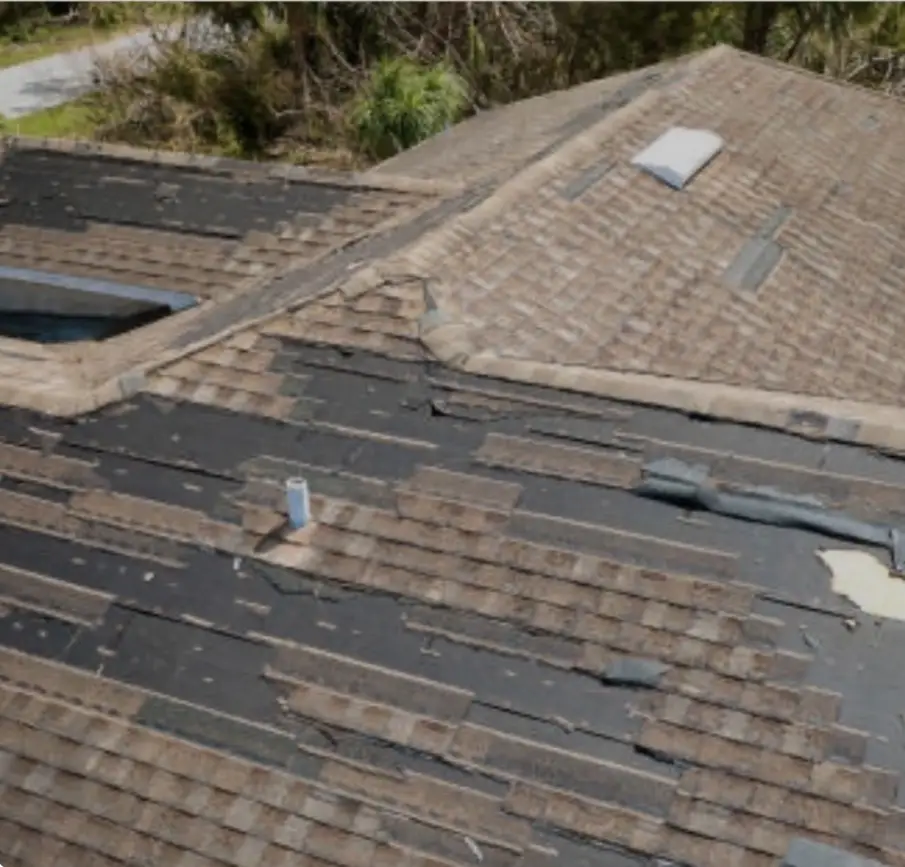
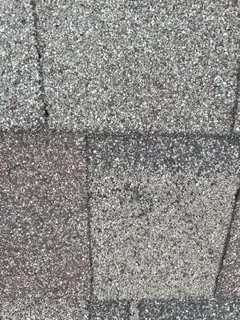
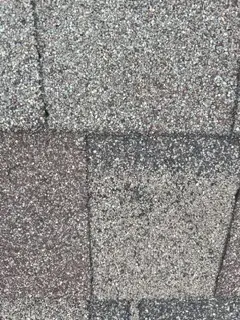
Strong winds can lift, crack, or completely remove shingles, leaving parts of your roof exposed to moisture. - Water stains on ceilings or walls
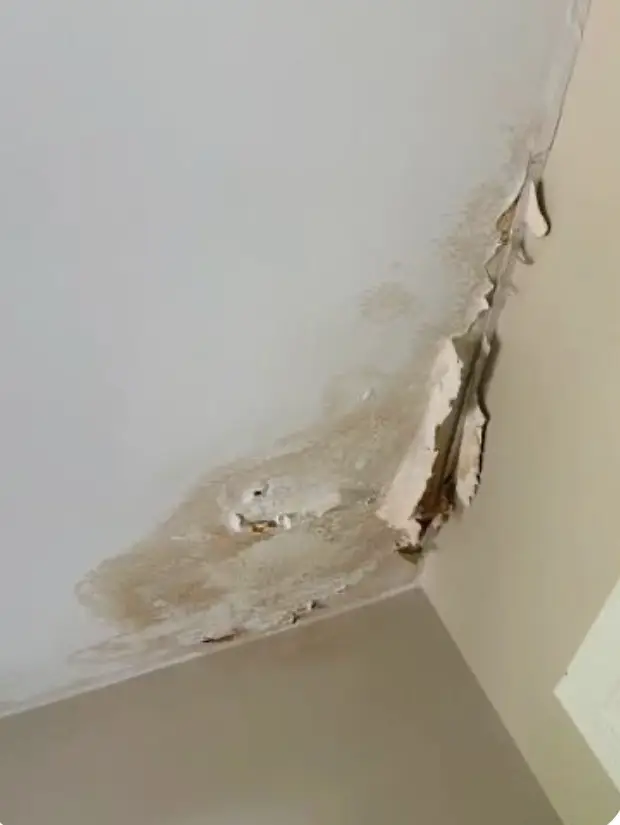
Brown spots inside your home often indicate that water has entered through damaged roofing materials. - Granules collecting inside gutters
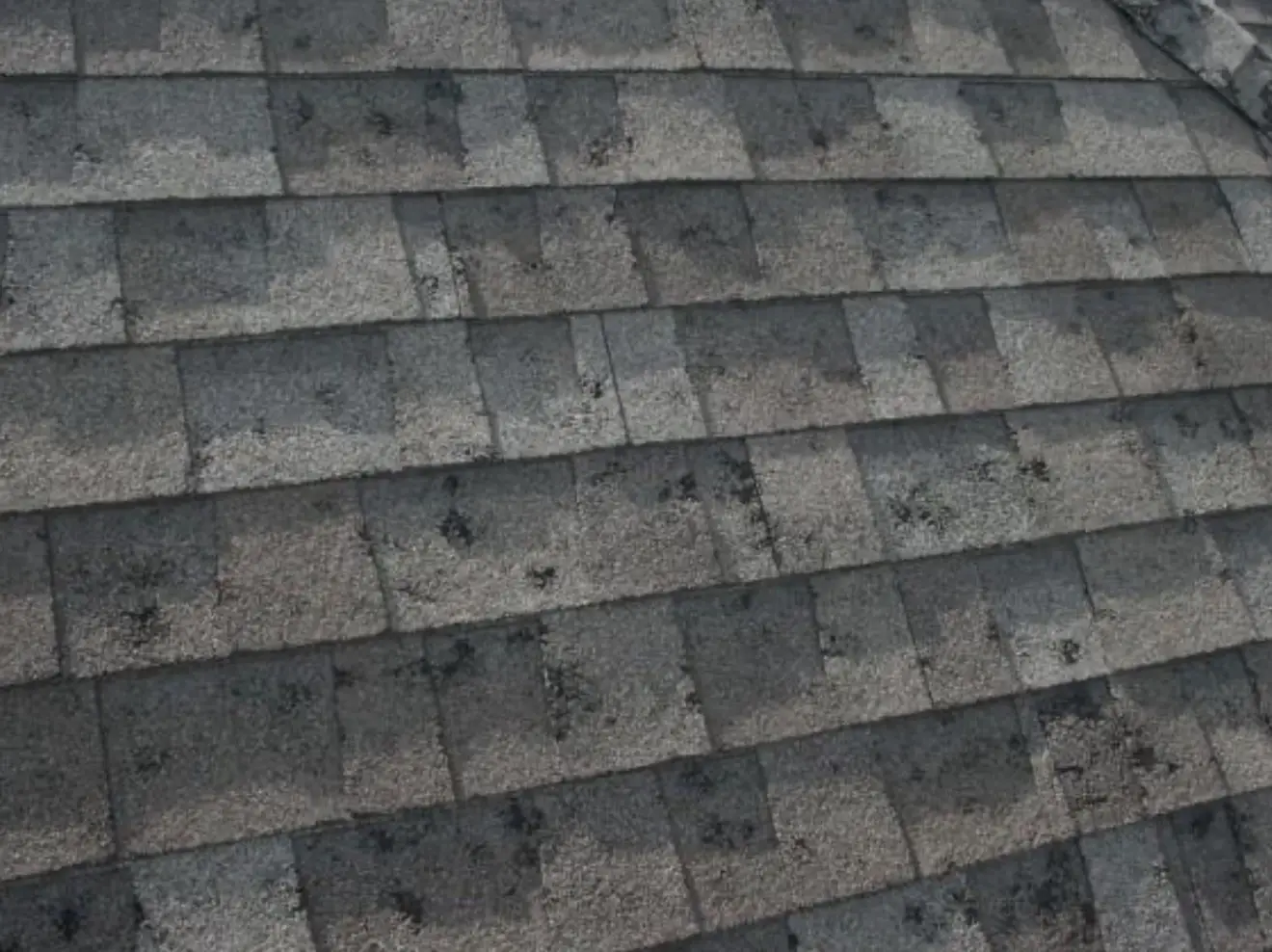
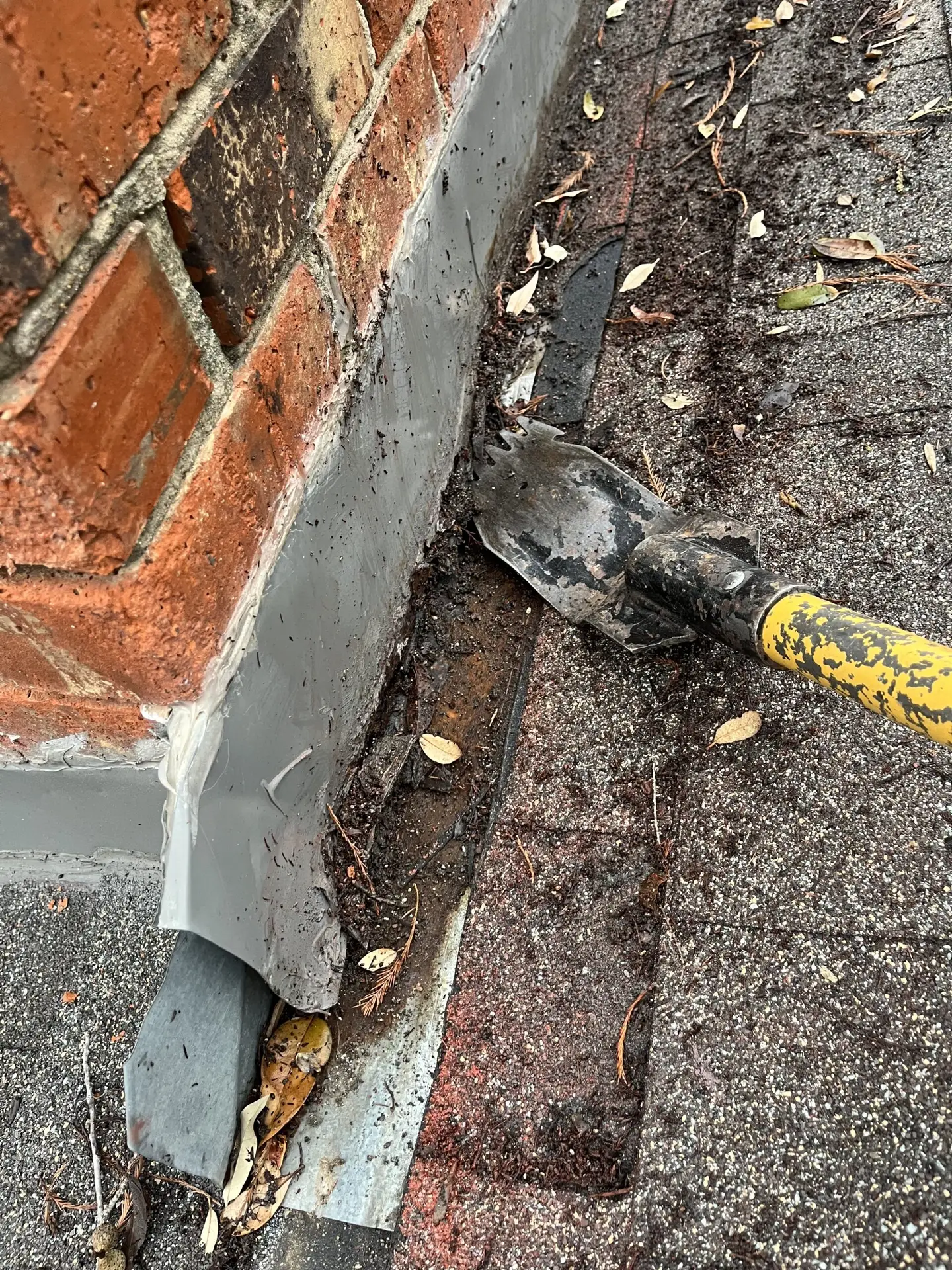
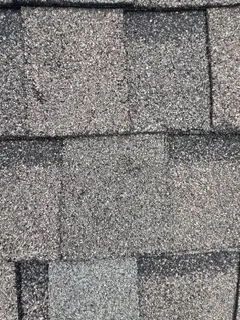
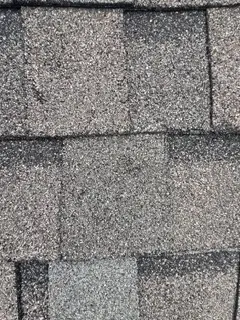
Asphalt shingles naturally lose some granules over time. Large amounts after a storm may indicate accelerated wear. - Damaged flashing
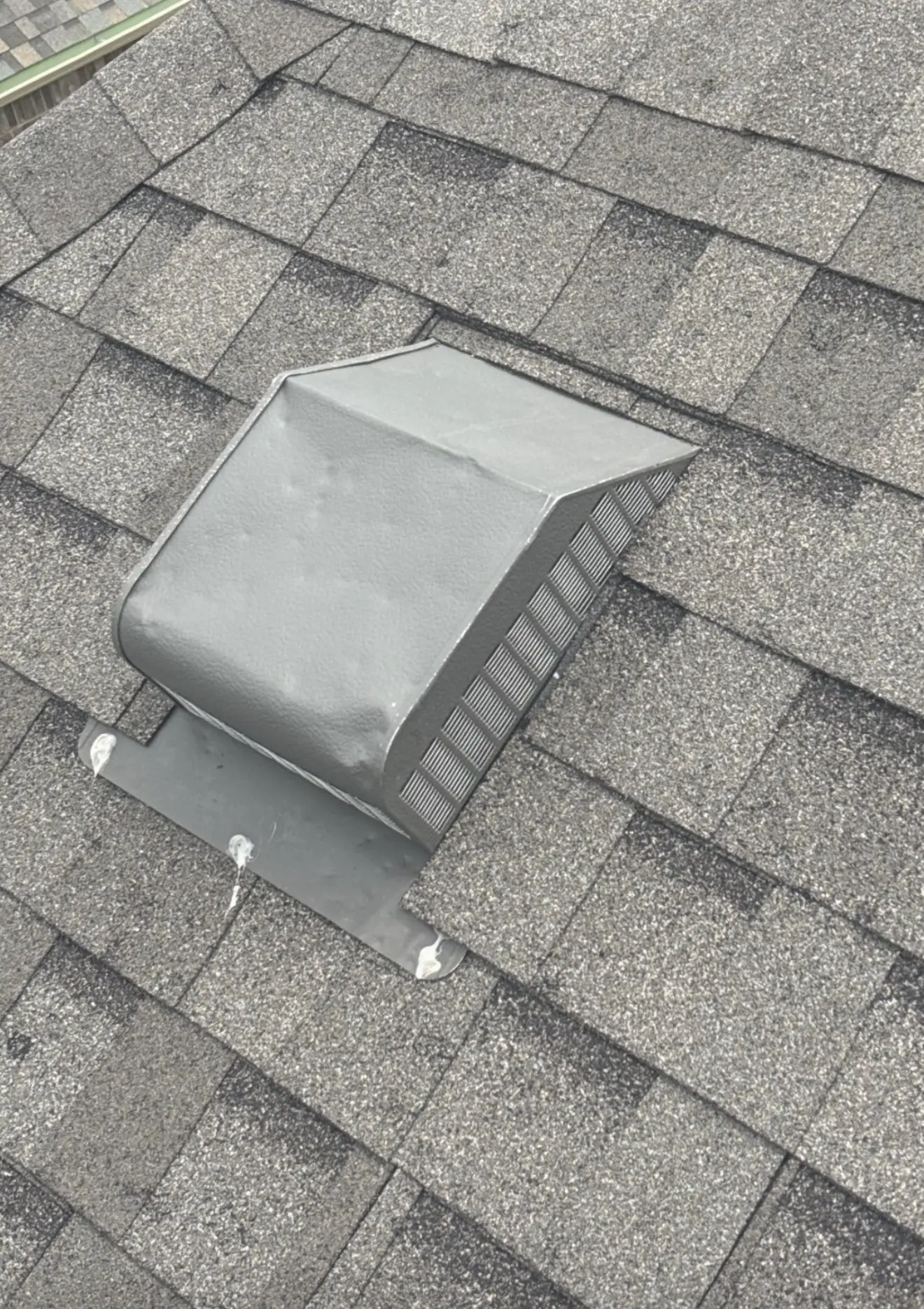
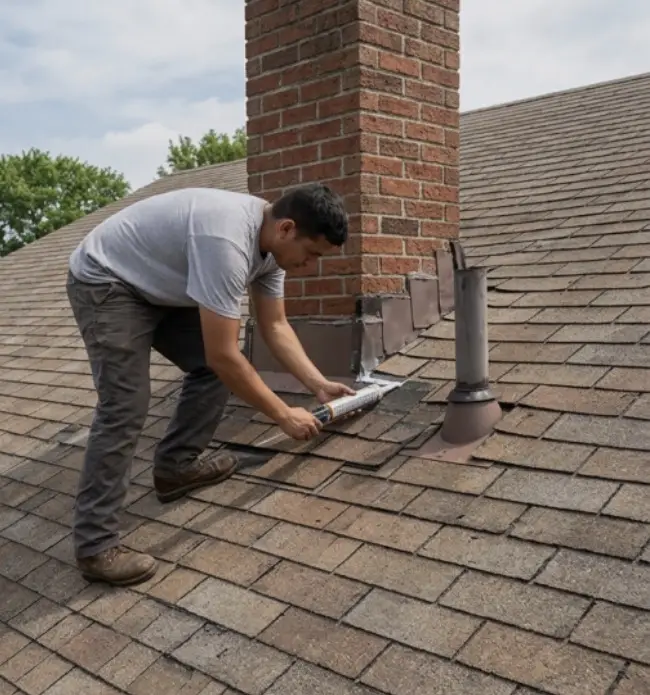
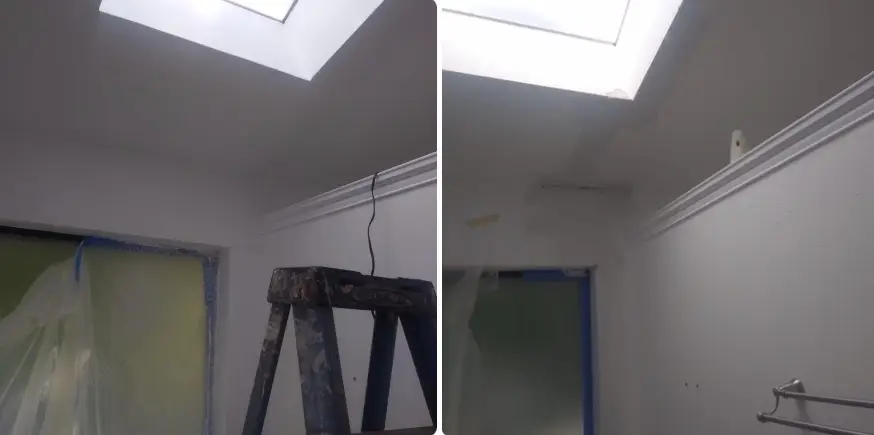
Flashing around chimneys, vents, and skylights protects your roof from water intrusion. If it becomes loose or bent, leaks may develop. - Sagging roof sections
Any area that appears uneven or sunken should be inspected immediately, as it may indicate trapped moisture or structural damage. - Debris on the roof
Tree branches and flying debris can puncture roofing materials even if the damage is not immediately visible.
How Arlington’s Weather Can Affect Your Roof?
Living in Arlington means your roof is exposed to a wide range of weather conditions throughout the year. While each season brings different challenges, they all contribute to gradual wear and tear on your roofing system.
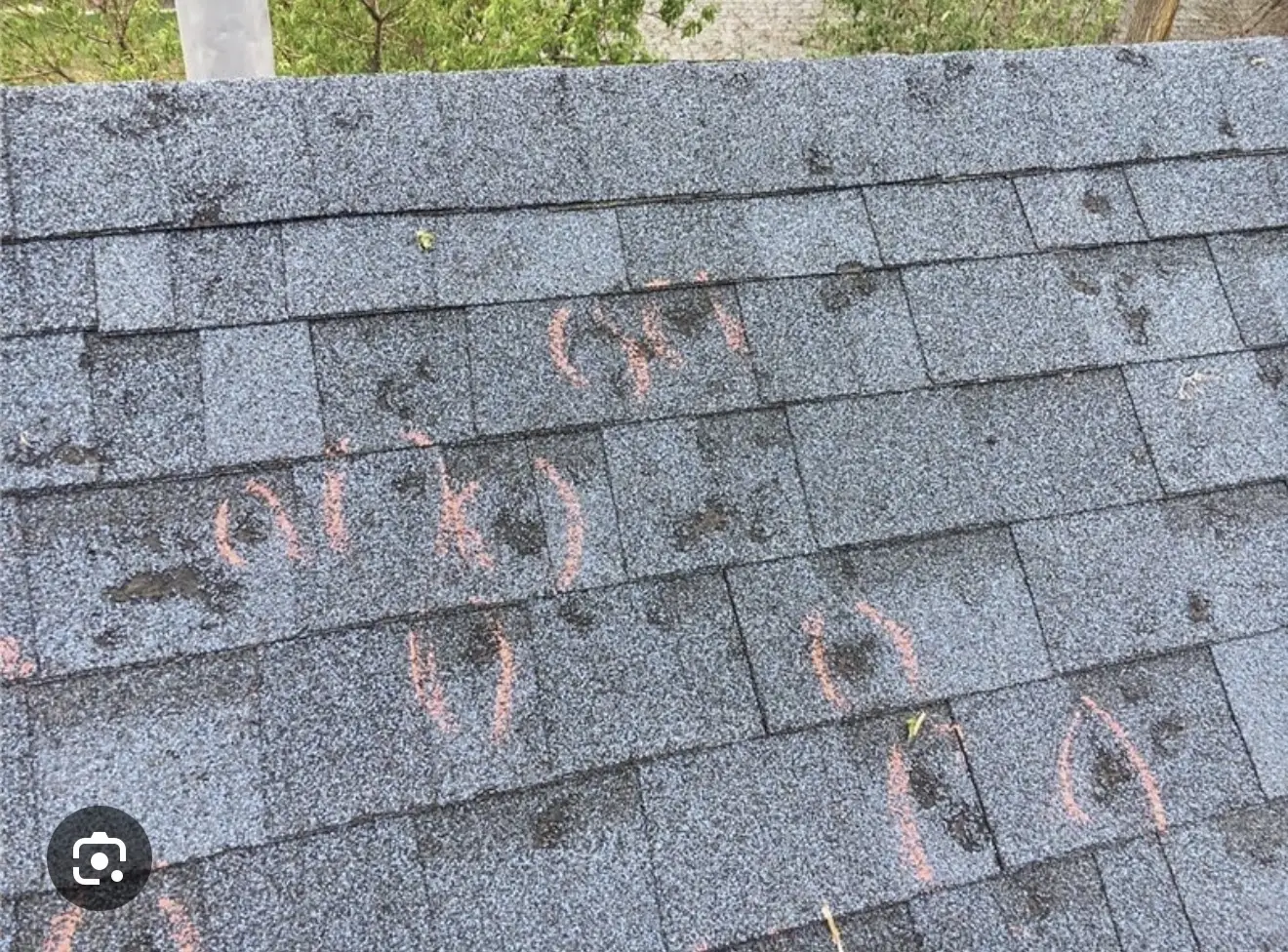
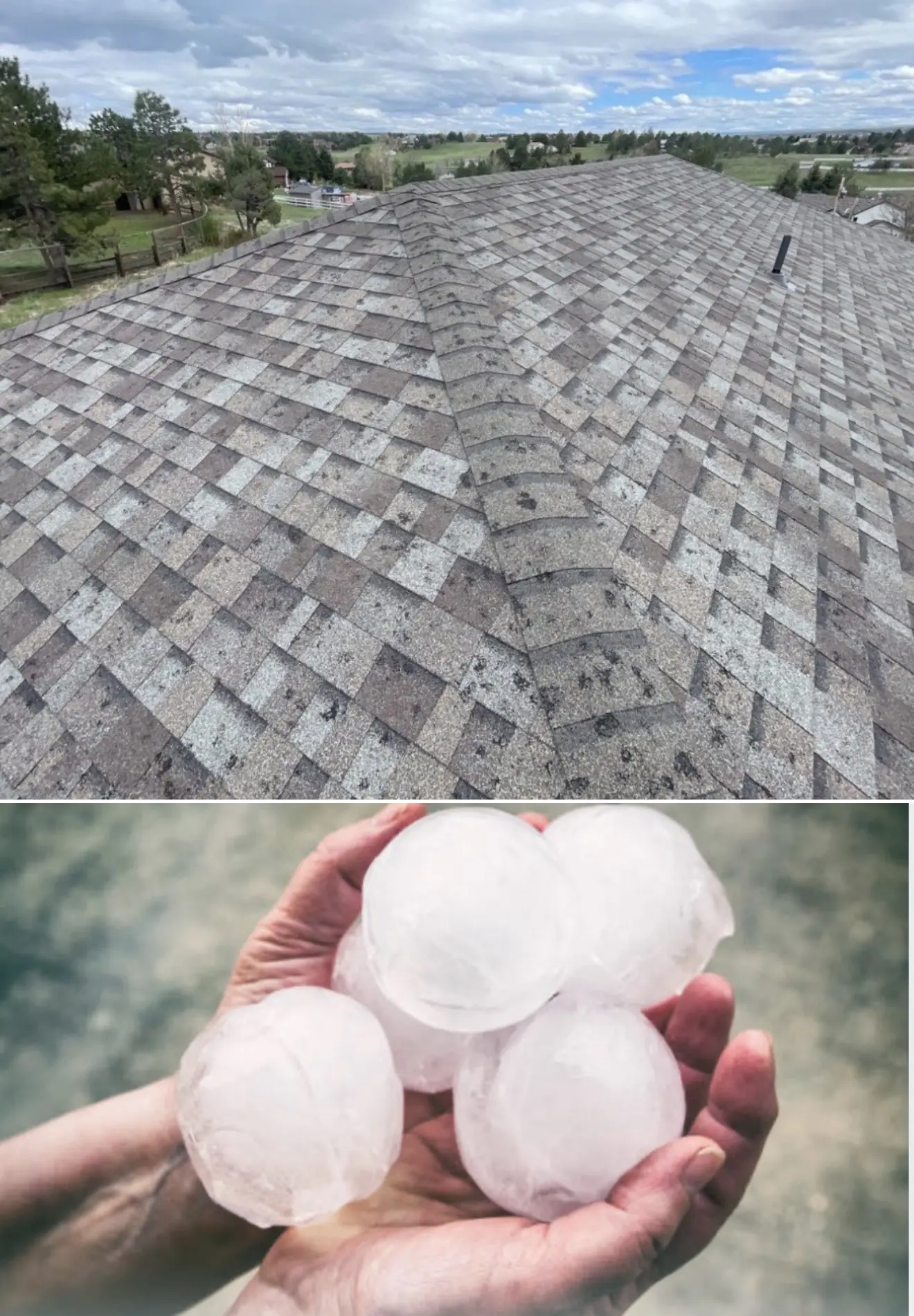
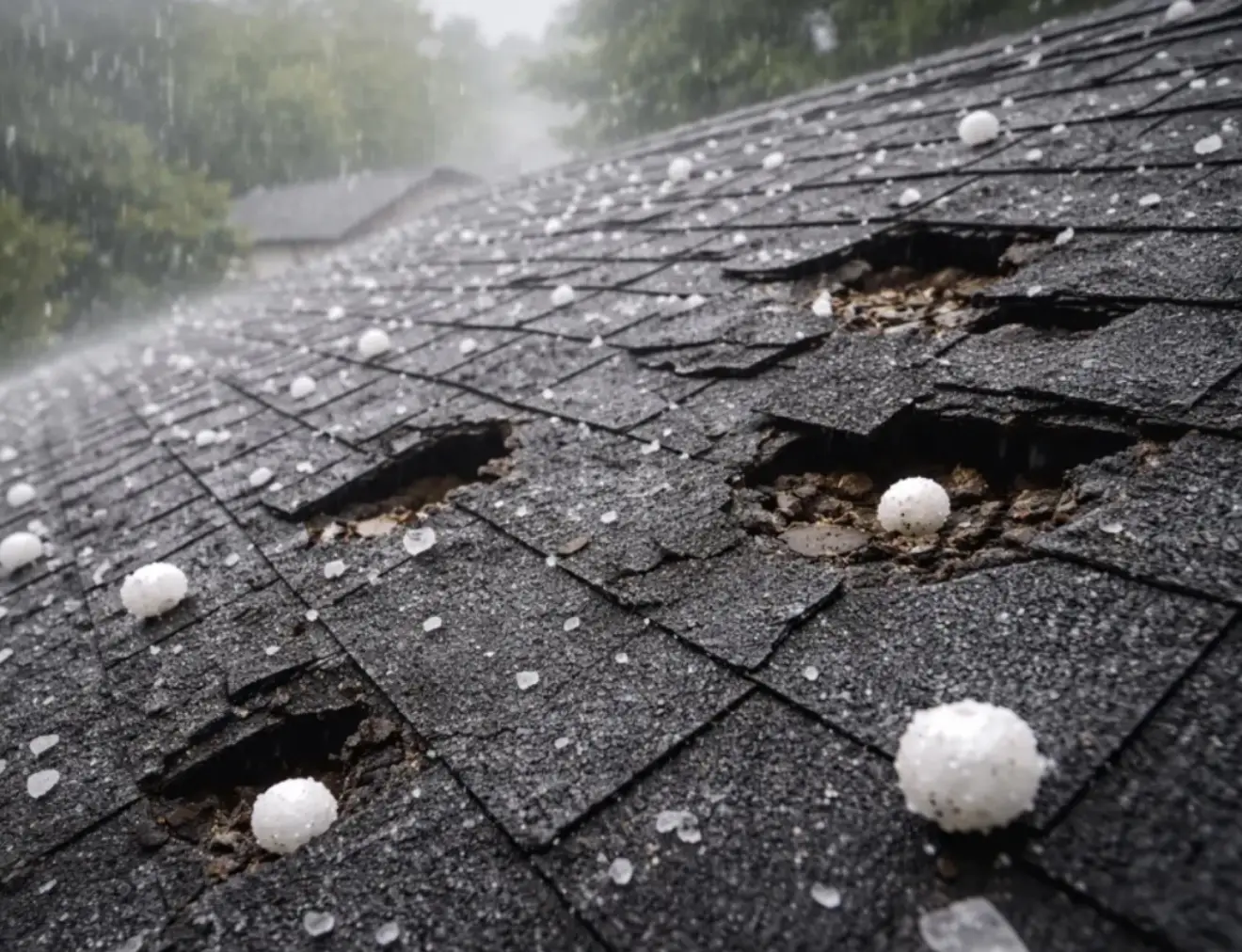
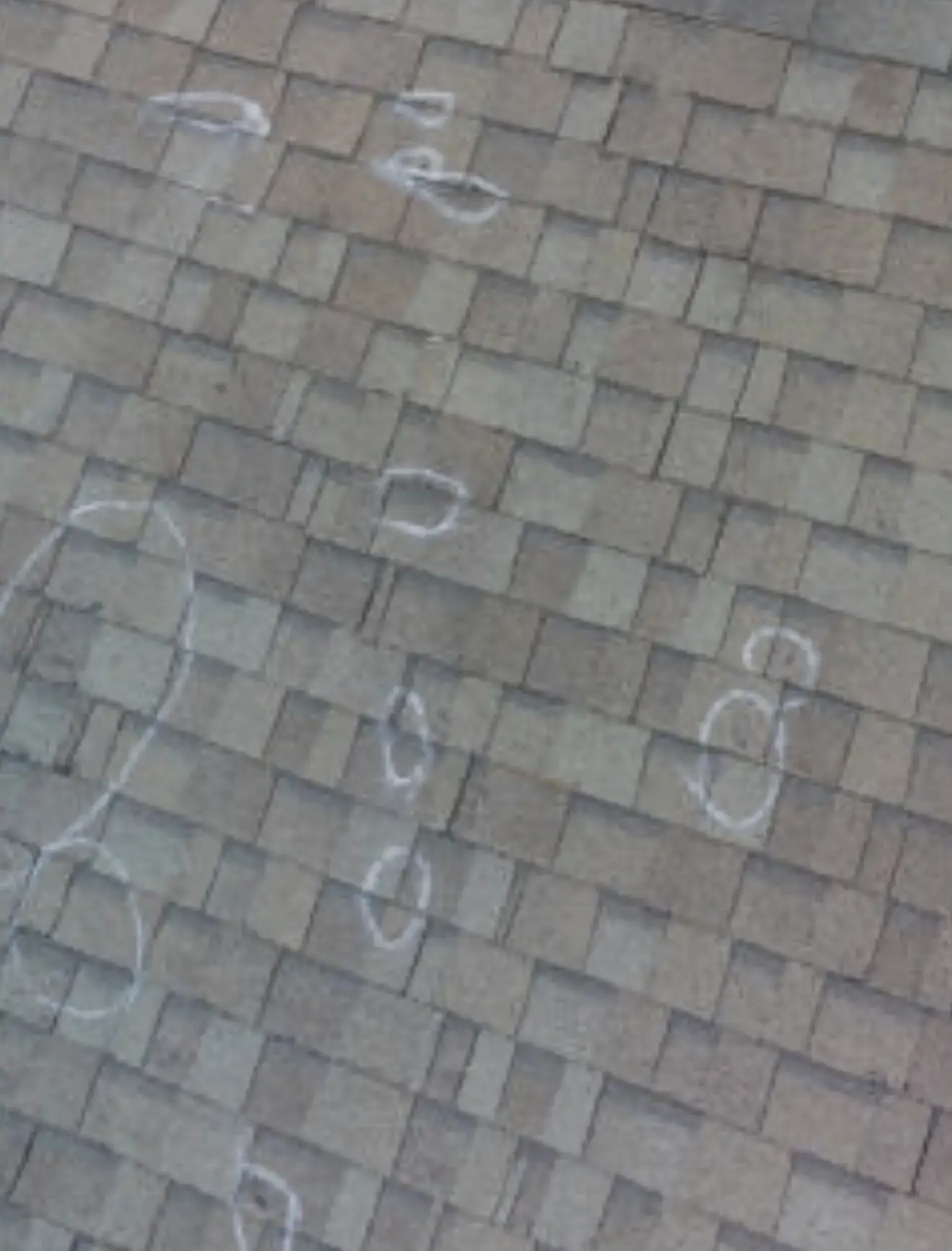
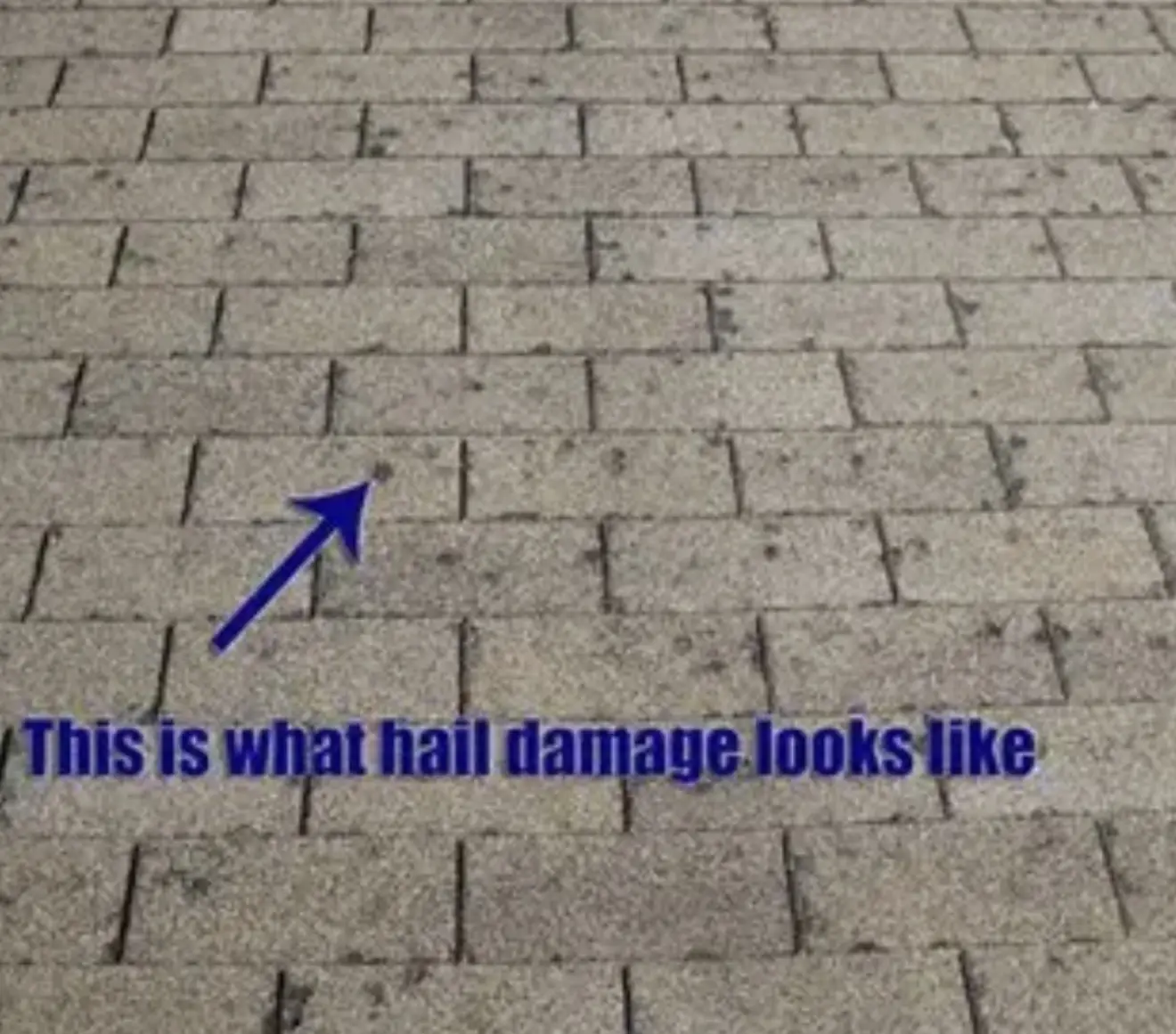
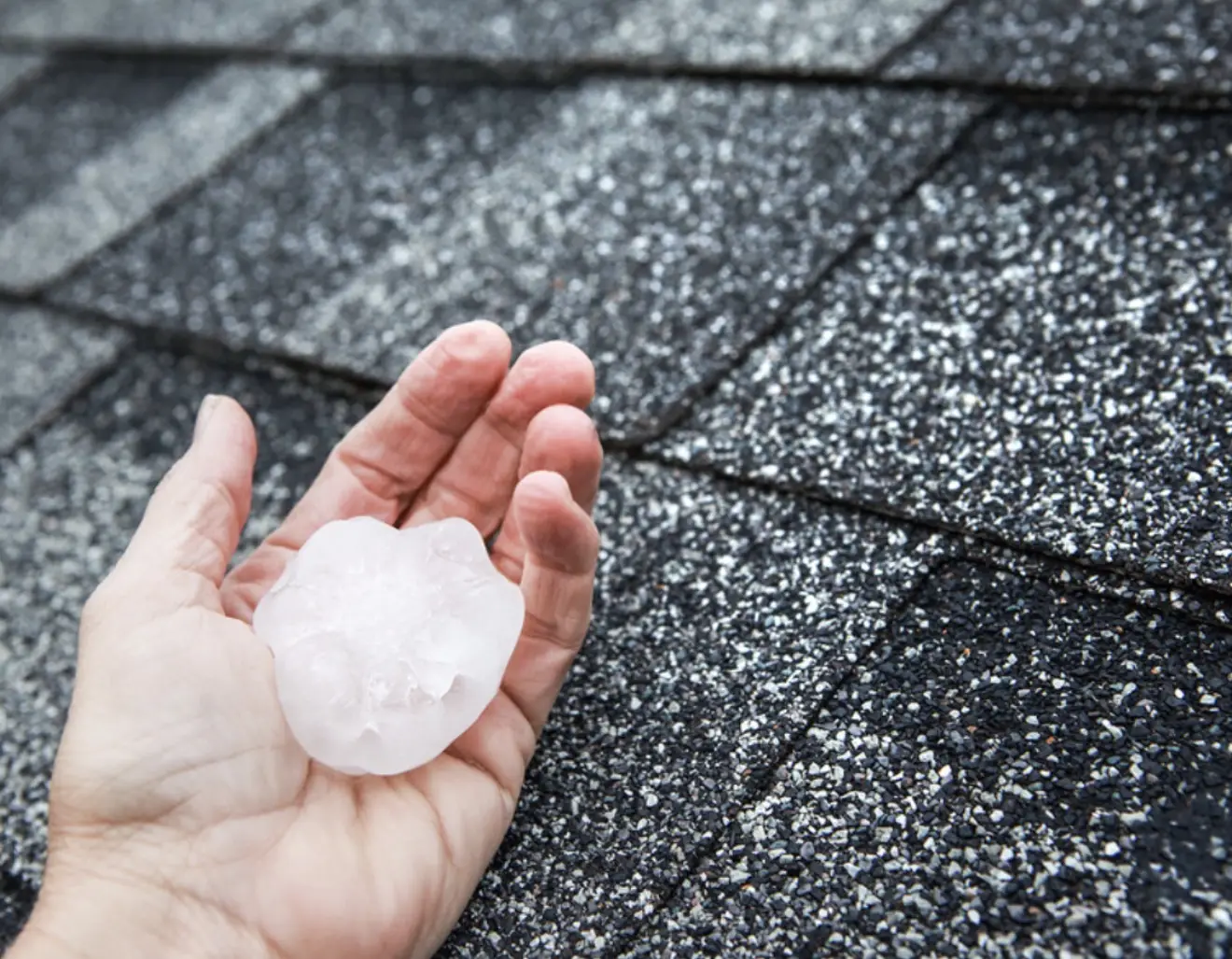
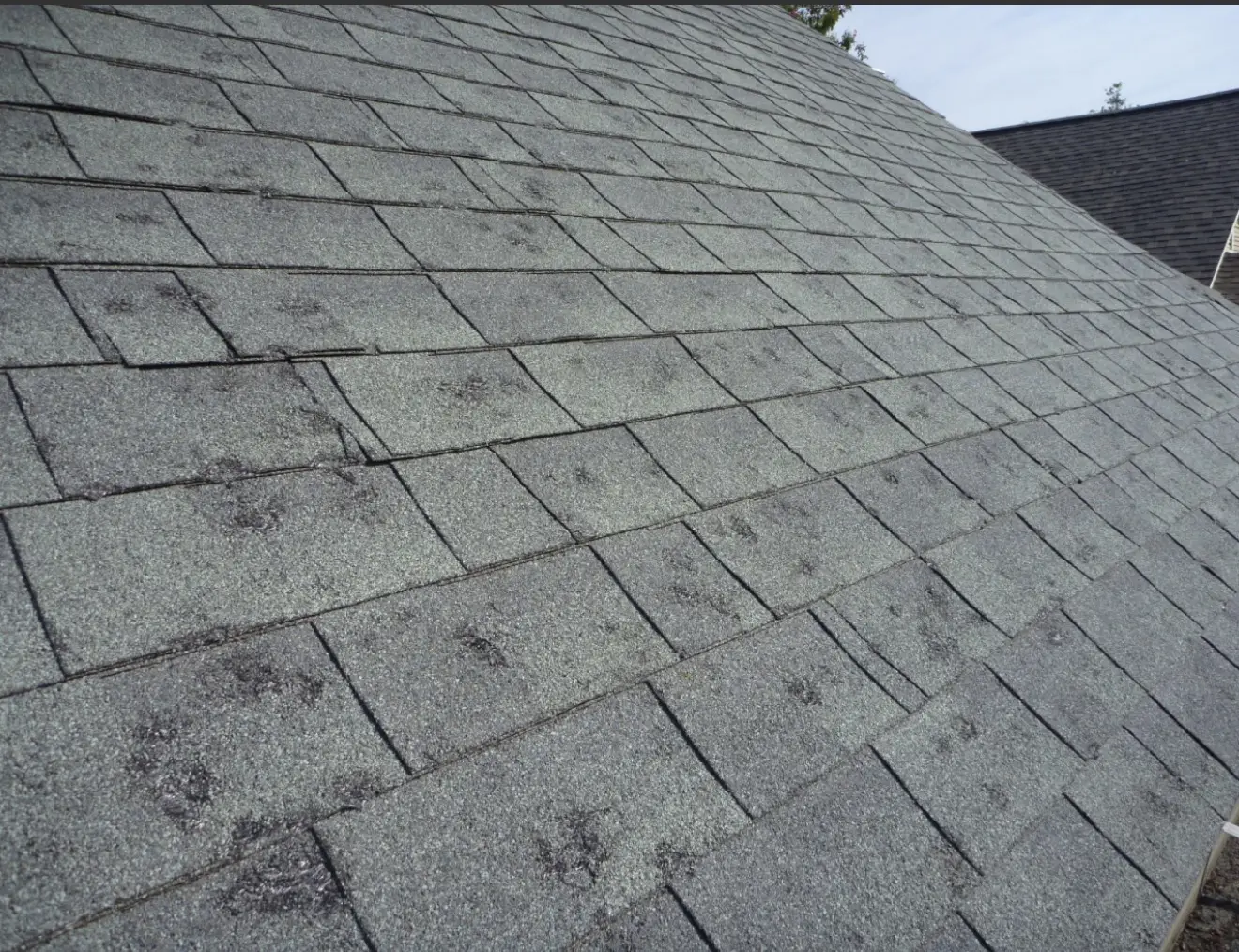
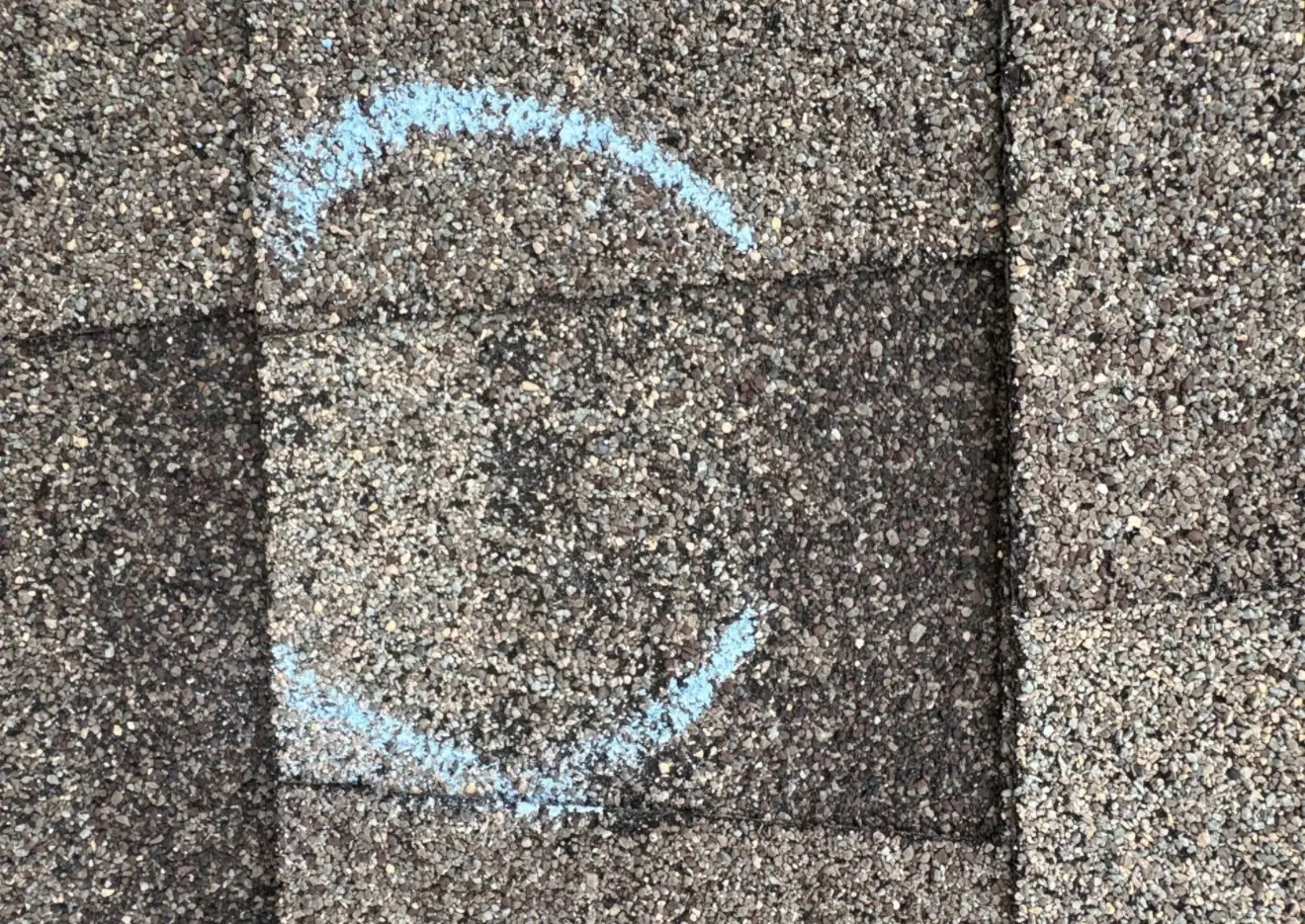
Spring storms often produce hail and strong winds. Hail can bruise shingles, knock away protective granules, and create small cracks that are difficult to see from the ground. Wind may loosen shingles or damage flashing, allowing water to enter during future storms.
Summer presents another challenge. Long periods of intense heat cause roofing materials to expand throughout the day and contract at night. Over time, this repeated movement weakens shingles and increases the risk of cracking.
Because Arlington experiences changing weather throughout the year, homeowners benefit from regular roof inspections. Identifying small issues after a storm helps prevent larger repairs later and keeps your roofing system performing as it should.
What Should You Do After Sudden Roof Damage?
The steps you take after a storm can make a big difference. Acting quickly helps reduce further damage while making the repair process much easier.
Here are a few important steps every homeowner should follow:
- Stay safe and avoid climbing onto the roof: A damaged roof may have loose shingles, weak spots, or slippery surfaces. Inspect your home from the ground and leave the roof inspection to trained professionals.
- Look for visible signs of damage: Walk around your property and check for missing shingles, damaged gutters, fallen branches, or debris. Inside your home, inspect ceilings, walls, and your attic for water stains or damp areas.
- Document everything: Take clear photos and videos of any visible damage. Keeping accurate records can be helpful if you need to file an insurance claim.
- Protect your home’s interior: If water is entering your home, place buckets or containers under active leaks and move valuable furniture or belongings away from the affected area whenever possible.
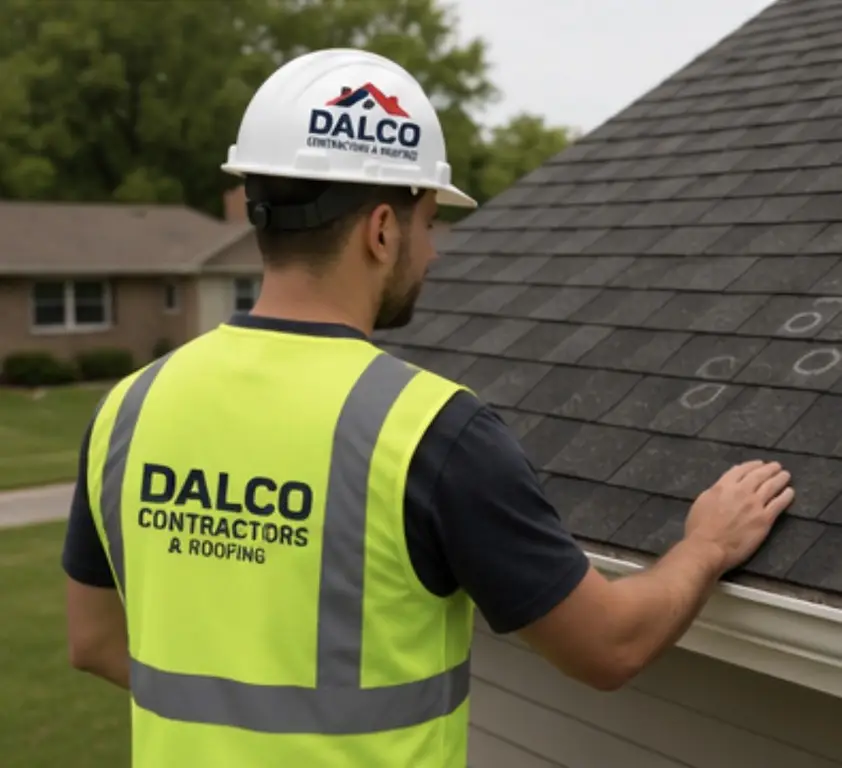
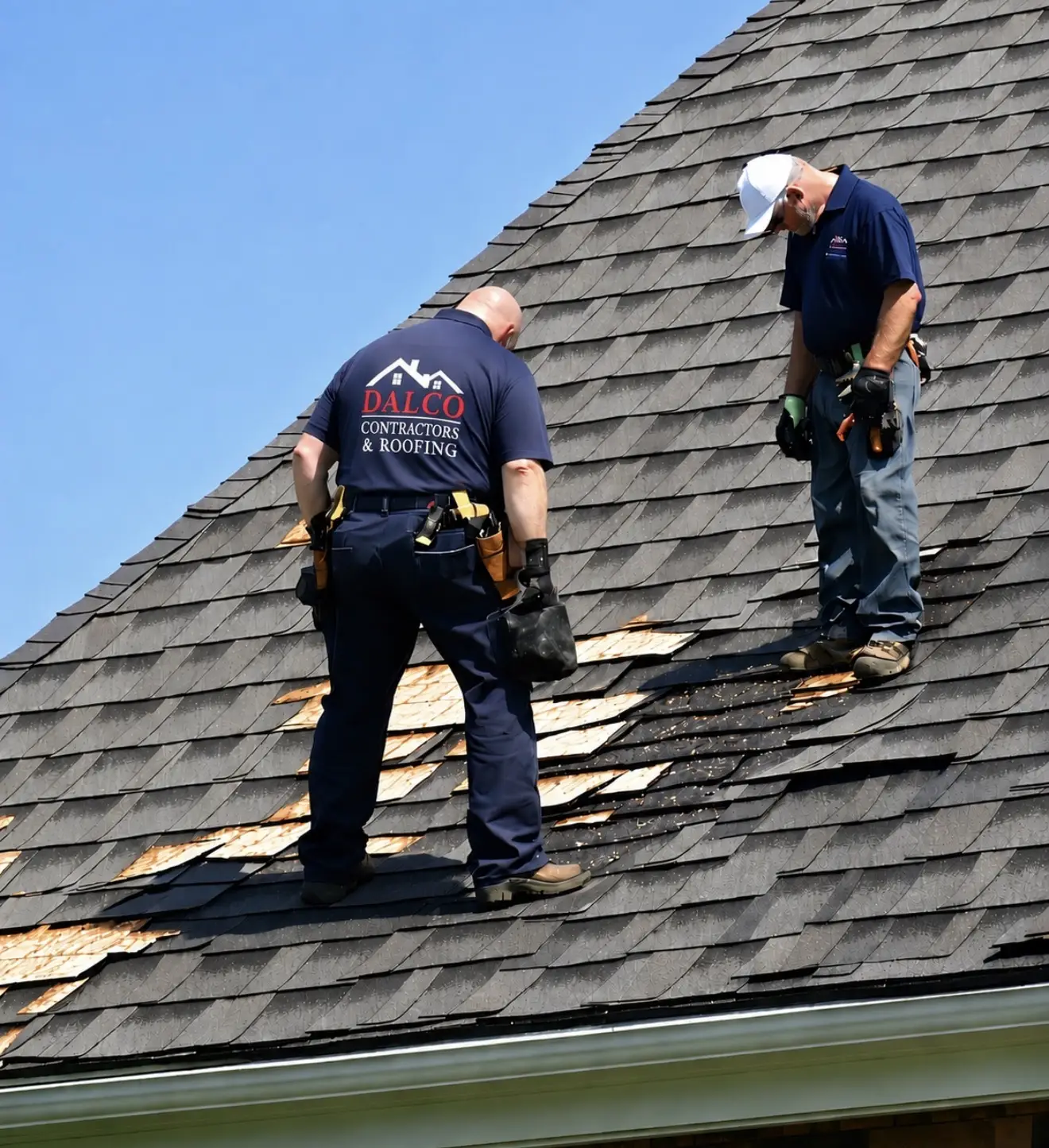
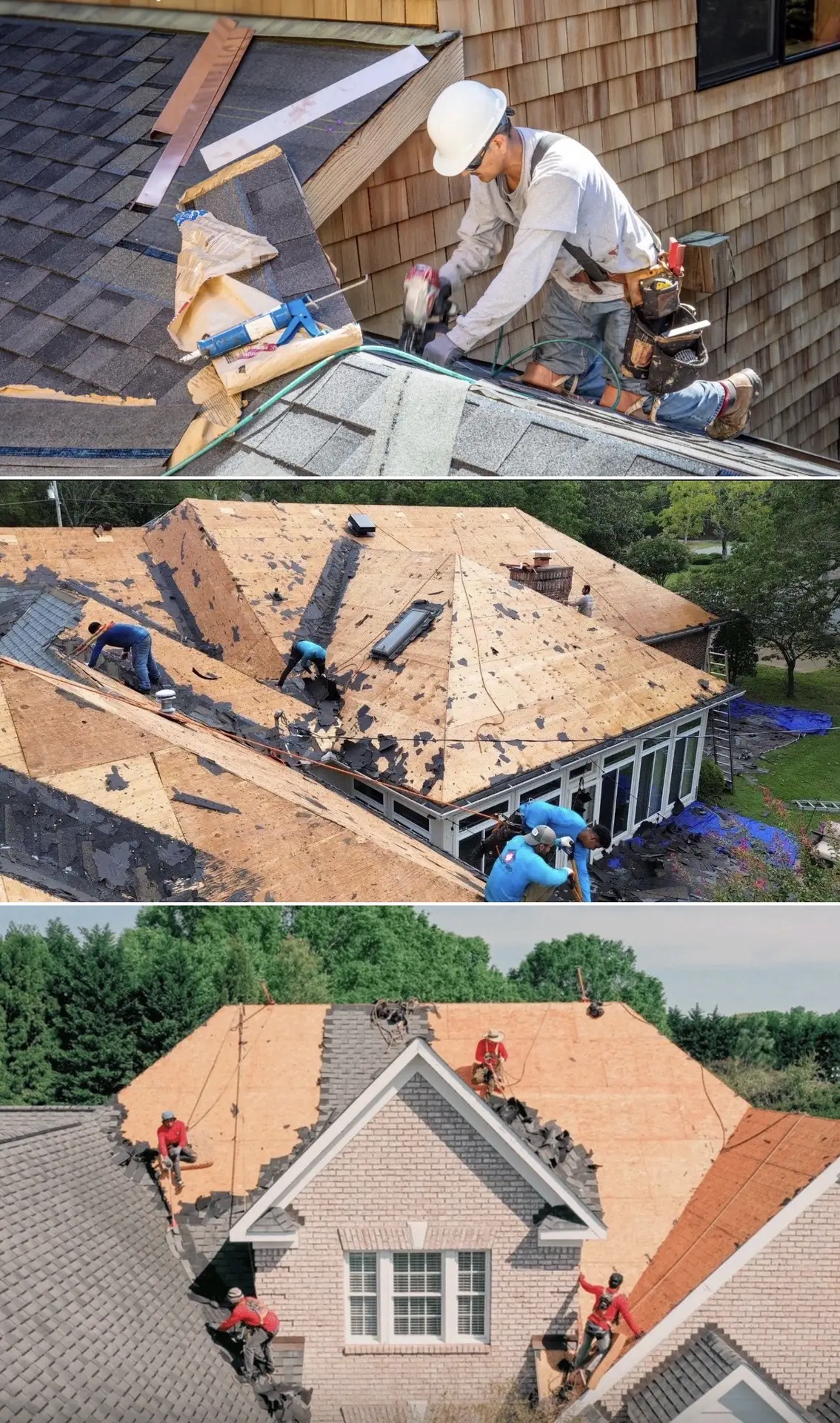
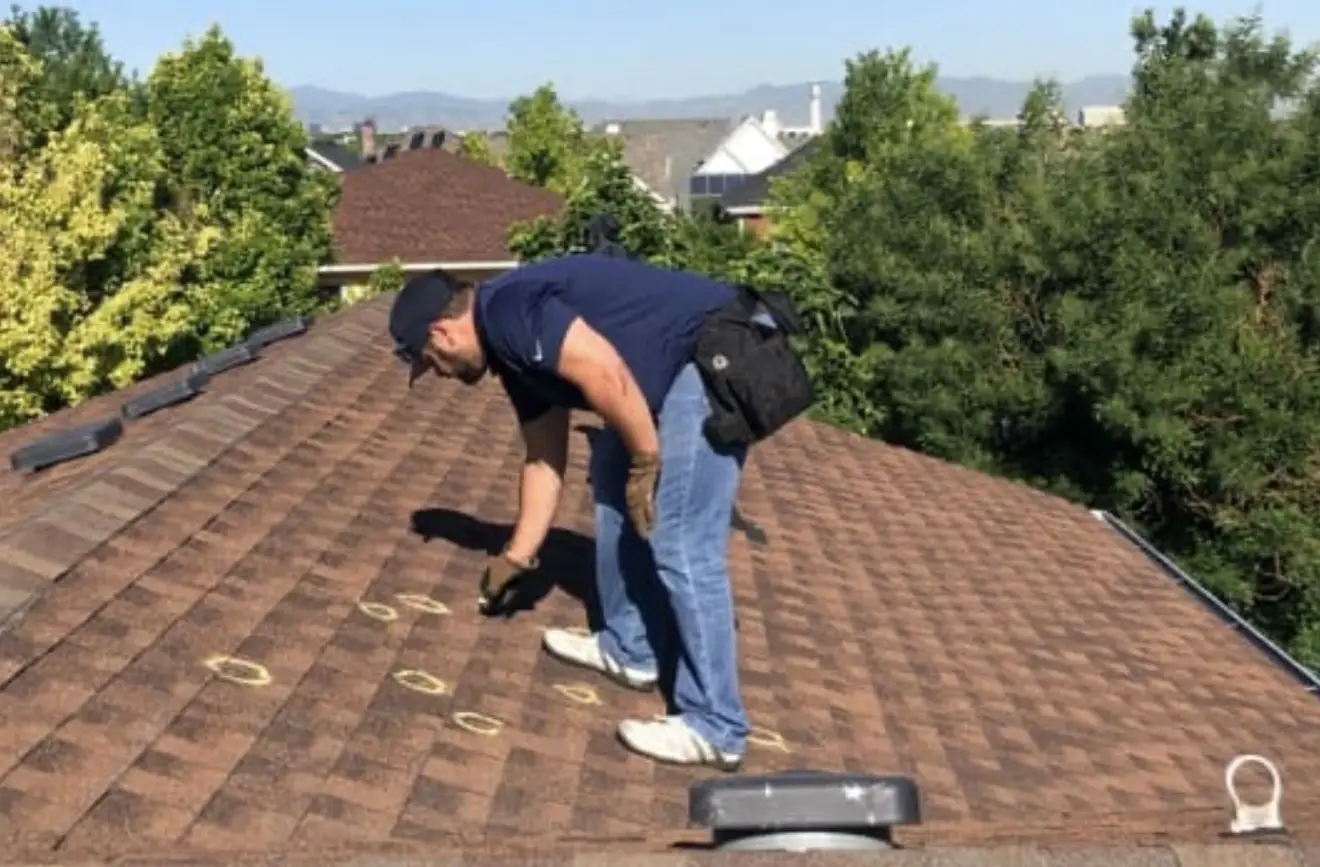
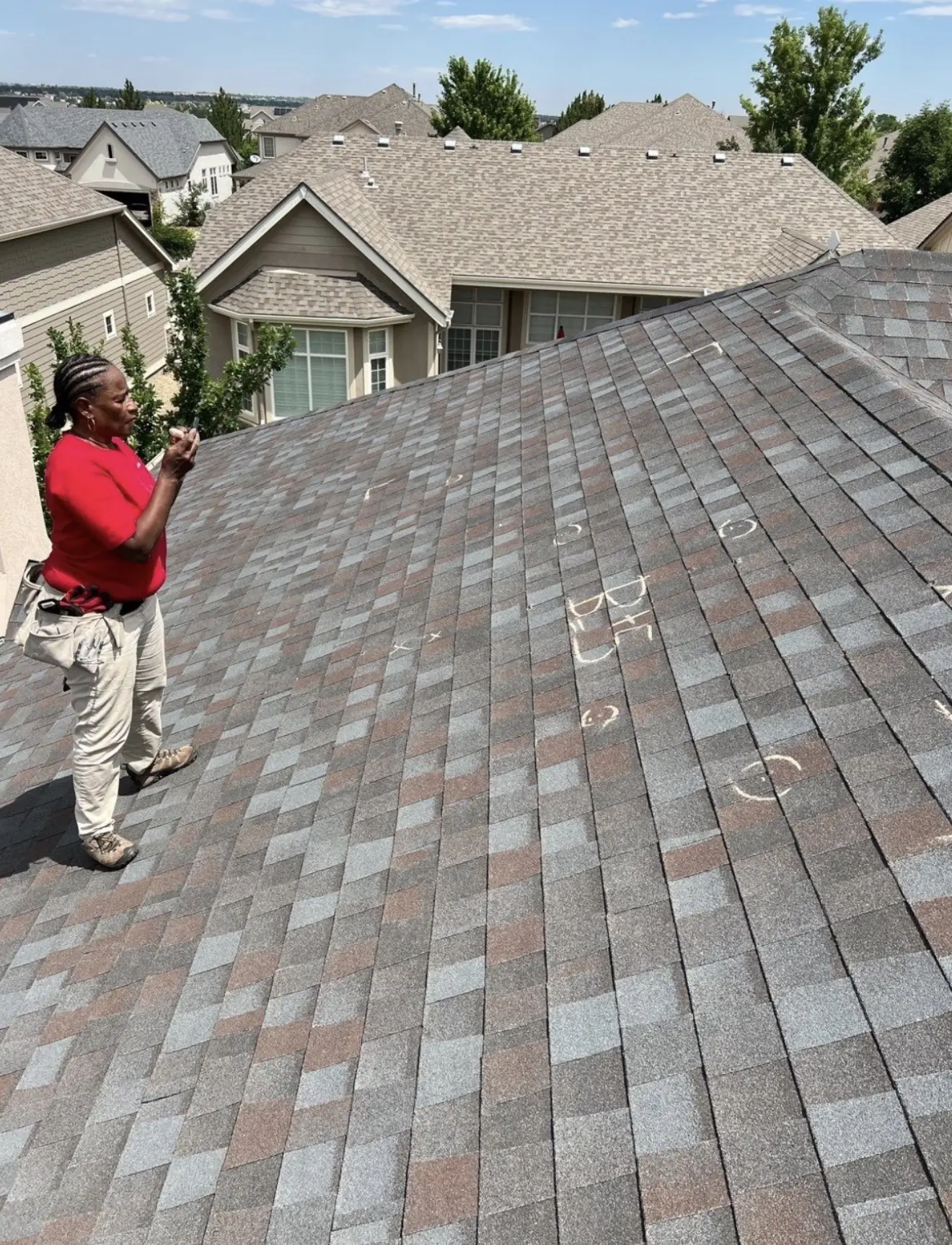
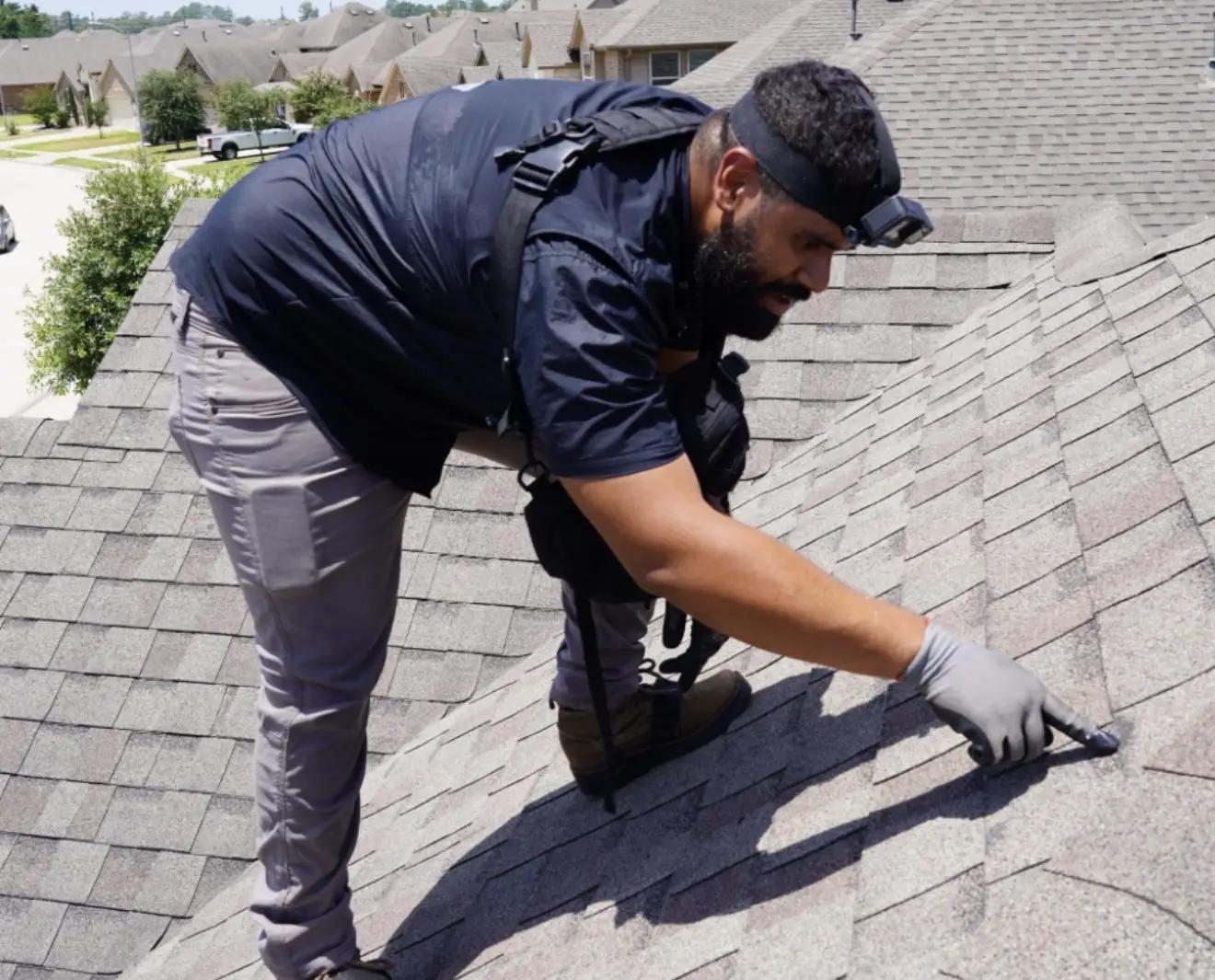
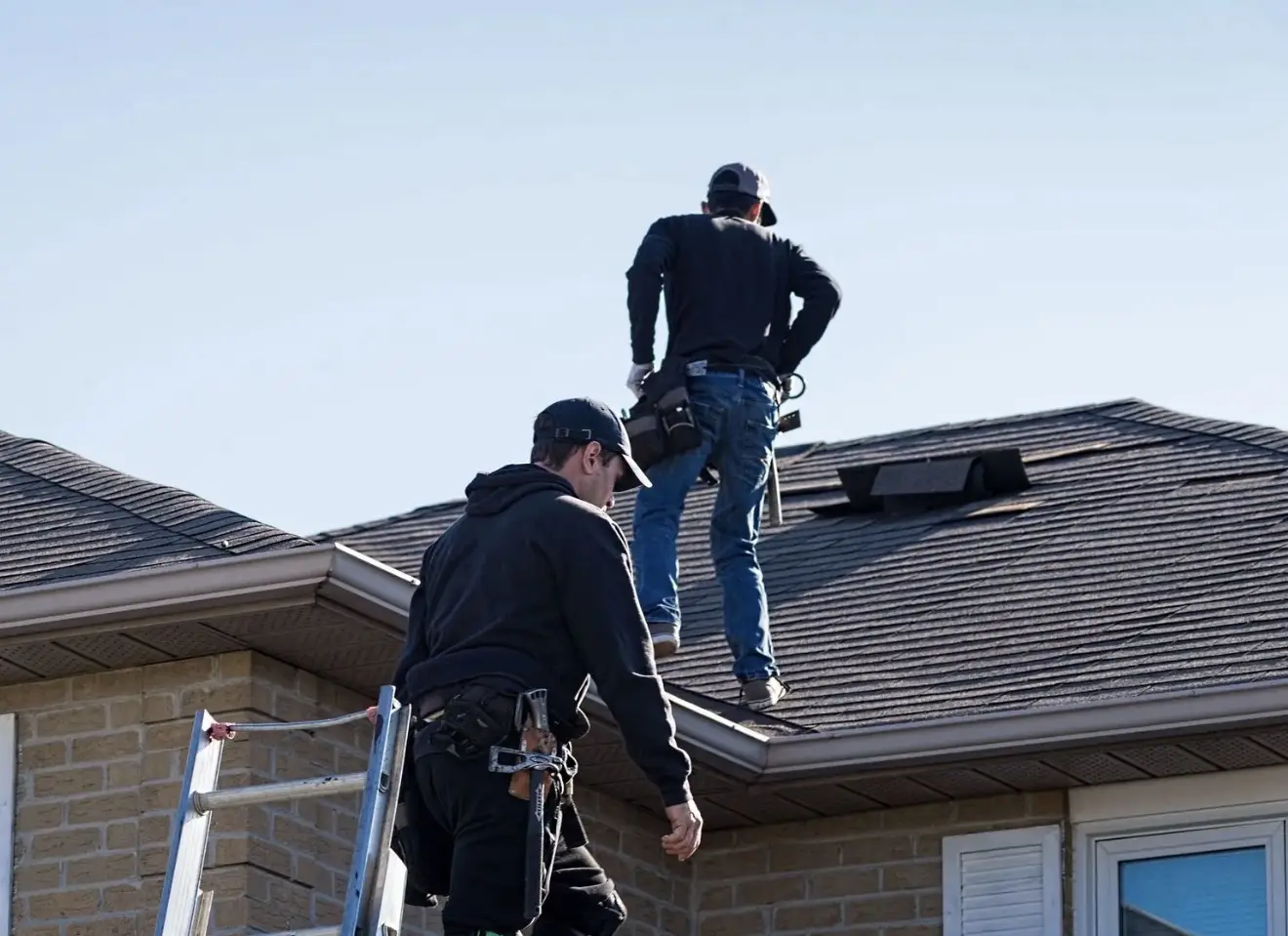
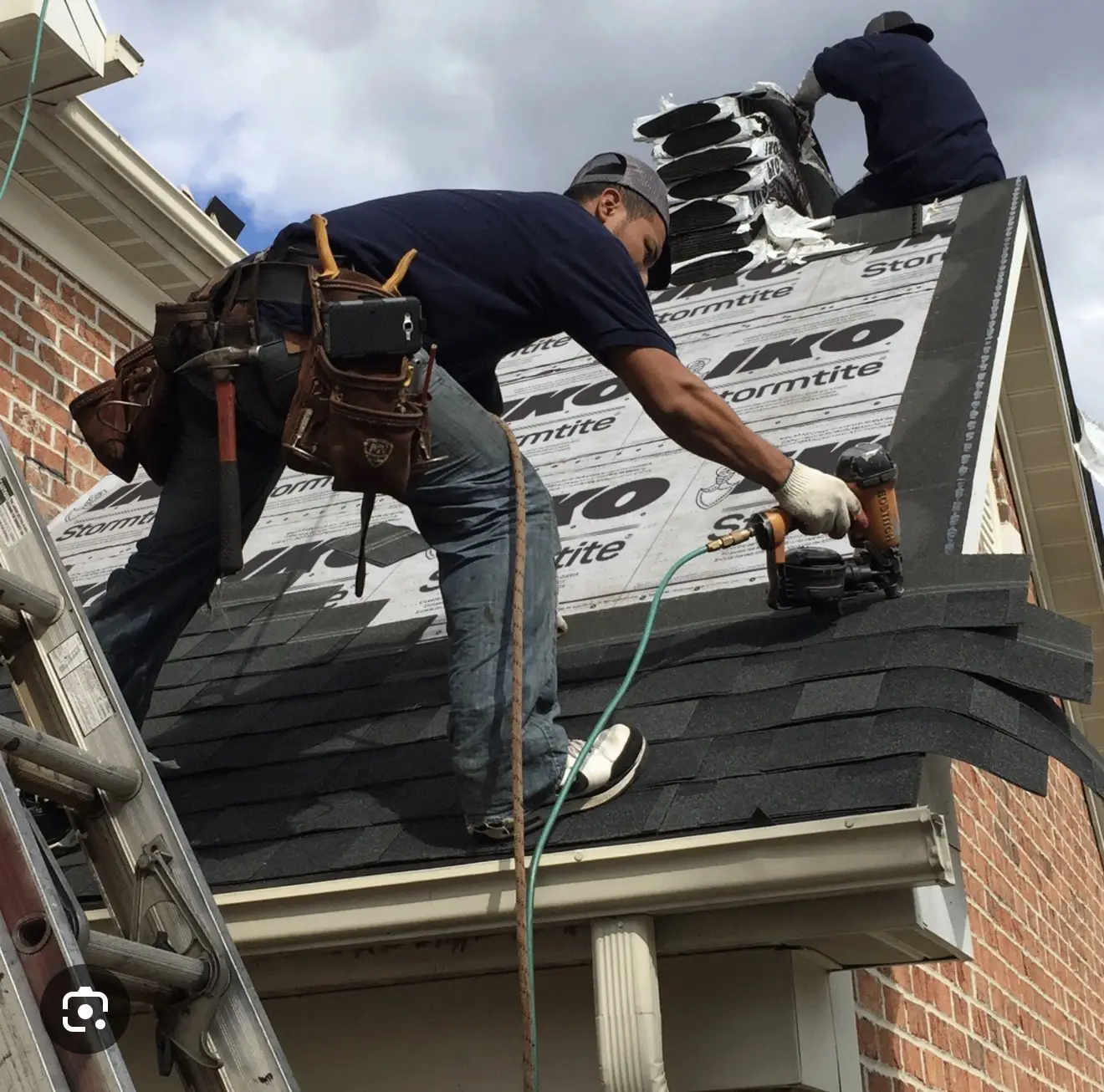
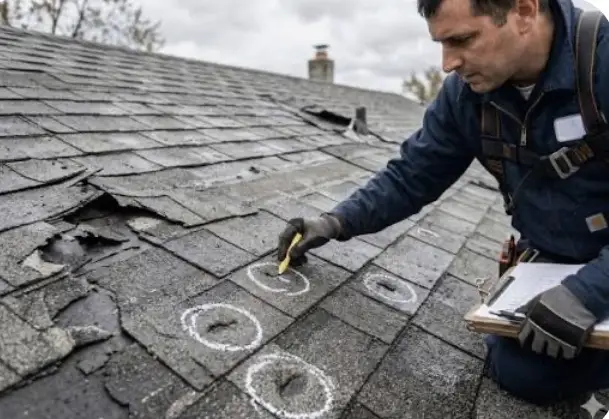
- Schedule a professional roof inspection: A roofing contractor can identify visible and hidden damage, explain the condition of your roof, and recommend the best repair solution before the problem becomes worse.
Why Are Professional Roof Inspections Worth It?
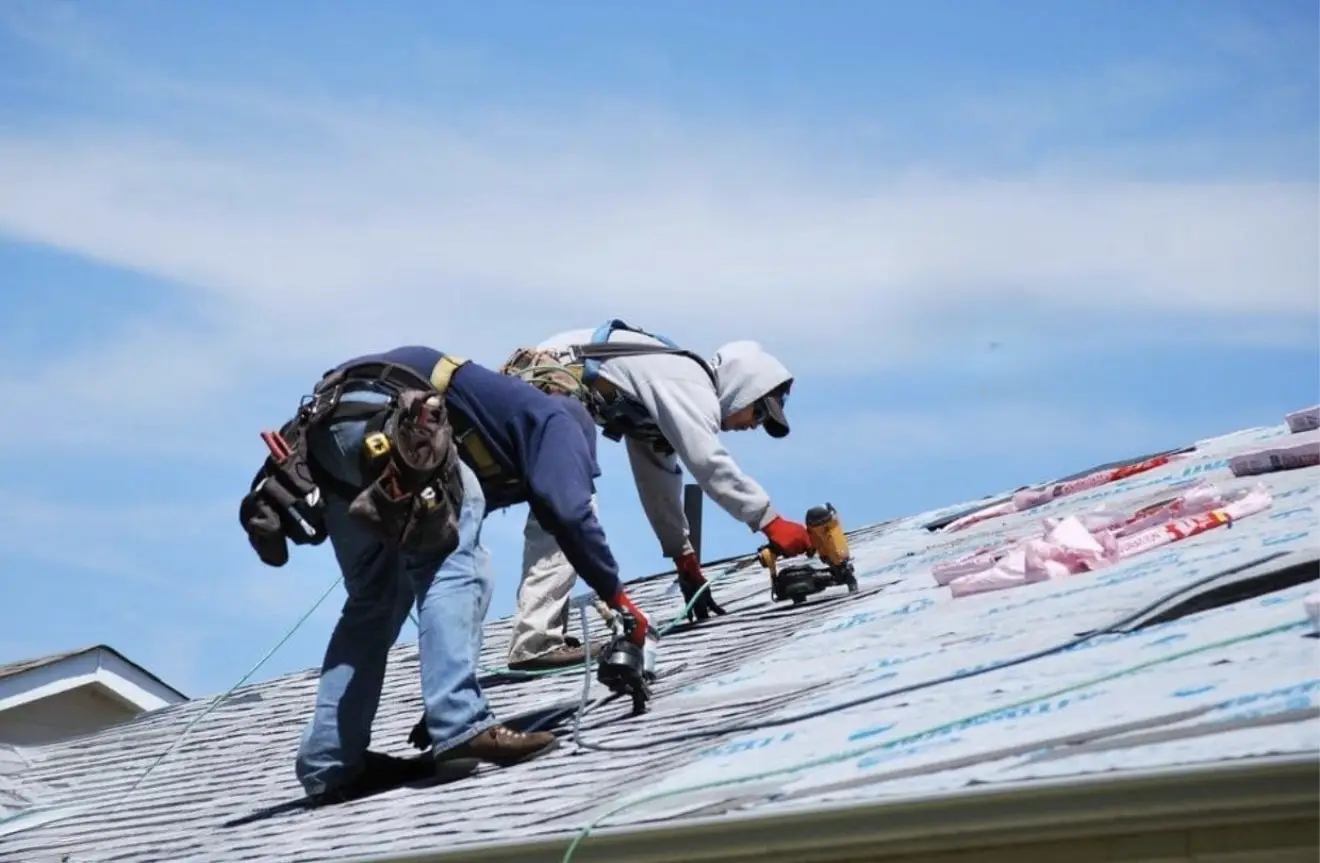
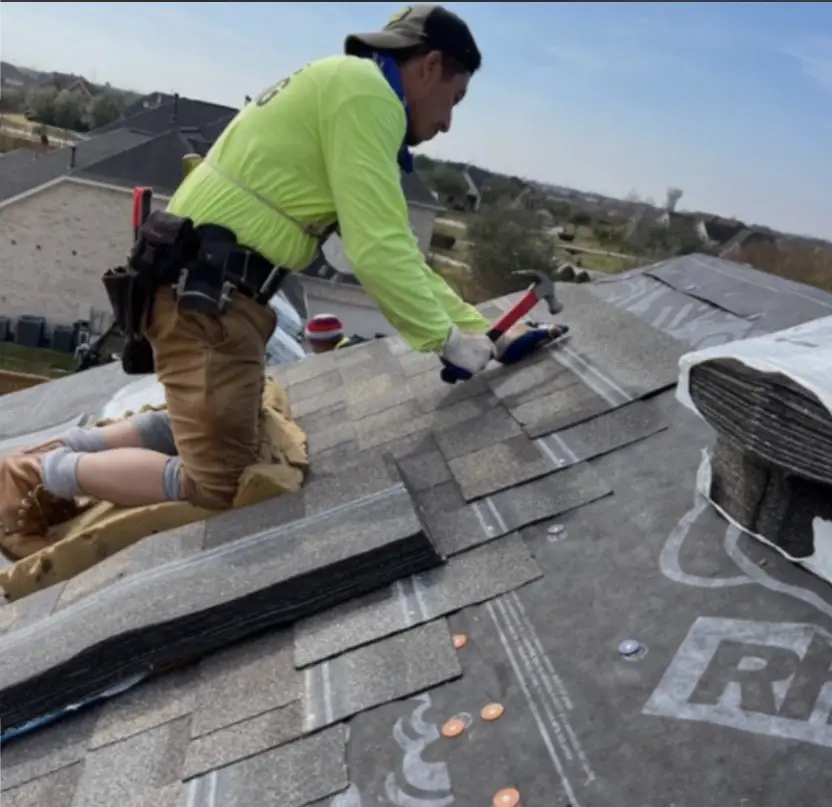
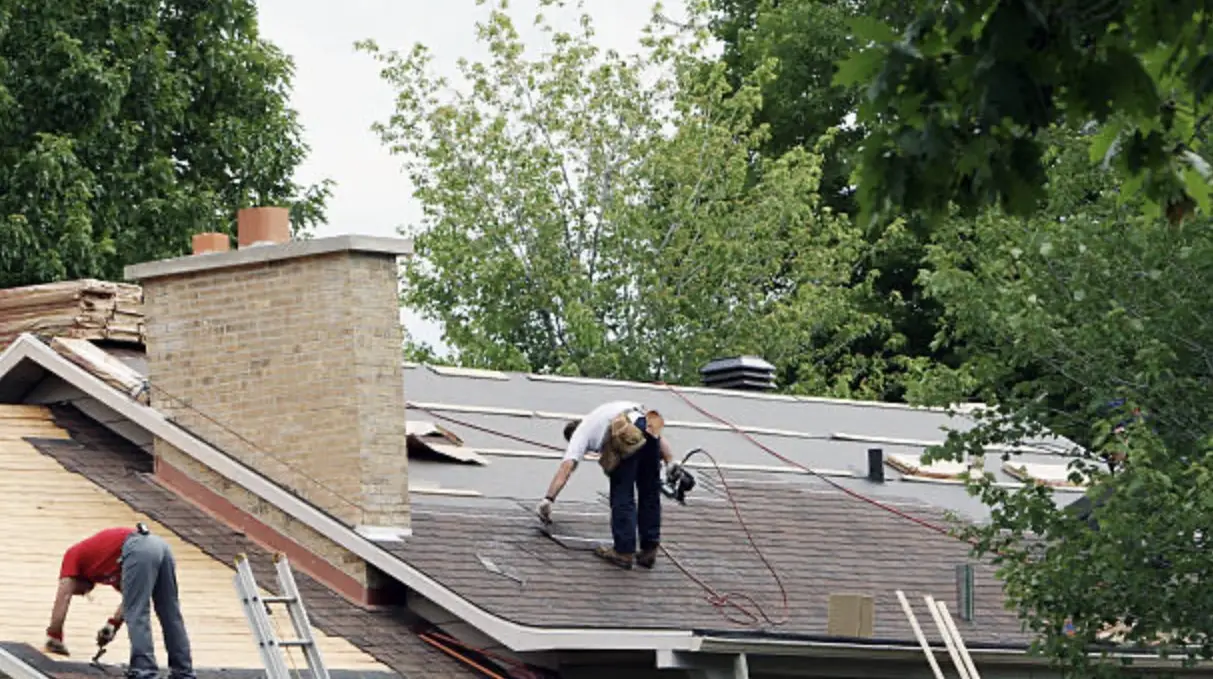
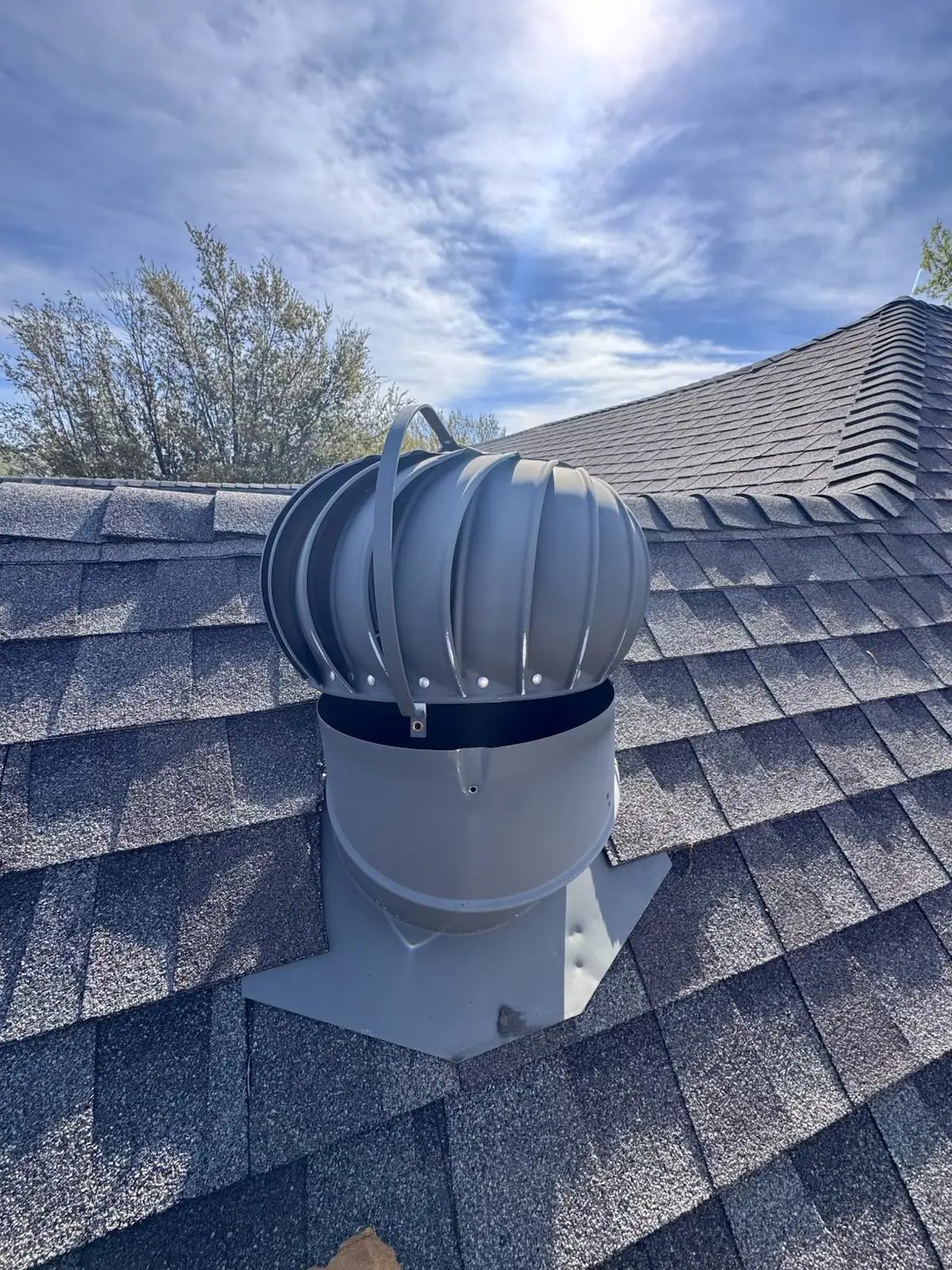
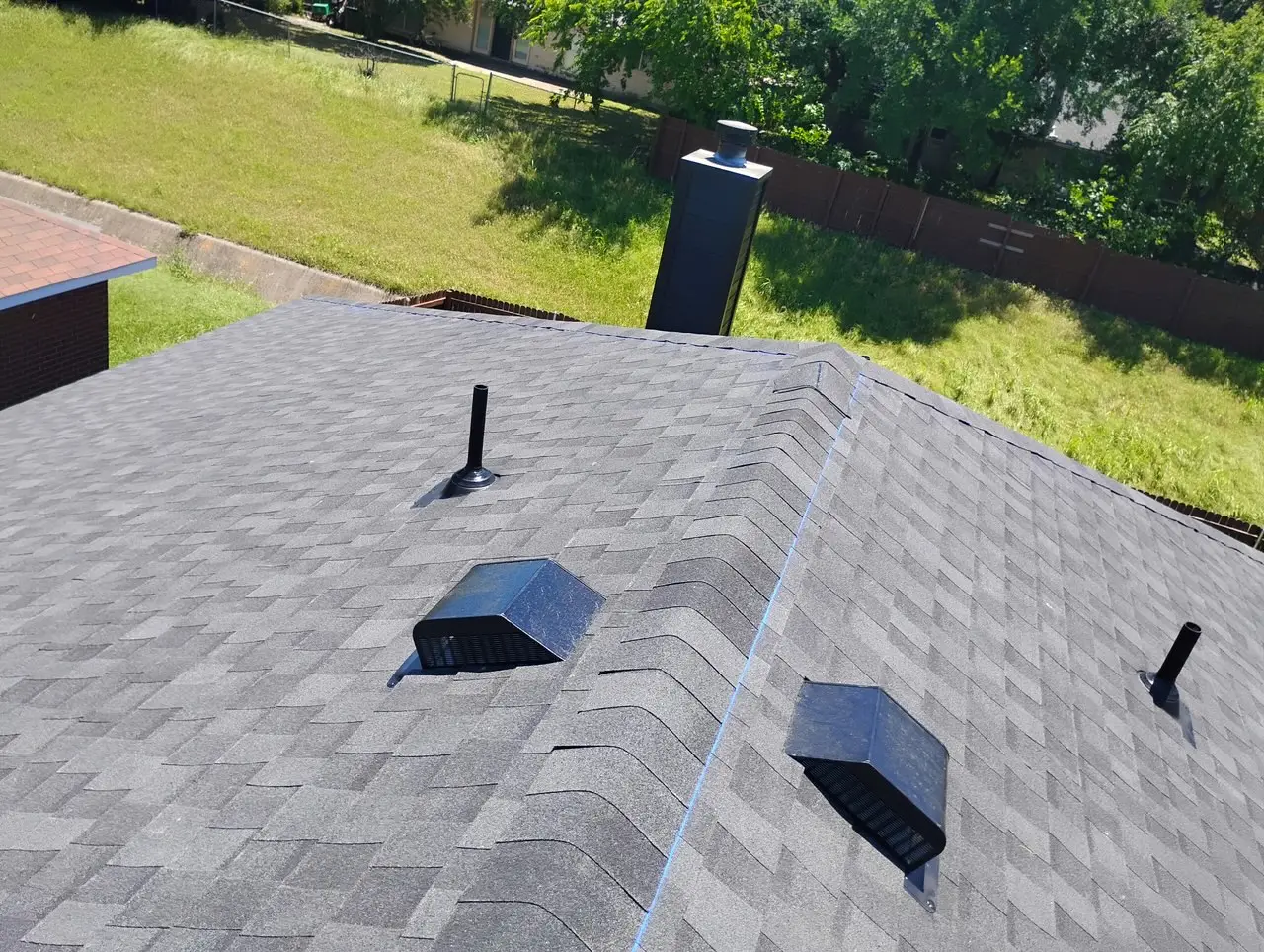
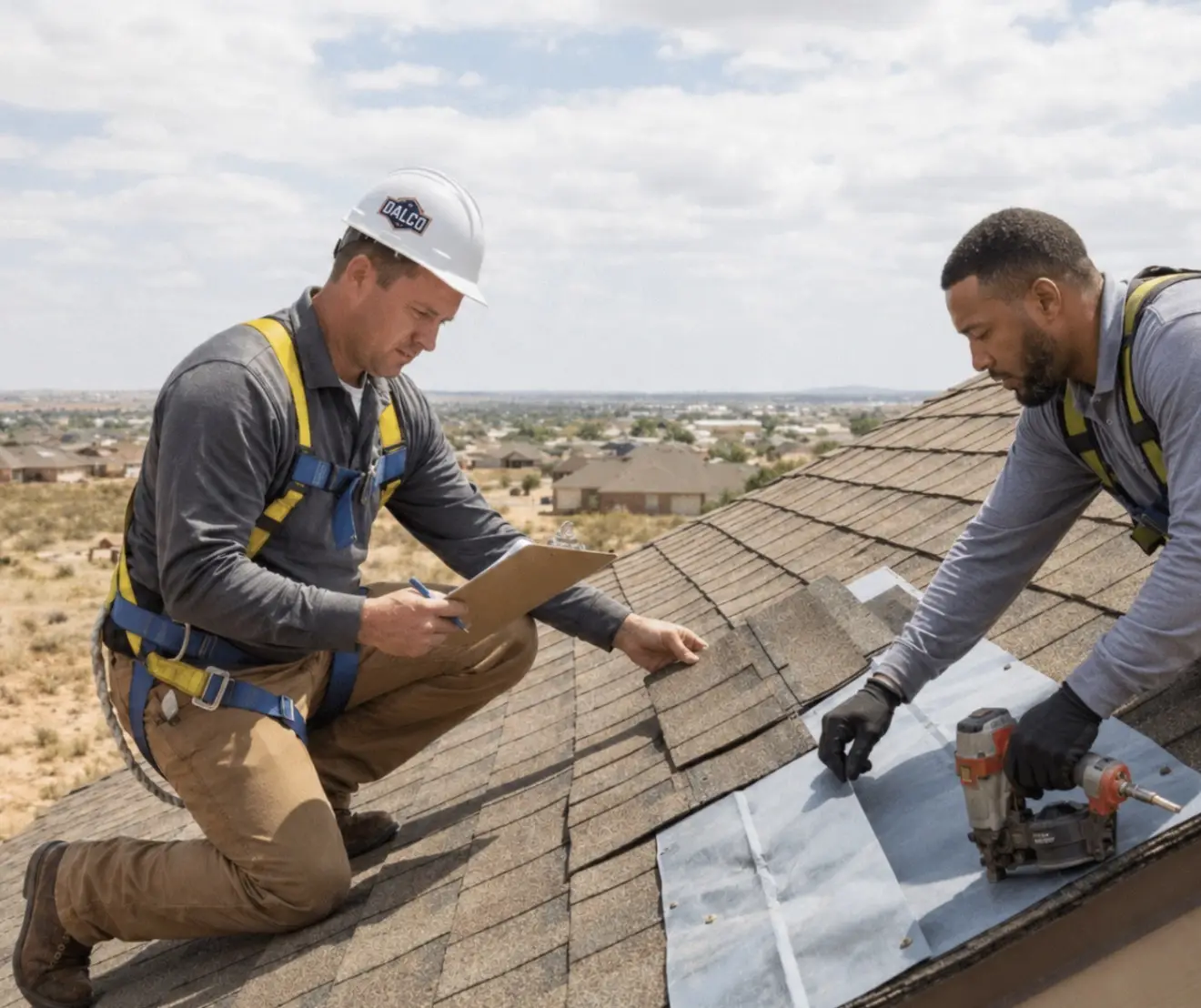
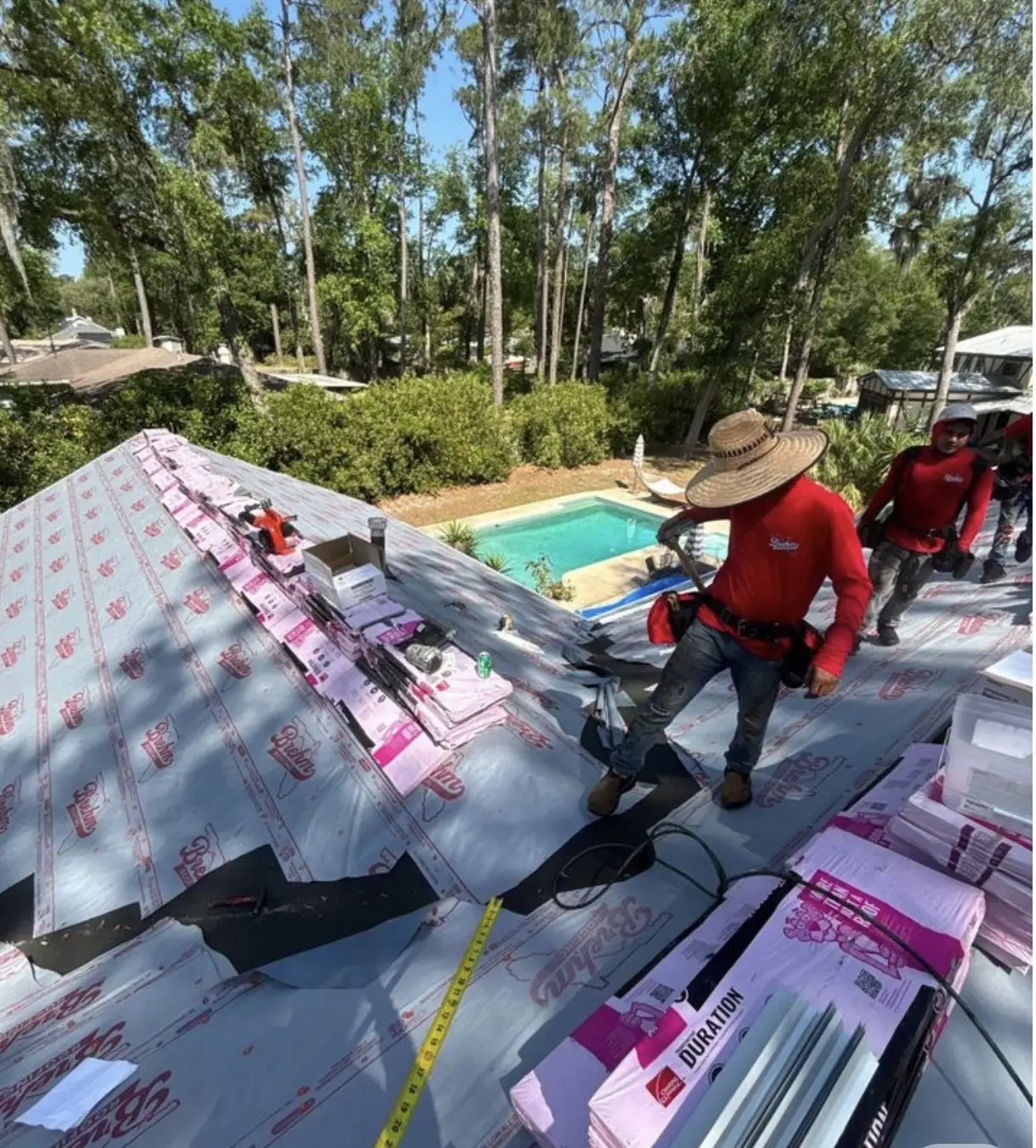
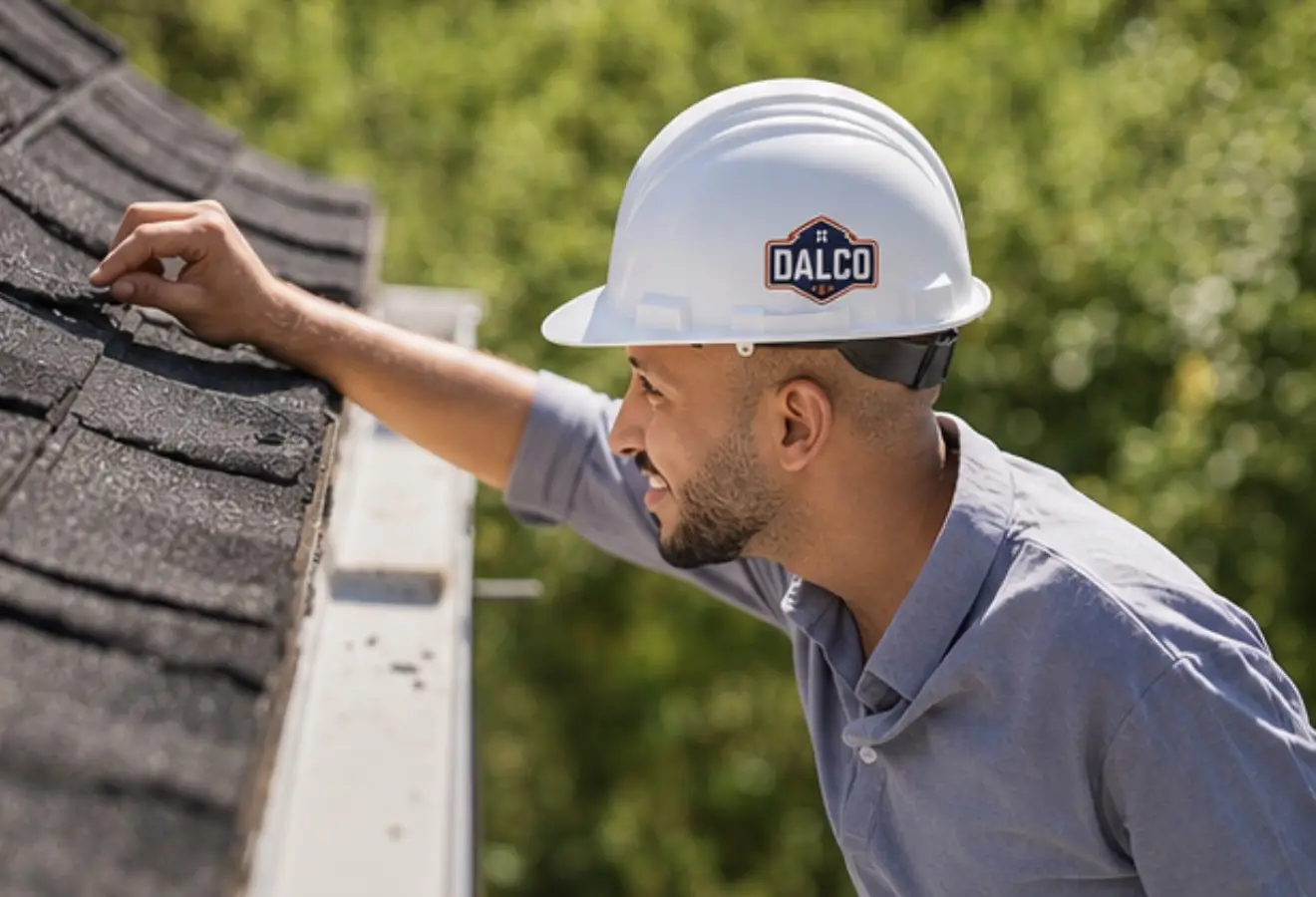
Not all roof damage is easy to see. In many cases, the most serious problems develop beneath the shingles or around areas that homeowners cannot safely inspect. Professional roofing contractors look beyond visible damage. They examine shingles, flashing, roof vents, gutters, drainage systems, and attic ventilation to make sure every part of the roofing system is functioning properly.
A detailed inspection also helps determine whether your roof needs a simple repair or more extensive work. Instead of guessing, you receive clear recommendations based on the actual condition of your roof.
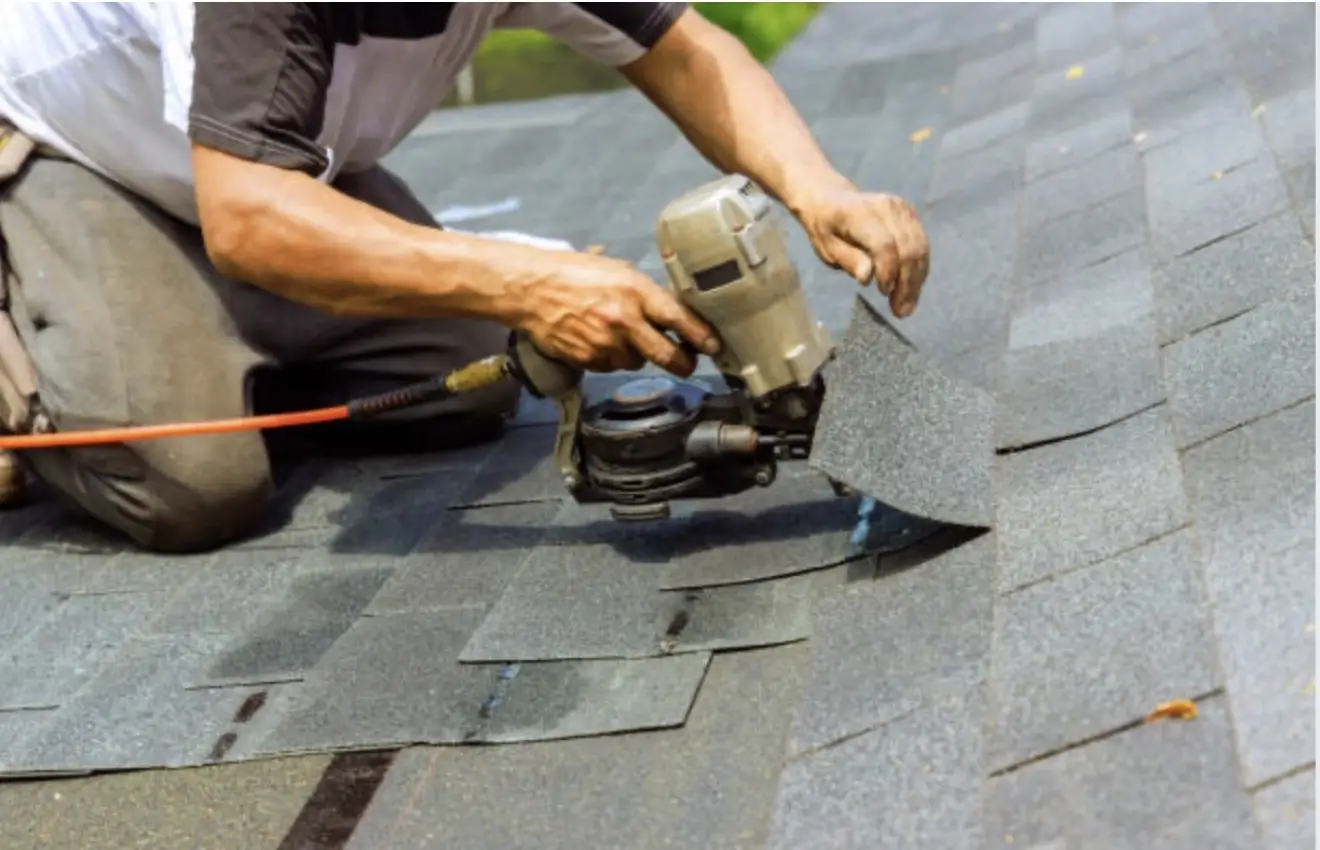
Scheduling roof repair soon after a storm also helps prevent hidden moisture from spreading through your home. Small repairs completed early often save homeowners from larger restoration projects later.
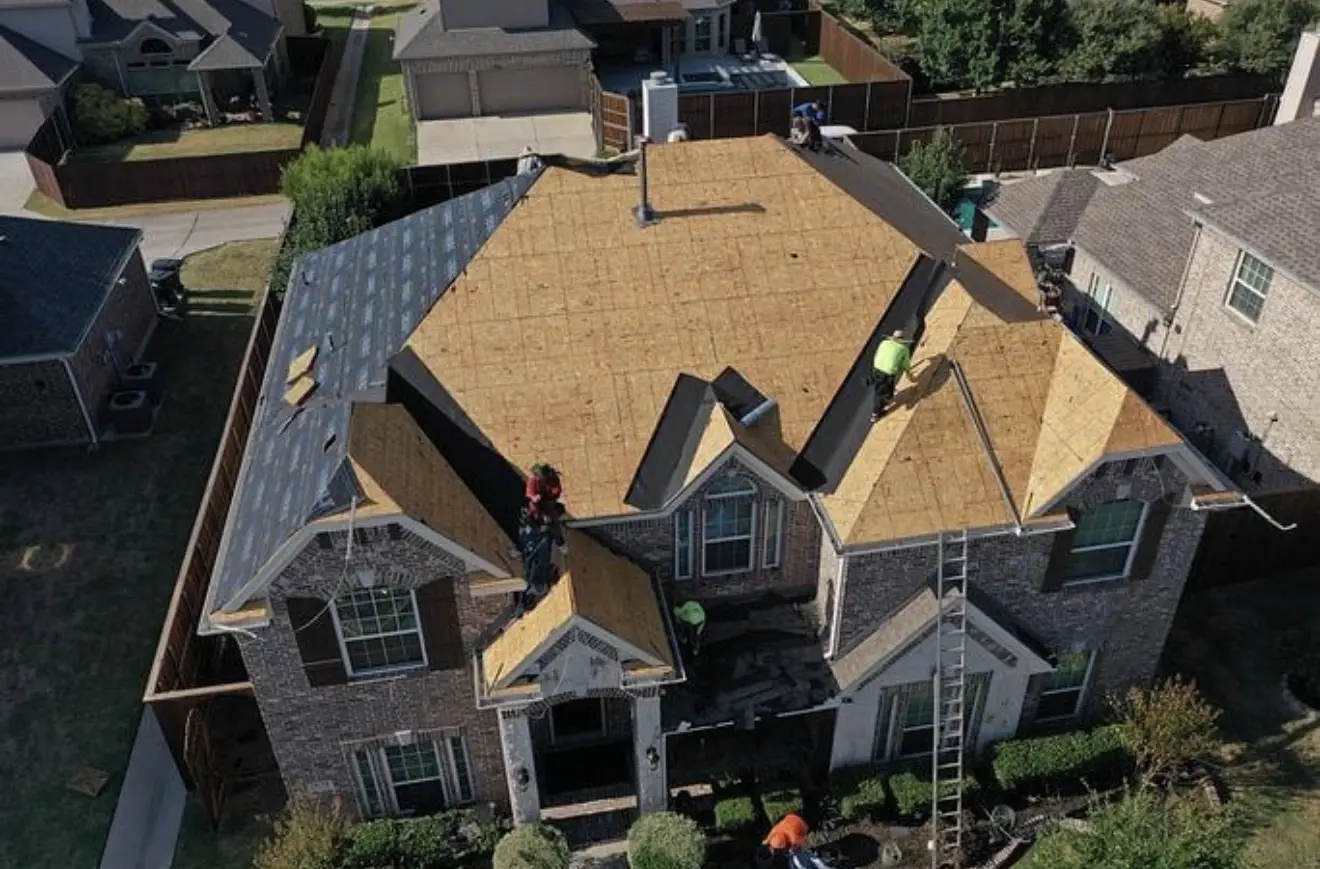
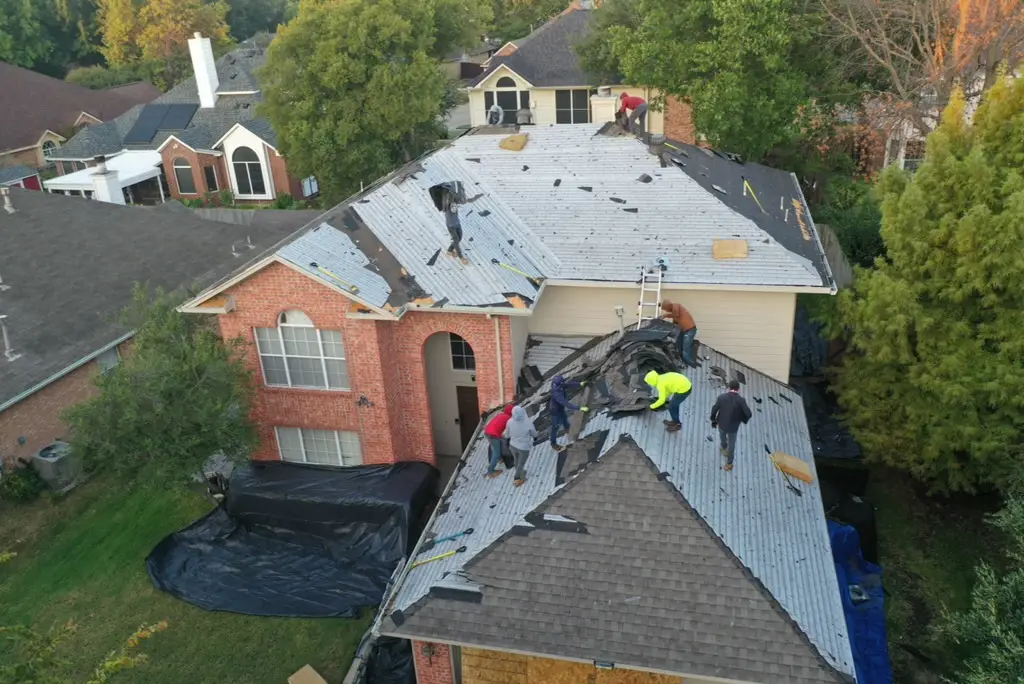
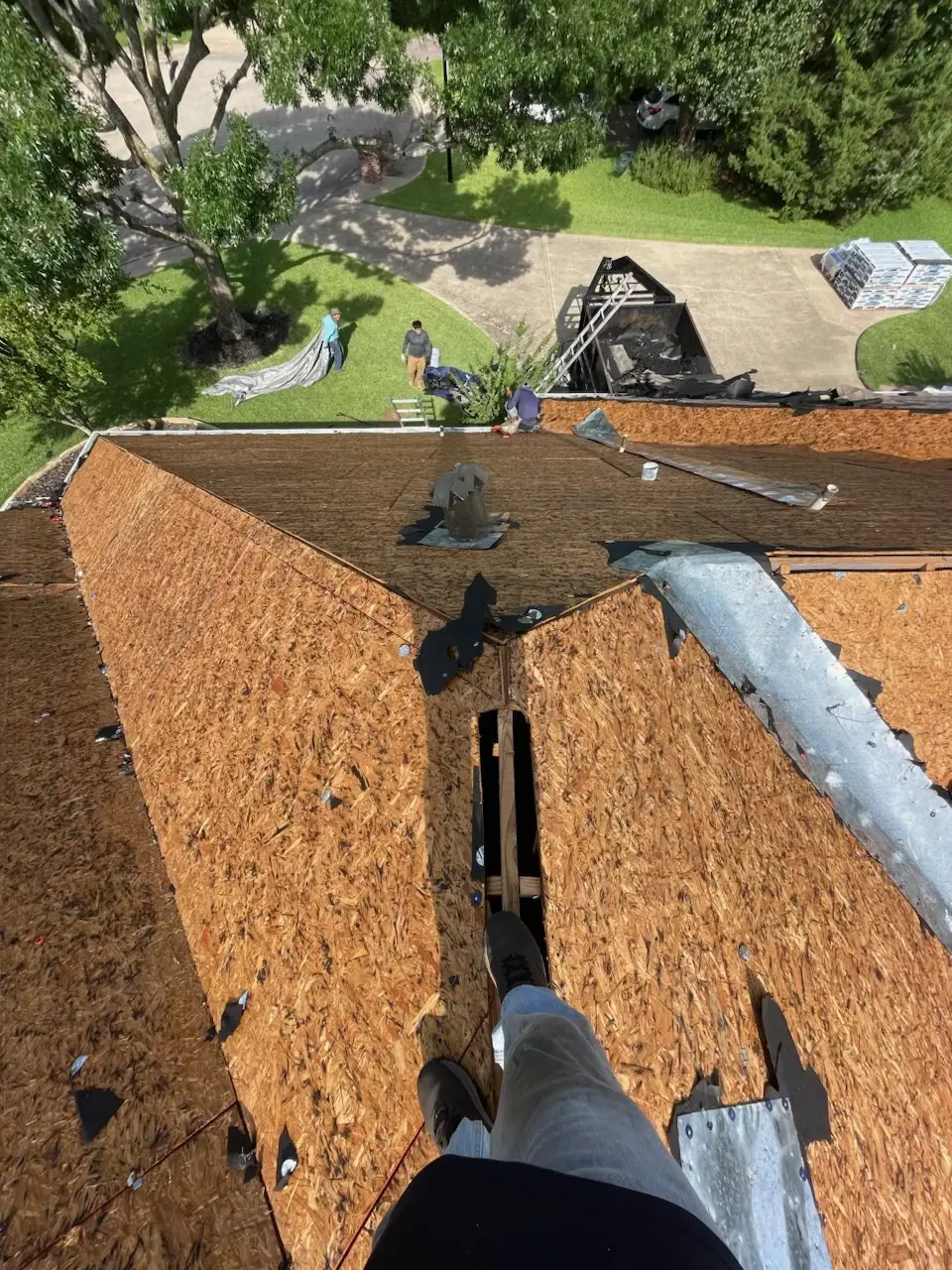
If your roof has suffered severe storm damage, large sections of missing shingles, or active leaks, emergency roof repair Arlington TX services can provide immediate protection while permanent repairs are planned.
Simple Ways to Keep Your Roof in Good Condition
Roof maintenance is one of the easiest ways to reduce unexpected repairs. A little attention throughout the year helps your roof last longer and perform better during severe weather.
Simple maintenance habits include:
- Schedule annual roof inspections: Regular inspections help identify small problems before they become expensive repairs.
- Keep gutters clean: Clogged gutters prevent proper drainage and allow water to collect along the roof’s edge.
- Remove leaves and debris: Organic debris traps moisture and may shorten the life of roofing materials.
- Trim nearby tree branches: Overhanging limbs can scrape shingles or fall during storms, causing significant roof damage.
- Check your attic regularly: Moisture, mold, or poor ventilation inside the attic may indicate roofing problems that need attention.
- Repair small issues promptly: A loose shingle or damaged flashing is much easier to repair than widespread water damage.
Protect Your Home Before Small Problems Become Big Repairs
Roof damage is never something homeowners plan for, but how you respond makes all the difference. Addressing problems early helps prevent leaks, protects your home’s structure, and keeps repair costs under control.
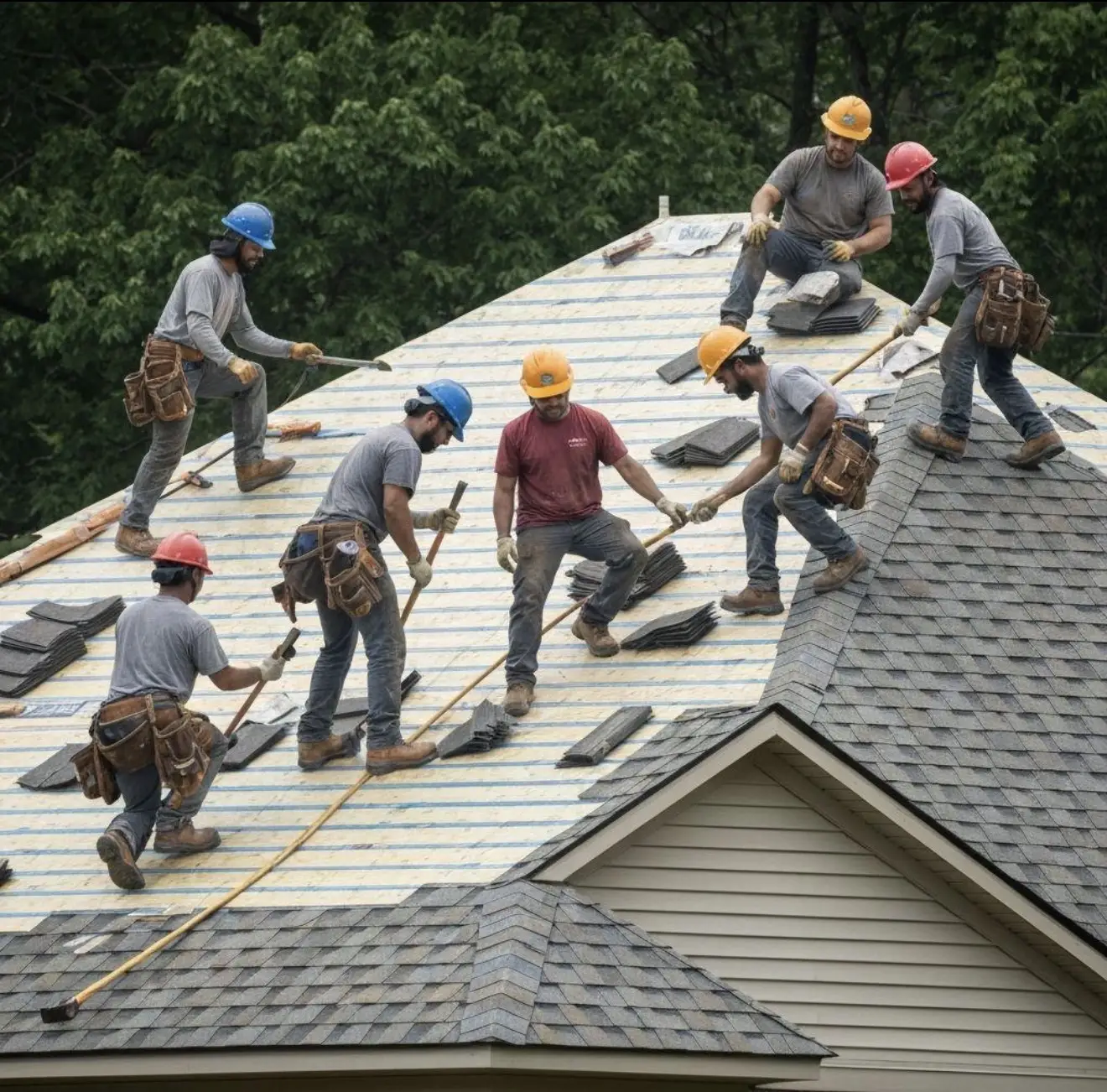
Whether your roof has been damaged by hail, strong winds, heavy rain, or falling debris, taking action quickly gives you the best chance of avoiding more serious problems. Regular inspections, timely repairs, and ongoing maintenance all work together to keep your roof in excellent condition.
By understanding the warning signs and working with experienced roofing professionals, you can protect your home throughout every season and enjoy greater peace of mind.
Protect Your Roof with Dalco Contractors & Roofing
Roof damage should never be ignored. Whether you need roof repair Arlington TX after a storm or require emergency roof repair for urgent roofing issues, Dalco Contractors & Roofing is here to help. Our experienced team provides thorough inspections, dependable repairs, and roofing solutions designed to protect Arlington homes from future weather damage. Contact us today to schedule a professional roof evaluation and keep your home protected year-round.
Frequently Asked Questions
1. What should I do first after my roof is damaged?
Start by inspecting your home from a safe location. Look for visible signs of damage, document what you find, protect your home’s interior from leaks, and contact a professional roofing contractor for an inspection.
2. How do I know if I need emergency roof repairs?
If your roof has active leaks, missing sections, storm-related structural damage, or exposed areas allowing water inside, you should arrange emergency roof repair Arlington services as soon as possible.
3. Can roof damage be hidden after a storm?
Yes. Storms often cause damage beneath shingles or around flashing that cannot be seen from the ground. A professional inspection helps identify these hidden problems before they become more serious.
4. How often should homeowners in Arlington schedule roof inspections?
Most roofing professionals recommend a full inspection at least once a year and after major storms. Regular inspections help detect damage early and extend the life of your roof.
5. Can regular roof maintenance reduce future repair costs?
Yes. Cleaning gutters, replacing damaged shingles, removing debris, and scheduling annual inspections help prevent small problems from turning into expensive roofing repairs.